Identify the location of this cabin:


Identify the location of this cabin:
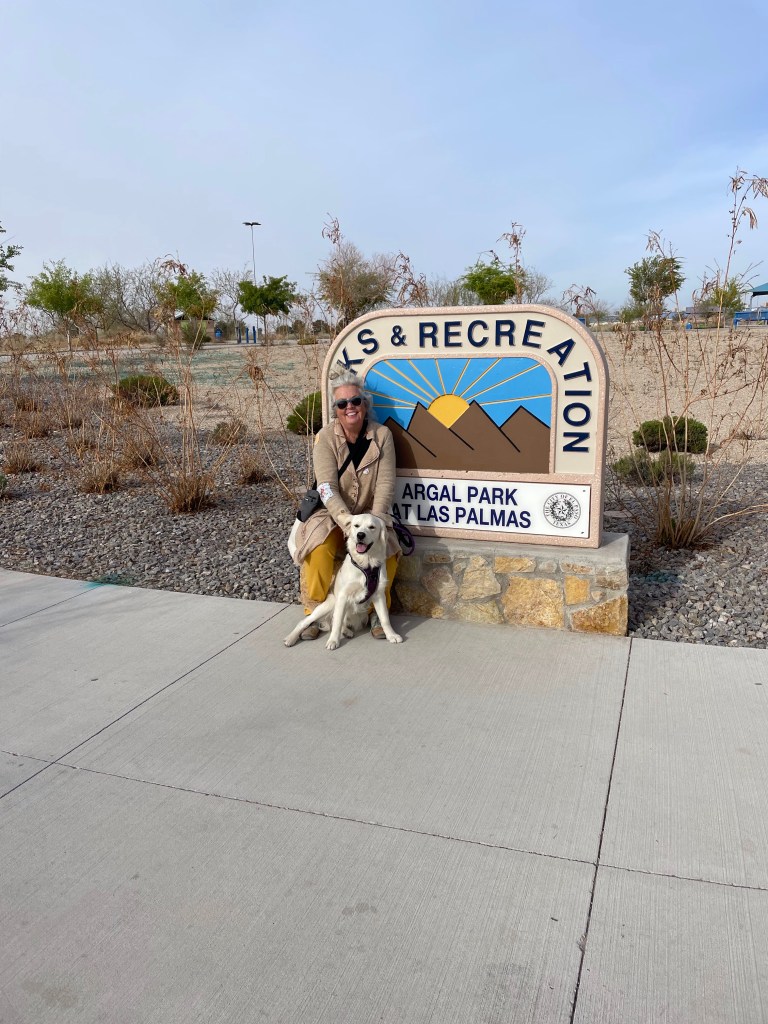
Tuesday dawned sunny but smoggy in El Paso. The local geography causes air pressure inversions that trap pollution from cars, trucks, trains, etc. along with emissions from local industries.
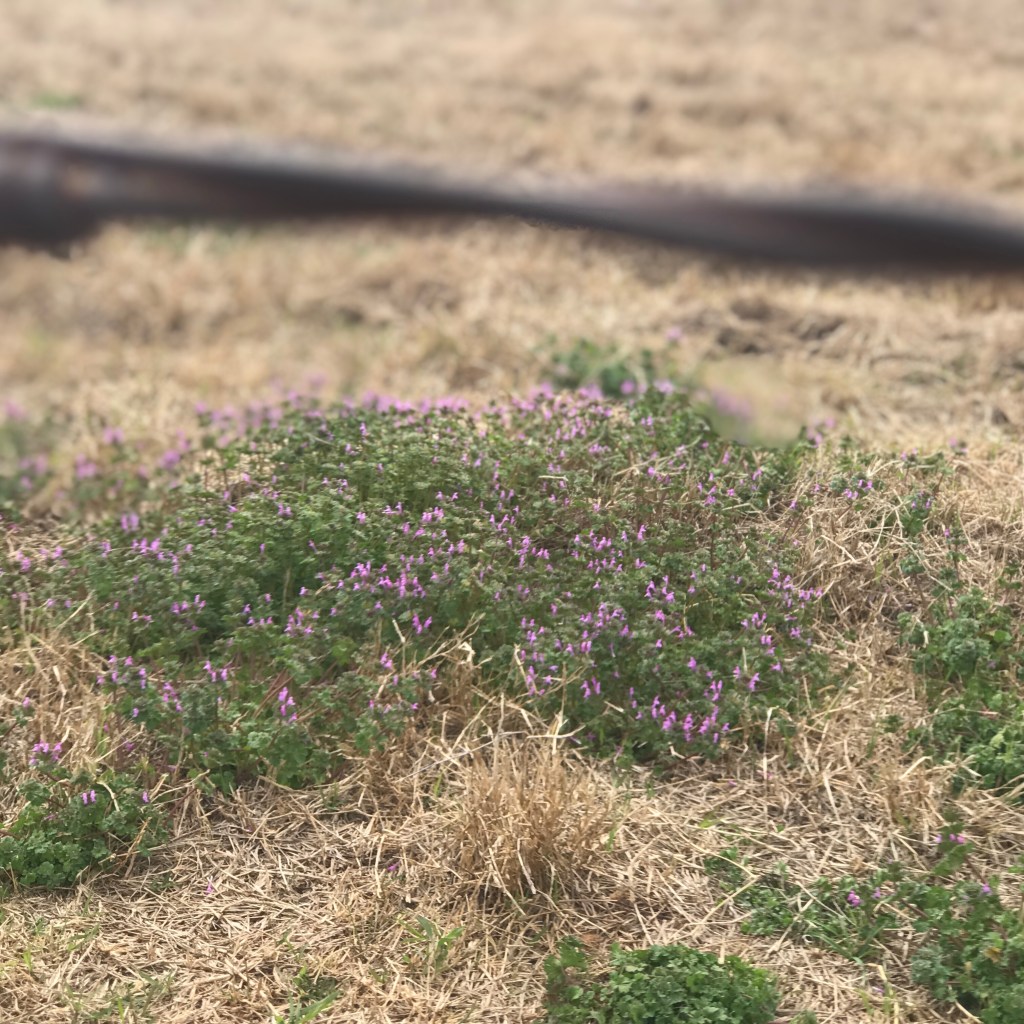
As we pointed ourselves northeast, we noticed a drastic improvement in Mike’s performance. We spent the day driving through west Texas, dominated by oil and gas fields. Sarah read that the Texas Department of Highway spreads 30,000 pounds (!) of wildflower seeds each year along the ditches. The Texas state flower, bluebonnet, is a regional species of spring-flowering lupin. There are a few different legends about how this blue-purple wildflower got to Texas. One 18th century story claims a Spanish nun appeared to indigenous people to teach them about Jesus. She was wearing a blue cloak over her brown habit and appeared several times to two different groups. On the morning after her last appearance, the fields were covered in a new flower the same color as the nun’s cloak. Even more miraculous is that the nun in this story never actually left her convent in Spain. It is said that she projected herself to North America through deep contemplation and prayer.



We spent the night in Seymour, Texas at the HH Creek Inn. We split a delicious 16 oz ribeye dinner at the Rusty Spur Saloon and thoroughly enjoyed watching the Breakaway Roping competition from the Lazy E Arena on the newly launched Cowgirl channel.

Adopting another dog, after Molly, was not a sure thing for us. In our marriage, we have been blessed with three extraordinary dogs, all adopted as adults/seniors. Shasta taught us the benefits of living with a retired service dog and Molly eventually completed training to work as Sarah’s service dog. When we started to look for a new dog, we were daunted by how the rescue/foster system has devolved into a money-making cottage industry. Folks are adopting the best-behaved dogs from the shelters and then re-packaging them as available for adoption for huge “re-homing” fees, rivaling the cost of purchasing a pure-bred puppy.
We continued our research and met several candidates in shelters in different states. None of them passed all of the tests we had set; a potential service dog must be calm and relaxed, responsive when approached, and accept boundaries and training readily. A dog that is clearly frustrated, reactive to people or other dogs, has issues with resource guarding, or is overly sensitive to touch cannot easily be trained to work as a service companion. Hip health is also important. It has been more than thirty years since Sarah last raised a puppy and Joe has only lived with adult dogs. Puppies are a big commitment and require a huge investment of time and patience. But as our search for an adult rescue dog with potential for service training continued with no definite results, we started to consider the benefits of puppy-raising.
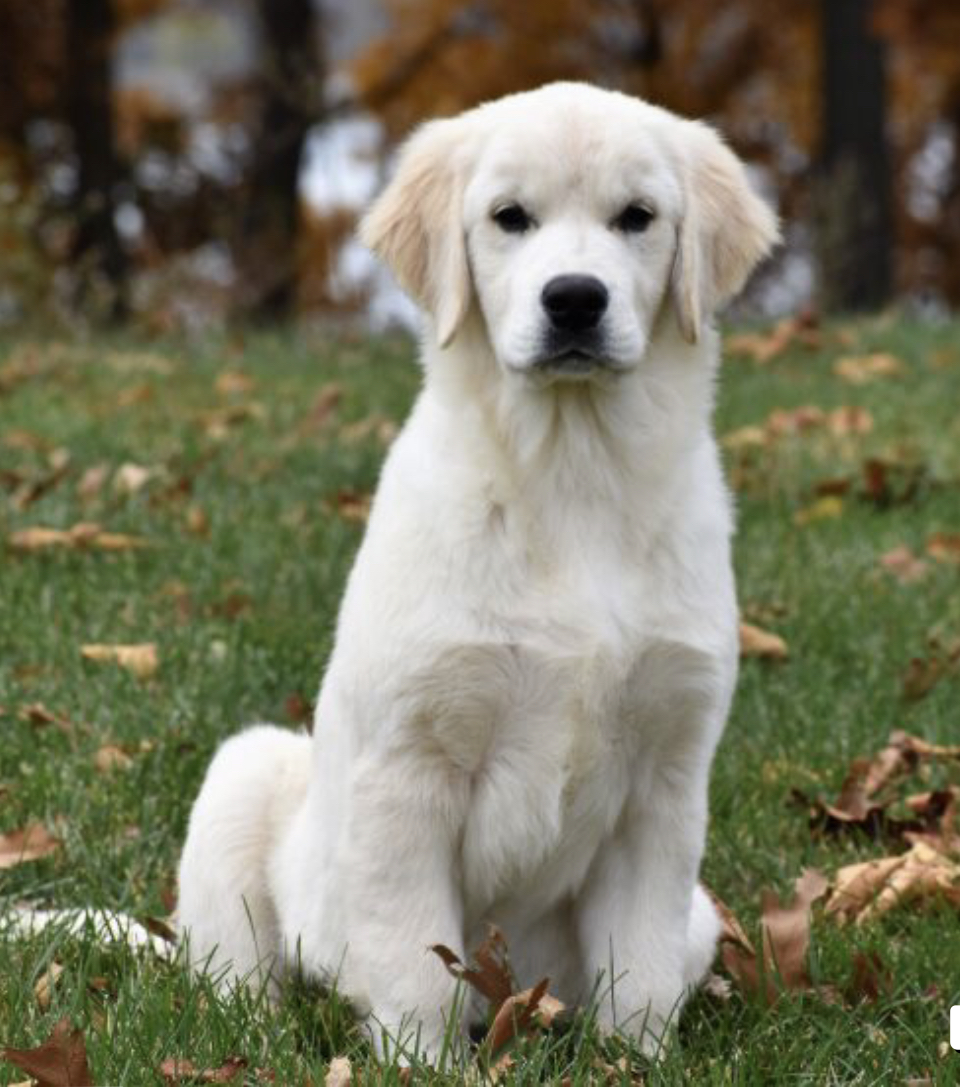
This youngster was born in Indiana last June at Foxwood K-9. This extraordinary kennel is powered by solar and geothermal systems and the dogs are raised with love. She was ready to come home to us at the end of November. Because we were getting ready to leave Cape Cod for the winter, it was tricky to figure out the best way for our new pup to get to us. Delivery options were compromised by airline restrictions so we landed on the idea of picking her up directly from the kennel in Shipshewana.
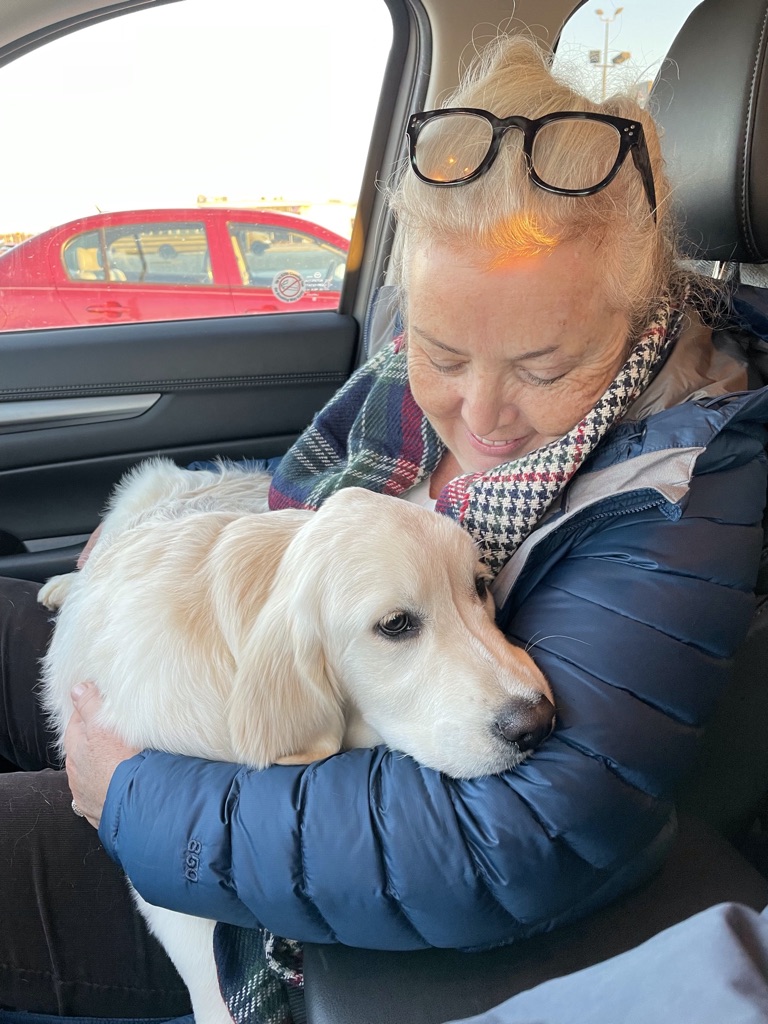
We flew to Detroit on a Tuesday morning, picked up a one-way rental car, and drove to Indiana. We picked up puppy supplies and the puppy and headed out west. Thank goodness she adapted to car travel without incident! Mornings were spent bonding with Sarah in the front seat and the rest of the afternoon was spent sleeping in her crate. The three nights in hotels were relatively easy as she slept in her crate without complaint.
On our second day, we passed a sign that said we were 90 degrees west of Greenwich – one-quarter of the way around the world! An hour later we saw Mark Twain’s boyhood home before crossing the Mississippi River into Missouri. Chillicothe, MO is the Home of Sliced Bread and Sarah was stoked to stop at Missouri Star Quilts. After lunch, we passed by the birthplace of Jesse James. And in Kansas City, we met Boon and his human who works at Bar K Dog Park. We slept in Hays, KS.
Thursday’s adventures included meeting a flock of chickadees in a pre-dawn cold walk before loading up the car and heading into Colorado where we gained another hour due to entering Mountain Standard Time. The temperature was a bit warmer (56 F) as we cruised through Denver and headed up into the Rocky Mountains. When Journey woke up after lunch we were at ten thousand feet elevation in Vail and found Bighorn Park to introduce her to the snow. We stopped in Green River, UT (pop. 847) for the night – known for watermelons and its annual Melon Fest.
Friday morning was a bit tense as we got caught in a blizzard coming over the summit to Salina, UT. While Journey slept blissfully unaware, Joe did a great job navigating the un-plowed road and we made it to Mom’s Cafe for breakfast by mid-morning. We time-traveled to Mesquite Dog Park (Pacific Time Zone) before steering into the megalopolis called Vegas.
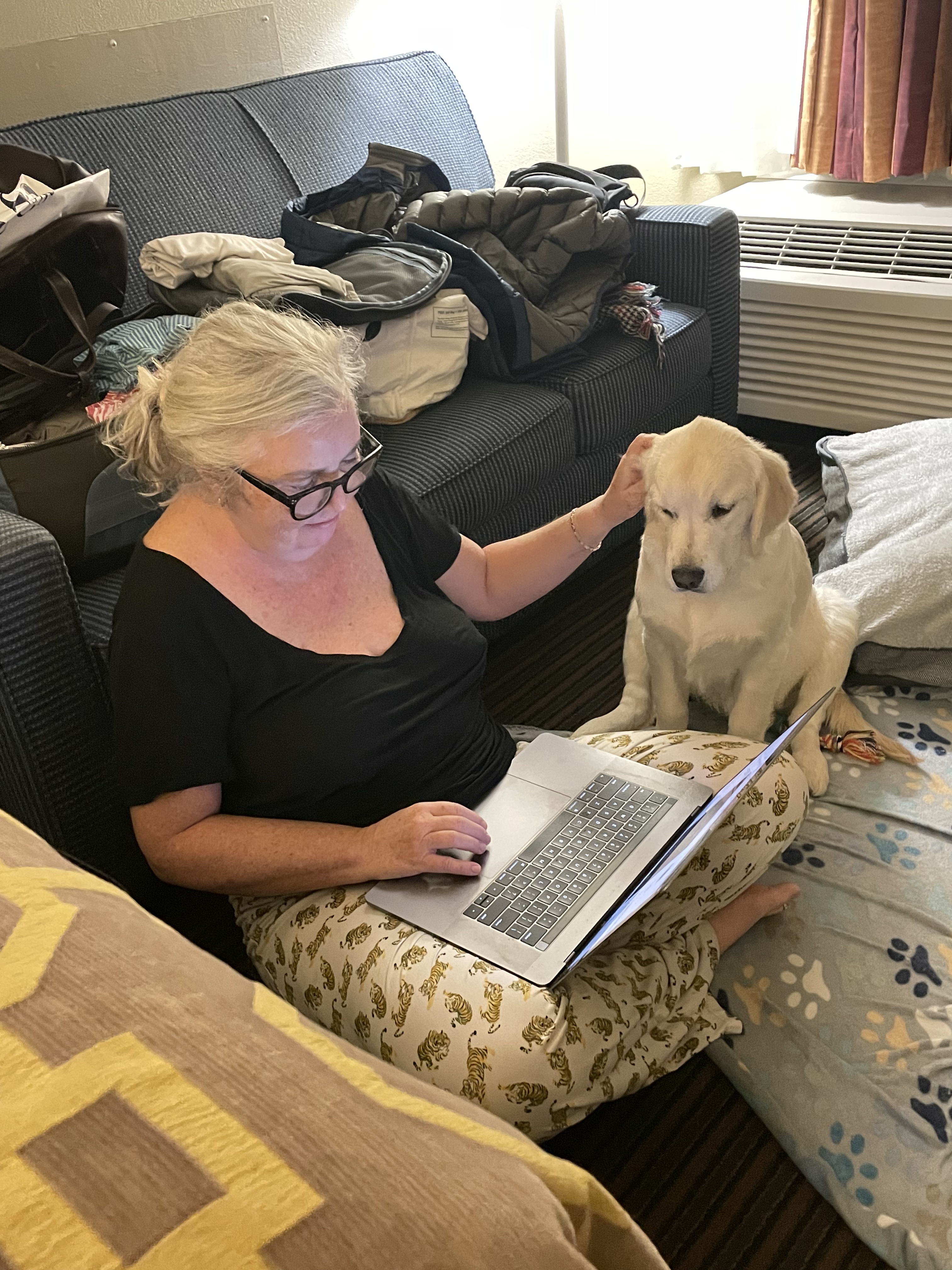
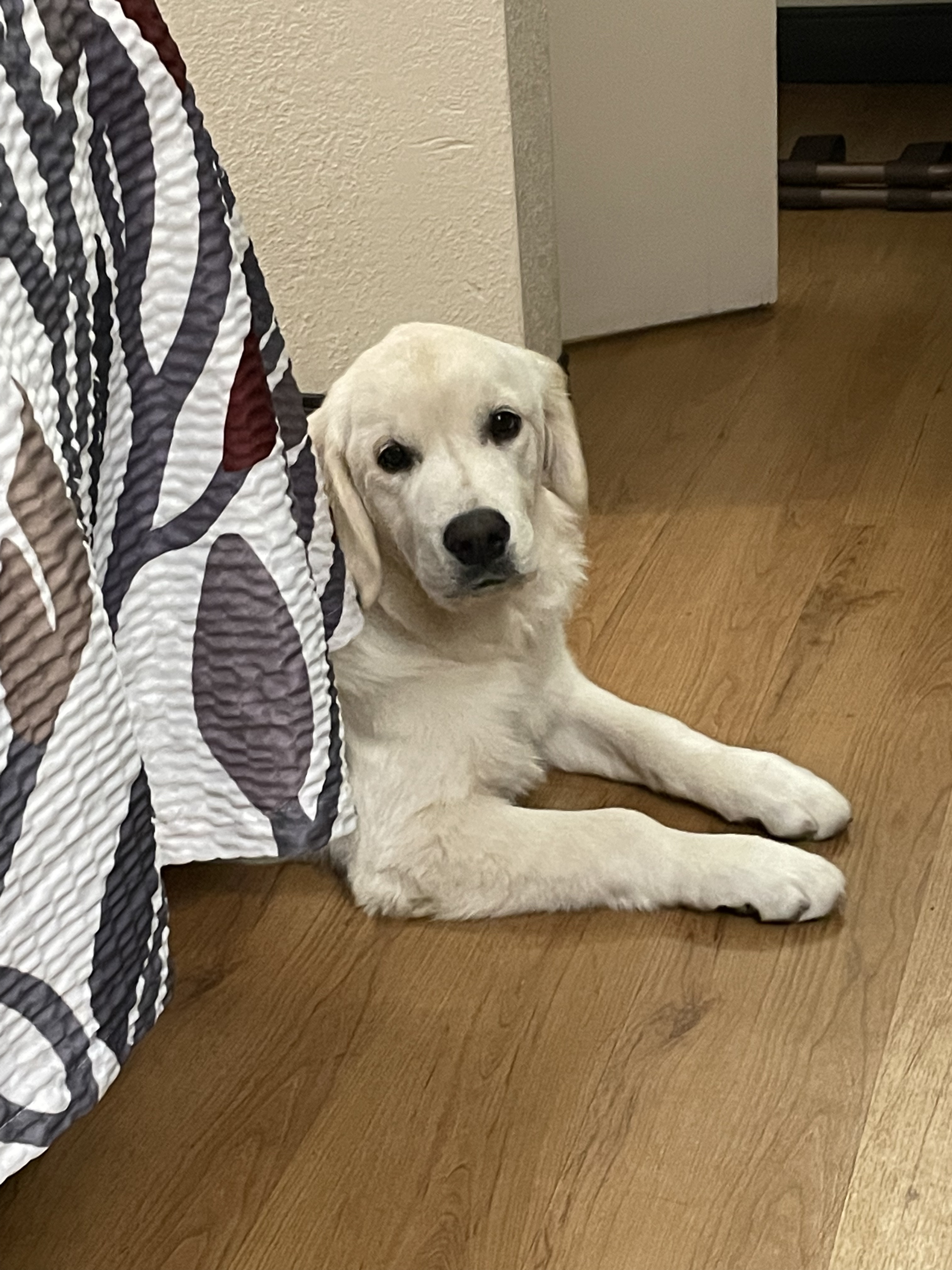


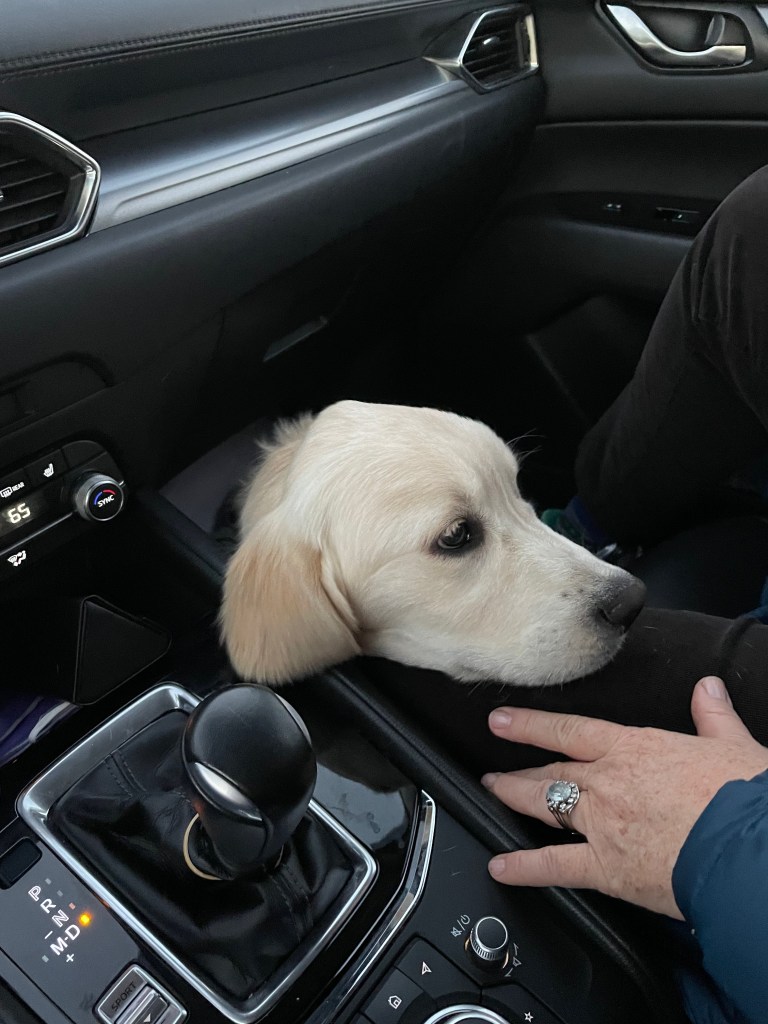
We saw a lot of sights and experienced a range of weather conditions (sun, rain, sleet, snow, winds, hail) on our journey cross-country. We returned the rental car in Las Vegas, picked up Mike (with his refurbished engine!) and after visiting our friends Friday night, we turned south to Yuma on Saturday morning.
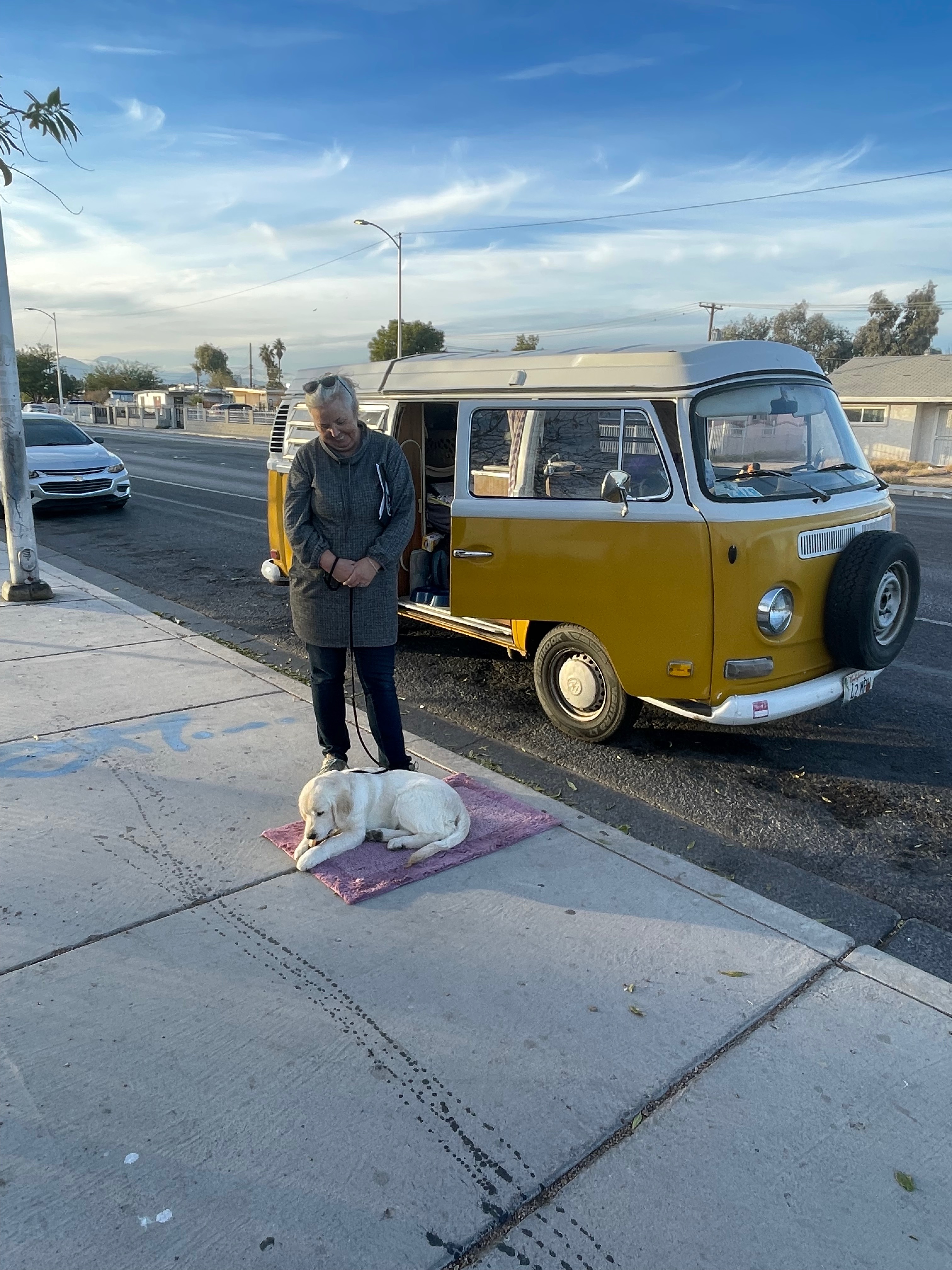
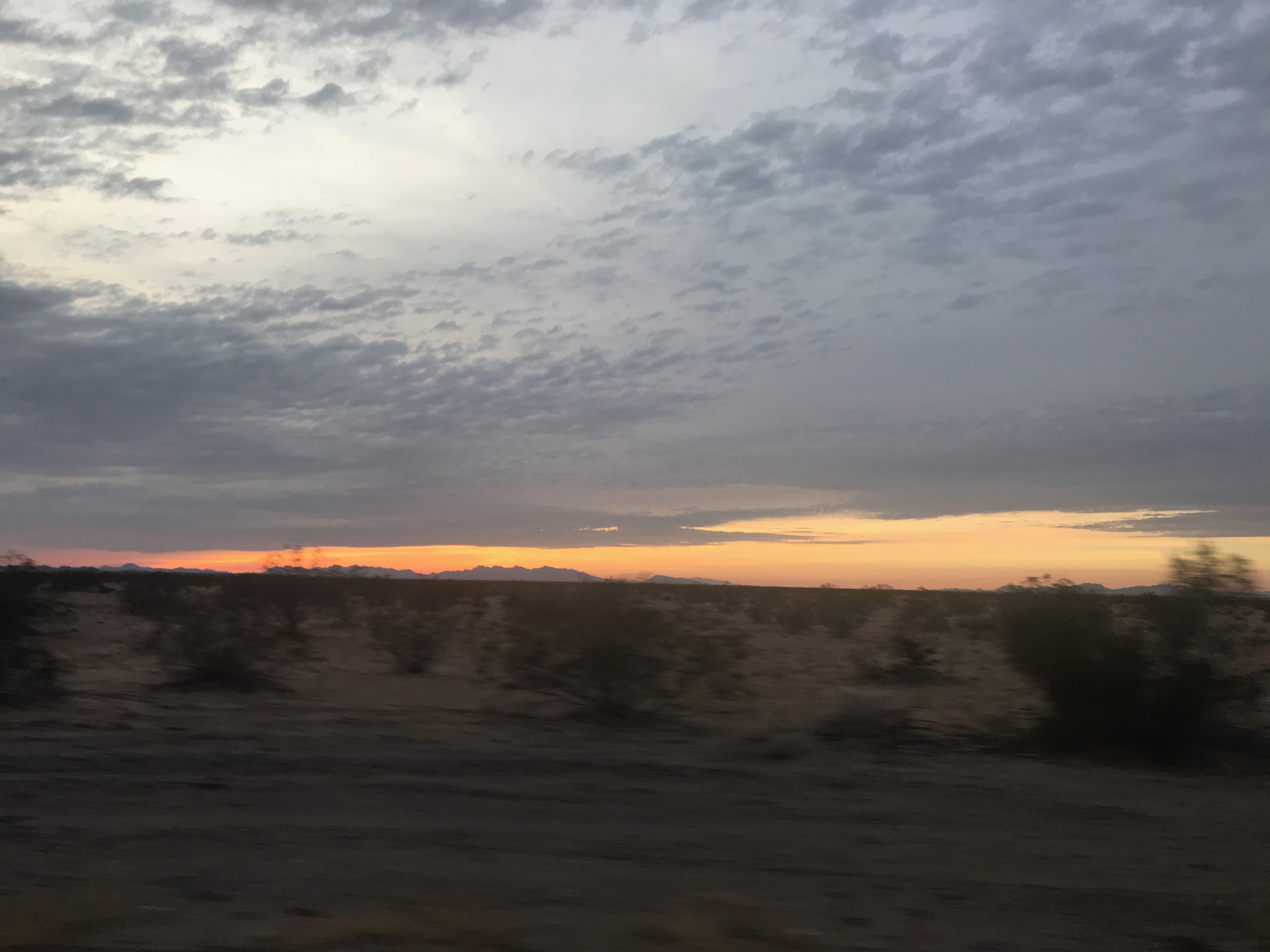

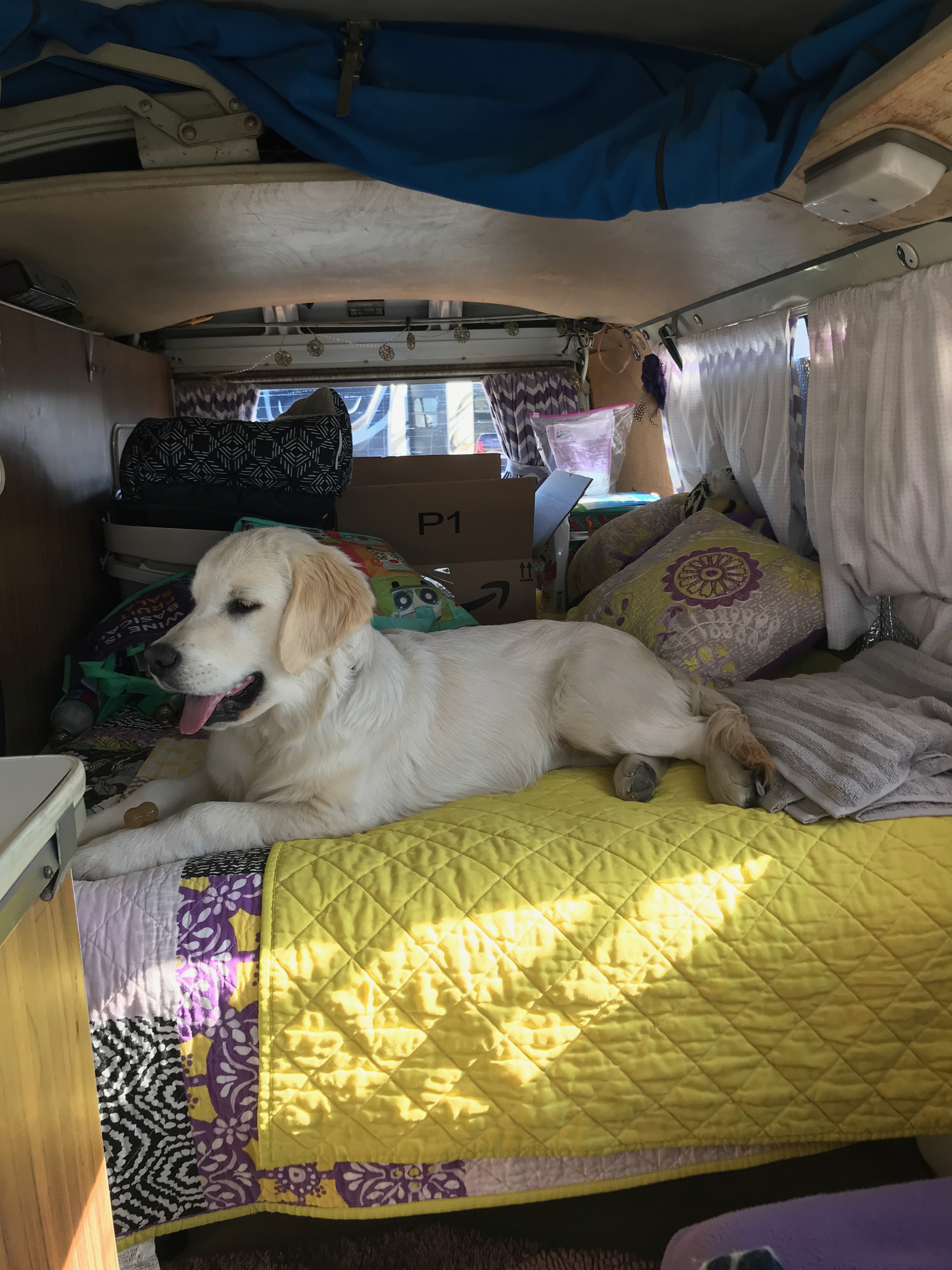
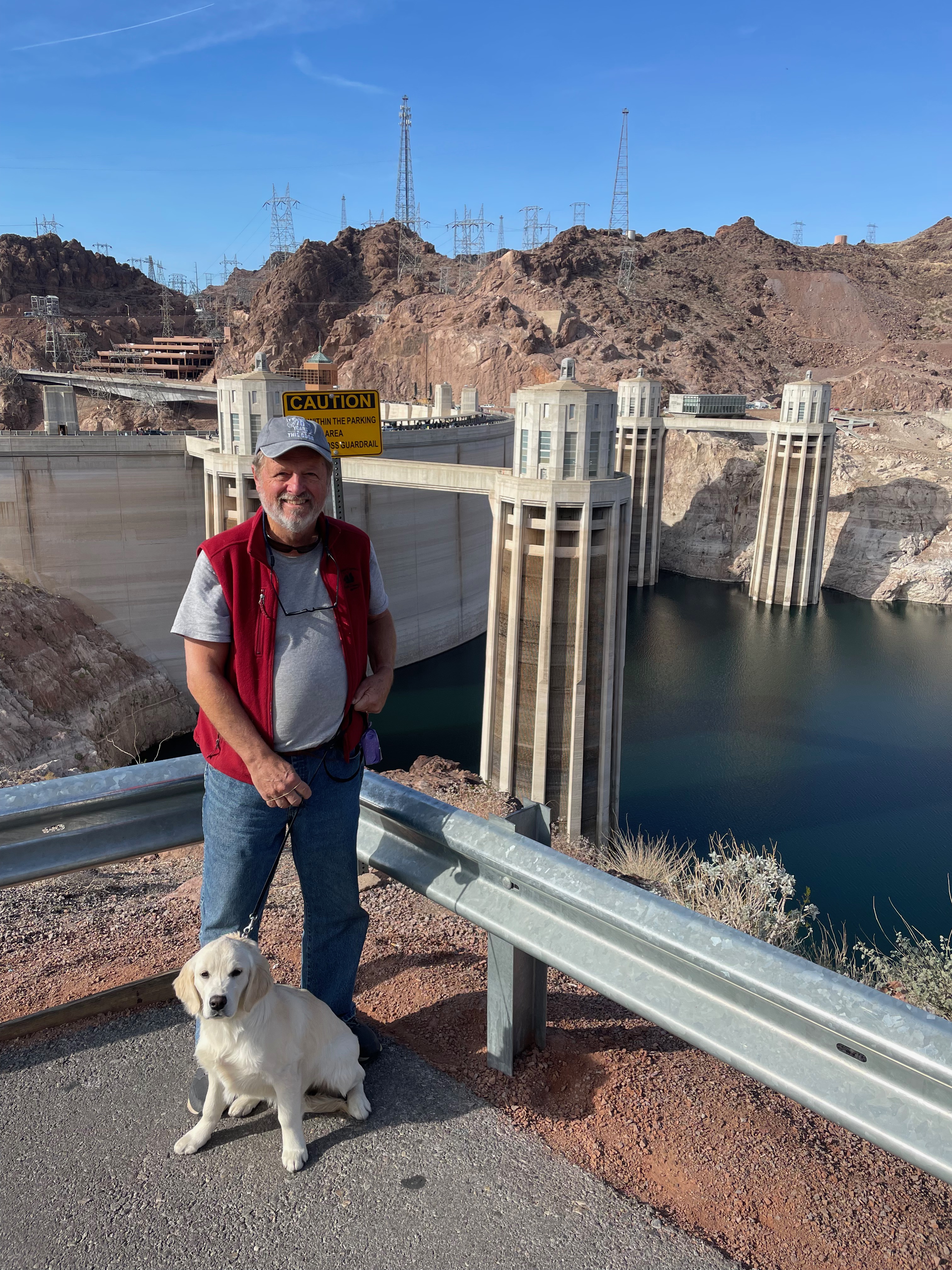
We will be staying here in Arizona for the winter and plan to drive cross-country back home to Cape Cod in March. In these first weeks living together, we have set new routines, started training classes, and adapted to sharing our RV with our growing four-legged goofball. Her antics as she explores and learns about the world are keeping us smiling and we made more friends at the RV park in one week than the entire winter season last year. Everyone wants to pet the white, friendly puppy.
Joe proposed registering her as “Journey” because it was a journey to find her, we trekked cross-country on a literal road trip to pick her up, and we look forward to sharing many travel adventures together. She has the perfect name!

Historians and biblical scholars now believe that the honey referenced in the Book of Exodus refers not to bees’ honey but to the syrup prepared from dates. Turns out that the best way to preserve this highly nutritious fruit is to soak, cook, extract and reduce its syrup. As one of the oldest foods cultivated in the Mediterranean region, it makes complete sense that a reference to abundance would include good date production.
Medjool (Arabic majhūl) dates are known as the king’s fruit, once reserved only for royalty. These dates are large and sweet. Almost a century ago, California growers imported eleven medjool date palms from Morocco and nine survived, spawning the spread of date farming in the southwest United States.
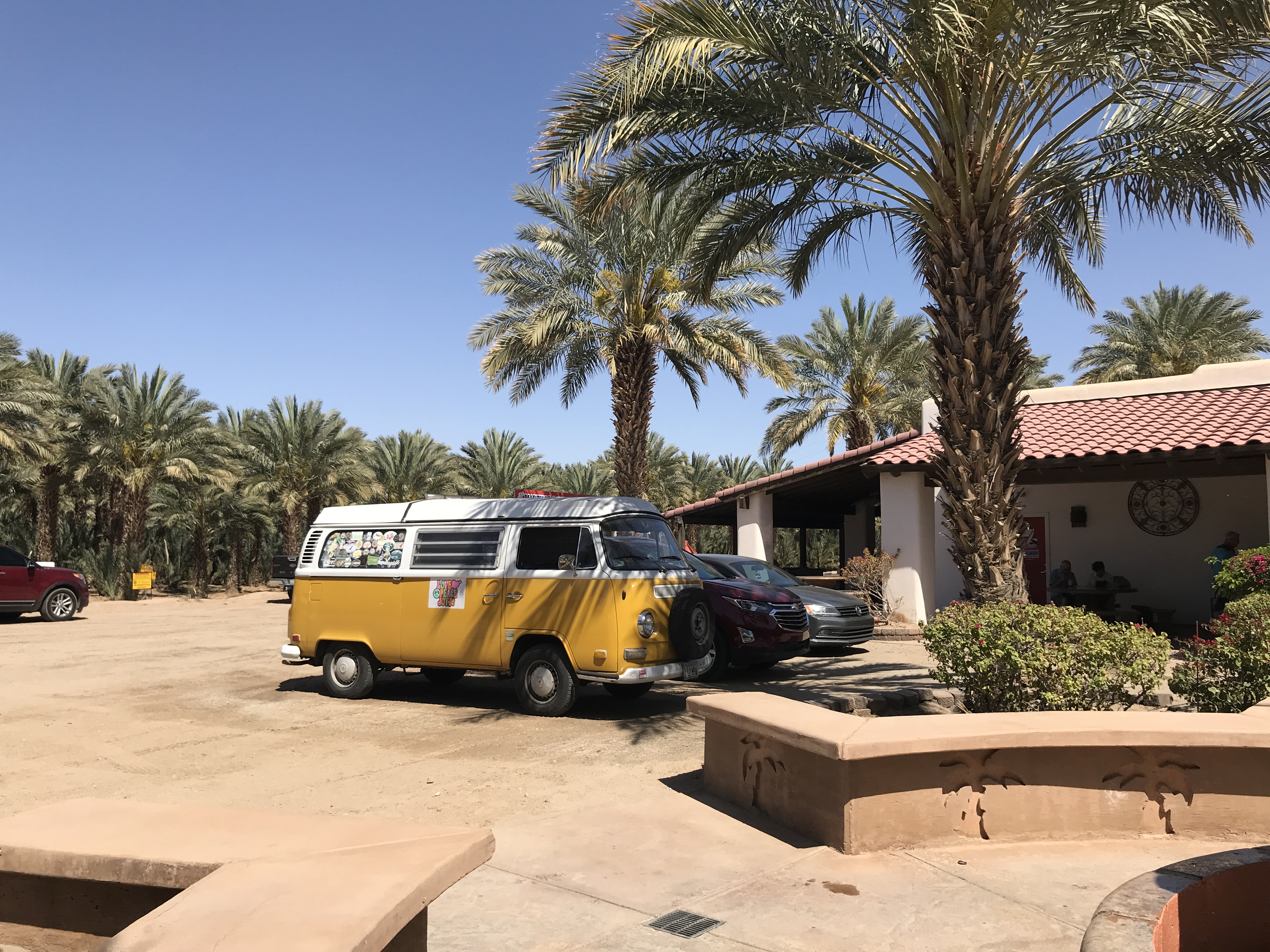
Why are dates so expensive? It is a labor-intensive commercial crop, with farmers devoting most of their land to female date palms (which produce the edible fruit) and keeping just a few males or even purchasing the pollen when it is time to pollinate the female flowers. After the fruit buds form, each strand is thinned to allow better air circulation and bigger fruit. By August, the fruit bundles are bagged to protect from birds, insects, and dust. Dates are harvested by hand in the fall, sorted, graded, and sent to cold storage.
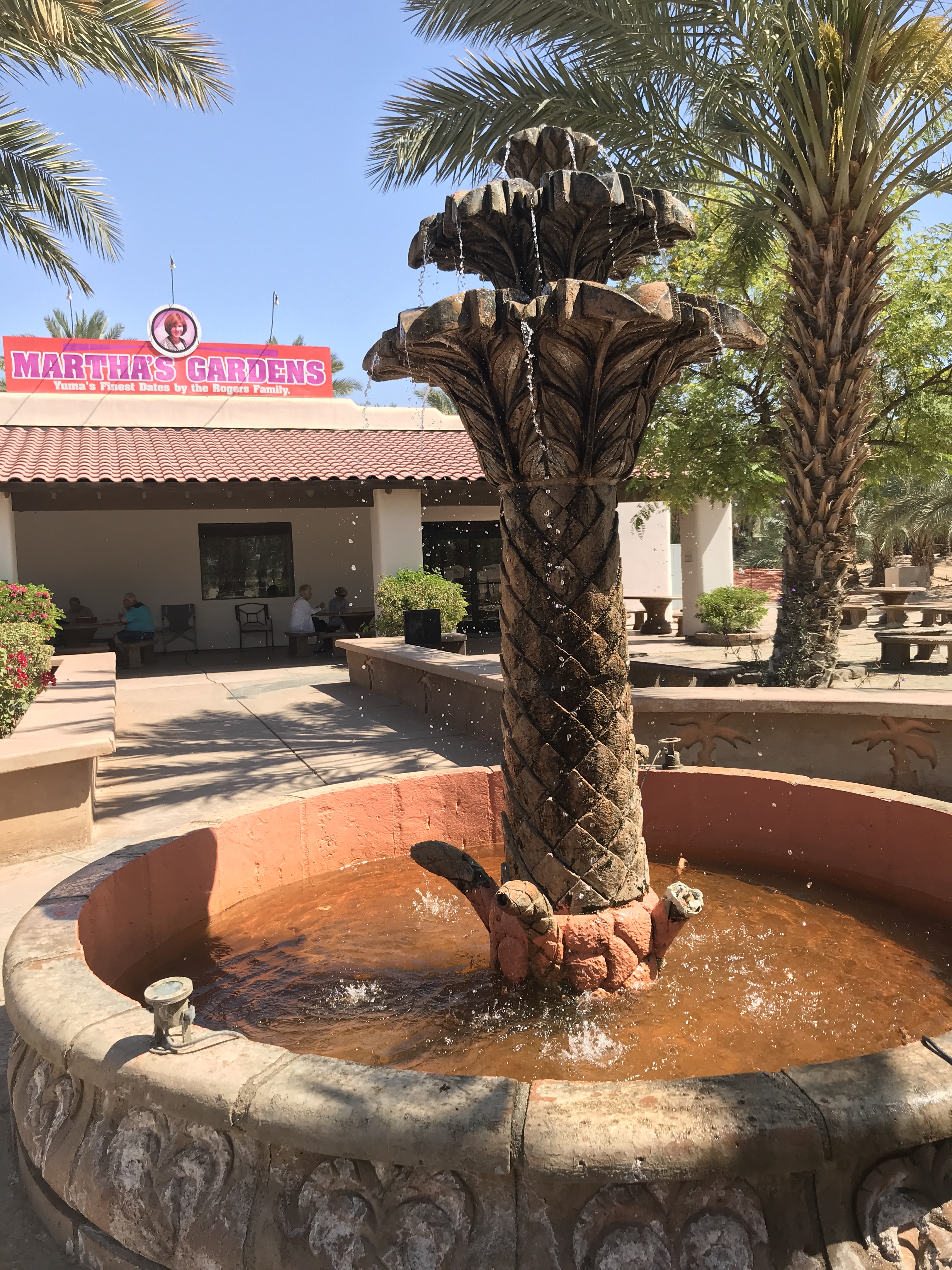
We learned all about date farming with a visit to Martha’s Gardens, here in Yuma. After sharing a delicious date shake by the courtyard fountain, we headed home taking the road less traveled.

After 1.5 miles of sketchy sandy trails, we determined the large CAT bulldozer parked on the trail was a good indicator that we were not on a sanctioned road! We carefully re-traced our tracks in the dust and made it back out to the secure pavement. Watch the video below of this adventure for Mike the van!


The day began early with a hearty pancake breakfast curbside to North America’s second largest parade. The Calgary Stampede Parade dates back to 1912 and that first parade was led by 1800 First Nations people in full regalia. This year boasted about 700 horses and over 4000 participants in its 130 entries. Joe marveled at the politeness of Canadians leaving space along the sidewalk for pedestrians, as opposed to jamming in as many chairs as possible for parade viewing! Canadians are so nice!


Our friend William Shatner was the Grand Marshal eschewing the traditional parade marshal horse in favour of a sweet baby blue Chevy Bel Air convertible! He gave us a big thumbs up when Joe hollered, “Denny Crane!”

At the opening ceremonies for the Calgary Stampede Rodeo, we were treated to both of our household’s anthems, in honour of so many Americans competing and supporting the Stampede on Independence Day. Other than hockey games, we don’t often get to sing both anthems back to back!
GEOQUIZ: Where and when is North America’s largest parade?
Driving through miles and miles of farmland, Sarah is reflecting on how farming has changed in her lifetime. Murray Lougheed (Sarah’s dad) left his family farm as a young adult but his rural roots drove his career in agricultural co-ops and the core values of a family farmer (environmental stewardship; caring for others; and faith in God) helped shaped Sarah and her siblings.
What is interesting in 2014 is the absence of farmhouses and the increase in corporate farming. What are the water implications of large-scale farming in the central valley of California? What does it mean to have huge circular fields in Oregon and Washington that rely on gigantic sprinkler systems? The contrast between the un-watered brown ditches and the irrigated verdant fields is stark.
On our first day of driving this trip, we saw a field of flat, spiky, deep green plants that we couldn’t identify. Up the road, a similar plant was spotted but was taller and seemed vaguely familiar, although the deep green seemed more diluted and more yellow. A third field solved the mystery: these were fields of GMO corn that have been engineered to grow like espaliered trees instead of bushy stalks. Presumably this allows a higher yield of corn per acre, since the plants are more closely packed together.
Last night, we slept by a mighty river that was explored by the famous Lewis & Clark over two hundred years ago. Did you know that only one member of the “Corps of Discovery Expedition” died? And his death was apparently caused by acute appendicitis. However, one of the hunters in the party accidentally shot Lewis in the thigh on the return trip, claiming that he thought Lewis was an elk! Really?!? How does one mistake Captain Lewis for an elk? Elk in the 19th century must have looked a lot different than the elk that we know today!
GEOQUIZ QUESTION: What is the name of the river by which we slept last night?

 Where in the world are the Gills?