La Boheme

Since high school, i have been attracted to the “bohemian” fashions of the 1960s and have styled myself as an artist born in the wrong decade! i like to decorate with bold colors and an eclectic mix of elements. For our second date, i invited Joe to attend Baz Lurhmann’s San Francisco Opera production of “La Boheme.” I had a vague understanding there was a region somewhere in central Europe that used to be called Bohemia and imagined fairytale castles decorated with lots of lace, macrame, and colorful tapestries and rugs; in other words, boho chic.

Bohemian Sarah
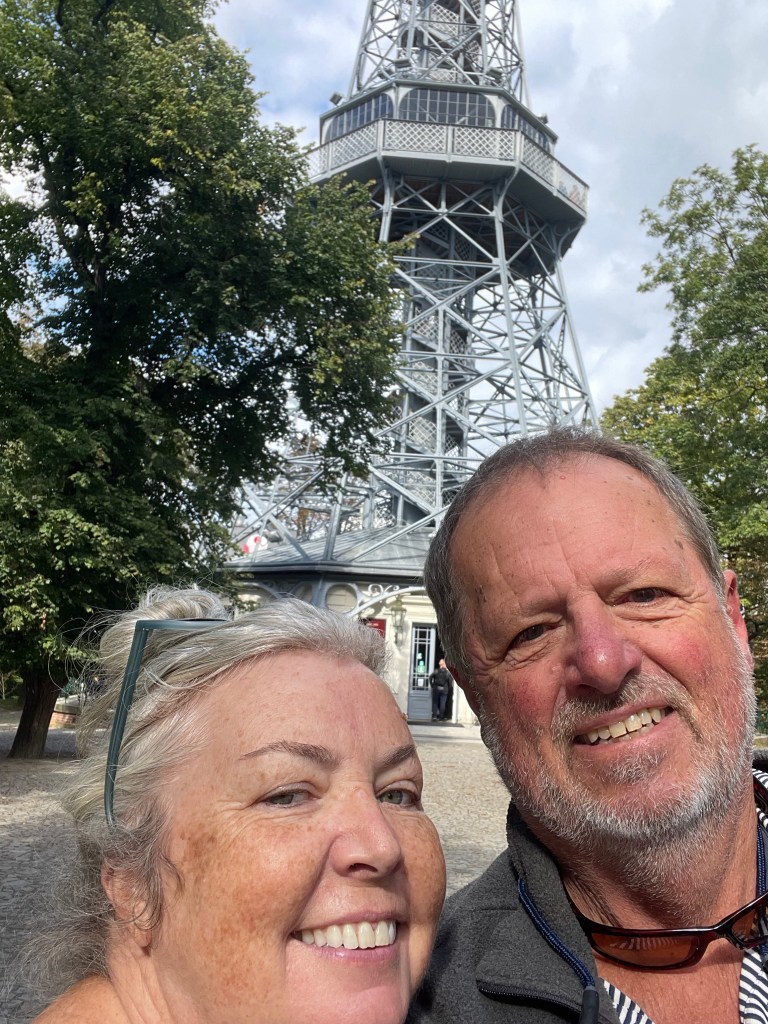
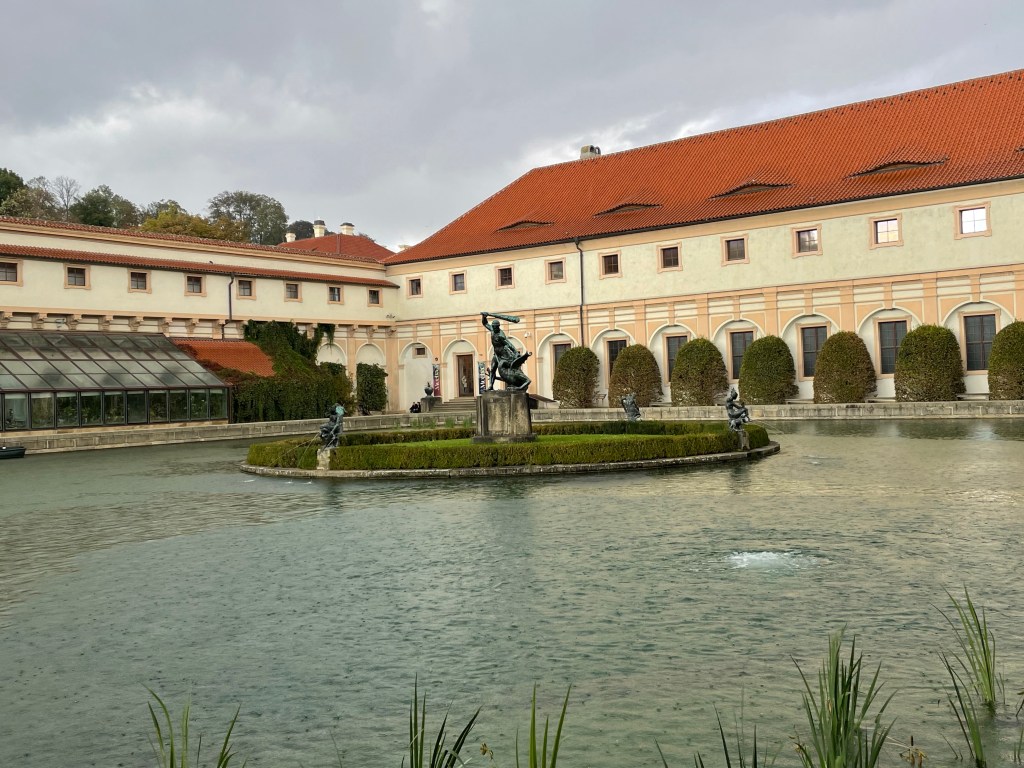
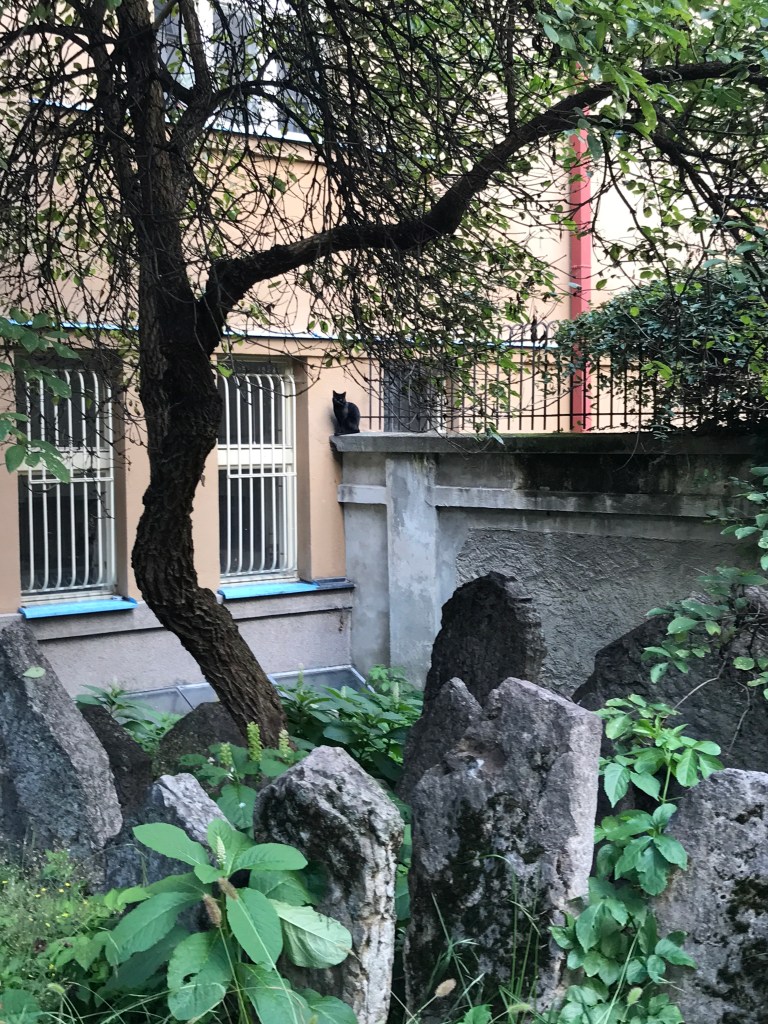
in the gardens of a castle built for
the Kings of Bohemia.

My ignorance has now been exposed and as i write this, i am traveling by train through Czech Republic, thinking about the ancient Celtic Boii tribe pushed north by the conquering Roman armies. When the Roman Empire engulfed these lands thousands of years ago, they named it “Boiohaemum” by blending the name of the Celtic tribe (boii) with the proto-German word for home (haimaz) and then latinizing the new portmanteau.

Sometime in the sixth century, Slavic tribes began arriving from the east and Christian monks showed up in the ninth century. From decade to decade, century to century, borders and allegiances continued to shift as the people of the Middle Ages tried to build power over their neighbors, but the name “Bohemia” stuck to the region.

After WWI, the region of Bohemia was the geographic core of the newly formed Czechoslovakia. Tragically, Hitler fooled the world with the Munich Agreement, and Czechoslovakia was sacrificed to the Nazi regime. Following WWII, a new republic was declared but was soon absorbed by the eastern bloc and occupied by Soviet forces. It wasn’t until the Velvet Revolution in 1989, that Czechs once again strove for a pluralistic democracy.

In the nineteenth century, Parisian writers started using the word “bohemian” to describe the painters, sculptors, intellectuals, musicians, and actors living unconventional artistic lives in Europe’s major cities. It evoked a sense of wandering with no fixed address – not unlike the nomadic Celtic tribe of the Boii – and an appreciation of art over money, friendship over privilege and the camaraderie of living with like-minded outsiders. Even Mark Twain described himself as bohemian!

Ironically, these “bohemian” wares
are no different than the hippie stuff
sold in Provincetown back home!

There is so much to learn about the history of Central Europe and how the ripples of influence from the events and legends of Bohemia have spread across the world. Madeline Albright’s book “Prague Winter” is an excellent place to begin. I am just beginning to comprehend how complex and intricate are the stories of this region.

Thank you to Mary Marshall
for recommending this book to me
for this trip.
Categories: botanical gardens, Prague, responsible tourism, retirement travel | Tags: , , , , | Leave a comment

Prague Photos

Categories: botanical gardens, Prague, responsible tourism, retirement travel | Tags: , , , , , , , , , , | 3 Comments

Prague

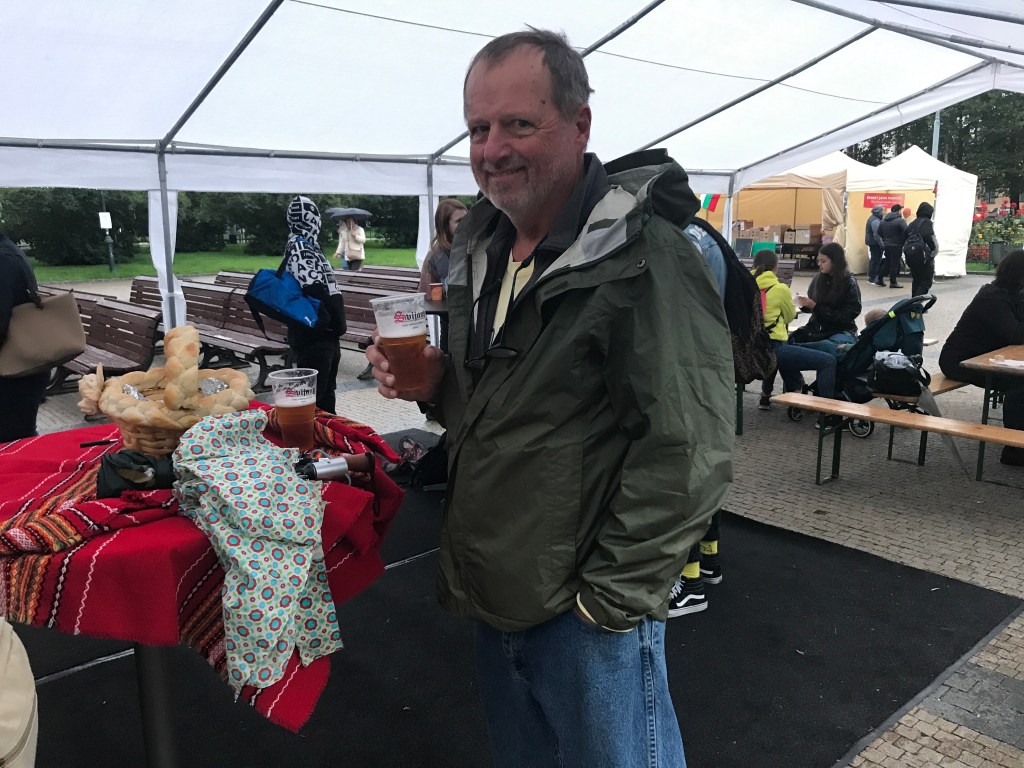
Joe Gill has a gift: finding free live music and beer! After eighteen (!) hours of travel, including a stop in London to pay our respects to QEII, we took a short nap in our Prague lodgings and then set out to find dinner. We had only walked a few blocks in light drizzle when we stumbled upon a park hosting a free concert! We think it was a Christian rock band fronted by women. A priest came out to thank them before beginning 7 pm Mass at the church behind the outdoor stage. We enjoyed our first Czech beer (pivo) while dancing with locals!

Dinner was delicious at a neighborhood restaurant. Our waiter and the bartender were patient teaching us proper pronunciation and etiquette in Czech hospitality. We both loved the warm, filling flavors of český guláš and svíčková.

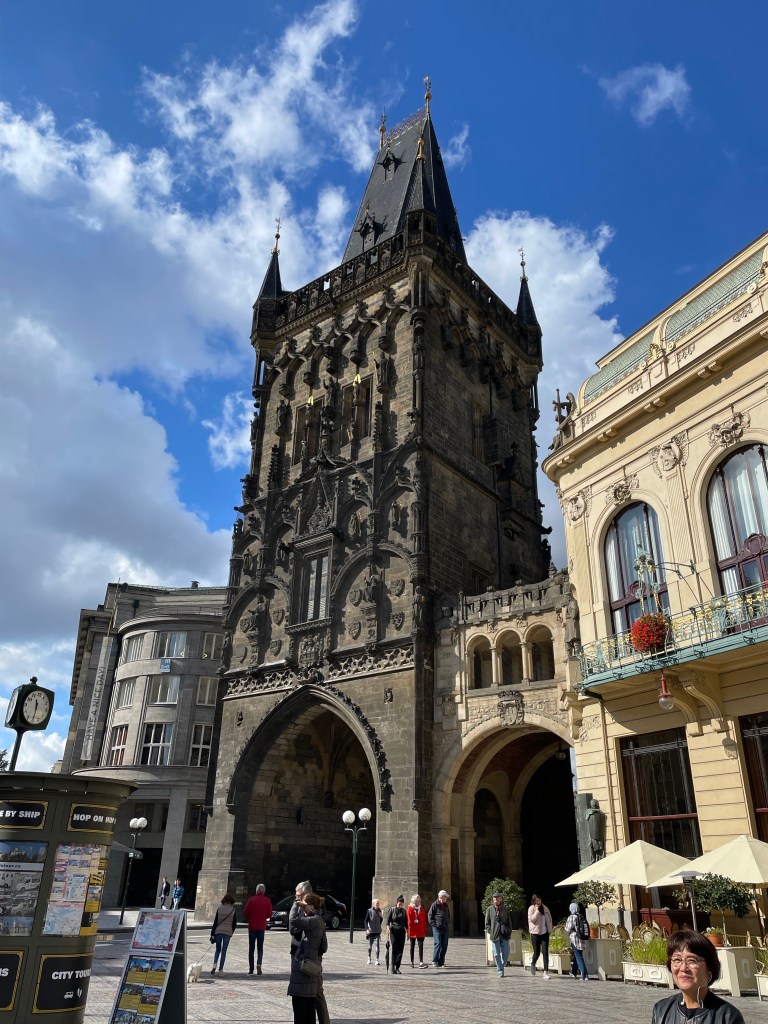
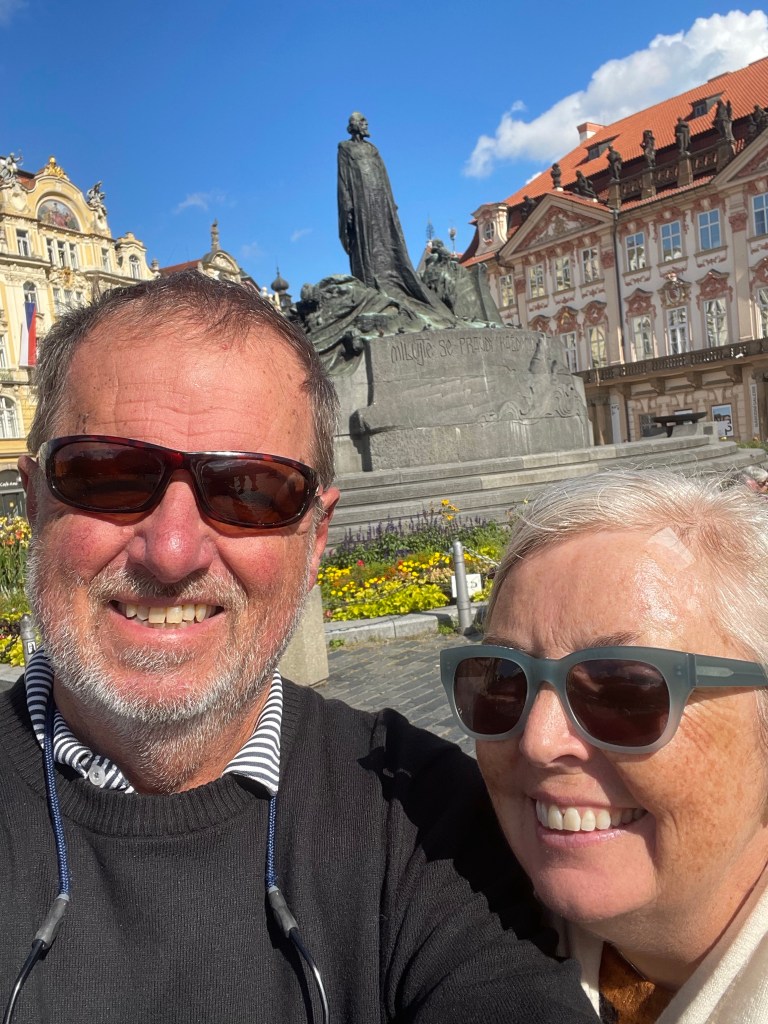
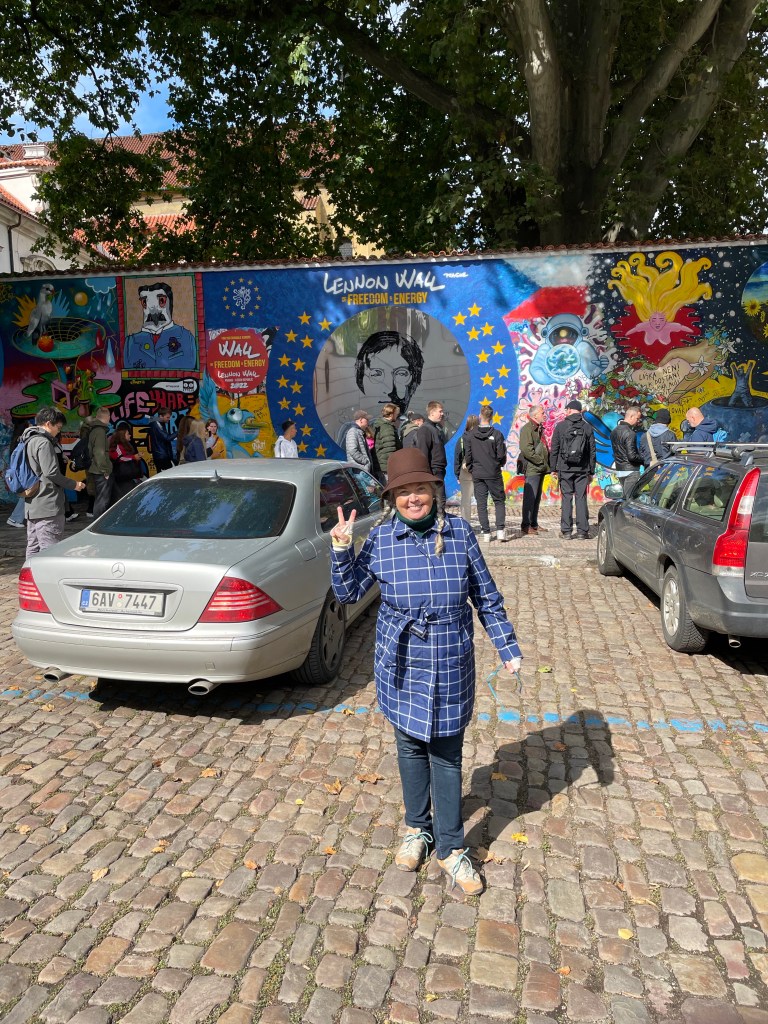
After twelve hours of sleep, we woke up to a lovely buffet breakfast at our hotel and then set out to meet our tour guide, Ivitsa. Starting at the National Museum on top of the hill, we walked down through New Town (established In the 14th century!) and across the medieval stone arch Charles Bridge to the Lennon Wall. Our archaeologist guide was super-knowledgeable and is a great storyteller!

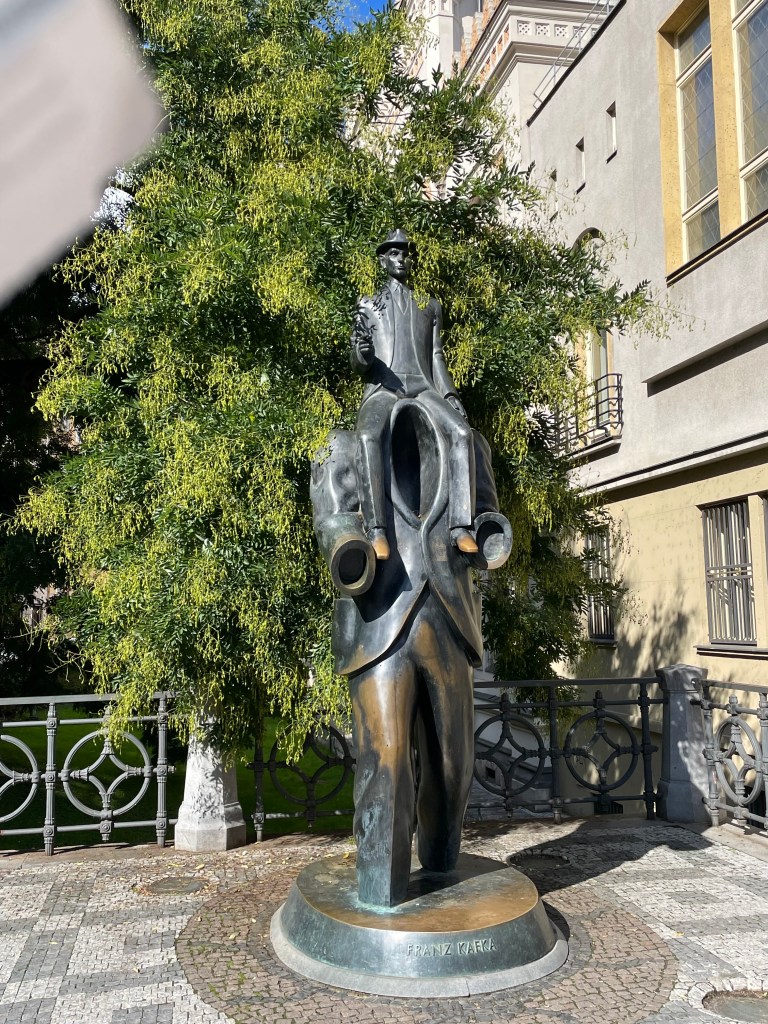
In addition to learning about the history of Czech people, we were treated to modern art sculptures by David Černý located throughout the city. This particular artist has been active since 1991, when he was briefly jailed for a controversial piece involving a former Soviet tank painted bright pink and a sculpted obscene gesture protruding from it. He has made a reputation in Prague with his provocative large-scale sculptures that walk a thin line between controversy and obscenity. We both appreciate an artist with a point of view and the audacity to display art in accessible public spaces. Viewers are free to discern their own interpretations.

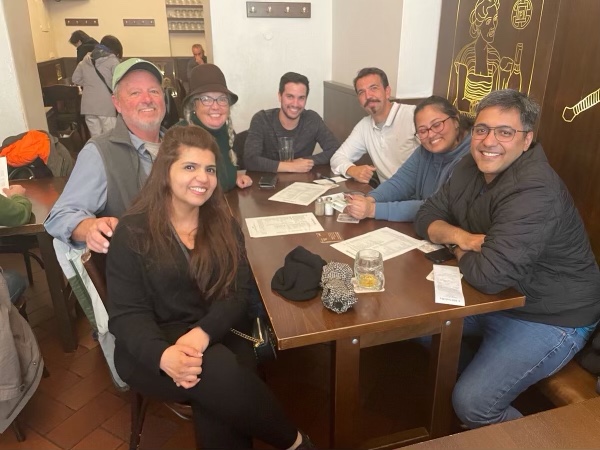
Our tour group included folks from India, Macedonia, Mexico, and Pakistan. Part of our motivation to travel is to meet people from other parts of the planet and to learn more about our commonalities and differences. This diverse tour group signed up for an english-language walking tour of Prague and ended up spending the day together, concluding with beers at an Old Town restaurant. Joe and I enjoyed hearing about our fellow travelers’ adventures and motivations. What a great day!

Best tour group!
One may text messages to a specific number and these two statues will interrupt their literary quotations and “write” your text message, instead!
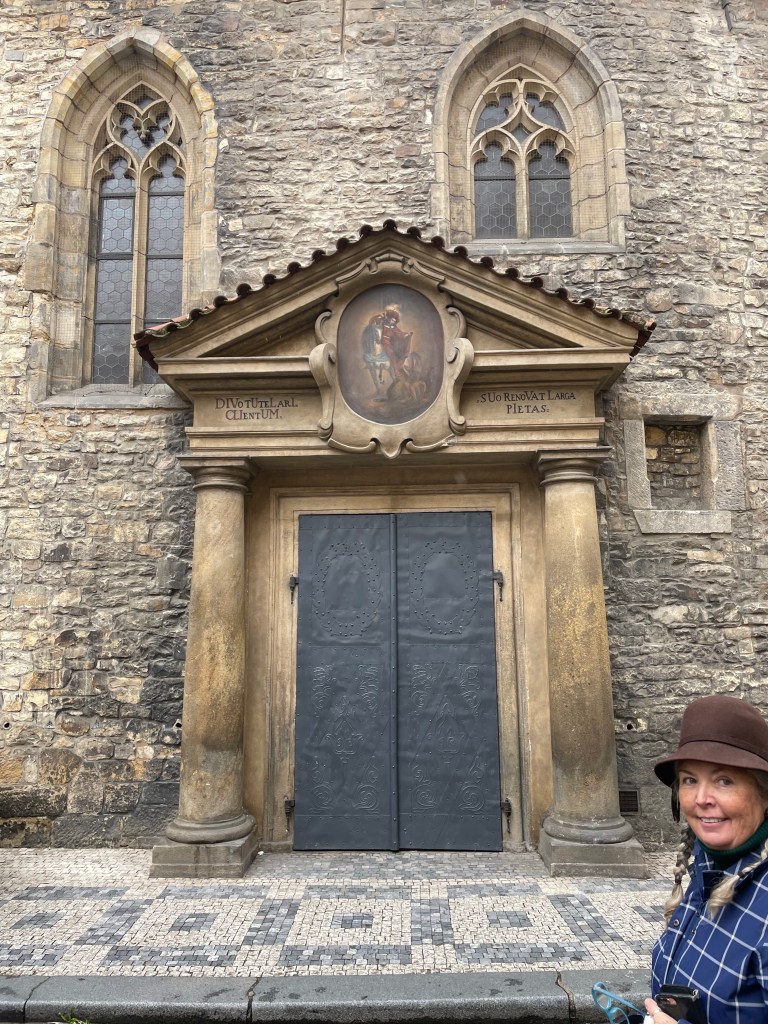
Medieval church by wall of Old Town
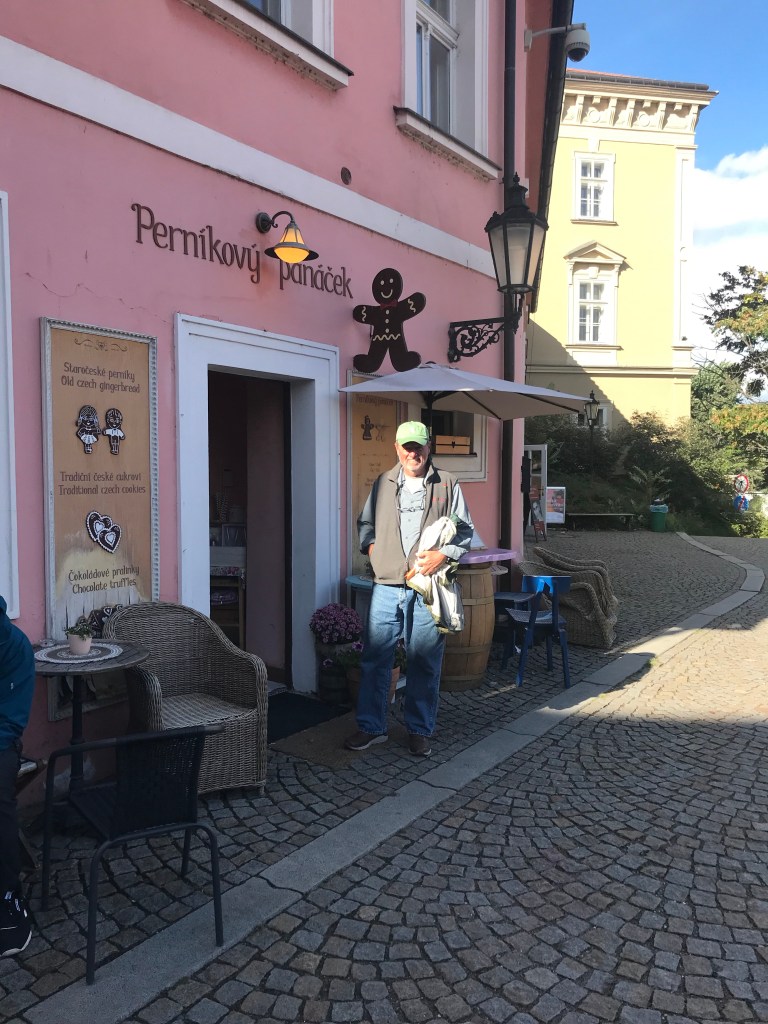
Joe found a gingerbread house!
At Czech McDonalds, one can order beer and vodka-sodas!
Ready for fall harvest
The Lennon Wall just got a do-over…all new paintings were created just days before we arrived.
Na zdravi
Categories: nomads, Prague, responsible tourism, retirement travel | Tags: , , , , , , , | 1 Comment

Delayed Gratification

The title of this post sums it up! After two and a half years of domestic road trips, we are venturing off to international destinations and discoveries. This will be the classic planes, trains, busses, trams and ferries visit to Central Europe to learn about and enjoy the cultures of the region. Bon voyage!

Categories: nomads, retirement travel | Tags: , , , | 3 Comments

A land flowing with milk and …dates?

Medjool date palms

Historians and biblical scholars now believe that the honey referenced in the Book of Exodus refers not to bees’ honey but to the syrup prepared from dates. Turns out that the best way to preserve this highly nutritious fruit is to soak, cook, extract and reduce its syrup. As one of the oldest foods cultivated in the Mediterranean region, it makes complete sense that a reference to abundance would include good date production.
Medjool (Arabic majhūl) dates are known as the king’s fruit, once reserved only for royalty. These dates are large and sweet. Almost a century ago, California growers imported eleven medjool date palms from Morocco and nine survived, spawning the spread of date farming in the southwest United States.

Why are dates so expensive? It is a labor-intensive commercial crop, with farmers devoting most of their land to female date palms (which produce the edible fruit) and keeping just a few males or even purchasing the pollen when it is time to pollinate the female flowers. After the fruit buds form, each strand is thinned to allow better air circulation and bigger fruit. By August, the fruit bundles are bagged to protect from birds, insects, and dust. Dates are harvested by hand in the fall, sorted, graded, and sent to cold storage.

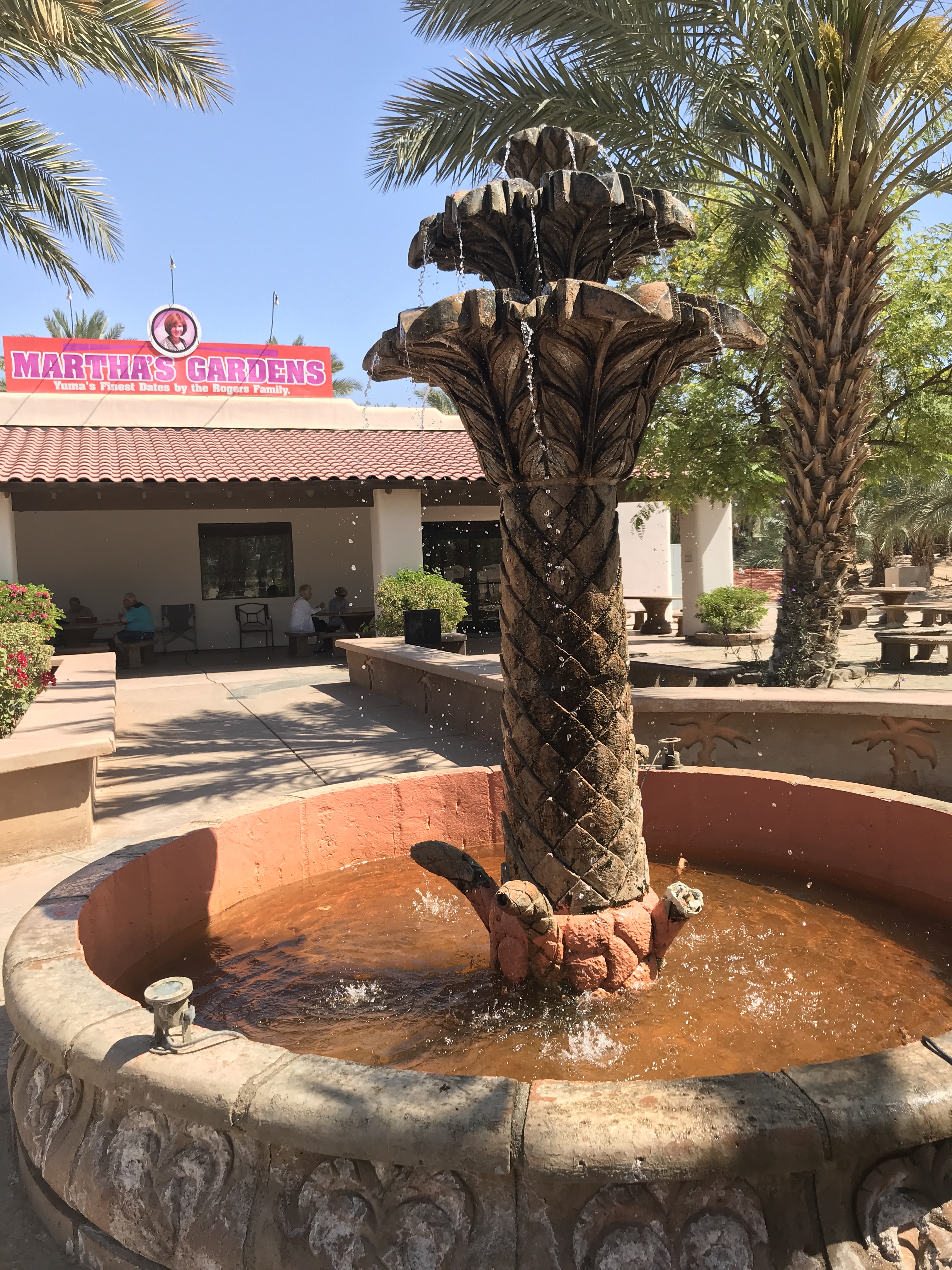
We learned all about date farming with a visit to Martha’s Gardens, here in Yuma. After sharing a delicious date shake by the courtyard fountain, we headed home taking the road less traveled.

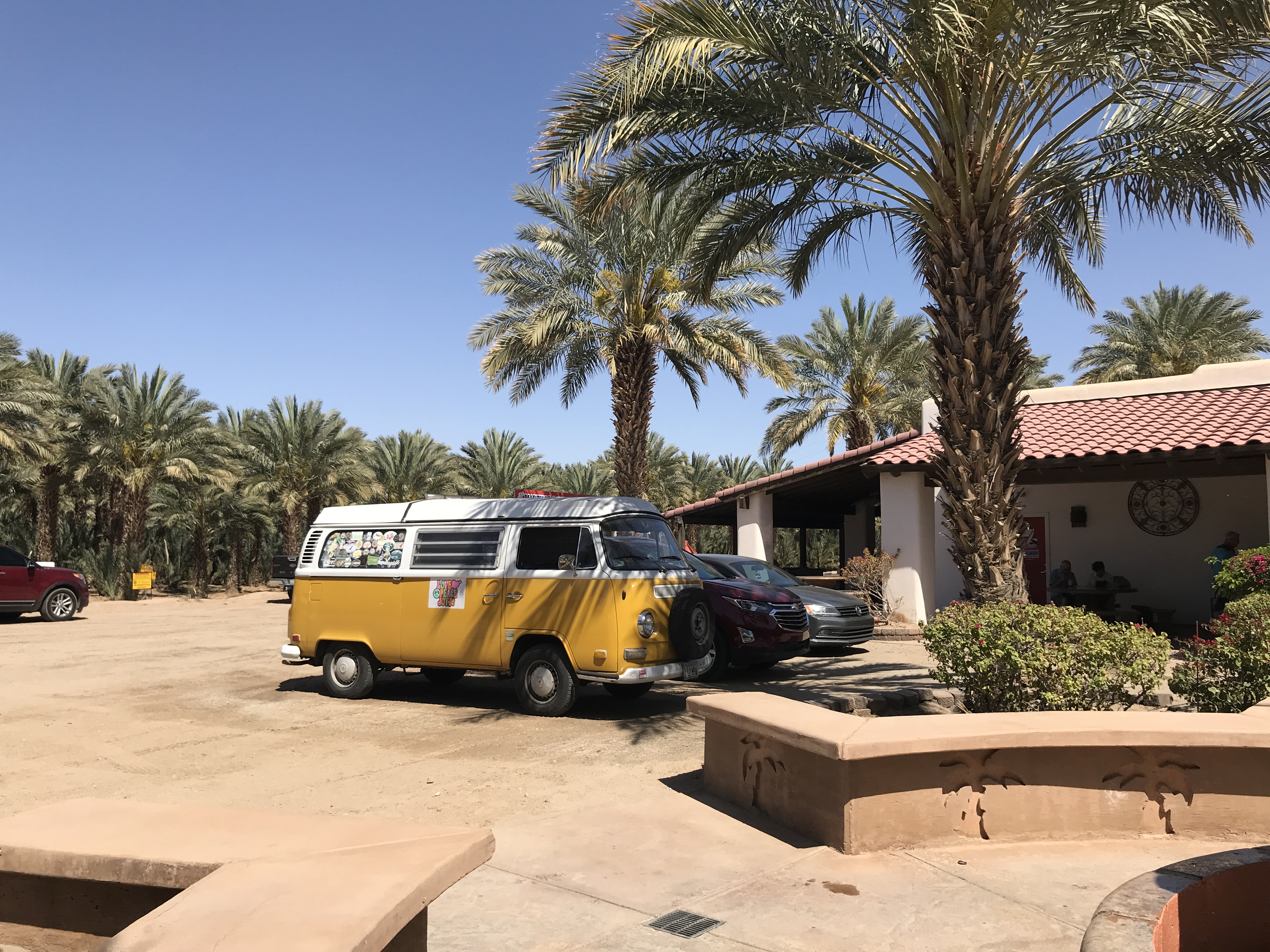
After 1.5 miles of sketchy sandy trails, we determined the large CAT bulldozer parked on the trail was a good indicator that we were not on a sanctioned road! We carefully re-traced our tracks in the dust and made it back out to the secure pavement. Watch the video below of this adventure for Mike the van!

Off-roading with Mike!
Categories: agritourism, arizona, desert hiking, epic road trip, responsible tourism, retirement travel, snowbirds | Tags: , , , , , , , , | 2 Comments

Dentists Know the Drill

Happy teeth

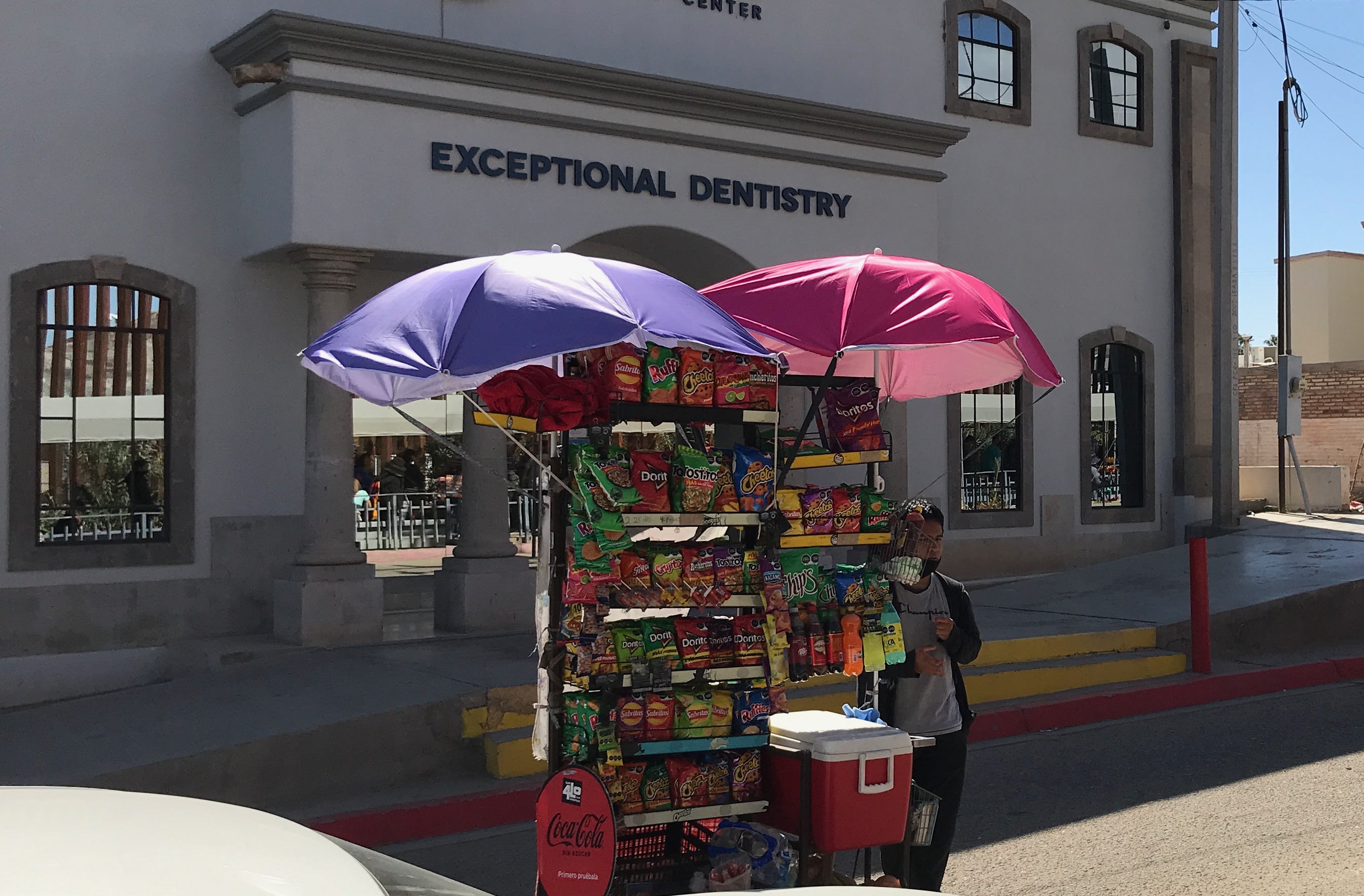
Joe visited Los Algodones, B.C., Mexico as a “dental tourist.” Joe was impressed with his new dentist and especially appreciated being asked about medication options; for example, he opted out of a local anesthetic for a simple front tooth side filling which saved money. His American dentists would have injected him as a matter of routine (and charged accordingly!). His extraction, crowns, and fillings cost about half of what we would pay in the U.S., even with our supplemental dental insurance, and the thousands of Canadian and American patients who flock to this small Mexican town prove that the care provided is safe and effective.

The town serves mainly retirees who are wintering here in the southwest desert. Formerly a small border town with a few bars, Los Algodones now boasts about 600 dentists and several major pharmacies offering generic prescription drugs at a fraction of the American and Canadian price tags. Josef Woodman, of Patients Beyond Borders, suggests that 65% of medical tourism is for dental care.

Why is dental care for seniors so expensive in the United States? According to the Medicare website, Medicare doesn’t cover most dental care, dental procedures, or supplies, like cleanings, fillings, tooth extractions, dentures, dental plates, or other dental devices. Supplemental premiums may be purchased, but the out-of-pocket expenses are prohibitive to most American retirees, and the policies mostly cover only routine checkups and cleanings. Most major procedures, such as root canals and crowns, are not covered.

Running a dental clinic in the U.S. is expensive largely due to malpractice insurance premiums and high rents for offices. Most American dentists also graduate with huge loads of student debt which gets passed on to their future patients. For the same education, using the same materials, laboratory equipment, and protocol as any dental school in the U.S., Mexican dentists pay less than ten percent of the college fees of American dental schools ($6K vs $70K in annual tuition). Joe’s Mexican dentist’s clinic is small (he rents space to one other dentist) and most new patients have been referred by a former patient. He has an excellent reputation for being thorough and friendly. Even dental-phobic folks have found this dentist to be reassuring and calming.

Everyone we met who has visited a Los Algodones dentist raves about the professionalism, the English-speaking staff, and the ease of making appointments by phone or online. Some of our Westwind RV friends from Canada have been using the same Mexican dentist since first retiring more than a decade ago. Some clinics offer shuttle service between the Yuma, AZ airport and Los Algodones. Most people park in the large lot on the U.S. side and walk across the border.

Daytrip tourists queuing to return to the United States.

While Joe was at the dentist, I and our friends visiting from Colorado, amused ourselves wandering the shopping alleys and enjoyed shrimp tacos for lunch. We’ll be back next year.

Categories: dental tourism, fulltime RV life, retirement travel, snowbirds | Tags: , , , , , , , , , , , , , , | 1 Comment

#Travelcat

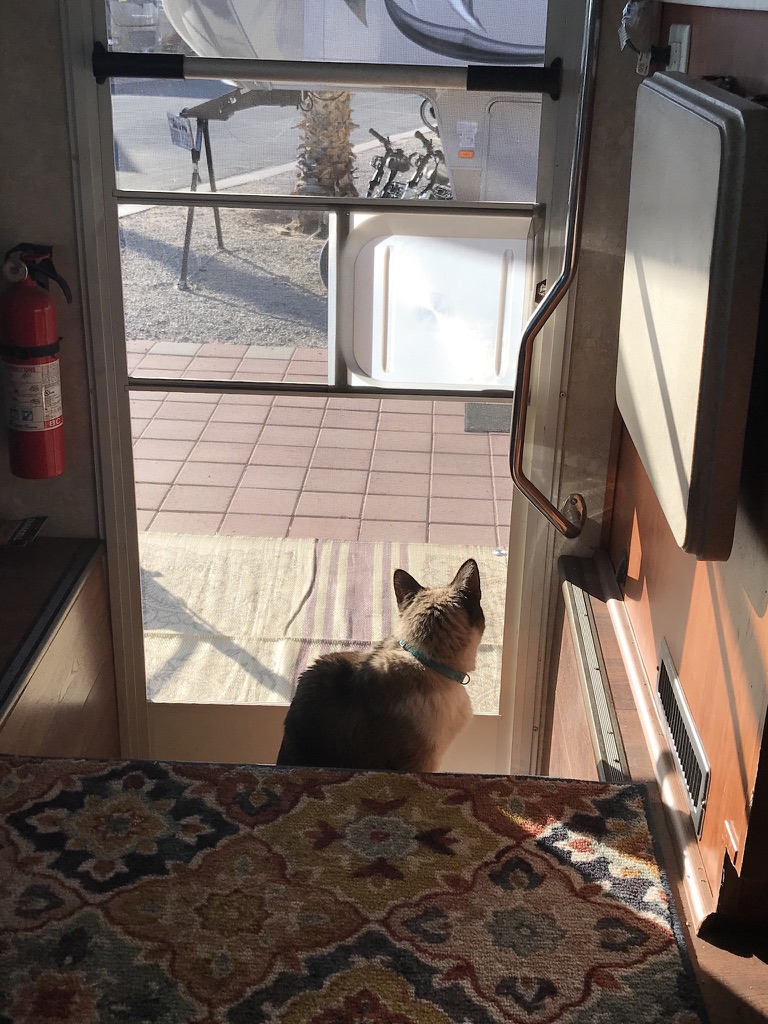
Sugar in the front window of Cornelia

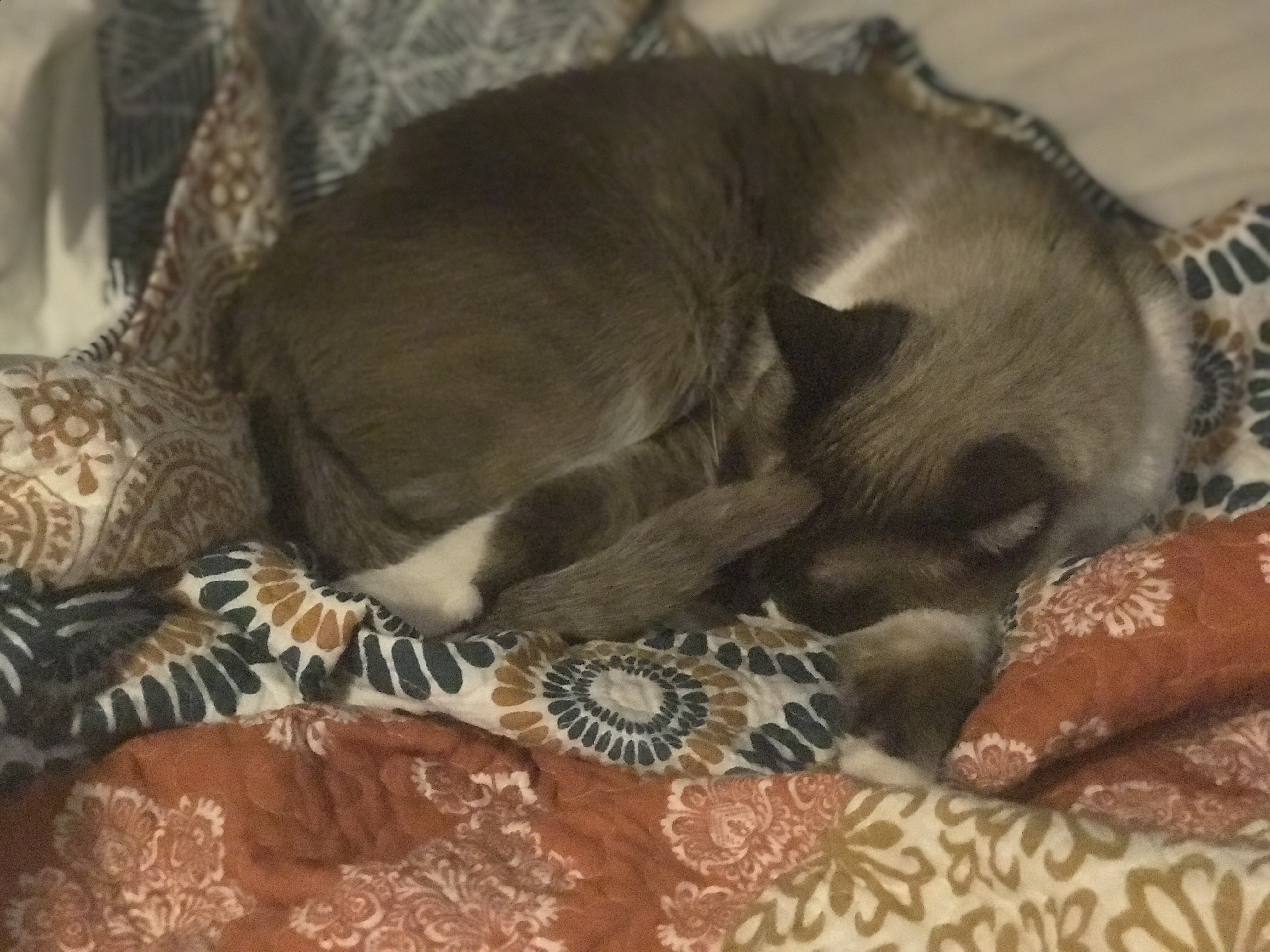
Last September, we were grieving the loss of our beloved animal companions, Molly and Denethor. As our thoughts turn to spring with the promise of growth and renewal, we are pleased to announce our new feline friend, Sugar, has joined our family.

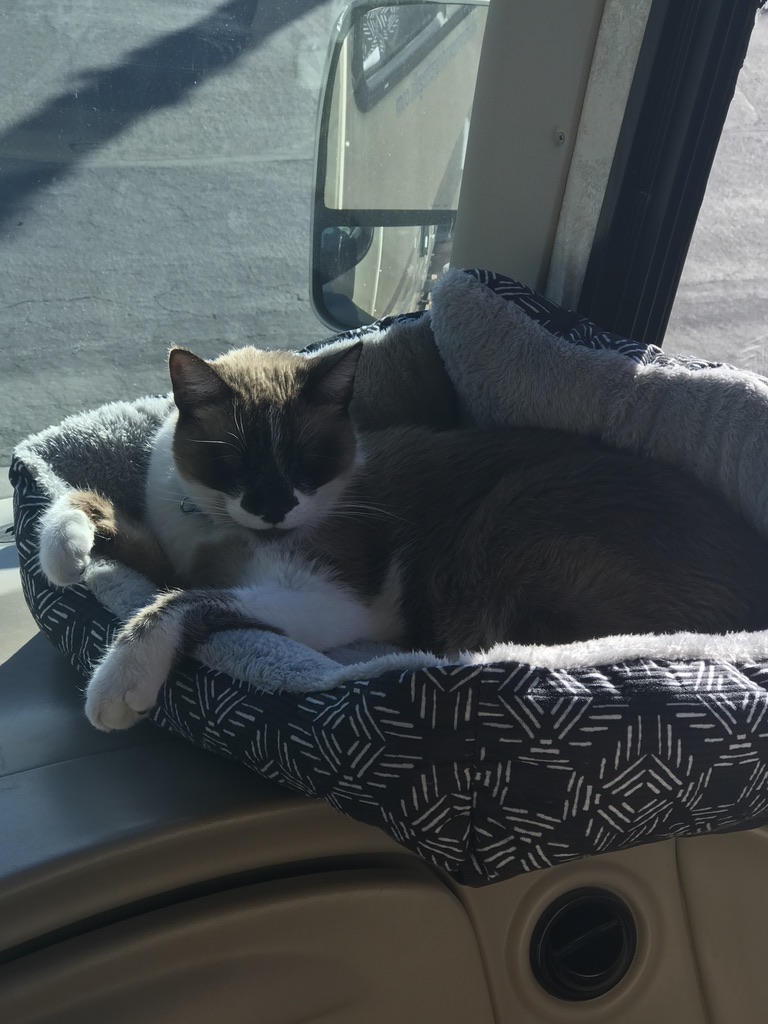
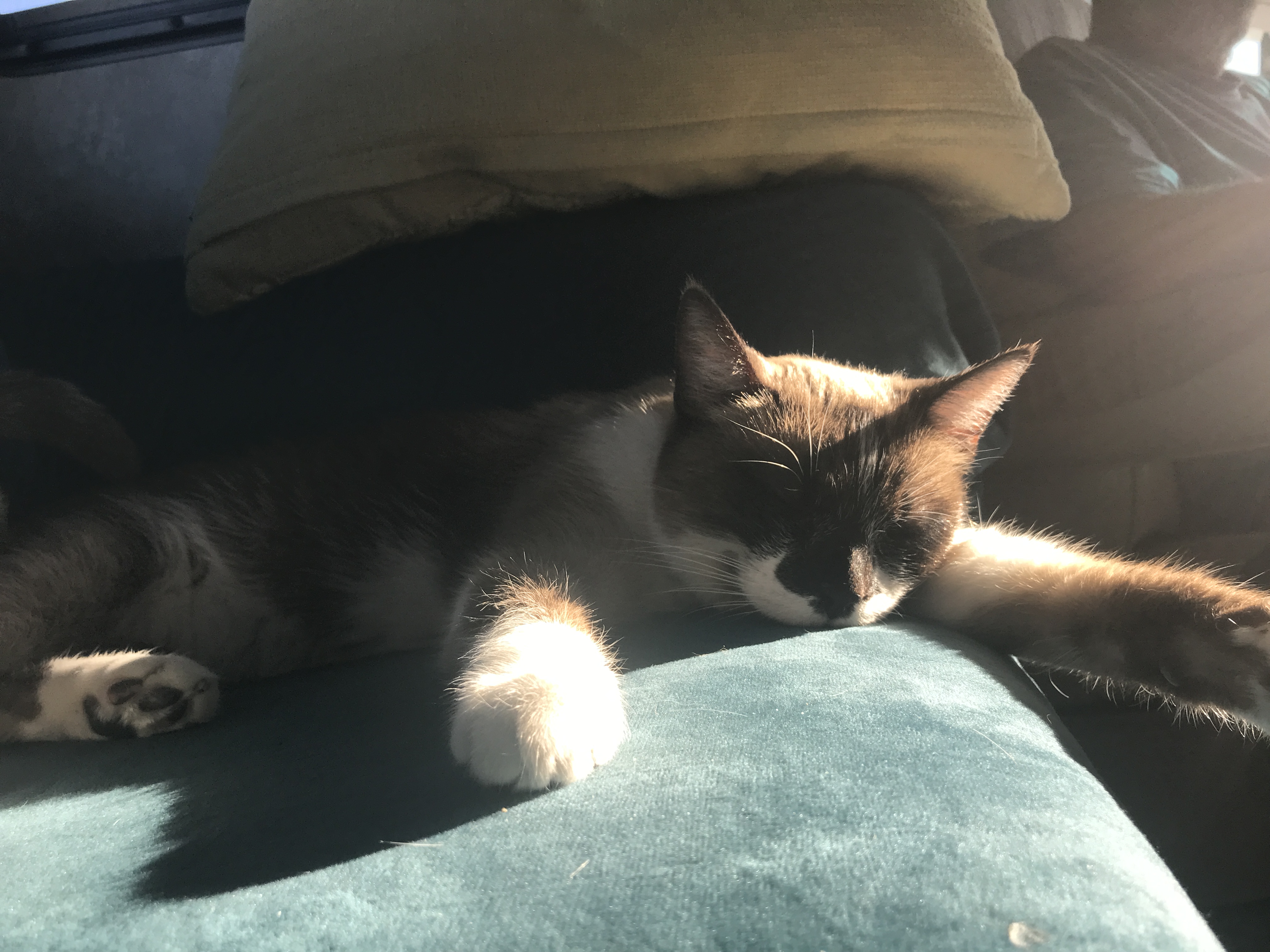
Sugar is approximately one year old and was surrendered by his former family due to health issues (in the human – Sugar is healthy). He is an Applehead Siamese mix, with lovely blue eyes and seal point markings, except on his white socks.

After a few days of decompressing, he is now settling into the rhythms of RV resort life and has claimed favorite perches in the front window, the stairwell, the end of the couch, and the middle of the bed. We are falling in love with him more and more each day.

You can follow the adventures of Sugar (pronounced “SHUG-ah”) on Instagram and Facebook.

Categories: fulltime RV life, retirement travel, RV living | Tags: , , , , , , , | 7 Comments

Baby, It’s Cold Outside

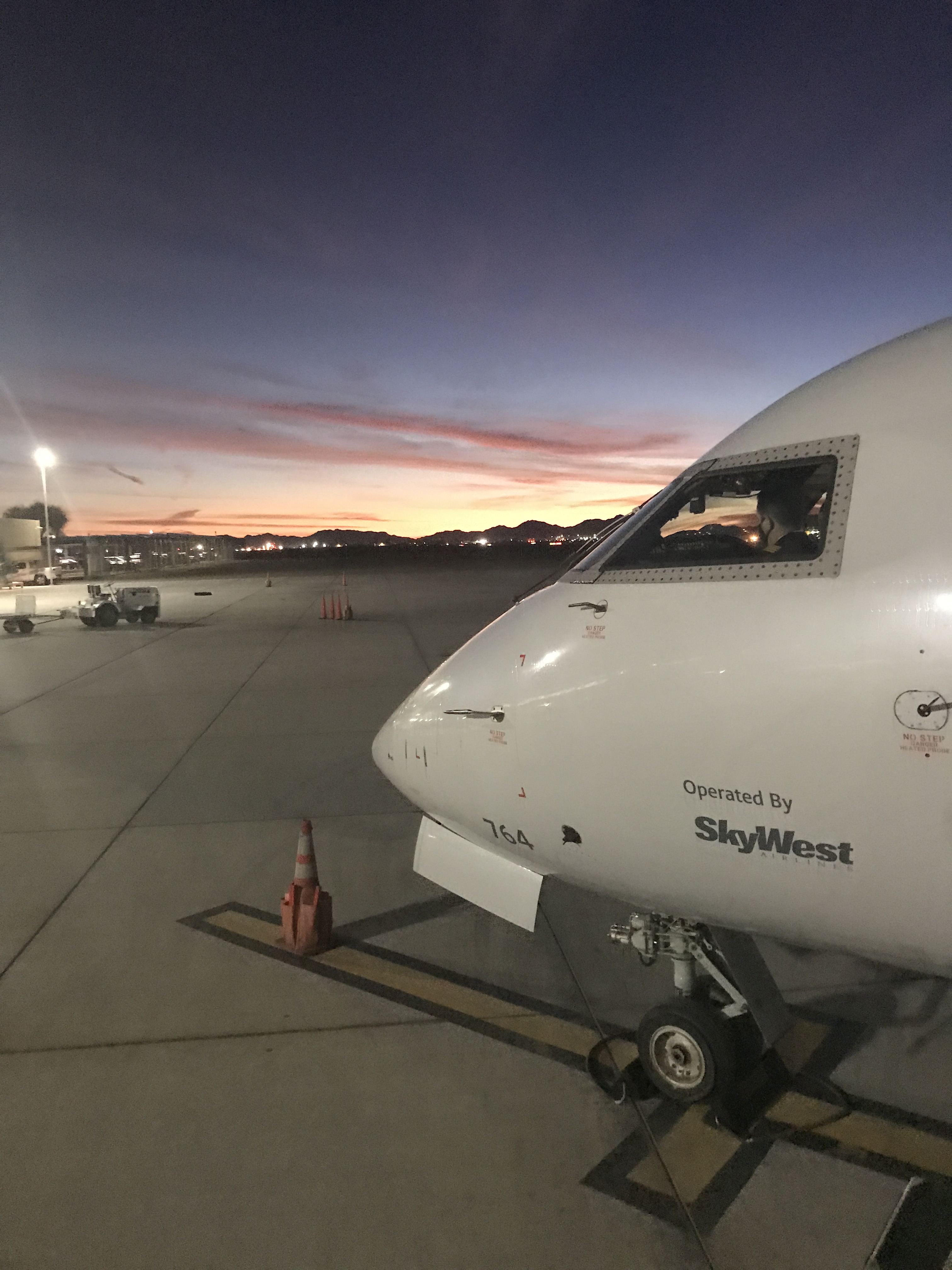
Leaving sunny Yuma at dawn
Warm clothes donned for 2700+ mile journey to the Northeast in January
Totally worth every snowflake to visit with this cutie for ten days!

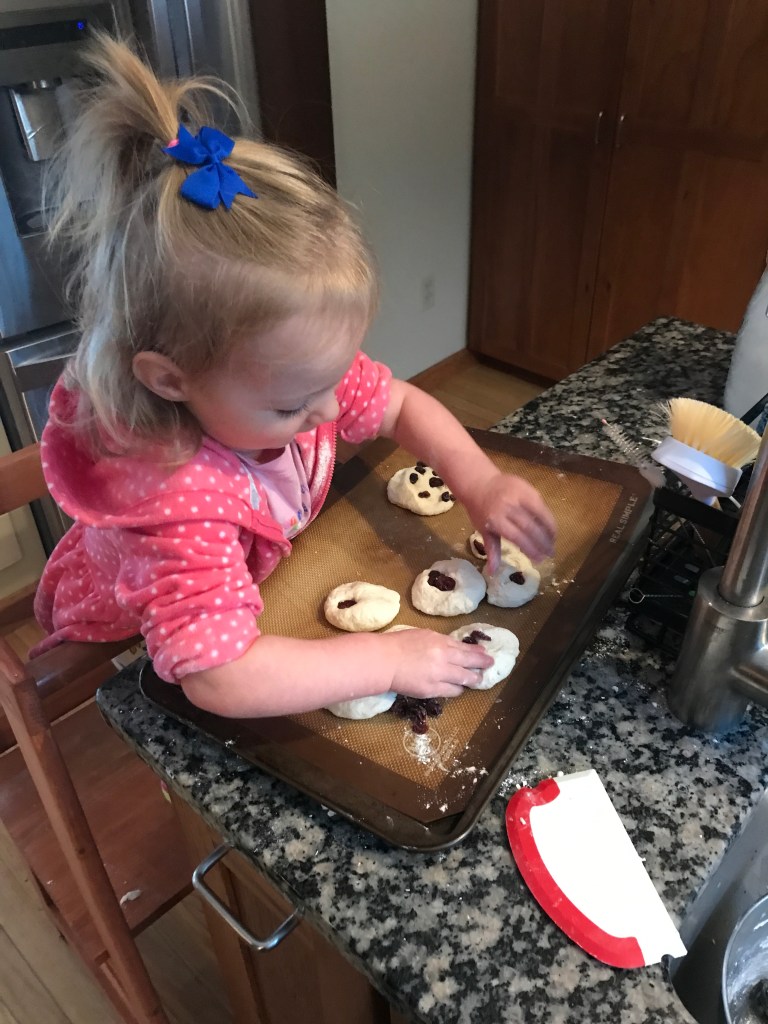
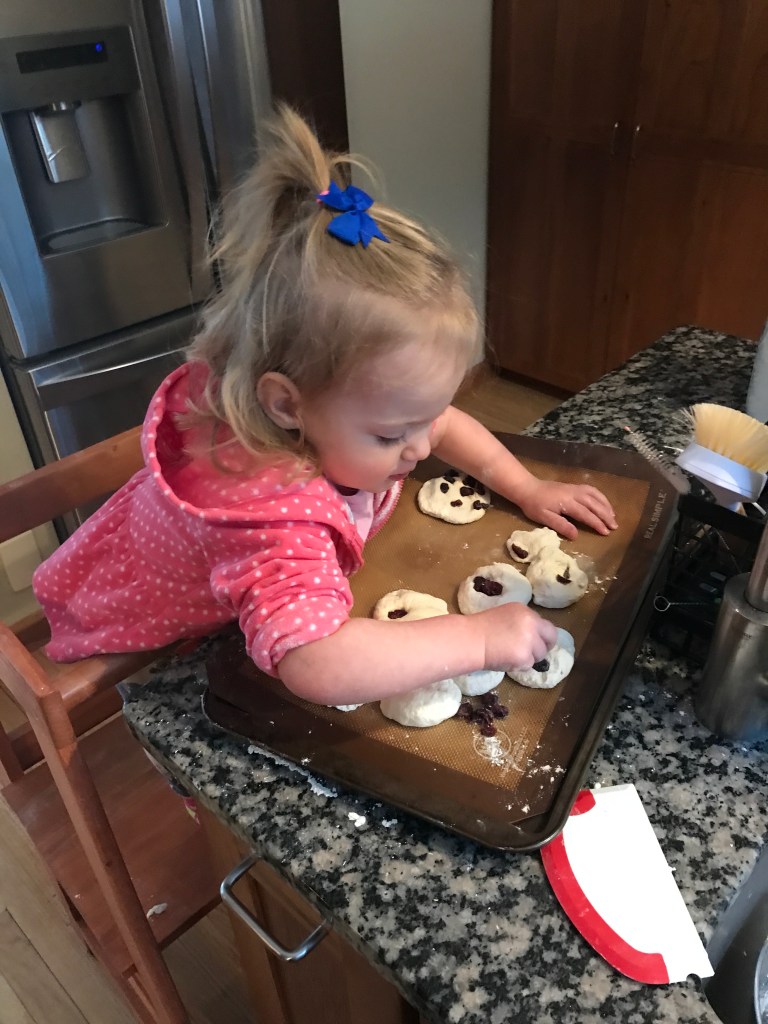
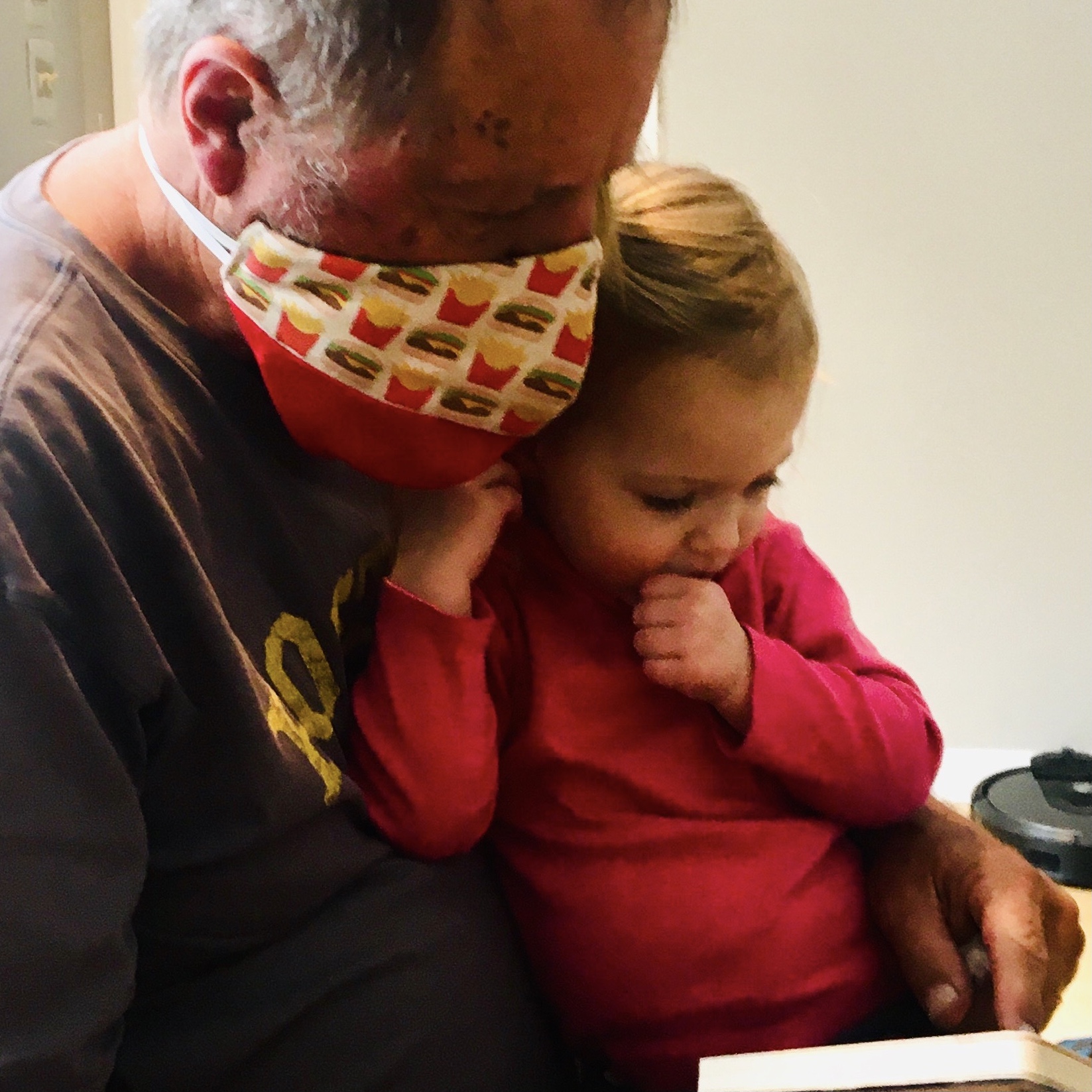
If you know Sarah, you know that cold, winter air is not a friend to her lungs. While Grampaw bundled up and ventured outside with our grandchild a few times, Nana remained indoors organizing toddler activities for our ten-day adventure in babysitting. We graduated from playdough to bread dough. We danced a billion times to “Baby Shark” and “Wheels On The Bus.” And we snuggled with lots of books!

Grampaw is the best reader!
Categories: nomads, retirement travel, snowbirds | Tags: , , , , , , , , , , , , | 4 Comments

New Year

Joe reads on the porch

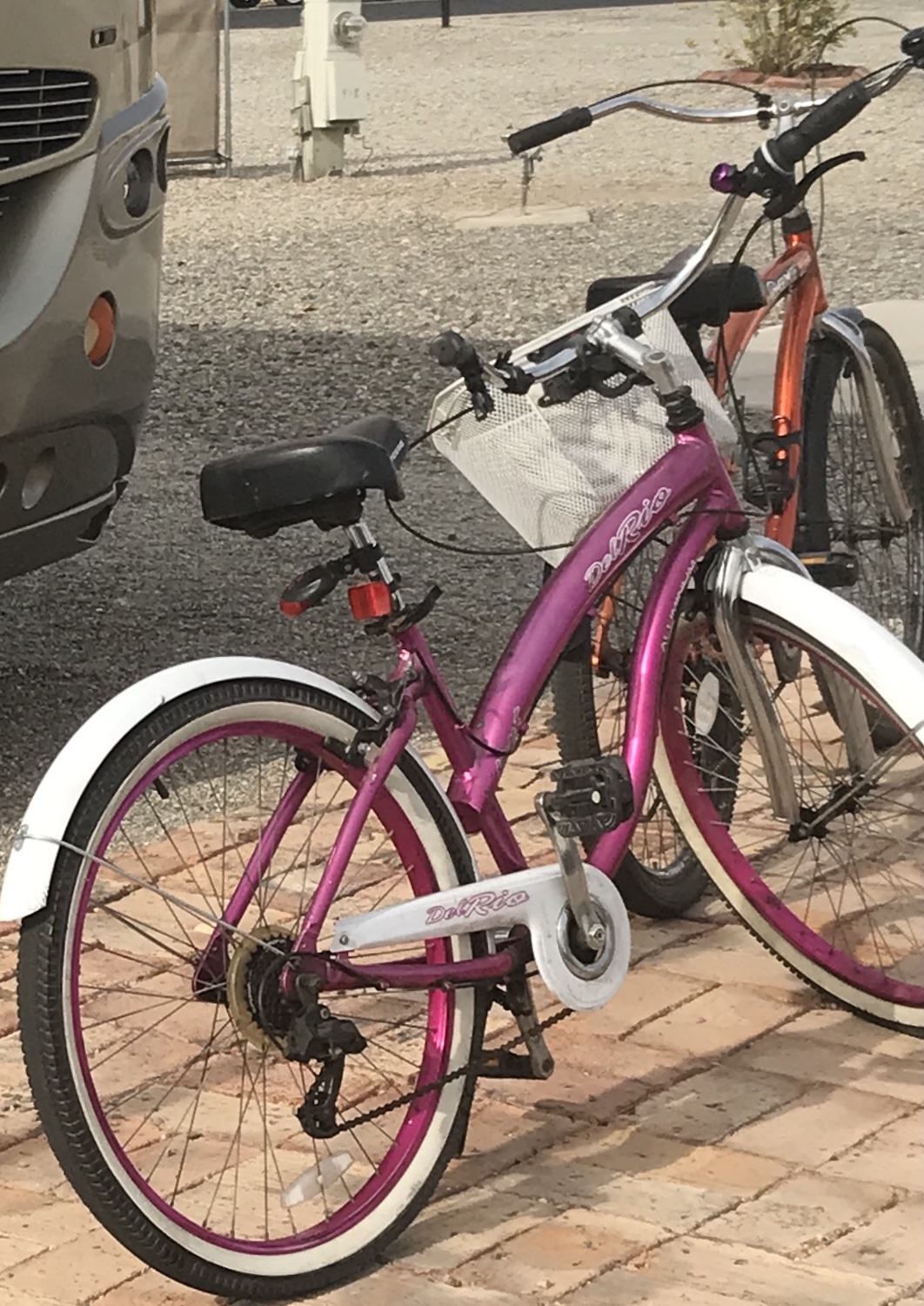
We welcomed 2022 in Yuma, Arizona. Santa brought us some bikes and a new portable propane firepit for us to enjoy outdoor living in the desert. We got our porch set up (photo above) with twinkly lights so we can read outside in the evenings. Sarah will likely add some more artistic touches as the winter goes on!

new-to-us bicycles
Mike and Cornelia waiting for Santa
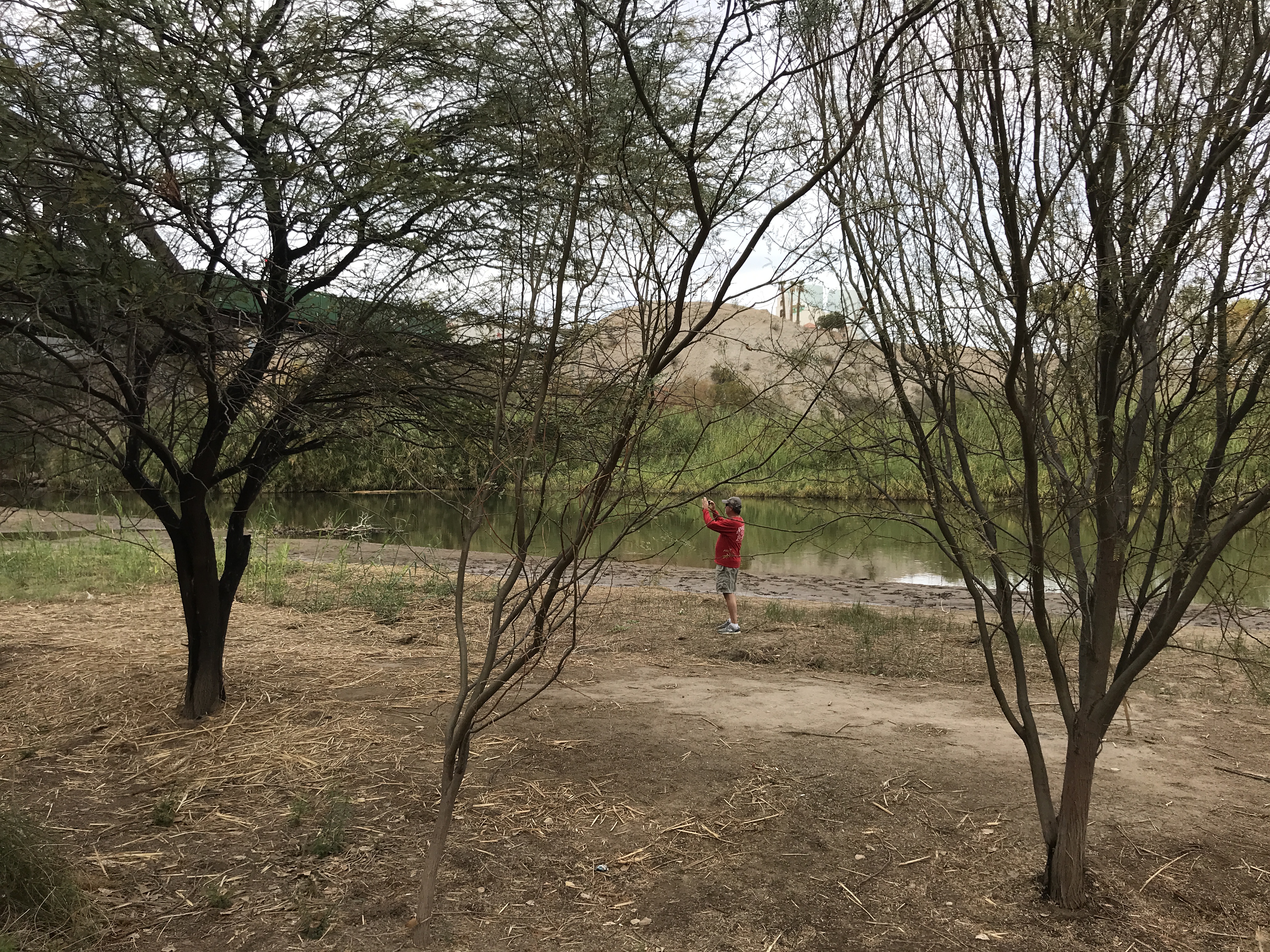
Trainspotting
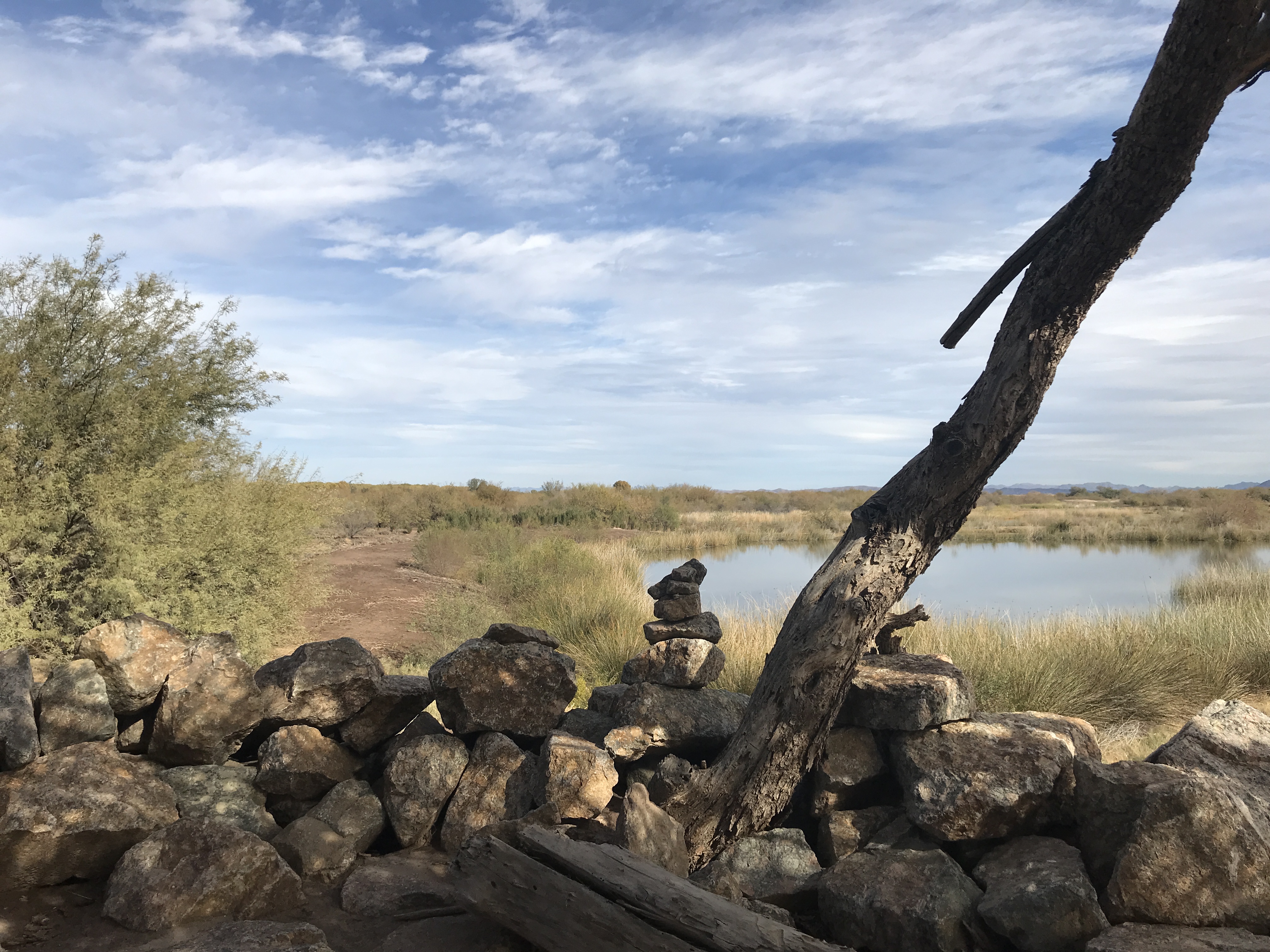
Wetlands restoration project at Yuma Crossing
National Heritage Area
Great Egret is just one of many birds rehabilitating the wetlands
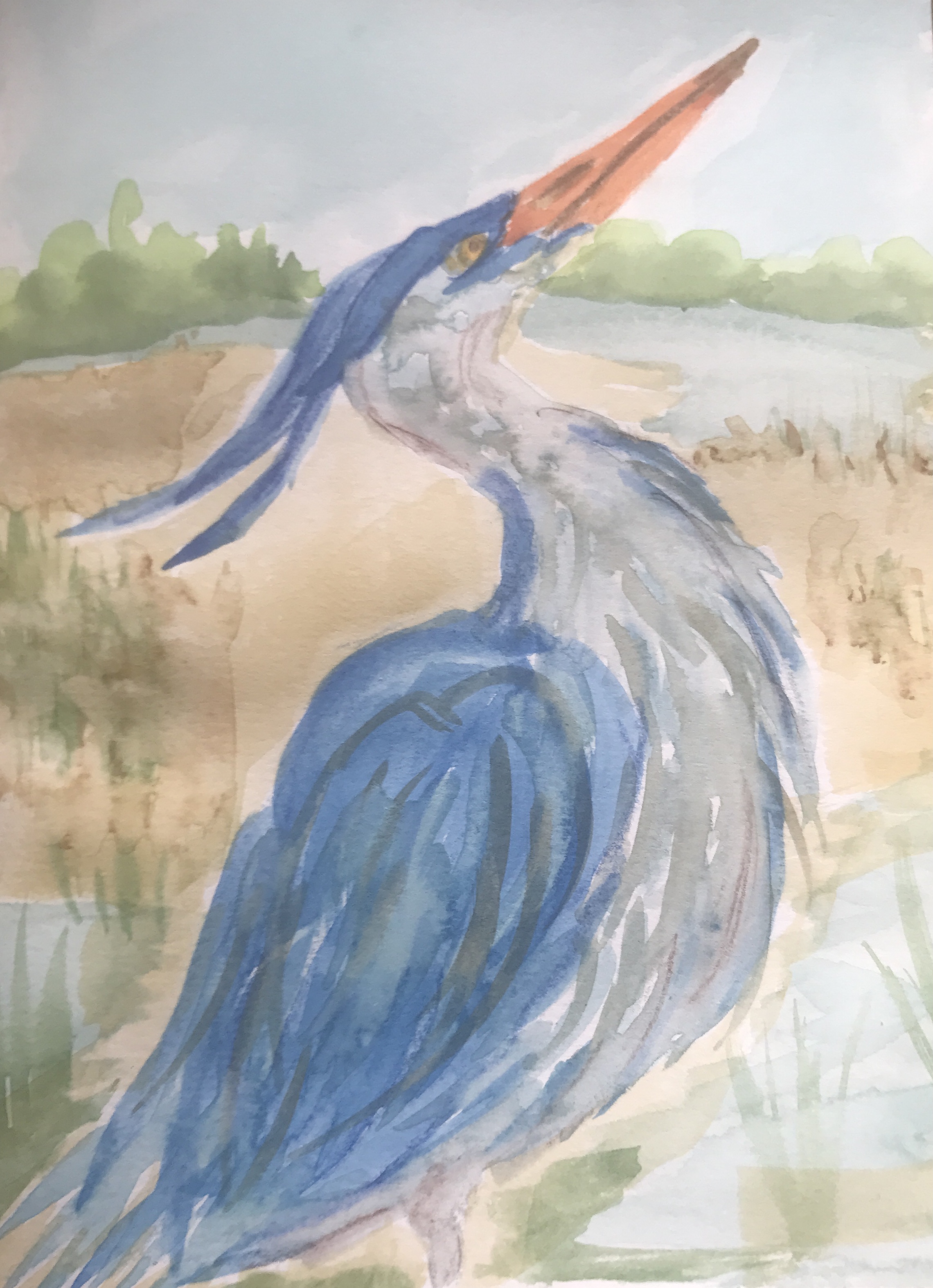
Blue Heron painted by Sarah
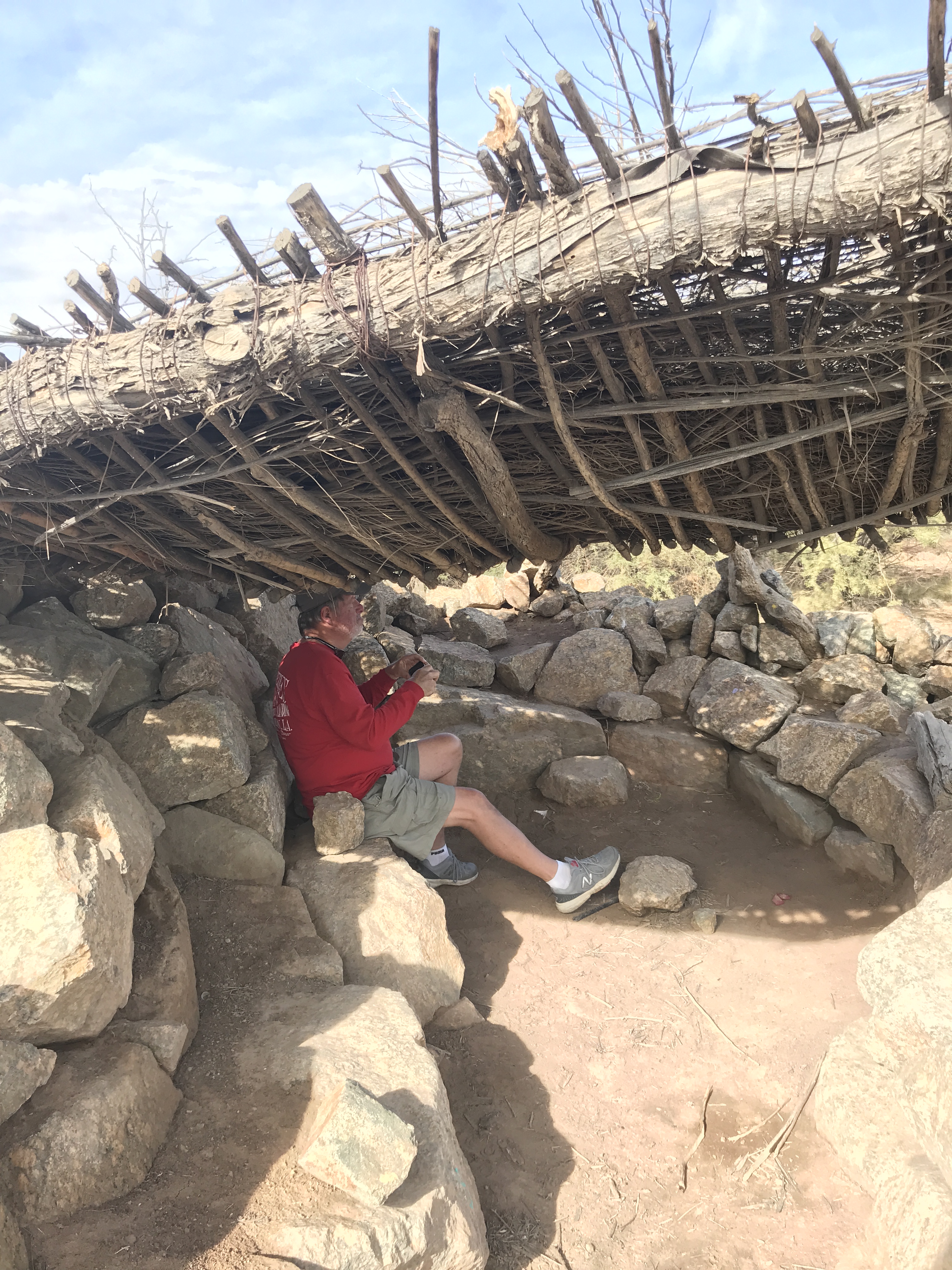
Rare species resting in primitive shade structure

GEO-QUIZ: Name the bridge where Joe is trainspotting.

Categories: arizona, desert hiking, fulltime RV life, geoquiz, responsible tourism, retirement travel, RV living, snowbirds | Tags: , , , , , , , , , , , | 7 Comments

Feliz Navidad

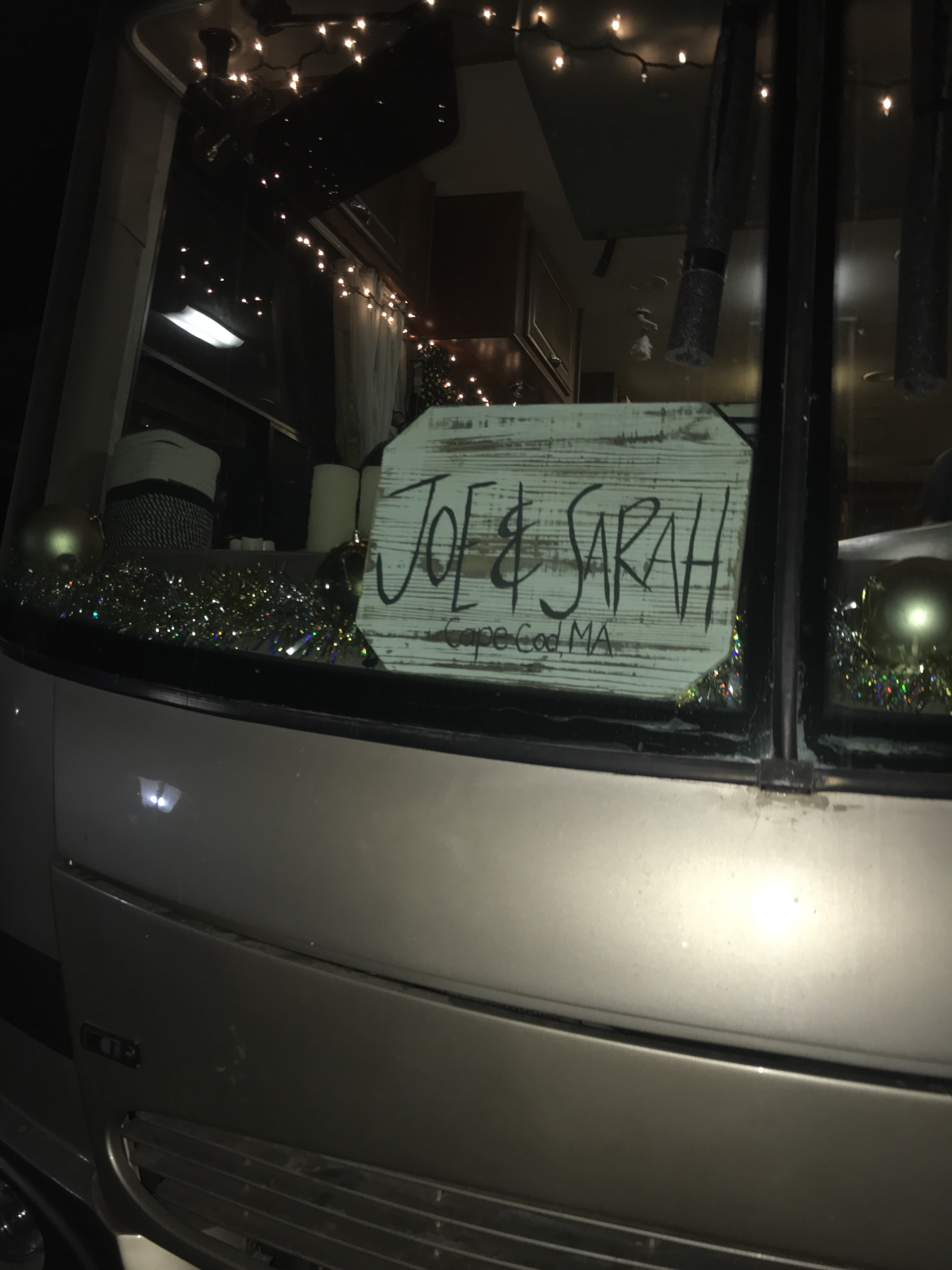
Merry Christmas from Joe & Sarah
Categories: fulltime RV life, nomads, retirement travel, RV living, snowbirds | Tags: , , , , | 2 Comments

Blog at WordPress.com.