We escaped the cold of Massachusetts and flew to Yuma, Arizona for two weeks of sunshine and visiting with our winter friends at Westwind and Araby Acres.
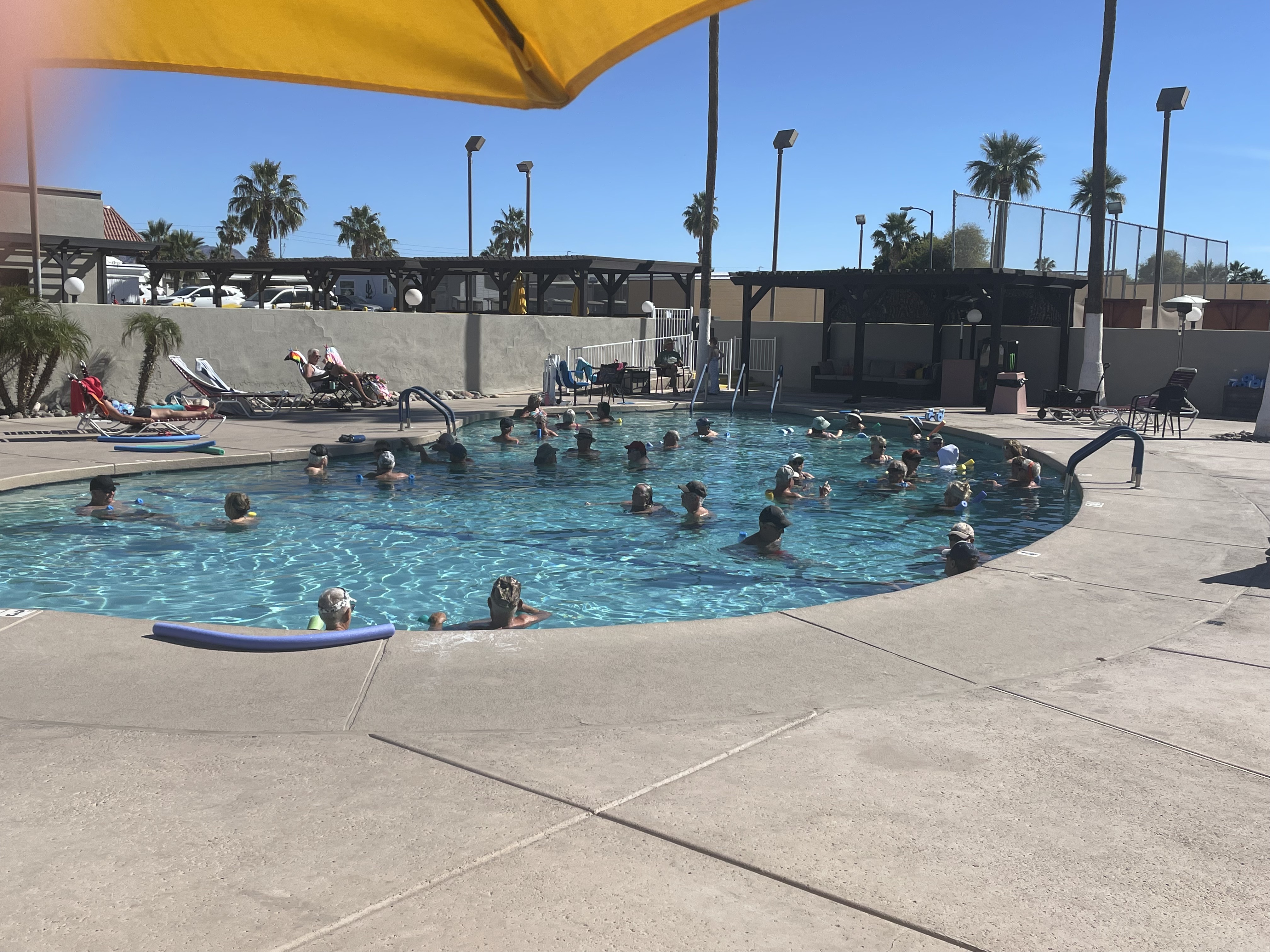
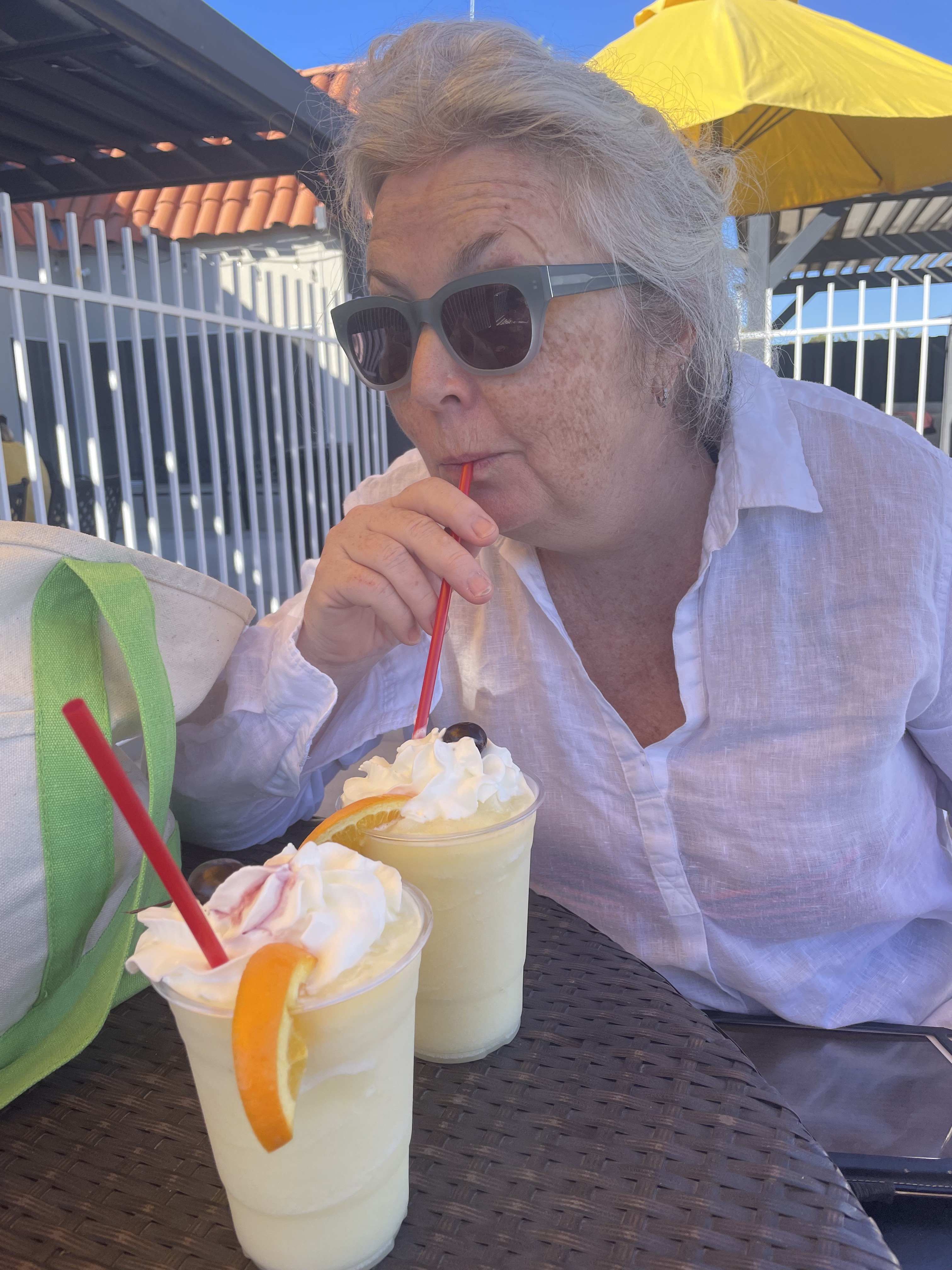
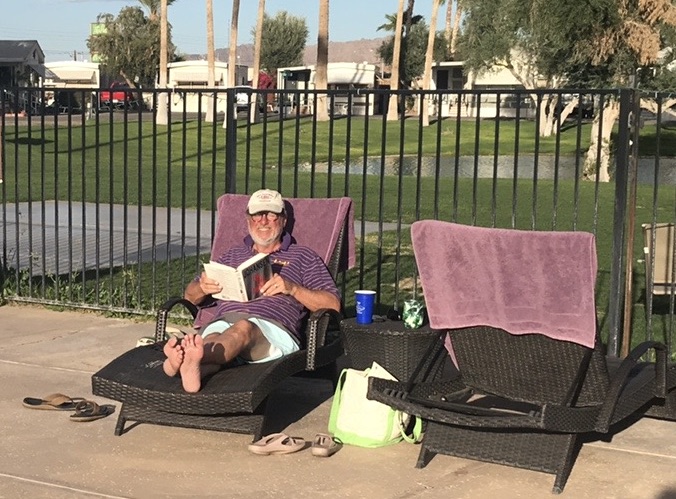
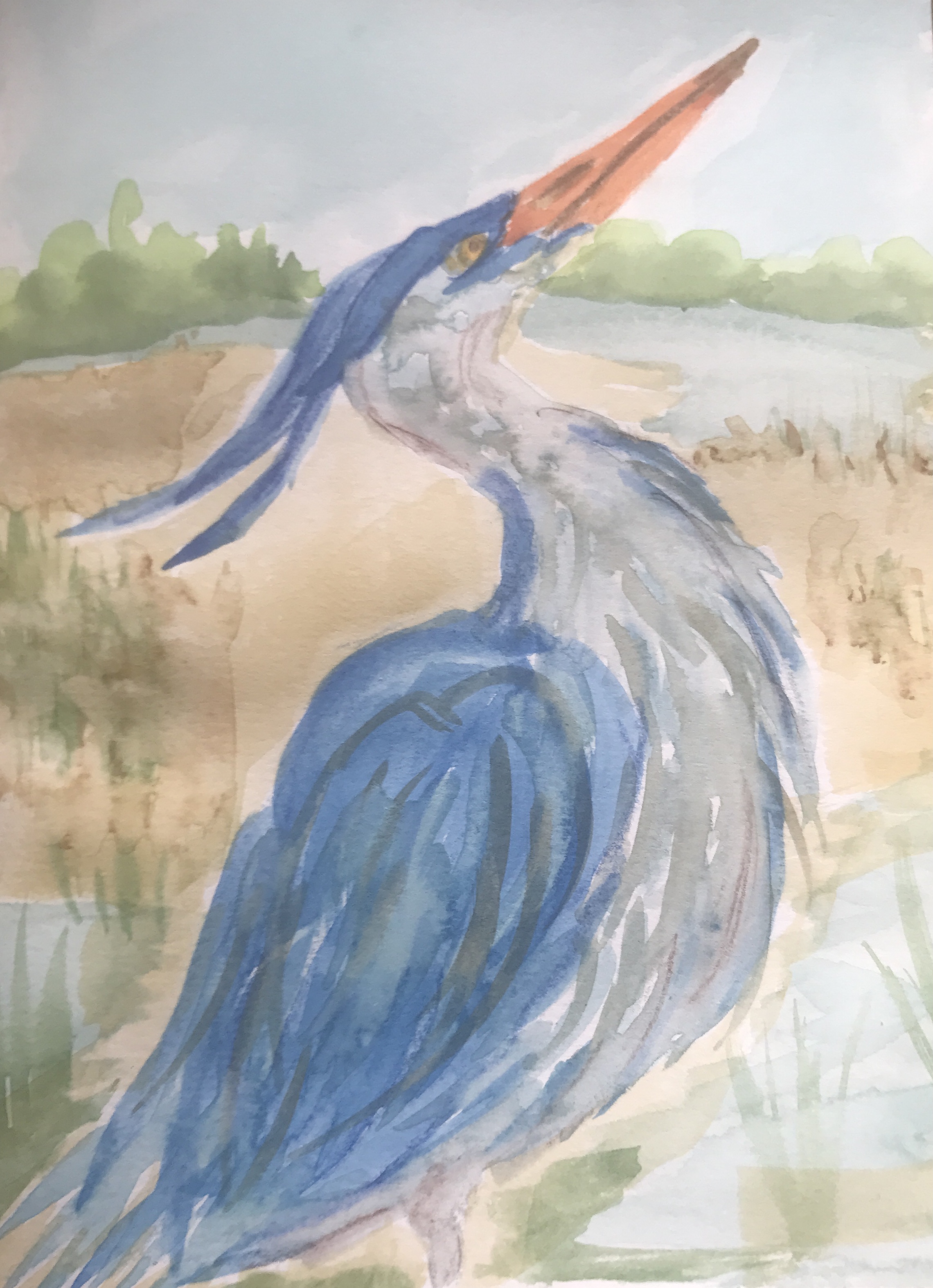
We floated in the pool every day, sipped piña coladas, and soaked up much-needed Vitamin D. We spent a day in Mexico, shopping in Los Algodones, where Joe visited his dentist and we enjoyed lunch, live music, and beers before heading home. We read, Sarah painted, and we grew a few new freckles.
Can you spot sun-safe Sarah in the pool?
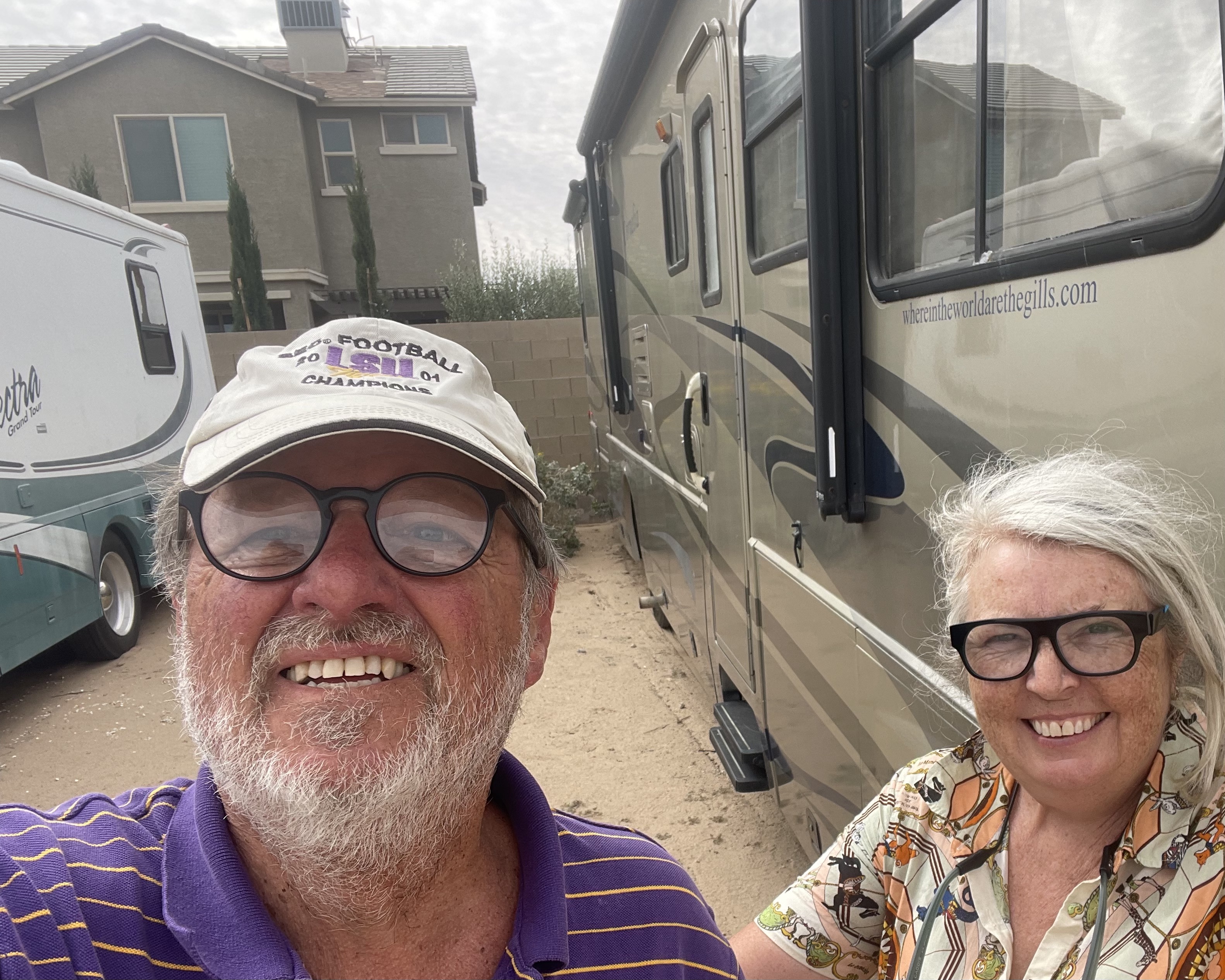
We found a new caretaker for Cornelia and said our goodbyes to our faithful RV home. She kept us safe and comfortable for four winters and we will miss her, but she is going to be well-loved by her new owner and will continue to live in the desert.
This winter we were kept busy with puppy training, in addition to our usual schedule of fun in the sun with our snowbird pals. Most days, we would head to the pool around lunchtime for a floating visit with friends. Stories were spun and jokes were shared and we all had a good time not shoveling snow.
Joe golfed on a few occasions and thought about joining the pickleball craze, but they start playing at 8:00 a.m. which is way too early to be bouncing around competitively!
Sarah quilted, joined a crafty card-making group, and painted a bit. We both read a lot of books and on colder evenings, watched Arizona PBS Check, Please and Finding Your Roots.
We flew back east for a long weekend visit with our grandchild to watch the Super Bowl. A quick road trip to Newport Beach for Joe to attend his Football Dinner gave Journey a chance to stick her paws in the Pacific Ocean.
We are grateful for another winter in the southwest desert. Thanks to all who came to visit us this season!
Adopting another dog, after Molly, was not a sure thing for us. In our marriage, we have been blessed with three extraordinary dogs, all adopted as adults/seniors. Shasta taught us the benefits of living with a retired service dog and Molly eventually completed training to work as Sarah’s service dog. When we started to look for a new dog, we were daunted by how the rescue/foster system has devolved into a money-making cottage industry. Folks are adopting the best-behaved dogs from the shelters and then re-packaging them as available for adoption for huge “re-homing” fees, rivaling the cost of purchasing a pure-bred puppy.
We continued our research and met several candidates in shelters in different states. None of them passed all of the tests we had set; a potential service dog must be calm and relaxed, responsive when approached, and accept boundaries and training readily. A dog that is clearly frustrated, reactive to people or other dogs, has issues with resource guarding, or is overly sensitive to touch cannot easily be trained to work as a service companion. Hip health is also important. It has been more than thirty years since Sarah last raised a puppy and Joe has only lived with adult dogs. Puppies are a big commitment and require a huge investment of time and patience. But as our search for an adult rescue dog with potential for service training continued with no definite results, we started to consider the benefits of puppy-raising.
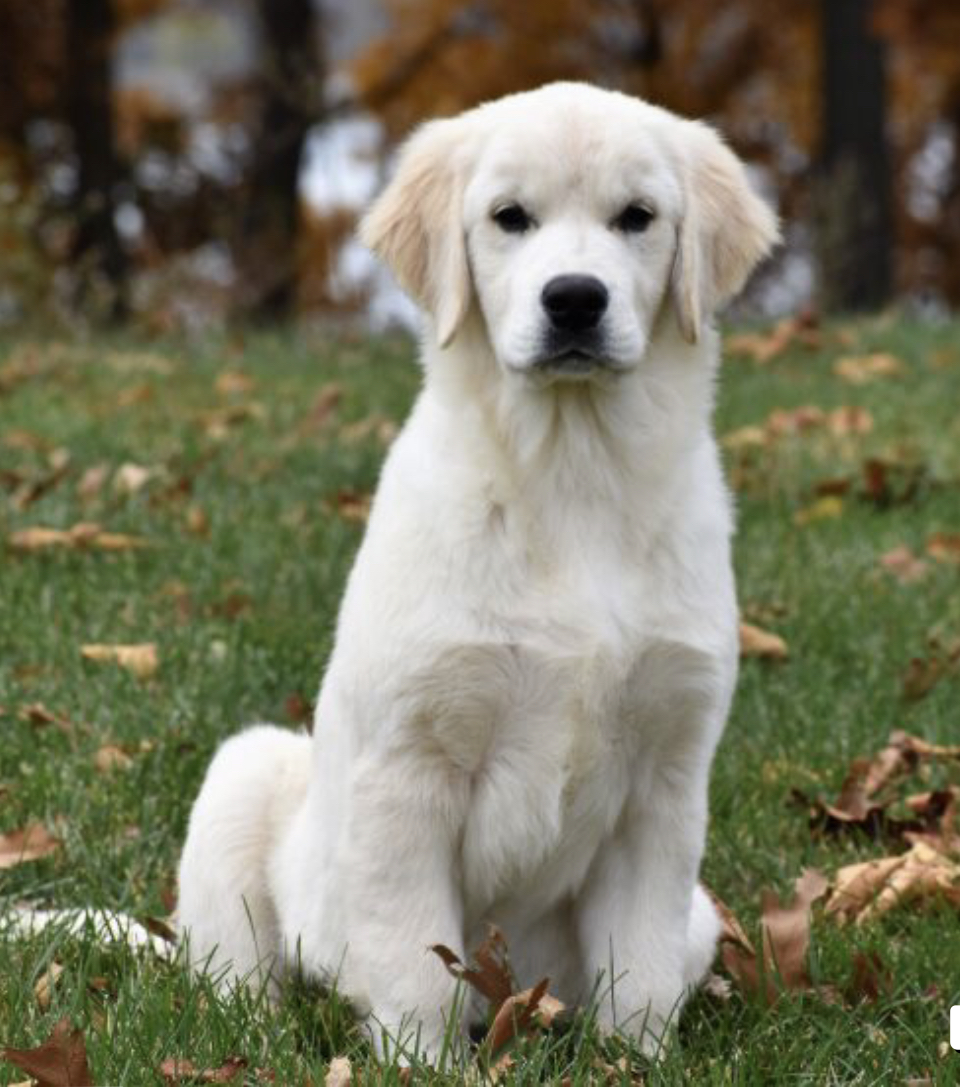
This youngster was born in Indiana last June at Foxwood K-9. This extraordinary kennel is powered by solar and geothermal systems and the dogs are raised with love. She was ready to come home to us at the end of November. Because we were getting ready to leave Cape Cod for the winter, it was tricky to figure out the best way for our new pup to get to us. Delivery options were compromised by airline restrictions so we landed on the idea of picking her up directly from the kennel in Shipshewana.
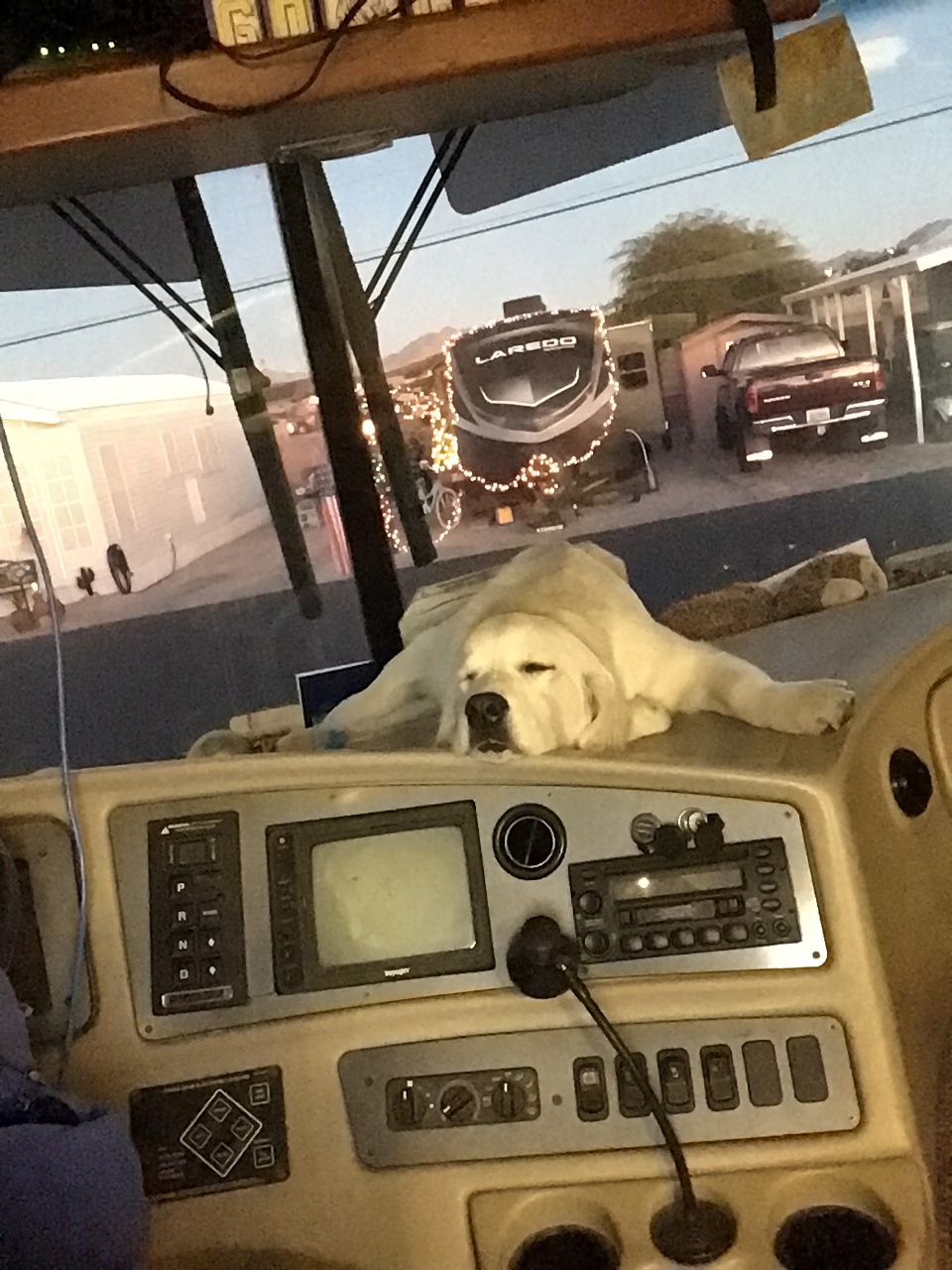
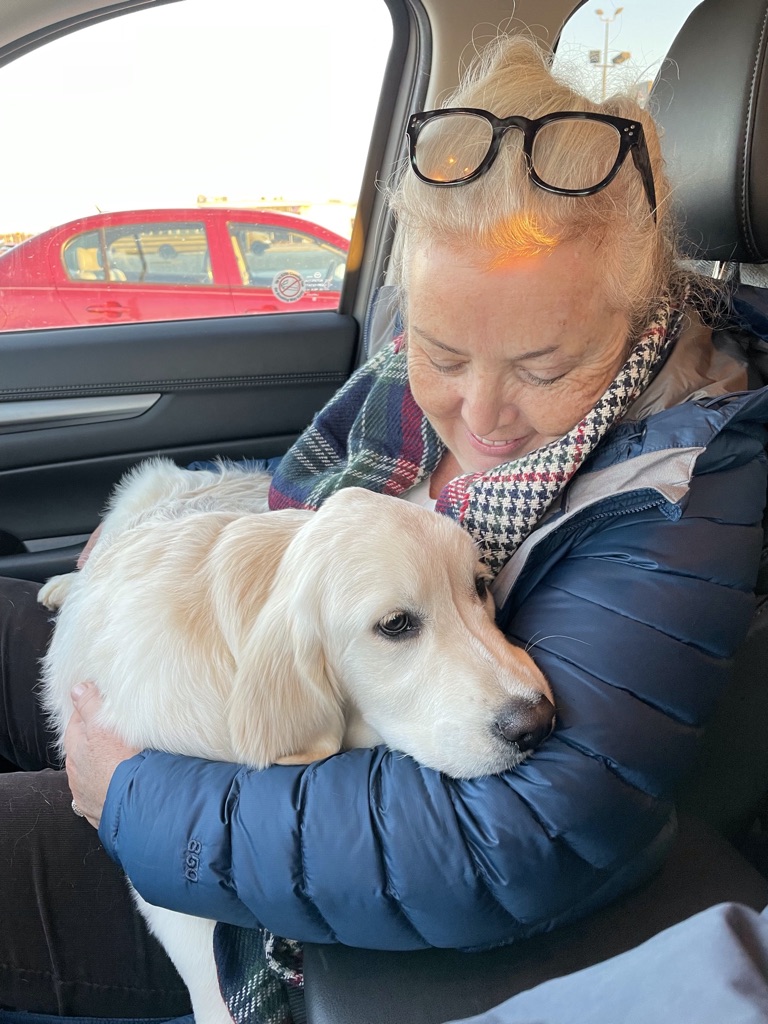
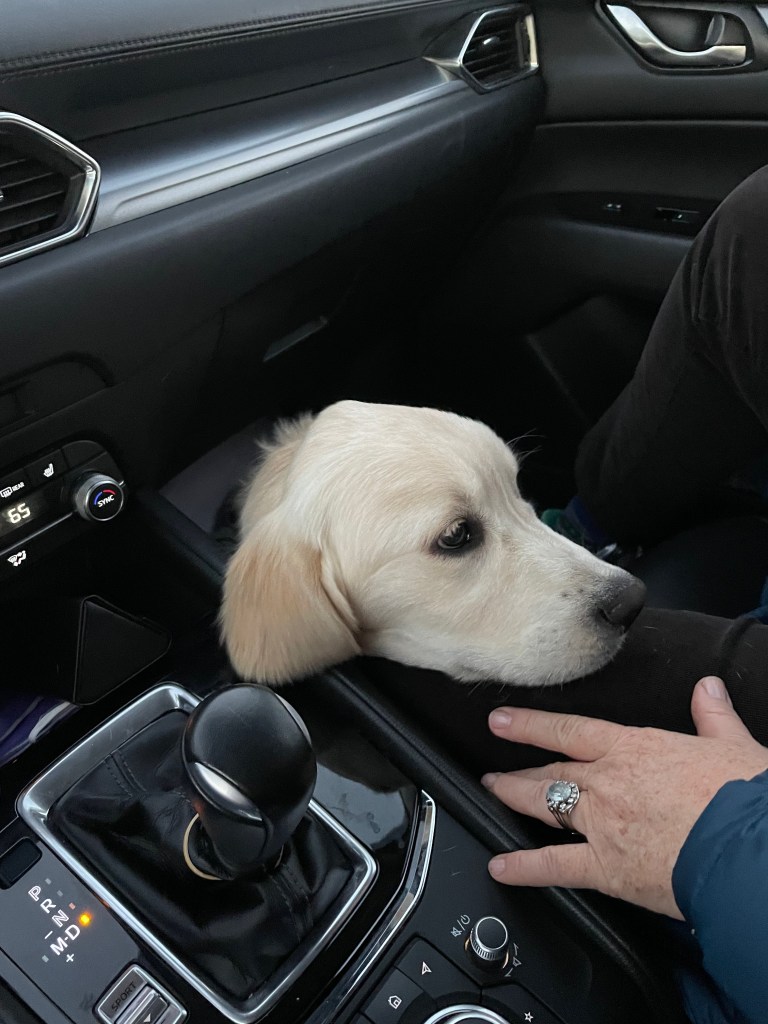
We flew to Detroit on a Tuesday morning, picked up a one-way rental car, and drove to Indiana. We picked up puppy supplies and the puppy and headed out west. Thank goodness she adapted to car travel without incident! Mornings were spent bonding with Sarah in the front seat and the rest of the afternoon was spent sleeping in her crate. The three nights in hotels were relatively easy as she slept in her crate without complaint.
On our second day, we passed a sign that said we were 90 degrees west of Greenwich – one-quarter of the way around the world! An hour later we saw Mark Twain’s boyhood home before crossing the Mississippi River into Missouri. Chillicothe, MO is the Home of Sliced Bread and Sarah was stoked to stop at Missouri Star Quilts. After lunch, we passed by the birthplace of Jesse James. And in Kansas City, we met Boon and his human who works at Bar K Dog Park. We slept in Hays, KS.
Thursday’s adventures included meeting a flock of chickadees in a pre-dawn cold walk before loading up the car and heading into Colorado where we gained another hour due to entering Mountain Standard Time. The temperature was a bit warmer (56 F) as we cruised through Denver and headed up into the Rocky Mountains. When Journey woke up after lunch we were at ten thousand feet elevation in Vail and found Bighorn Park to introduce her to the snow. We stopped in Green River, UT (pop. 847) for the night – known for watermelons and its annual Melon Fest.
Friday morning was a bit tense as we got caught in a blizzard coming over the summit to Salina, UT. While Journey slept blissfully unaware, Joe did a great job navigating the un-plowed road and we made it to Mom’s Cafe for breakfast by mid-morning. We time-traveled to Mesquite Dog Park (Pacific Time Zone) before steering into the megalopolis called Vegas.
Massachusetts, New York, Michigan, Indiana, Illinois, Missouri, Kansas, Colorado, Utah, Nevada, Arizona
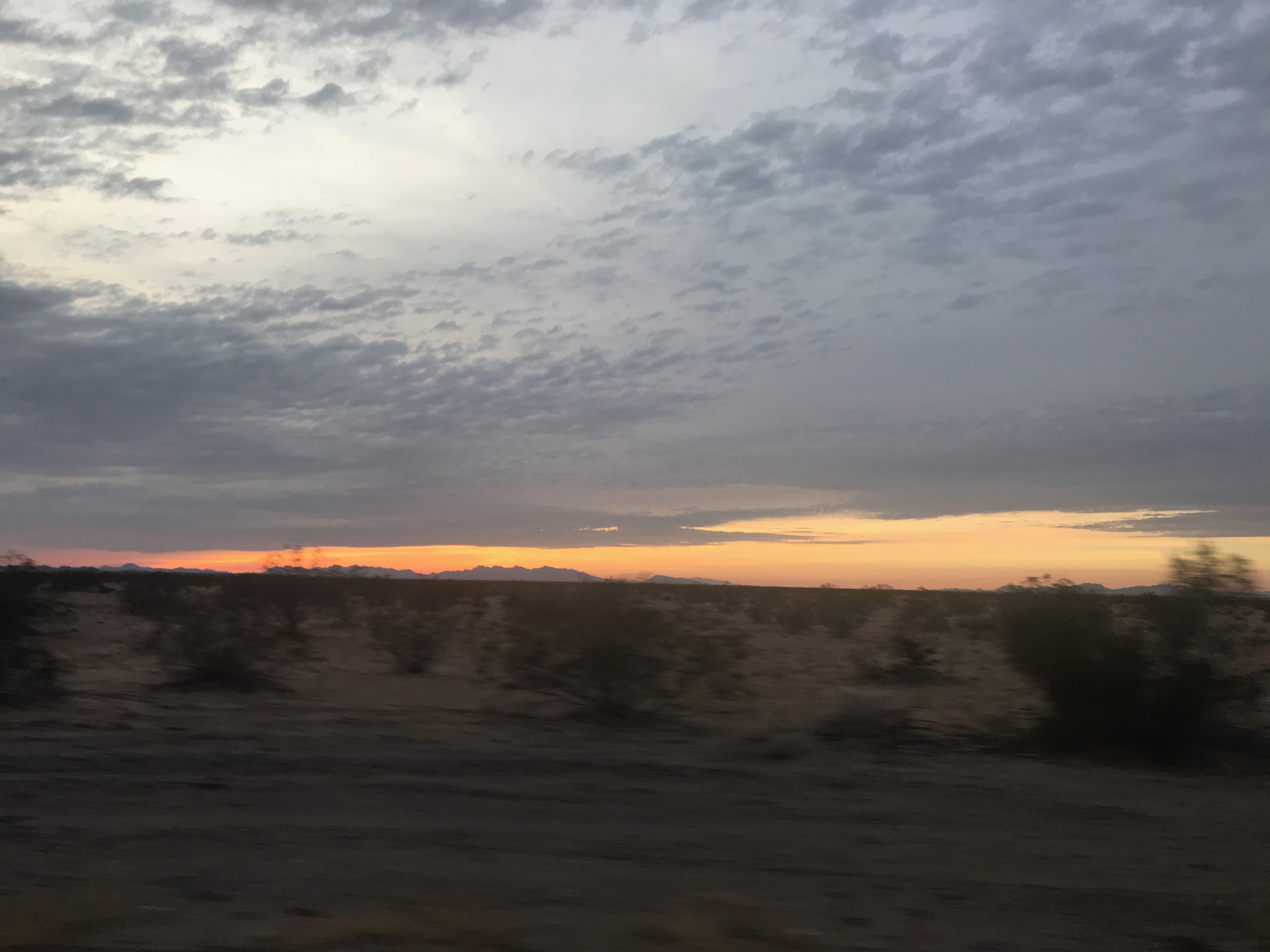
We saw a lot of sights and experienced a range of weather conditions (sun, rain, sleet, snow, winds, hail) on our journey cross-country. We returned the rental car in Las Vegas, picked up Mike (with his refurbished engine!) and after visiting our friends Friday night, we turned south to Yuma on Saturday morning.
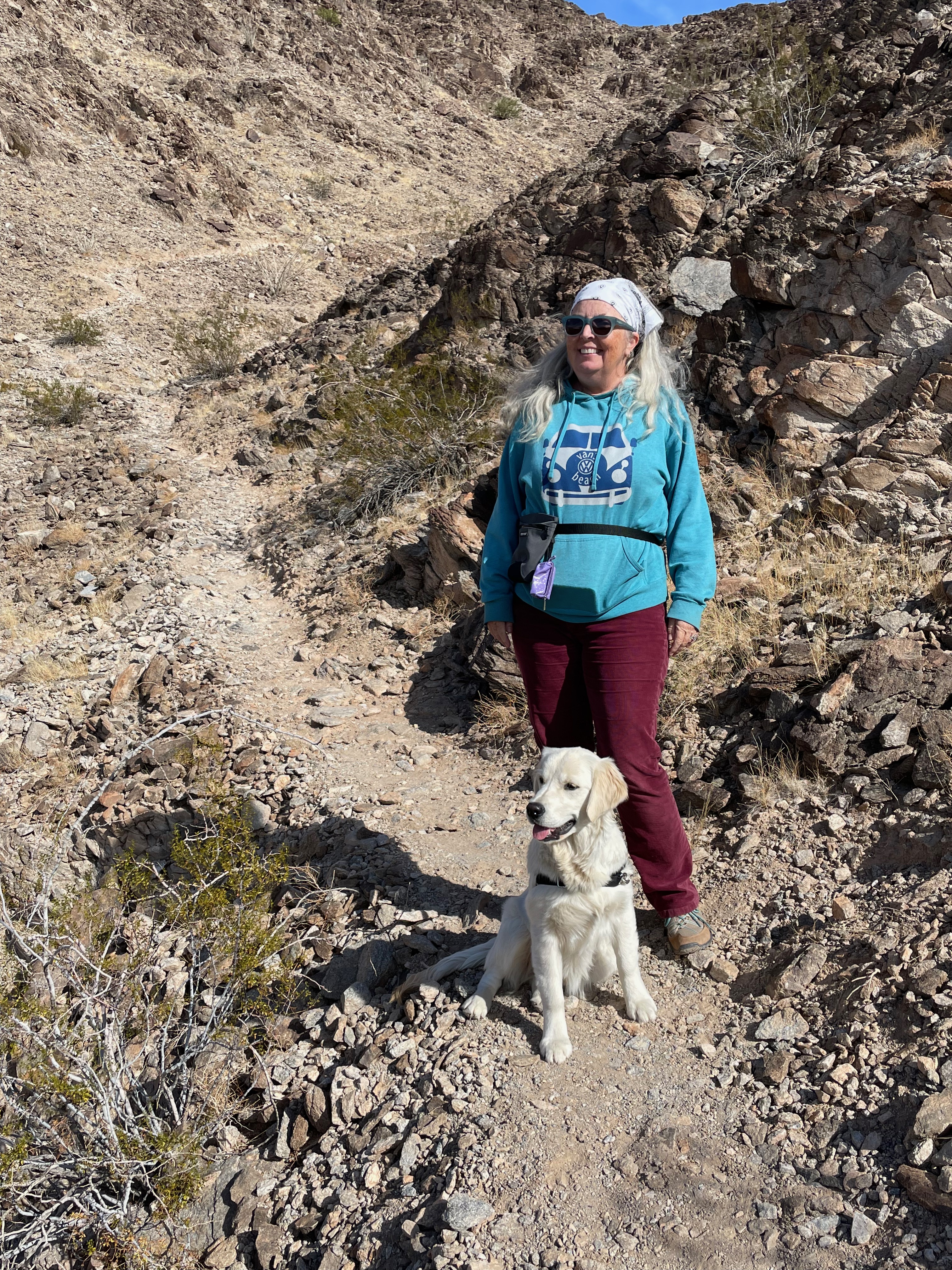
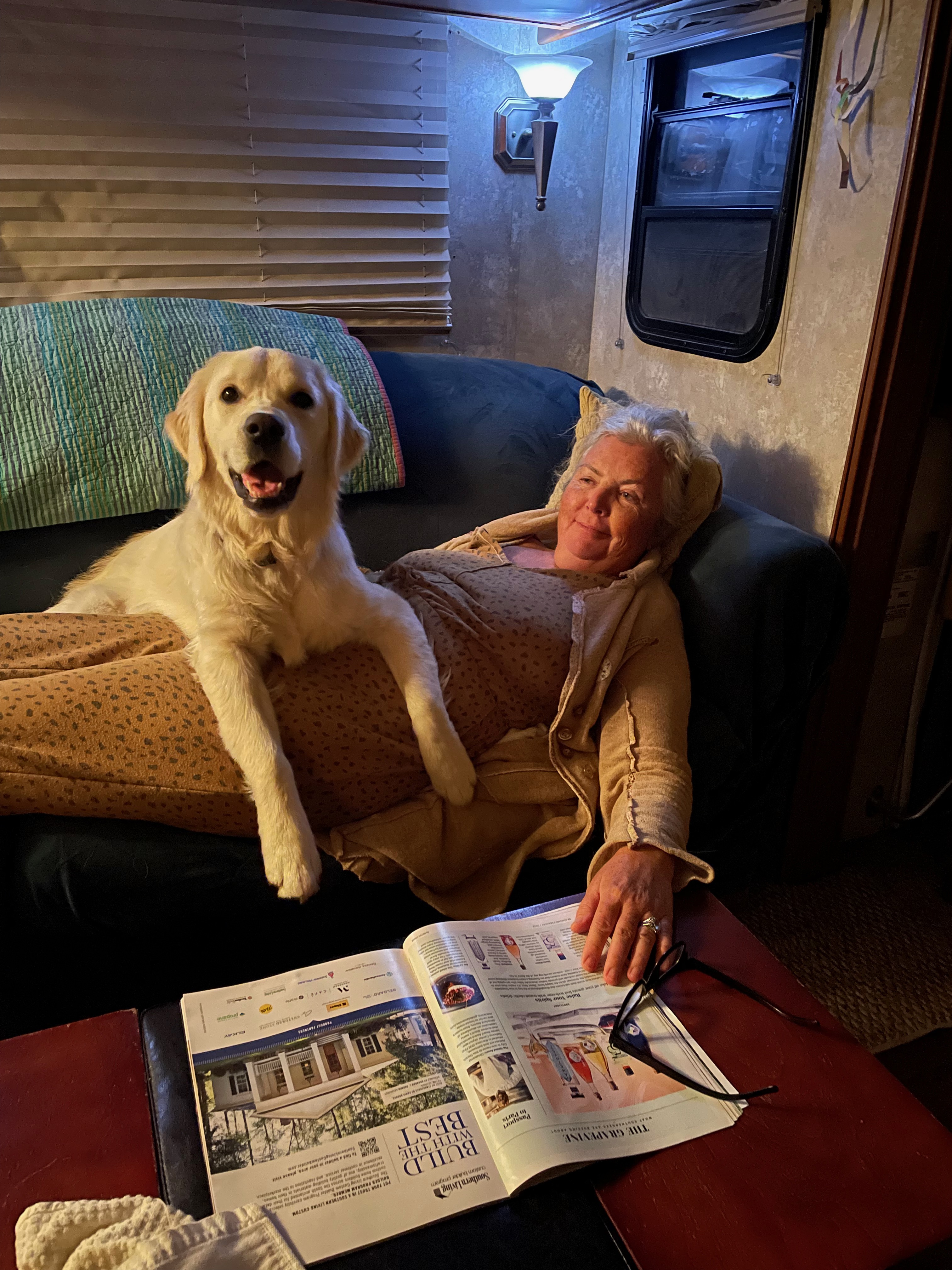
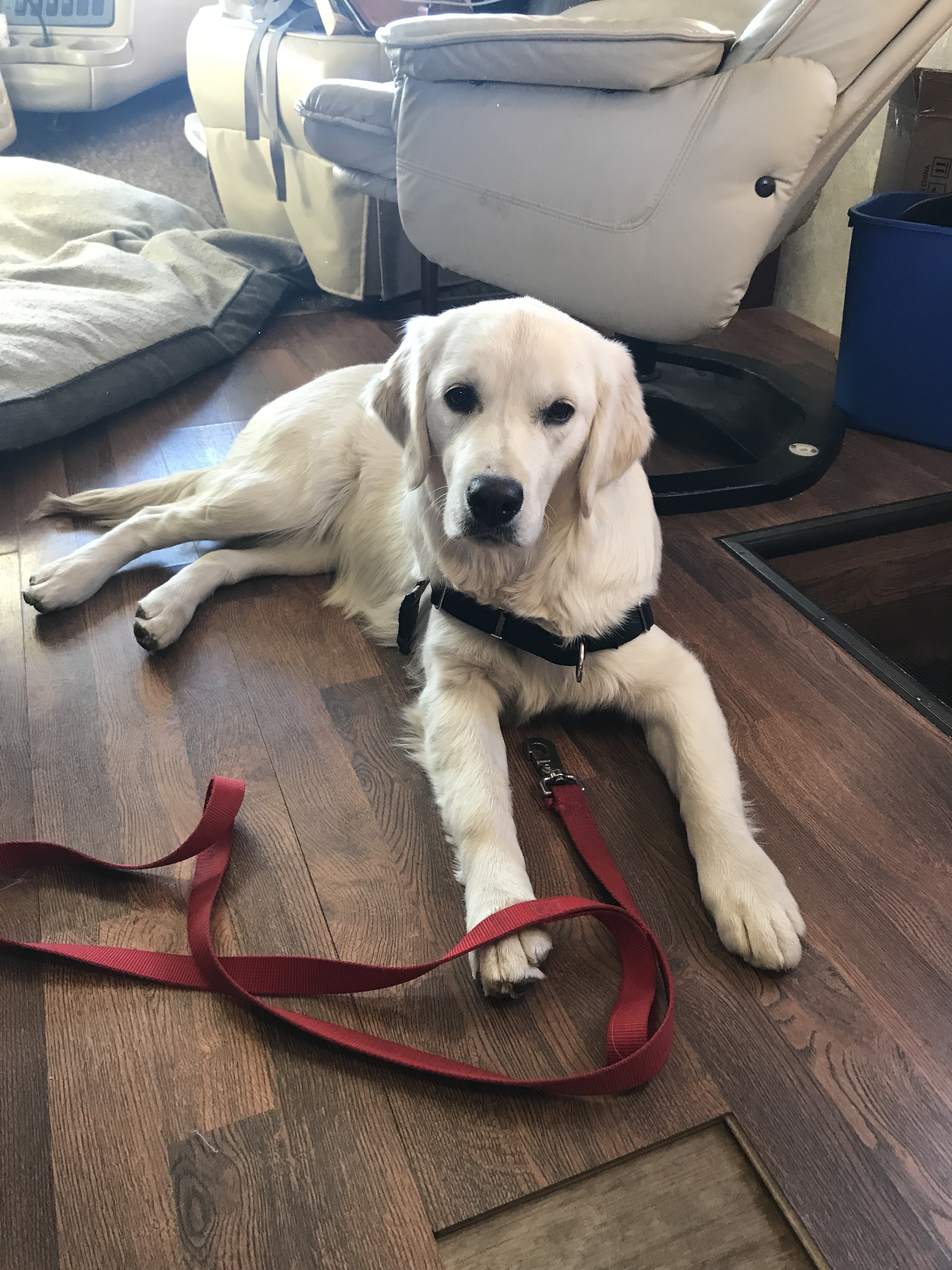
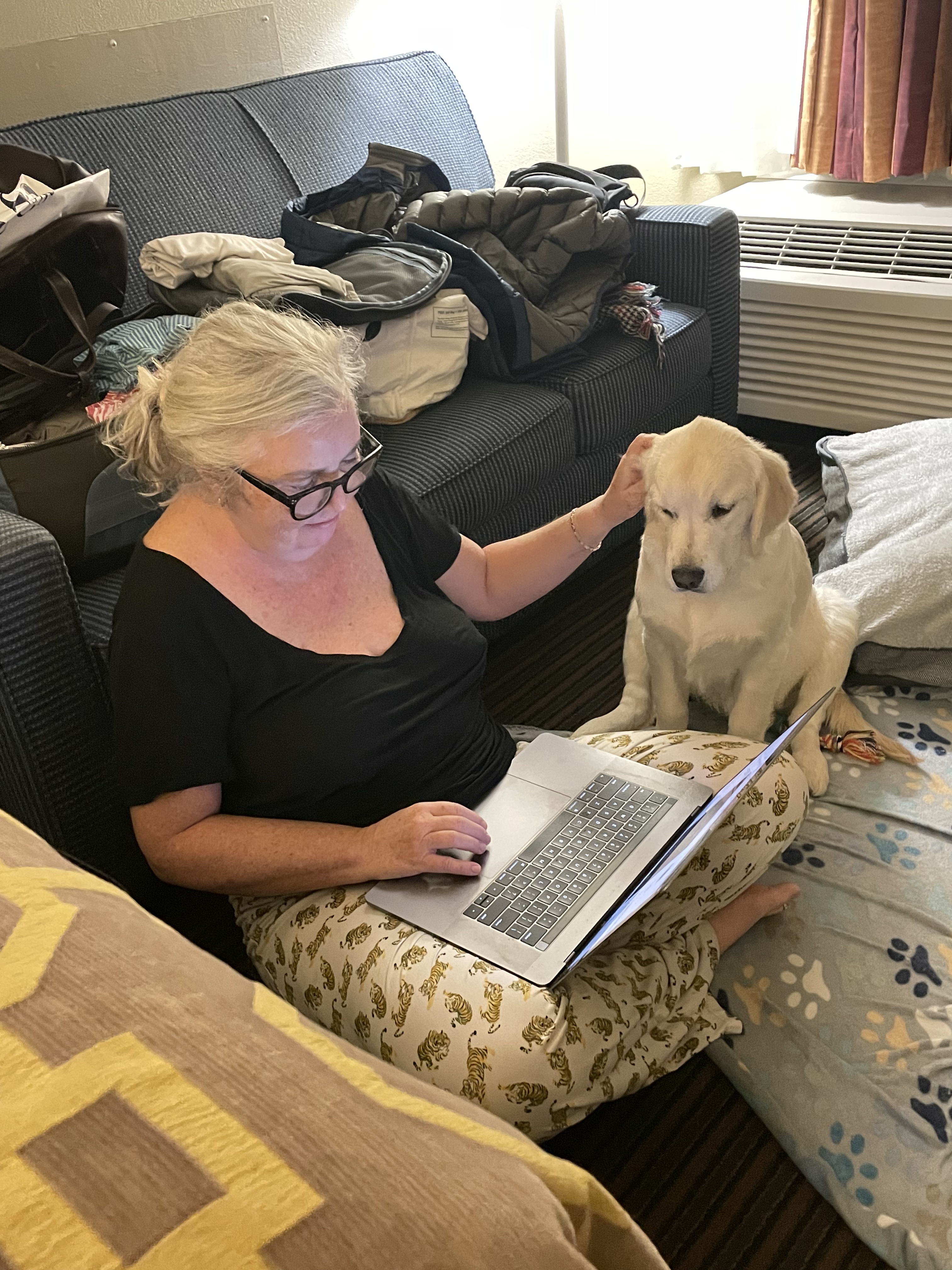
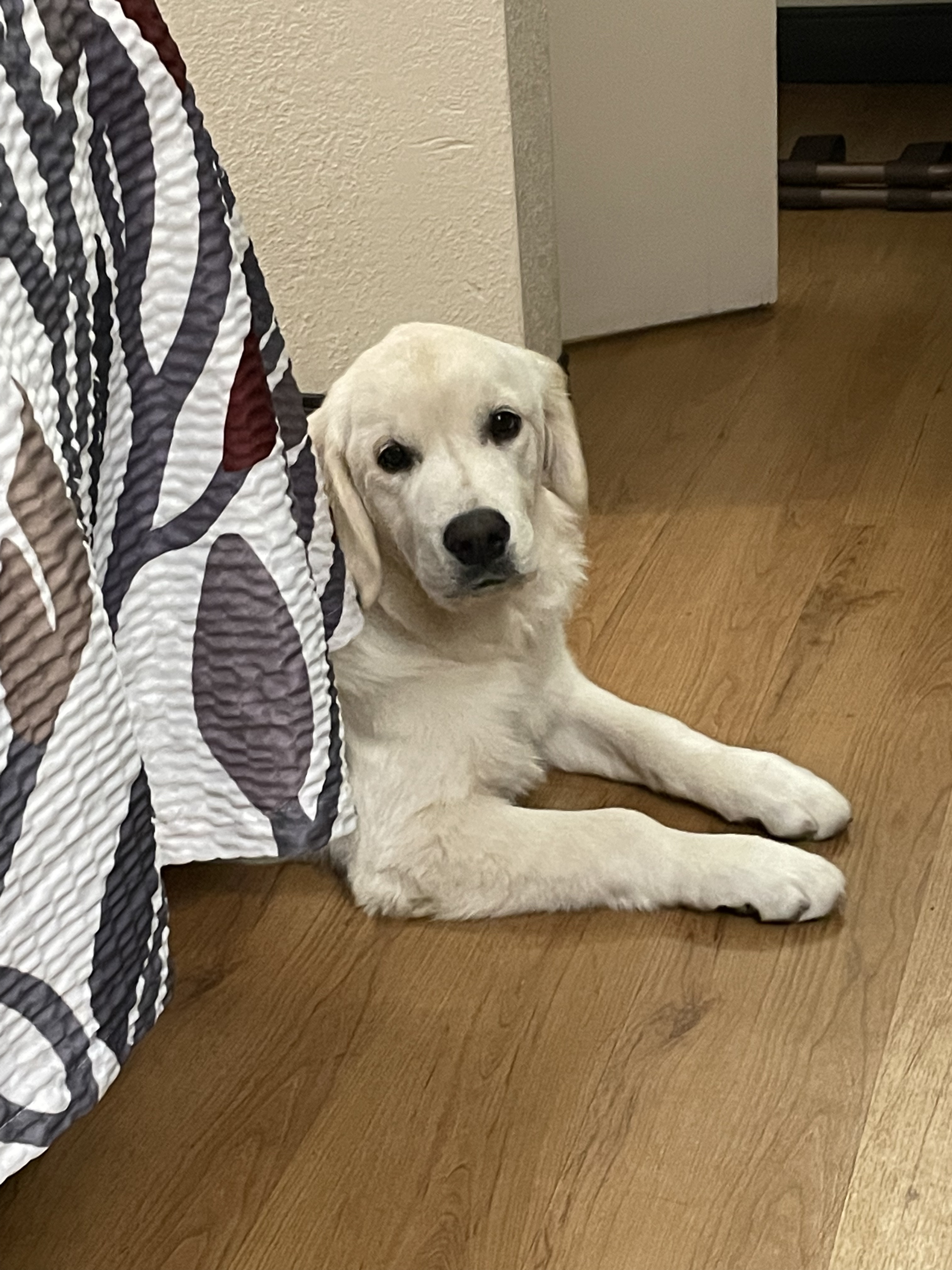
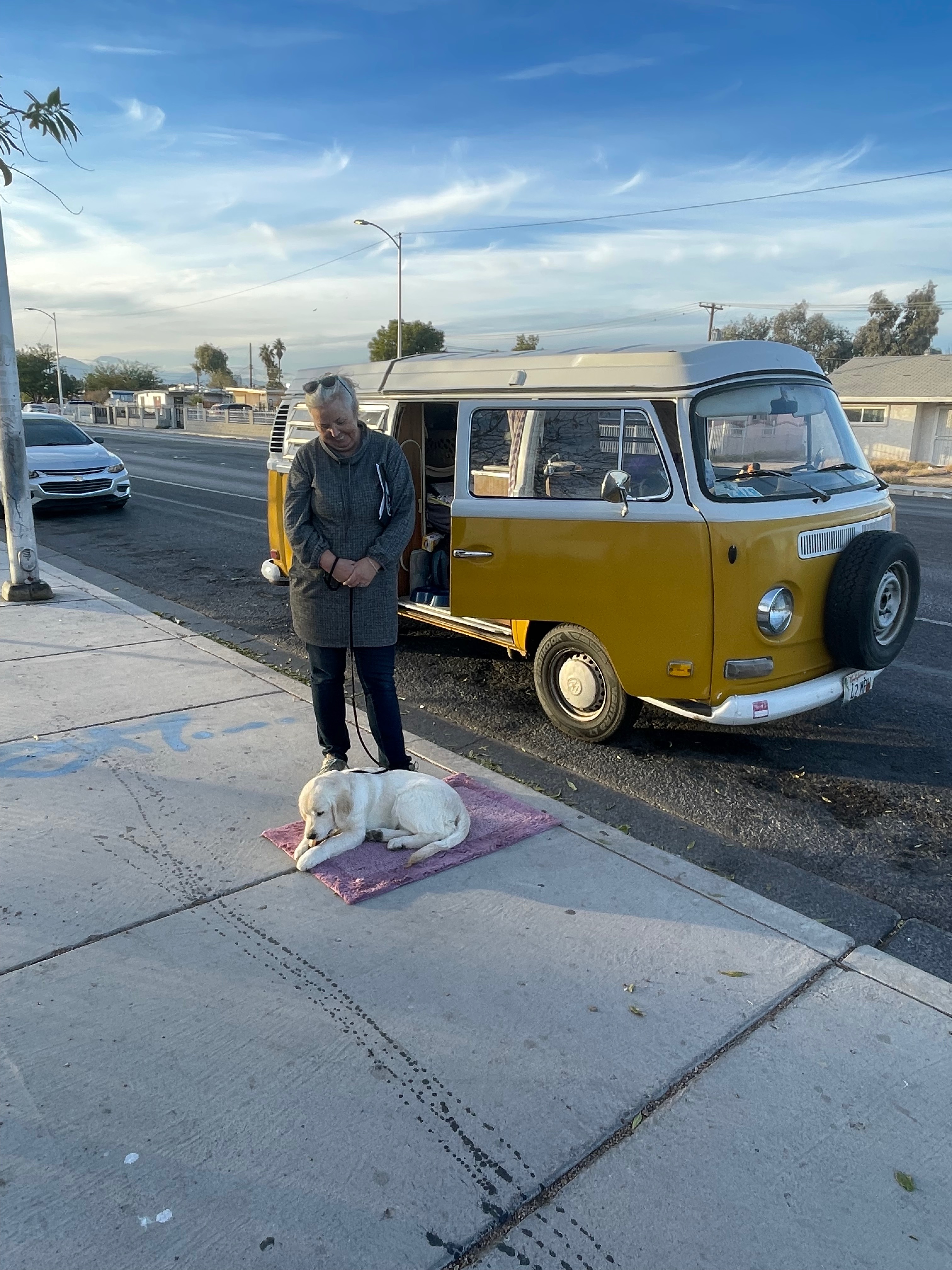
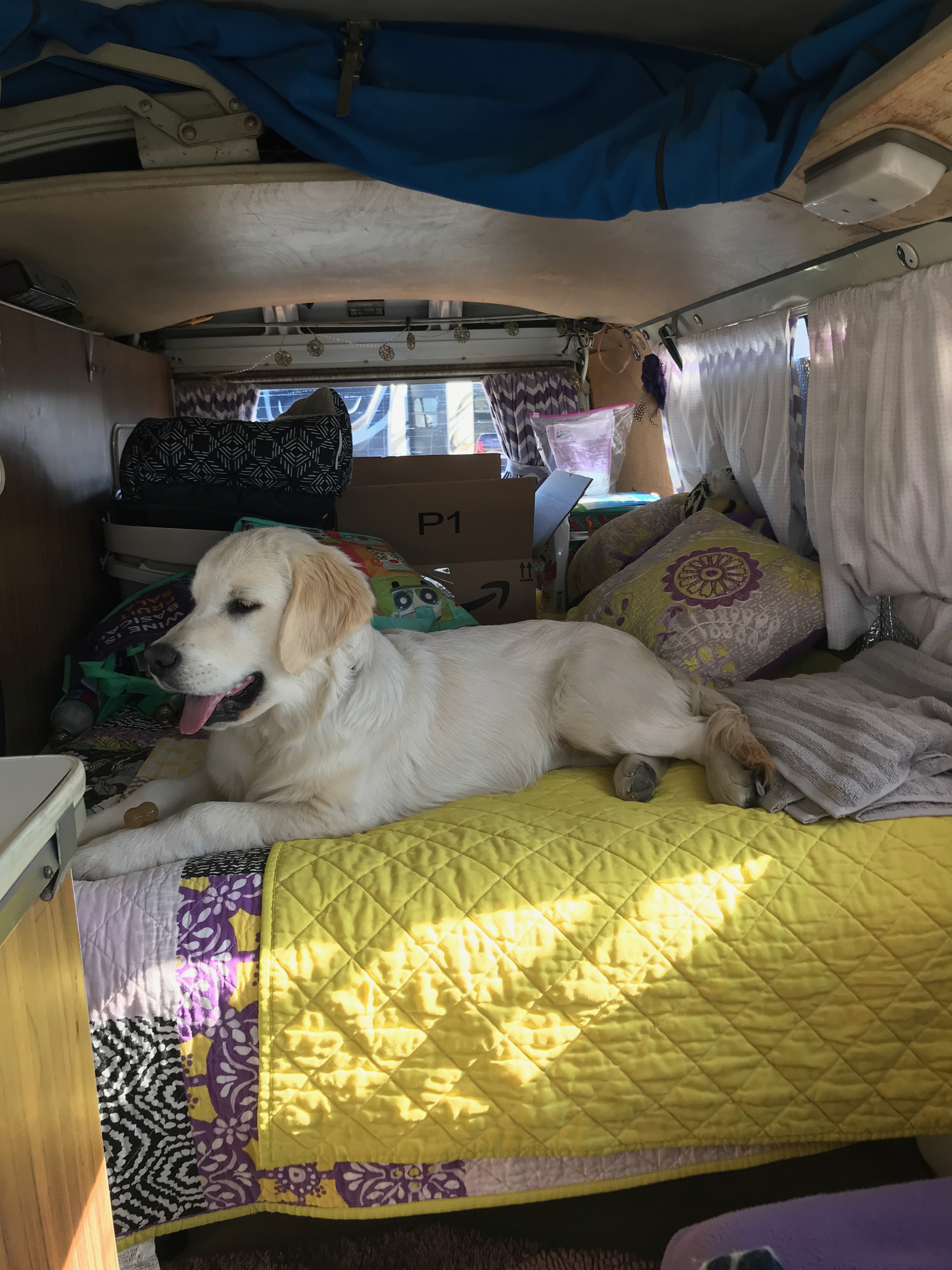
We will be staying here in Arizona for the winter and plan to drive cross-country back home to Cape Cod in March. In these first weeks living together, we have set new routines, started training classes, and adapted to sharing our RV with our growing four-legged goofball. Her antics as she explores and learns about the world are keeping us smiling and we made more friends at the RV park in one week than the entire winter season last year. Everyone wants to pet the white, friendly puppy.
Joe proposed registering her as “Journey” because it was a journey to find her, we trekked cross-country on a literal road trip to pick her up, and we look forward to sharing many travel adventures together. She has the perfect name!
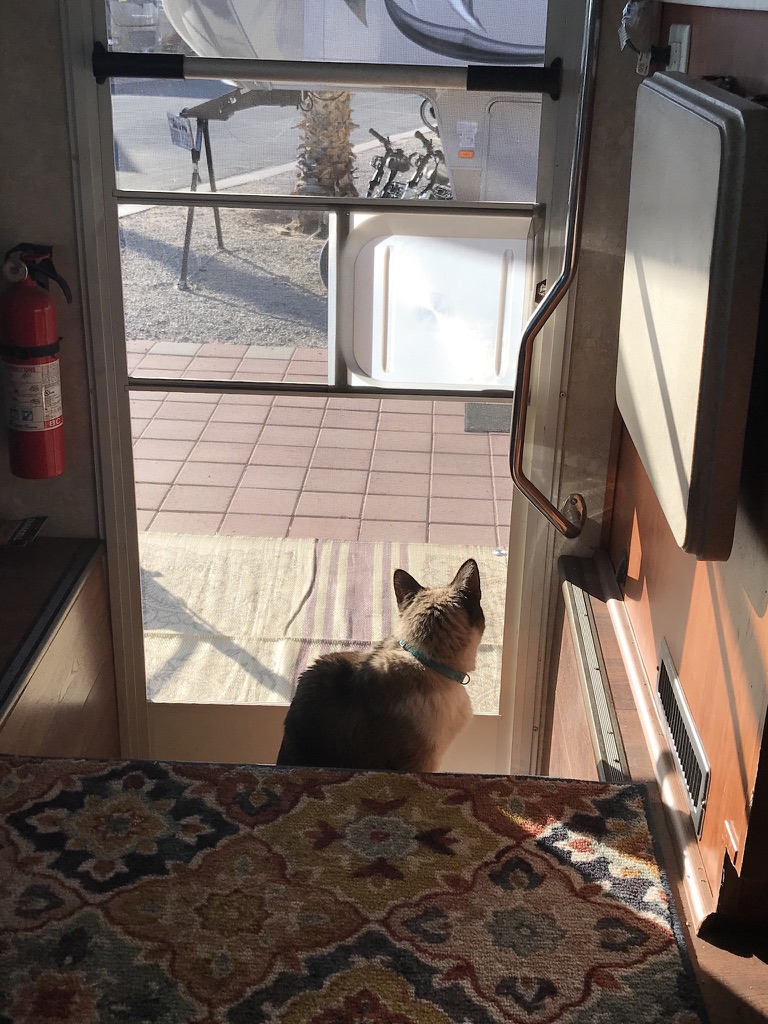
Last September, we were grieving the loss of our beloved animal companions, Molly and Denethor. As our thoughts turn to spring with the promise of growth and renewal, we are pleased to announce our new feline friend, Sugar, has joined our family.
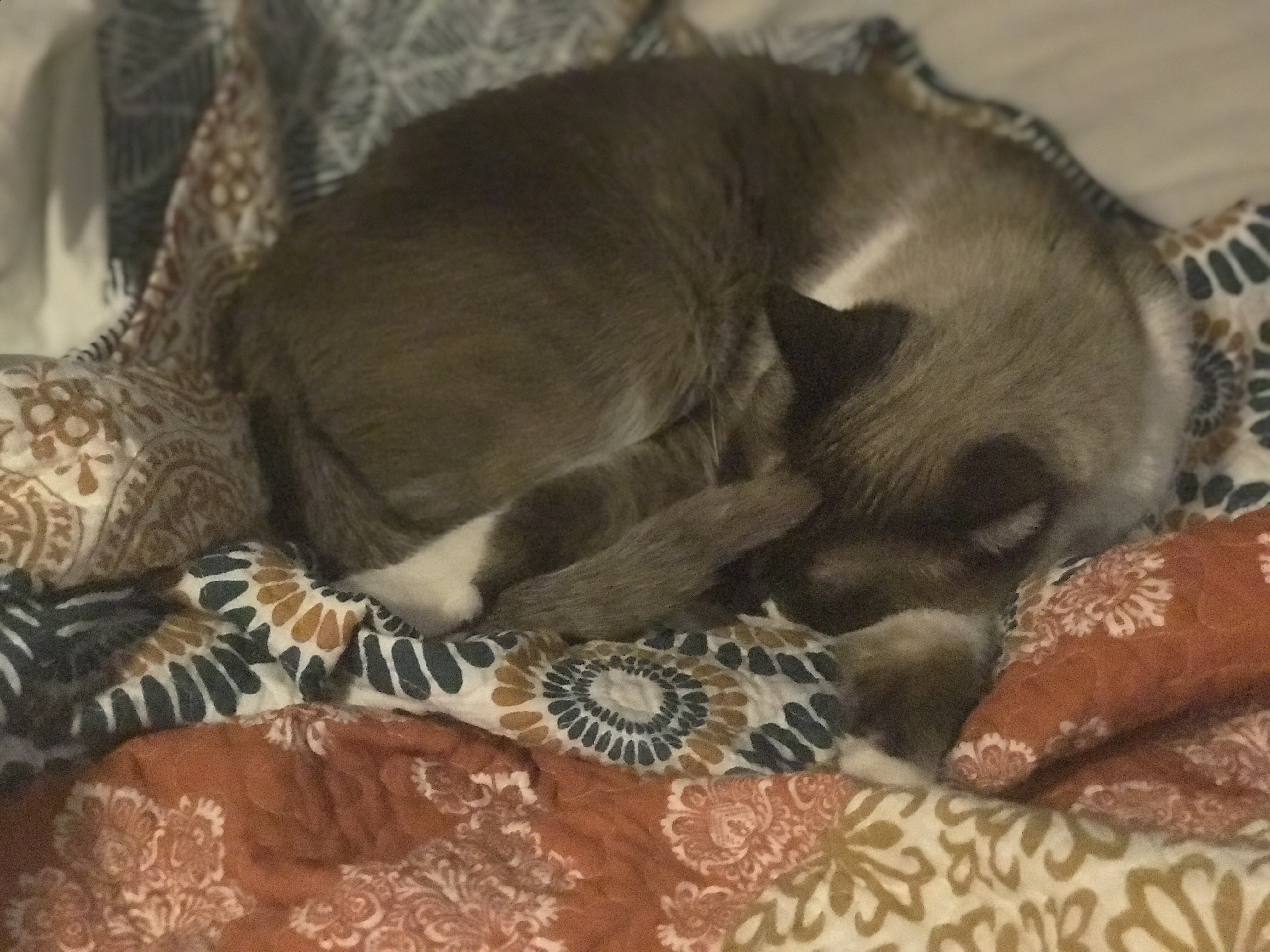
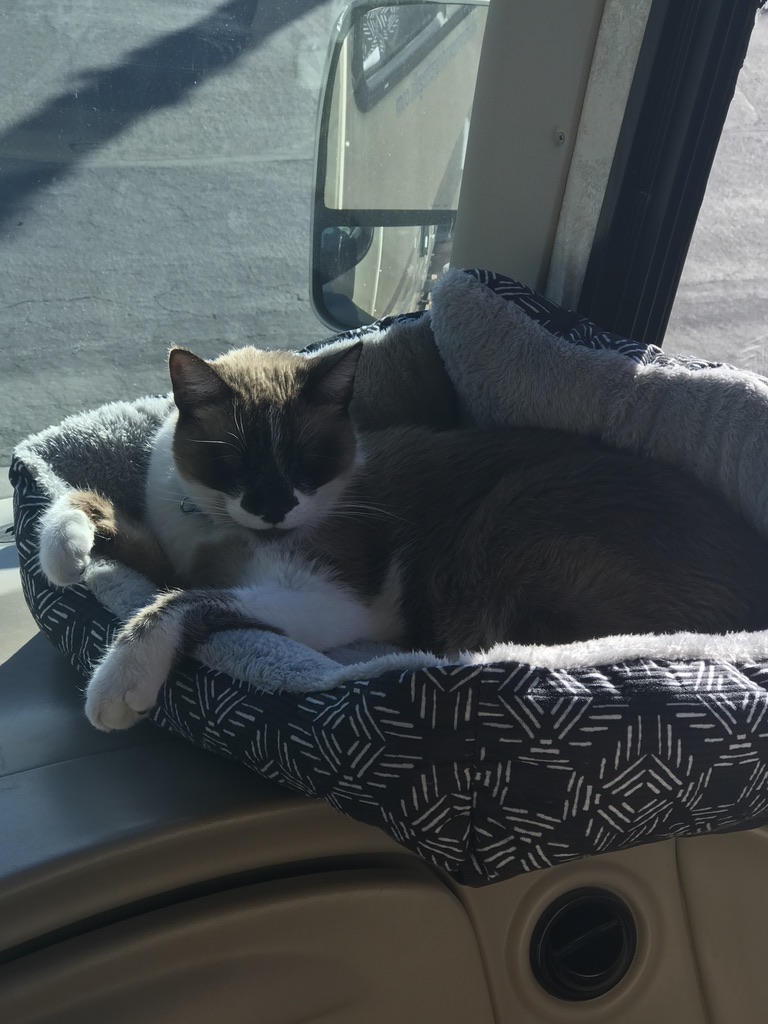
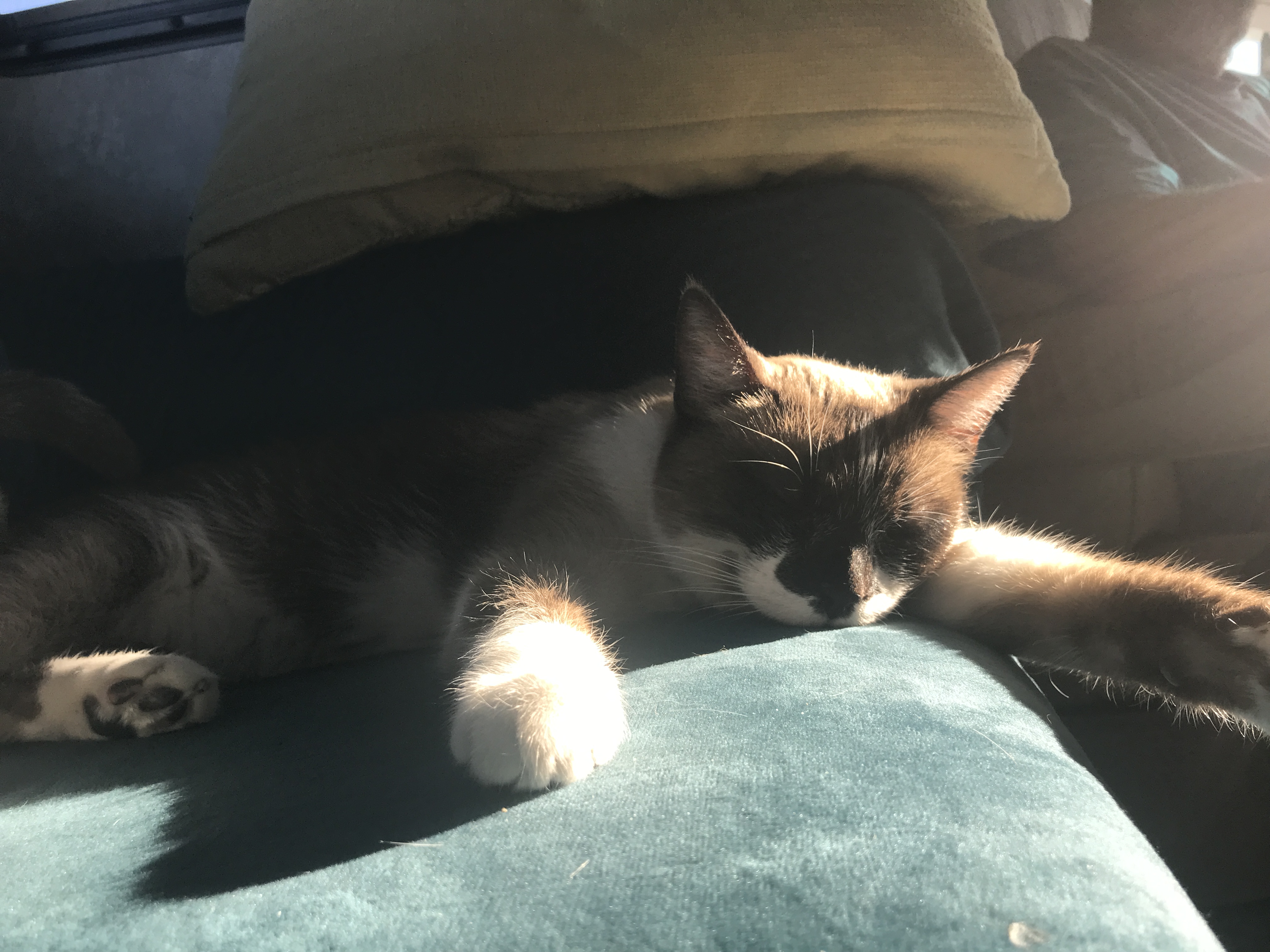
Sugar is approximately one year old and was surrendered by his former family due to health issues (in the human – Sugar is healthy). He is an Applehead Siamese mix, with lovely blue eyes and seal point markings, except on his white socks.
After a few days of decompressing, he is now settling into the rhythms of RV resort life and has claimed favorite perches in the front window, the stairwell, the end of the couch, and the middle of the bed. We are falling in love with him more and more each day.
You can follow the adventures of Sugar (pronounced “SHUG-ah”) on Instagram and Facebook.
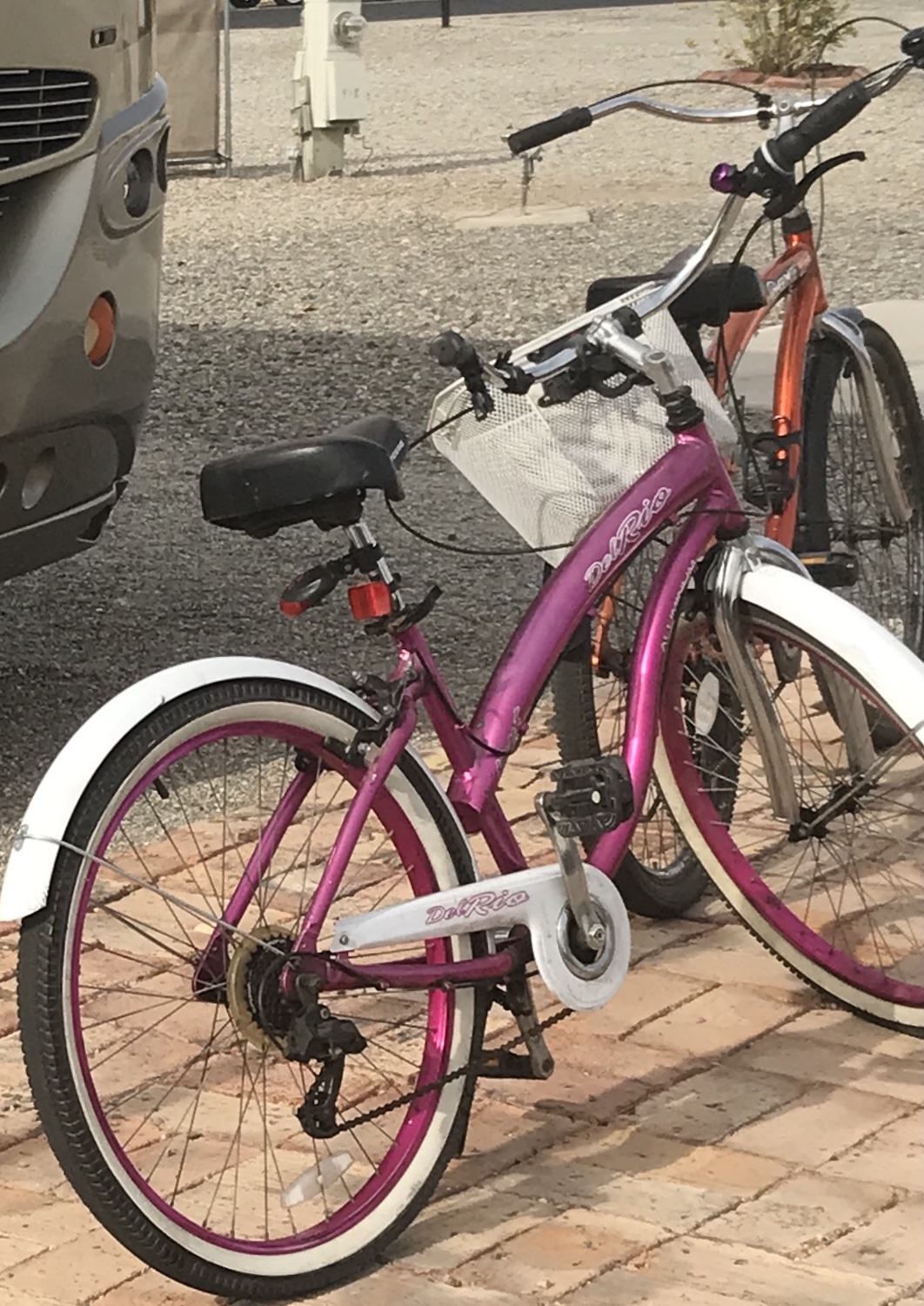
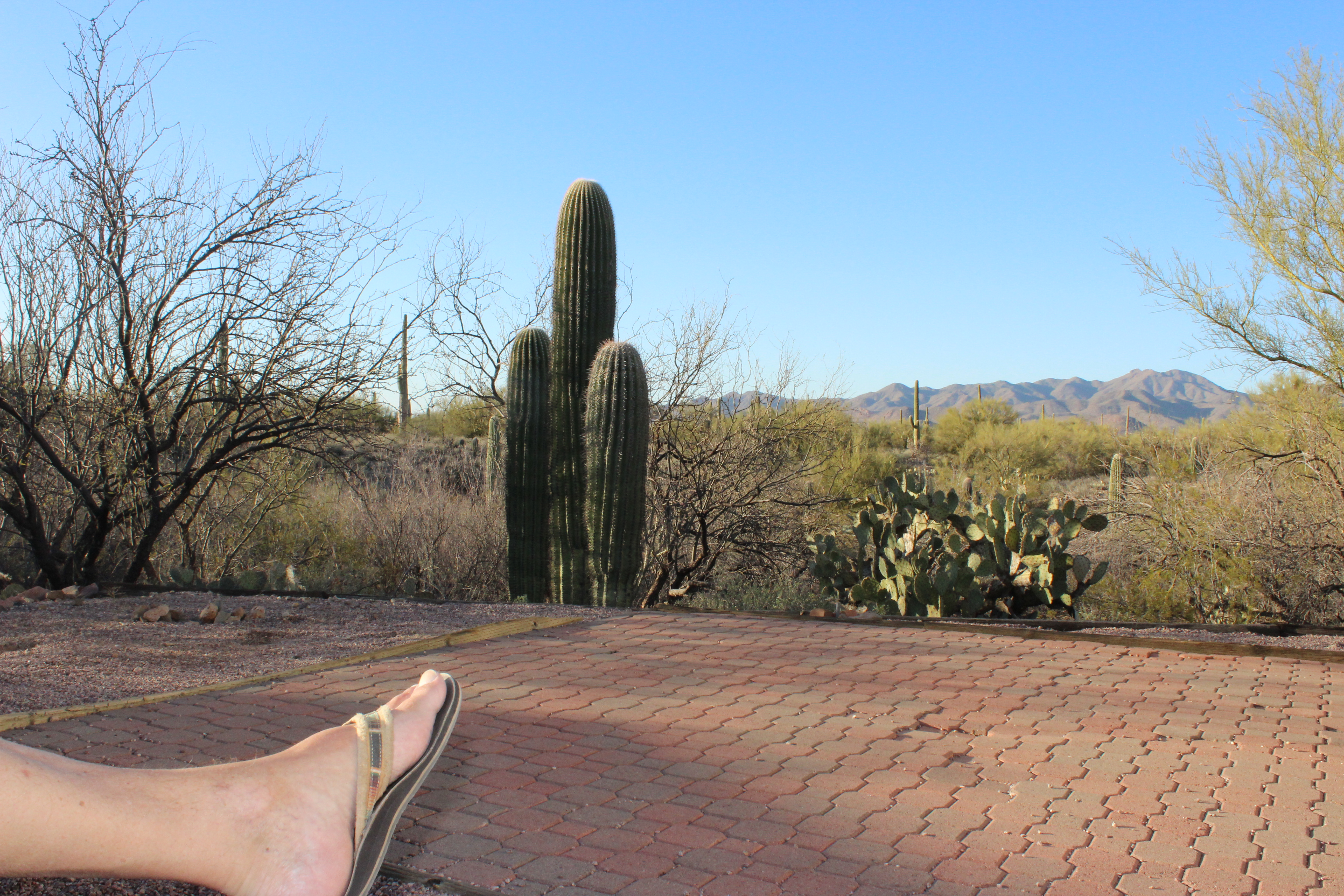
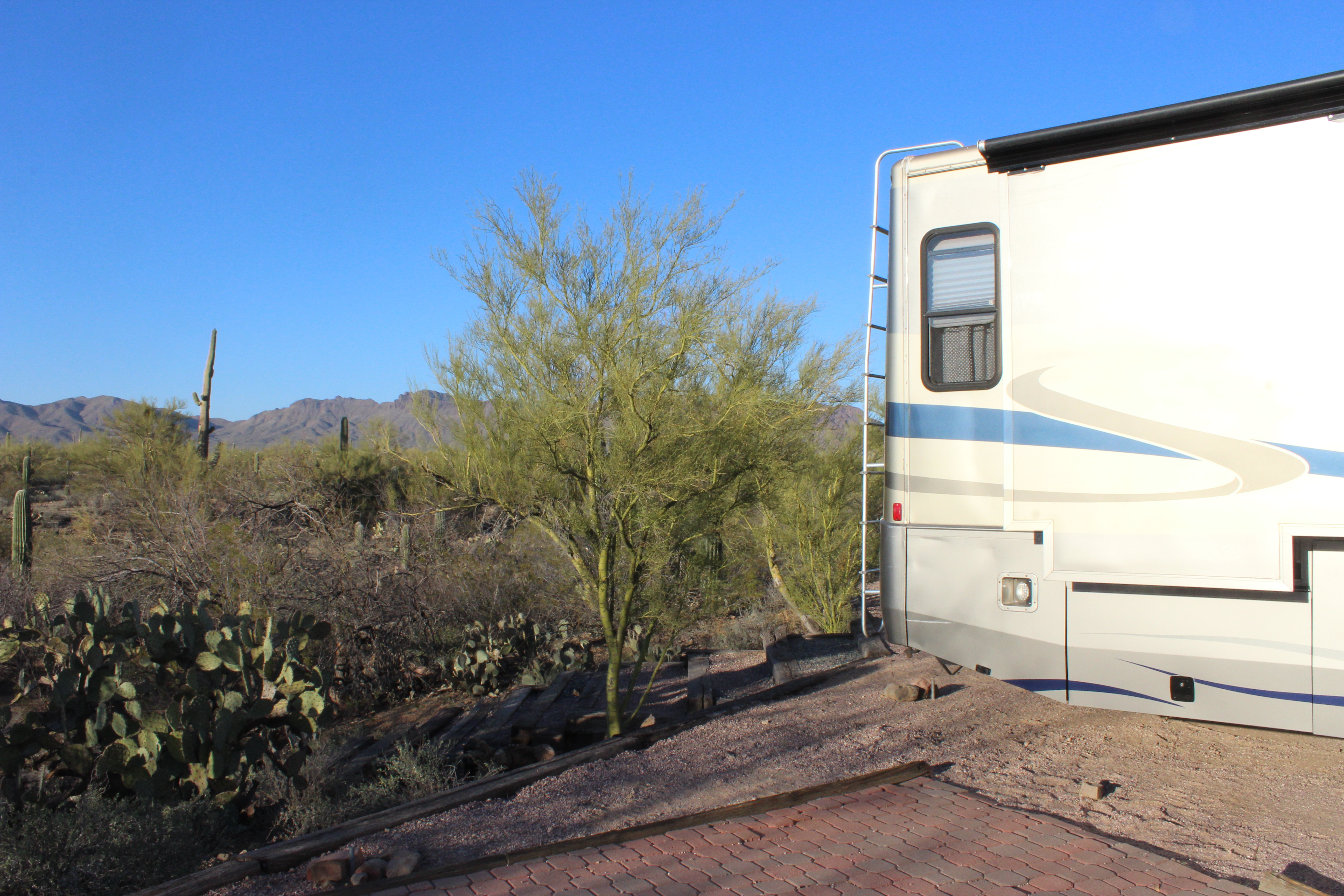
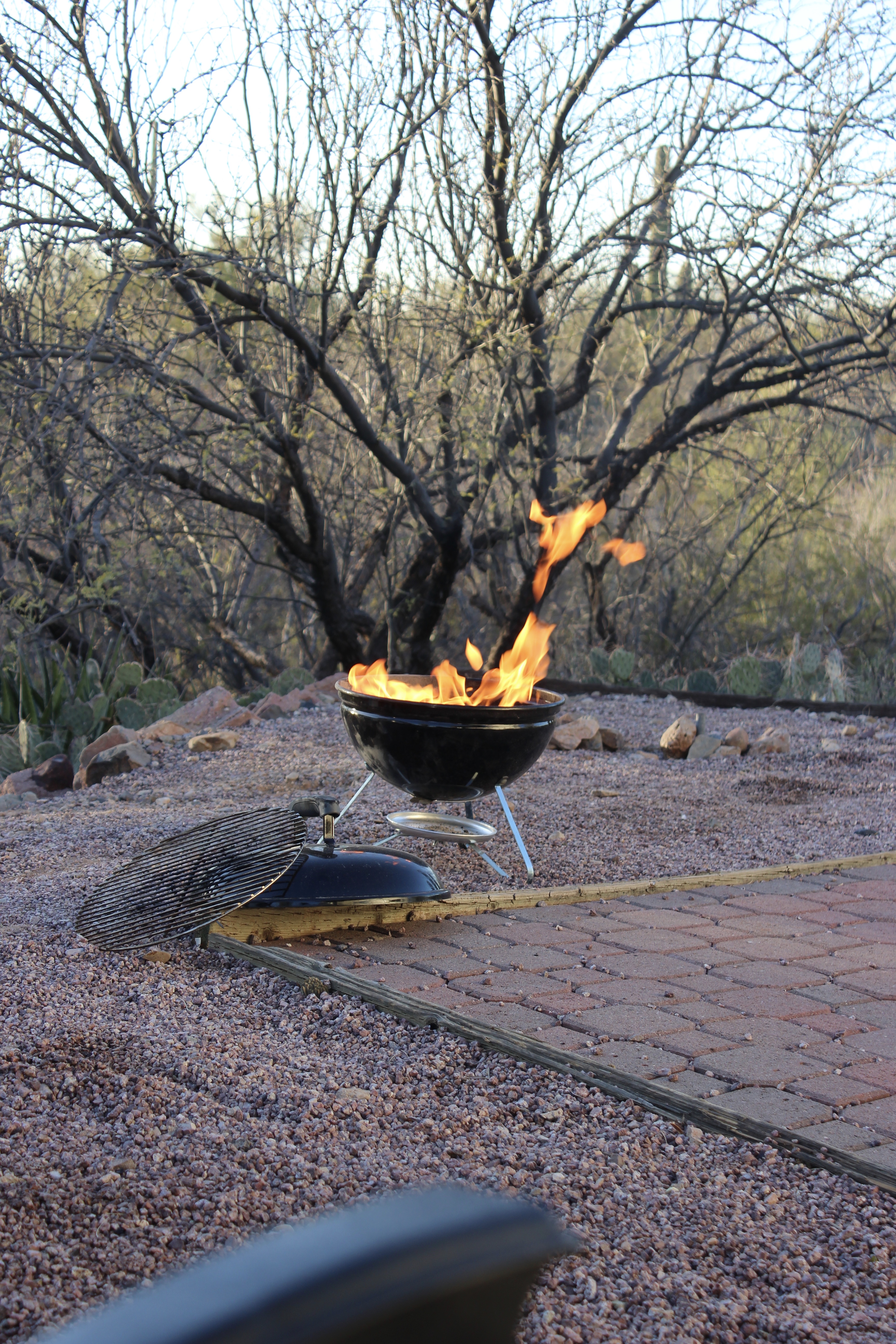
We welcomed 2022 in Yuma, Arizona. Santa brought us some bikes and a new portable propane firepit for us to enjoy outdoor living in the desert. We got our porch set up (photo above) with twinkly lights so we can read outside in the evenings. Sarah will likely add some more artistic touches as the winter goes on!
new-to-us bicycles
Mike and Cornelia waiting for Santa
Trainspotting
Wetlands restoration project at Yuma Crossing National Heritage Area
Great Egret is just one of many birds rehabilitating the wetlands
When we parked Cornelia in a “secure” storage facility last spring in Desert Hot Springs, CA, we calculated it would be cheaper than driving her another six thousand miles (round-trip), knowing we wanted to return to the desert southwest for winter ‘21-‘22. Unfortunately, the facility we chose doesn’t guarantee security from catalytic converter theft!
Practiced thieves can roll under an RV, make two saw cuts, and roll back out with a length of pipe that fetches $200-$300 on the black market, due to the trace amounts of platinum, palladium, and rhodium. As of December 18, 2021, platinum is fetching $30.29/gram, palladium is at $58.28/gram, and rhodium is an astonishing $376.16/gram.
Each catalytic converter contains between three-seven grams of these precious metals. Scrap metal processors need specialized machinery to recover these specific metals and police are now warning that unscrupulous buyers may fill a container to send overseas for processing, to evade authorities. A quick Google search confirmed that black market thieves can monitor the best prices that international companies are offering to “recycle the most expensive scrap.” One Turkish company advertises: “Worth of Platinum metal is increasing with time as its (sic) shown on the table. It’s (sic) economic value never decreased as seen in the table last 20 years. So that’s meaning Platinum’s value is getting more important every day.”
Cornelia was built with TWO catalytic converters. We learned that flexible dryer vents do not make good replacements. She now sounds like a very loud diesel truck when driving. We opened all her windows, to avoid carbon monoxide poisoning, and made a run for Yuma, AZ. Professional replacements will take weeks to receive and cost thousands of dollars.
To deter thieves from stealing your vehicle’s catalytic converter, police recommend:
etch your VIN on to converter
paint converter a bright color
install a cage or shield over converter to slow down would-be thieves
set vehicle alarm to detect minute vibrations
park in a secure, locked, indoor garage
None of these measures will stop a determined thief, but perhaps stories about the Law of Gravity will begin to circulate among the criminal-minded. In recent months, at least three would-be thieves have been found crushed to death in North Carolina, Georgia, and California, when the carjacks failed while the (unrelated) men were trying to steal catalytic converters.
We made it to California. 6000 miles in 4 months. We really hoped for more sunshine and warmer weather this trip, but unusual climate events have overtaken us at many of our scheduled stops. Our friend, Sam, has stopped watching the Weather Channel and instead looks to see where we are to know where the latest freak storm has hit the U.S.
It is 50 degrees Fahrenheit and raining here in Southern California, as we post this today. We’re really glad we packed our winter clothes.
We tend to use the word “desert” to describe emptiness. For example, “The old house was deserted, after the family moved out ten years ago.”
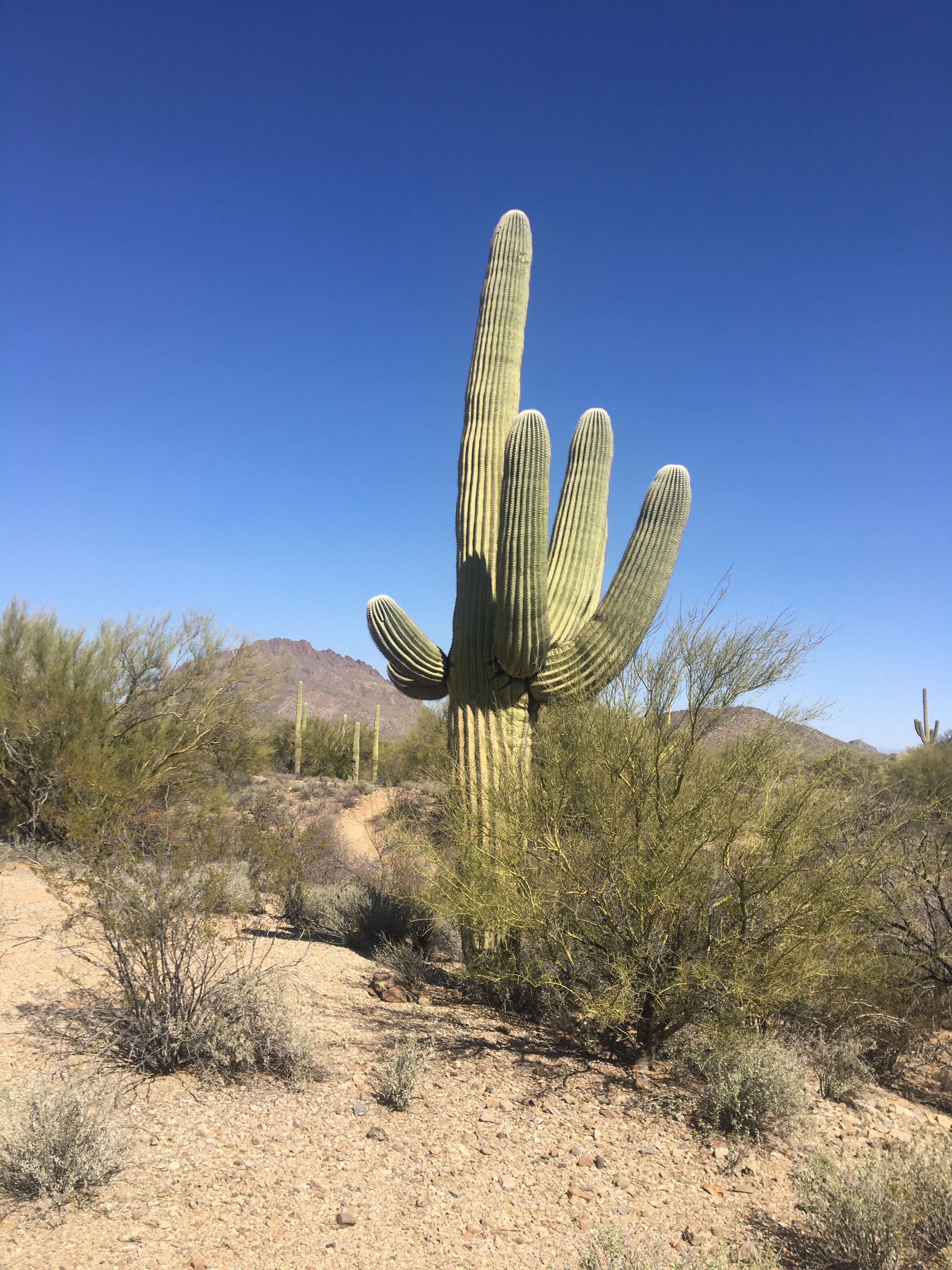
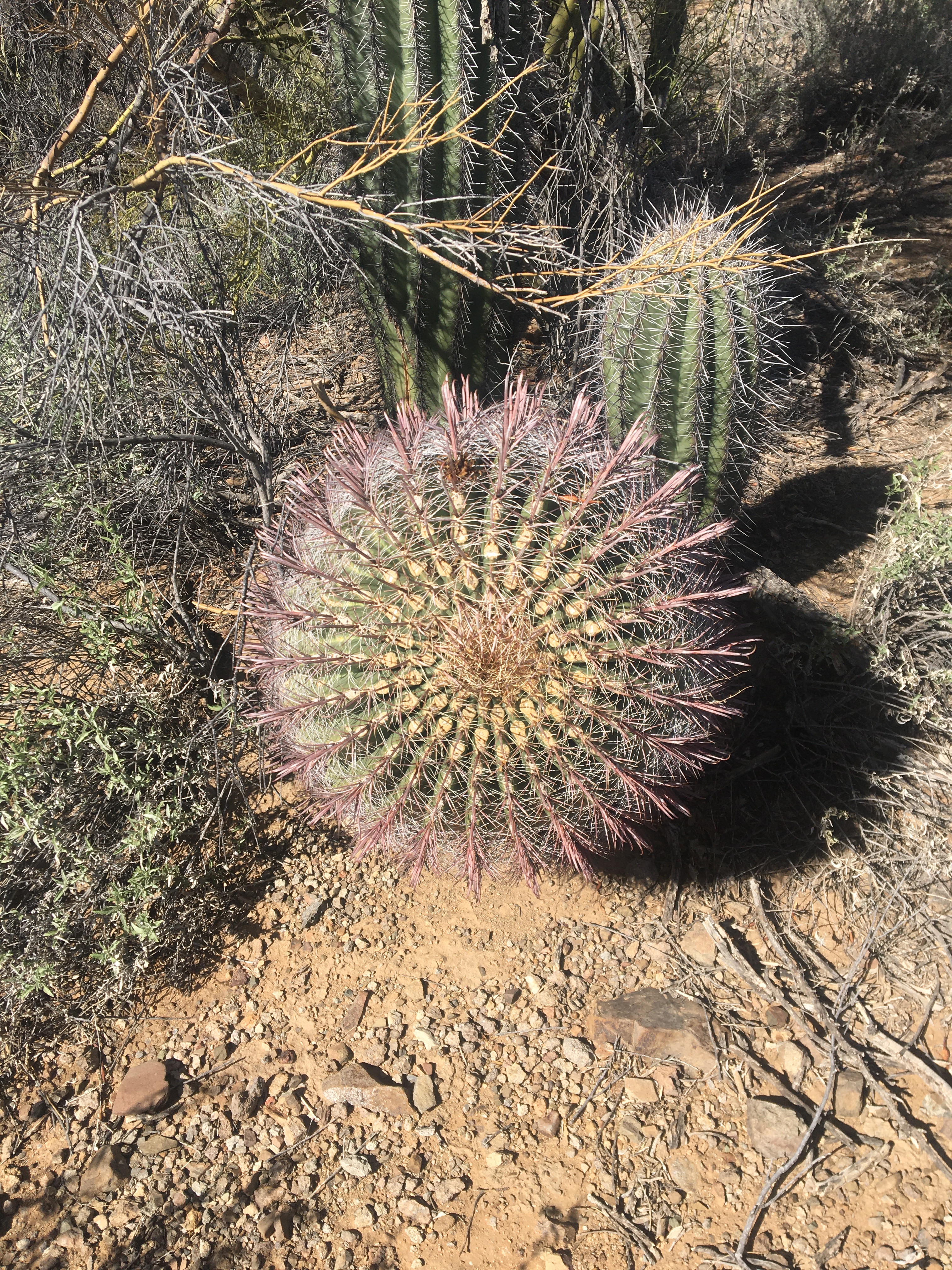
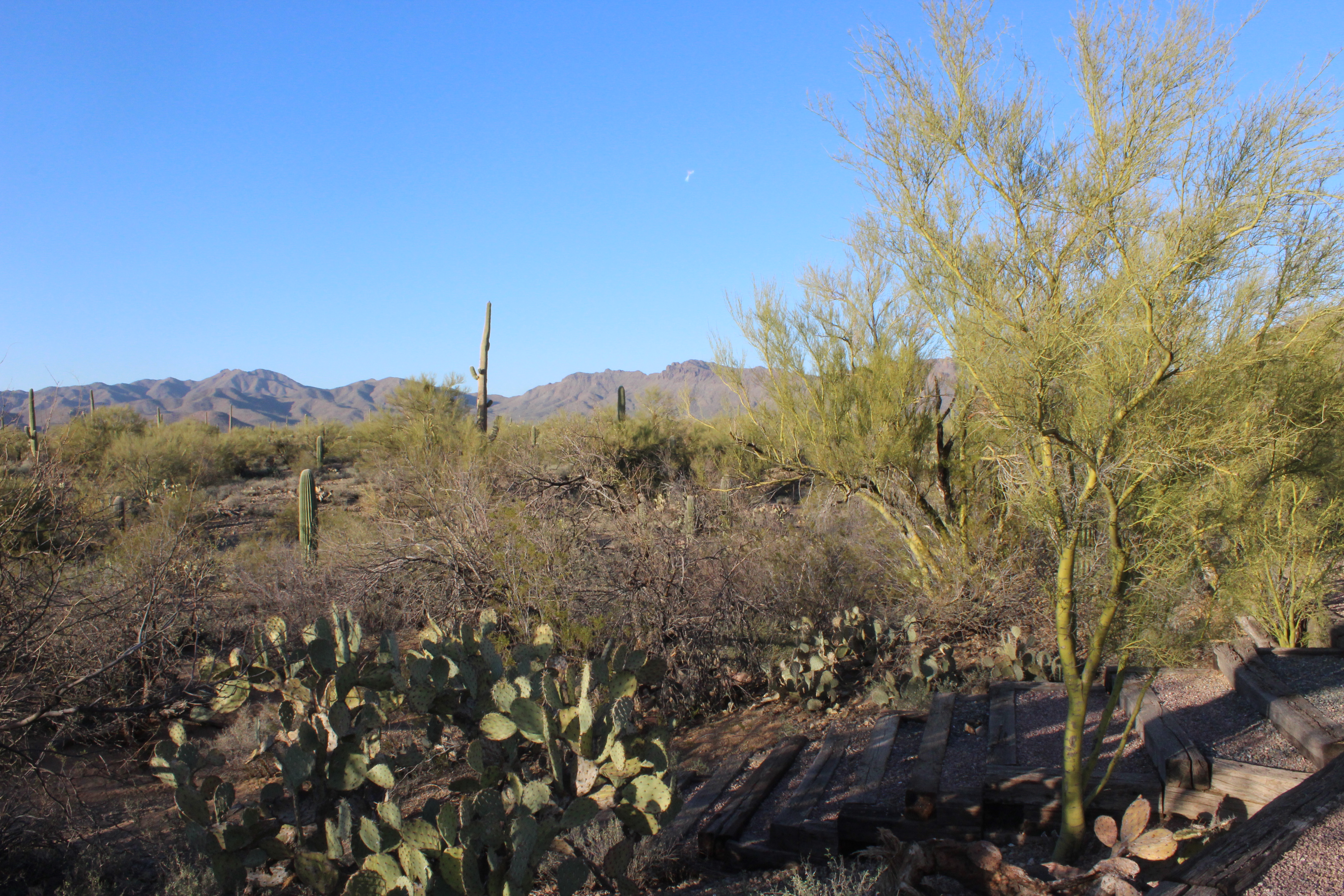
But our experience with living on the edge of the Sonoran Desert near Tucson, AZ confirms for us that the desert is teeming with a variety of plant and animal life. A pair of Great Horned Owls and singing coyotes serenaded us each night this week. At dawn and dusk, the bunnies and mourning doves were busy. One morning, a Gila woodpecker amused Sarah by tapping fruitlessly on a neighbor’s plastic TV antenna atop their trailer. And the Saguaro are endlessly fascinating in their assortment of sizes and shapes.
Saguaro grow slowly. Arms may appear when the cactus reaches 9-10 feet tall (around age 40+). This increases the water storage capacity of the plant and increases its procreation potential by producing more blooms. It might take 75 years before it first blooms. They are considered adults when they reach 125 years old and with optimal temperature and water conditions may live to be 200 years old.
Nan Burn, head of the Desert Foothills Land Trust’s Desert Awareness committee, says, “They’re pretty magical cacti. Against all odds they survive. Each root has about 2,000 seeds and the odds of them germinating are incredibly small. I have great respect for them.”
But not everyone has respect for them. The East Valley Tribune reported on a story of two dunderheads:
In 1982, two roommates who apparently were neither particularly conservation-minded nor of superior intelligence grabbed their shotguns and ventured out into the desert just west of Lake Pleasant.
One of them decided to blow up a cactus or two, and, finding the first, small one easy, took aim at a 26-foot-tall saguaro that was estimated to be 100 years old. He blasted away, severing a four-foot arm that fell on him and killed him.
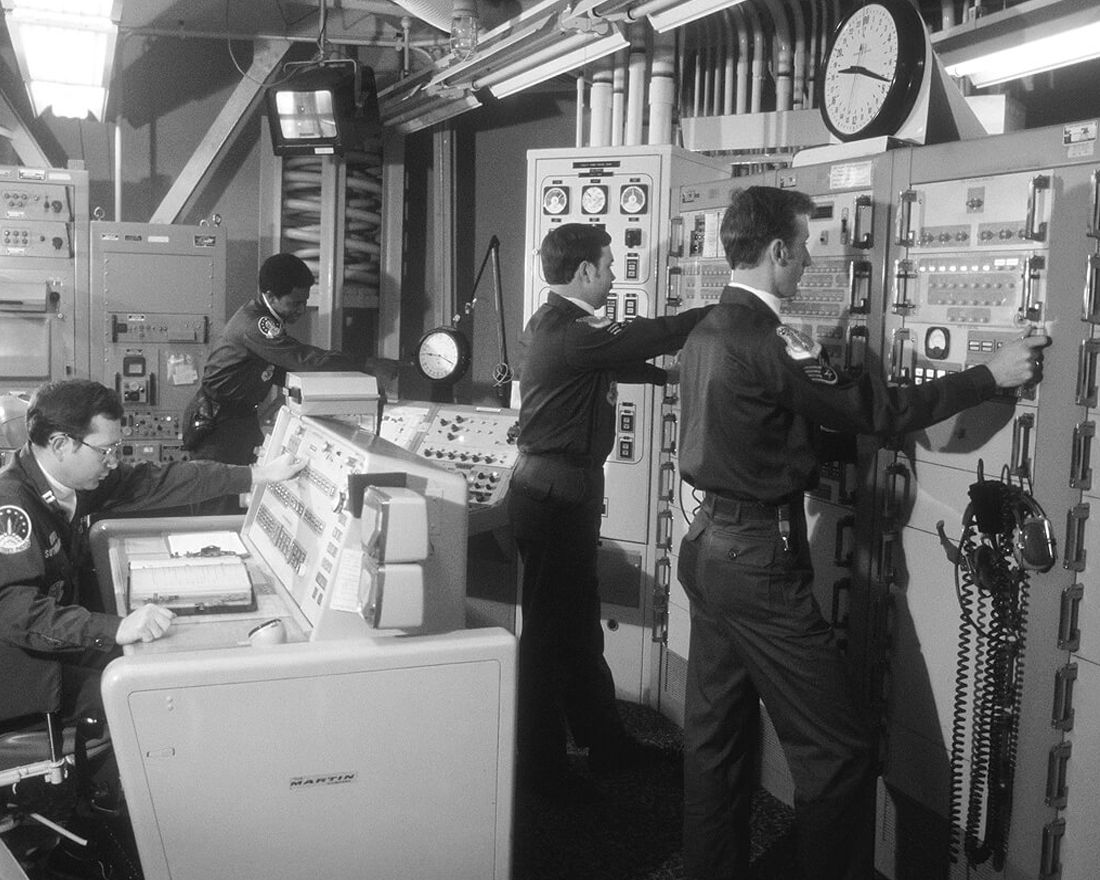
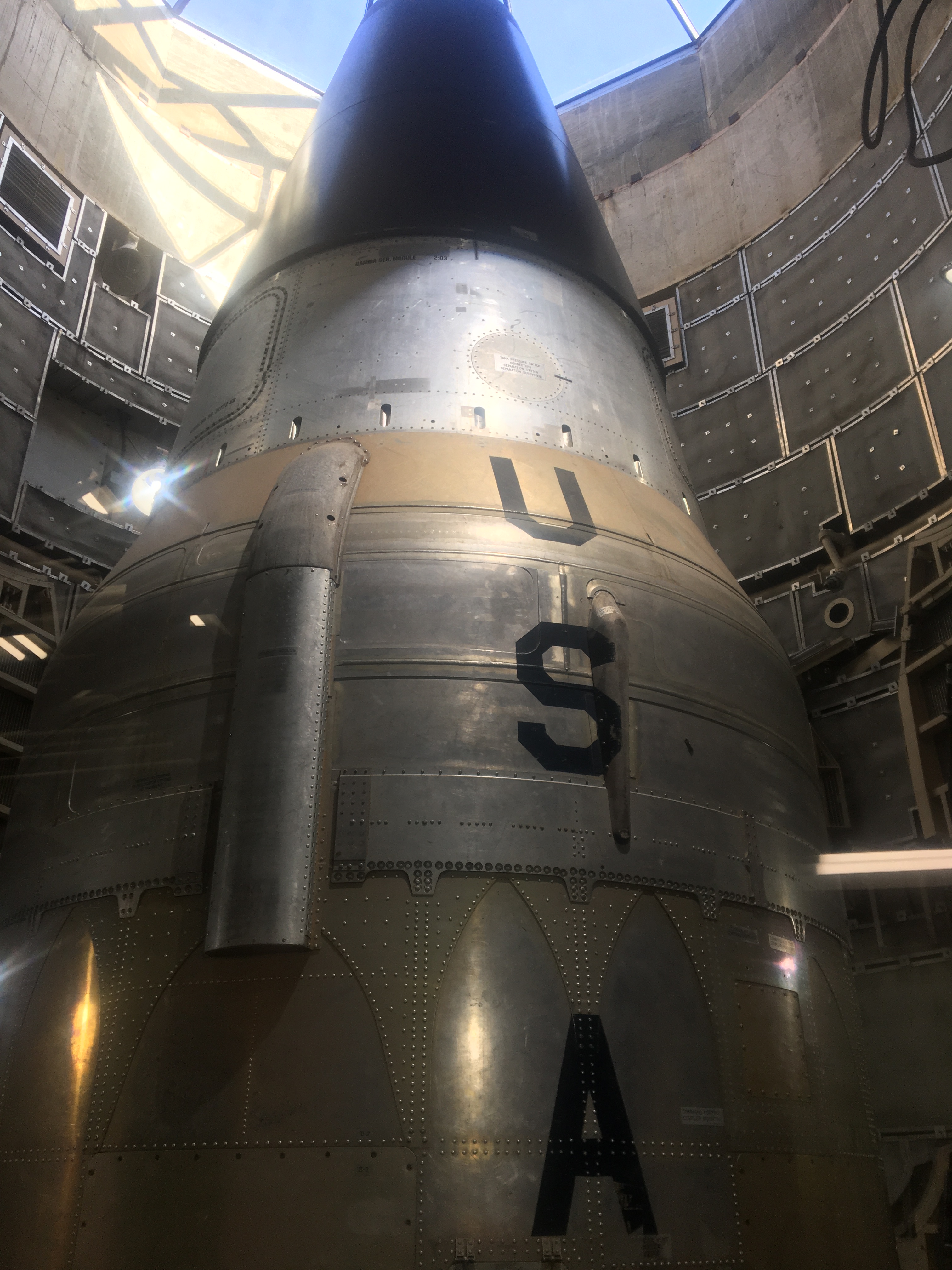
We spent an afternoon touring the Titan Missile Museum, which is the last of the 54 Titan II missile sites that were on alert across the United States from 1963 to 1987. Our guide, Dave, actually worked at the site for ten years in the 1970s. Originally from Worcester, MA, he joined the Air Force straight out of high school and was part of a team of four men from the 390th Strategic Missile Wing hosted by Davis-Monthan AFB. His team worked 24-hour shifts underground keeping the Titan II missile on alert as part of the ICBMs deployed around Arizona, Kansas, and Arkansas. When not on missile silo duty, Dave was training, problem-solving, and being evaluated weekly by psychiatrists.
As we toured the site, Dave told us specifically the safety measures and redundancies that were built into the missile silo and its maintenance. A red bucket hangs by the second telephone (after you give a code at the first telephone by the gate you have three minutes to reach the second phone by the door) which is where the team’s commander would burn his entry code after reciting it into the second telephone. As we descended 55 steps underground, we observed these huge tension coils and learned the whole silo was essentially suspended so it could withstand a Soviet attack and still be able to fire its rocket in retaliation.
Peace through deterrence is the theory that all nuclear-power governments promise only retaliatory annihilation; therefore no one will want to be the first to strike, because it would guarantee World War III and the mutual destruction of both countries (e.g. the Soviet Union and the United States). Listening to Dave, the feeling of finality, knowing that their mission was to kill the people of another country, and possibly end the world, is experienced by only the few men (and now women) who work with these nuclear weapons around the globe. We can never imagine the true burden that Dave and his colleagues have lived with. The juxtaposition of the way he alluded to the enormity of the responsibility of turning the key with the reality of his own certain death had a huge emotional impact on us. The psychological awareness and understanding of his role to complete his mission is unlike anything most of us will ever experience.
Dave walked us through the launch sequence, asking for two volunteers to sit at the command desk and work out the codes and turn the two keys. Sarah declined. But it was fascinating to hear Dave tell us what it felt like to work there for ten years. How every test alert was not known to be a test, because the drills were run as if they were real. For ten years, Dave and his crew-mates lived in a perpetual heightened state of readiness, not knowing if each day would be their last. They were consciously aware that the silo was a Soviet target and they would have only minutes to retaliate with their launch sequence, should incoming missiles be launched from a hostile nation. He says he still gets a funny feeling when he plays the alarm for tours.
Giant steps are what you take Walking on the moon I hope my leg don’t break Walking on the moon We could walk forever Walking on the moon We could live together Walking on, walking on the moon
Song by The Police
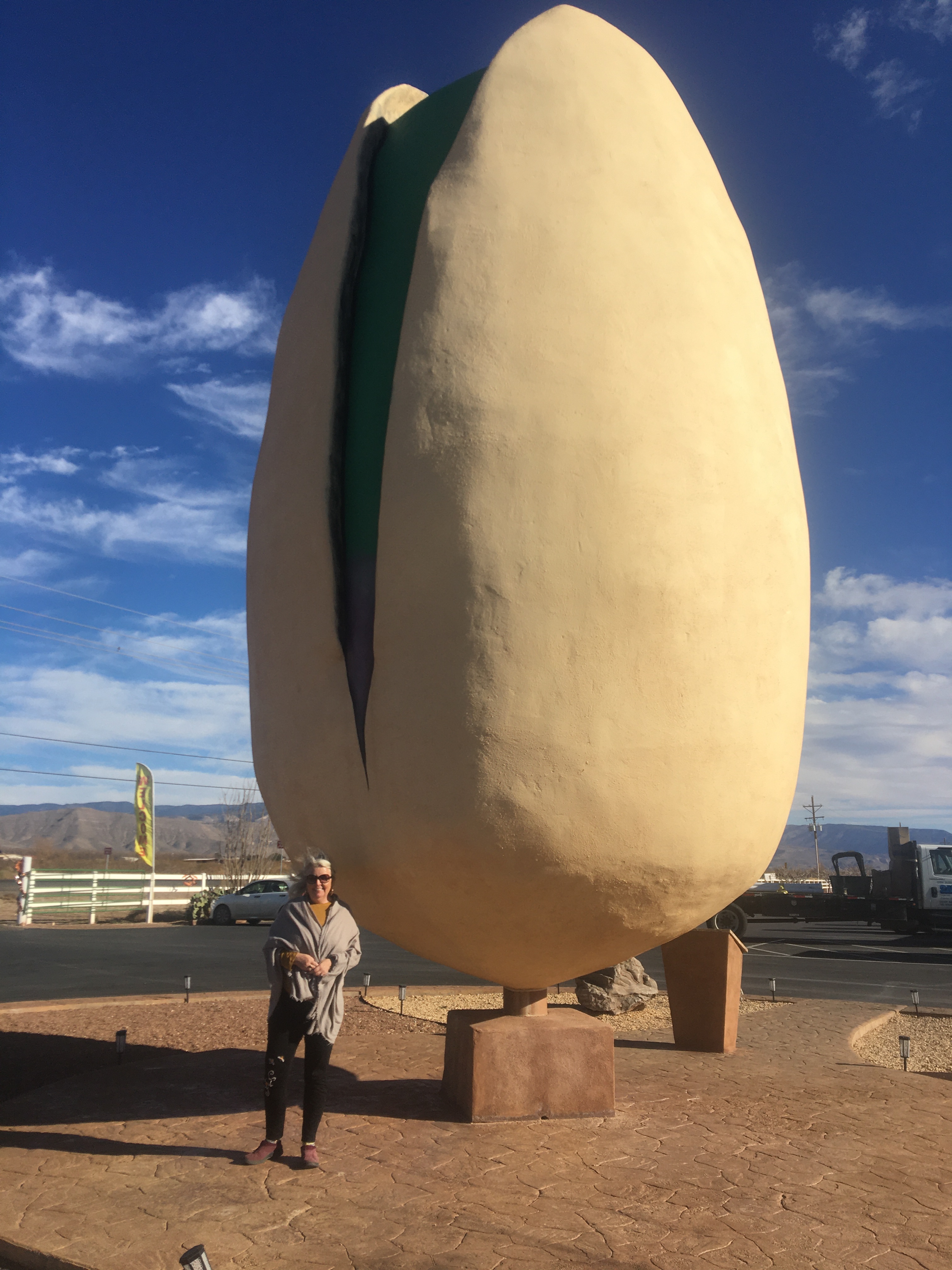
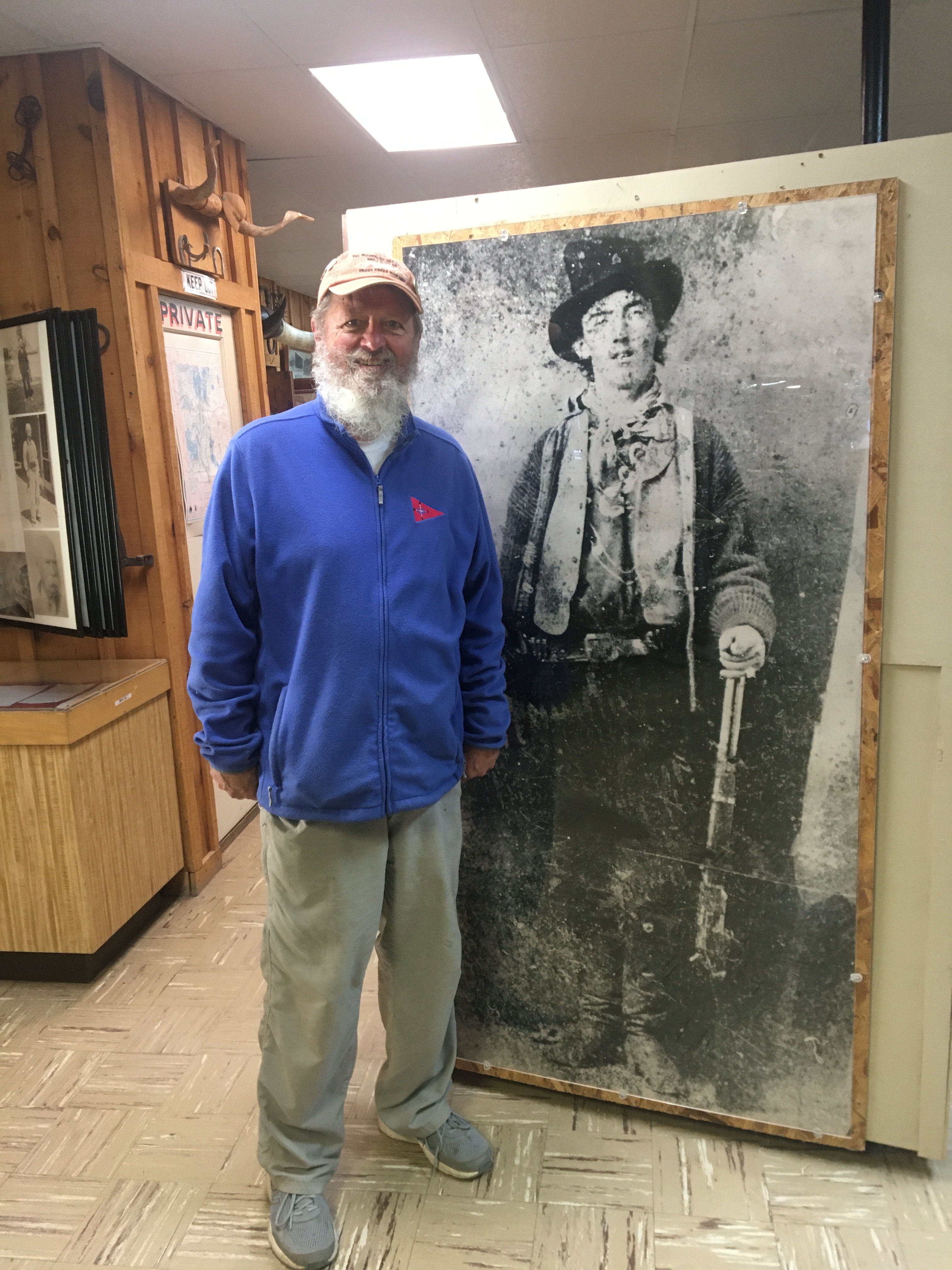
We only spent two nights in New Mexico, driving straight through with only three stops: Billy The Kid Museum, World’s Largest Pistachio, and White Sands National Park.
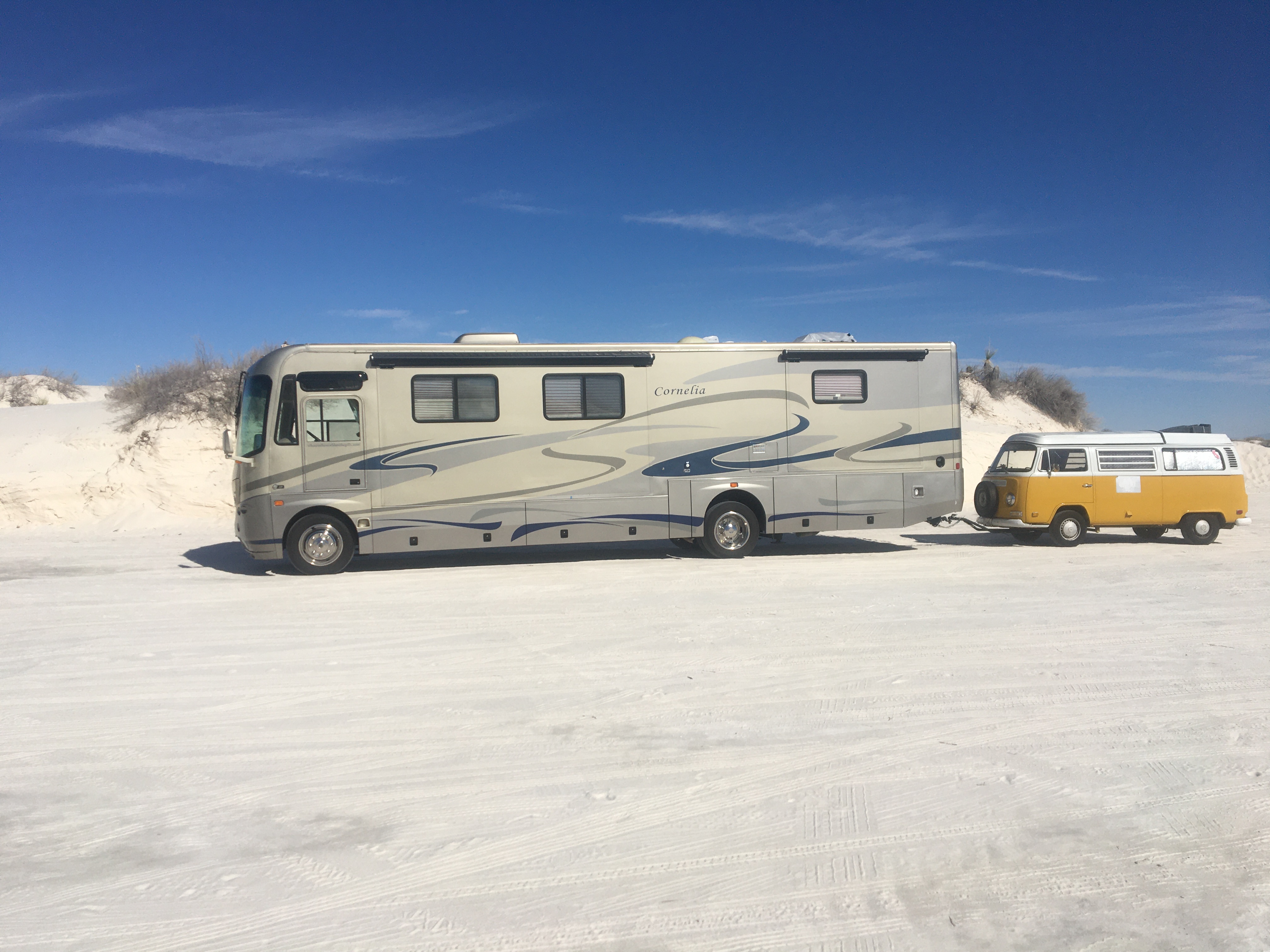
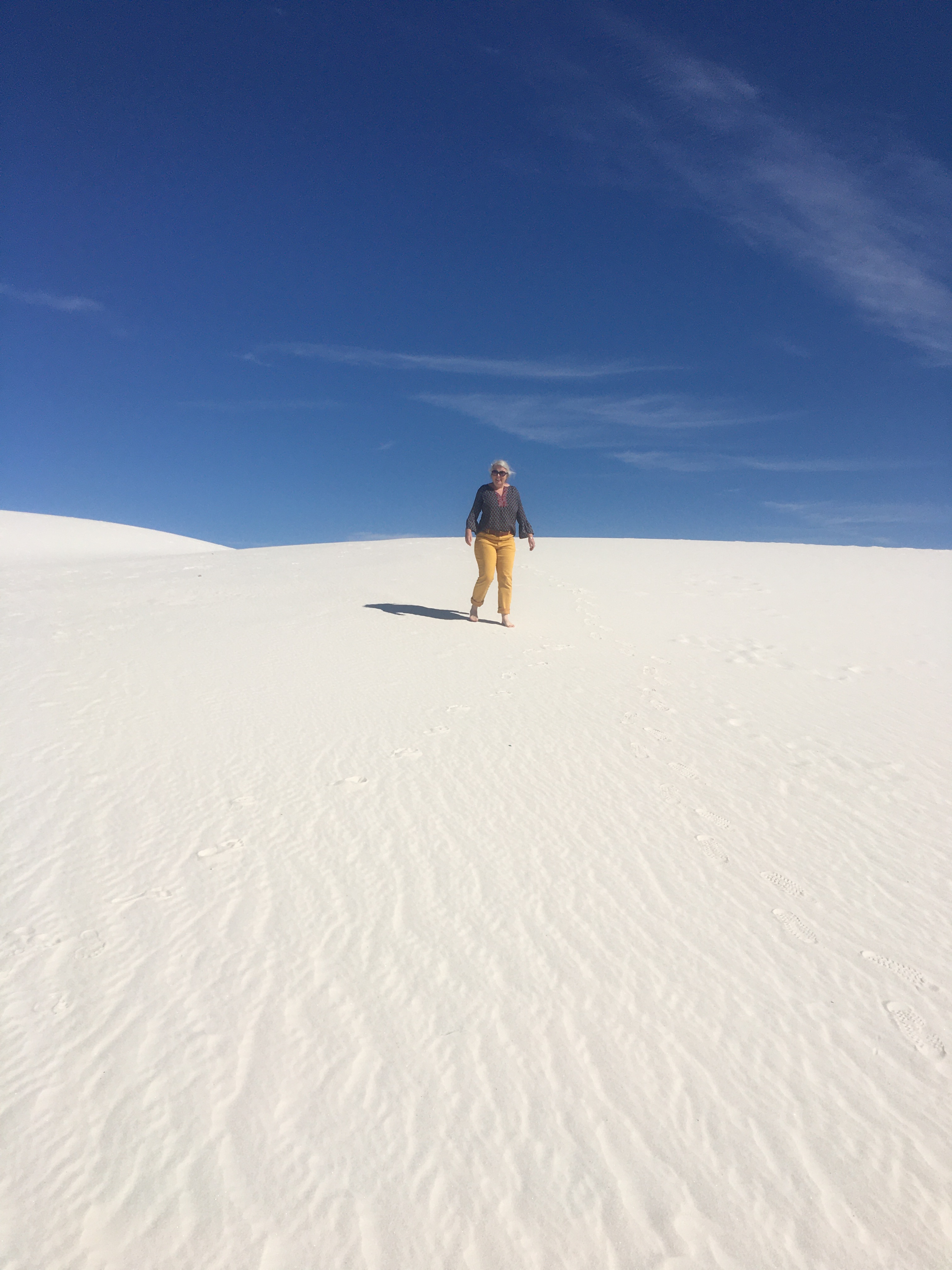
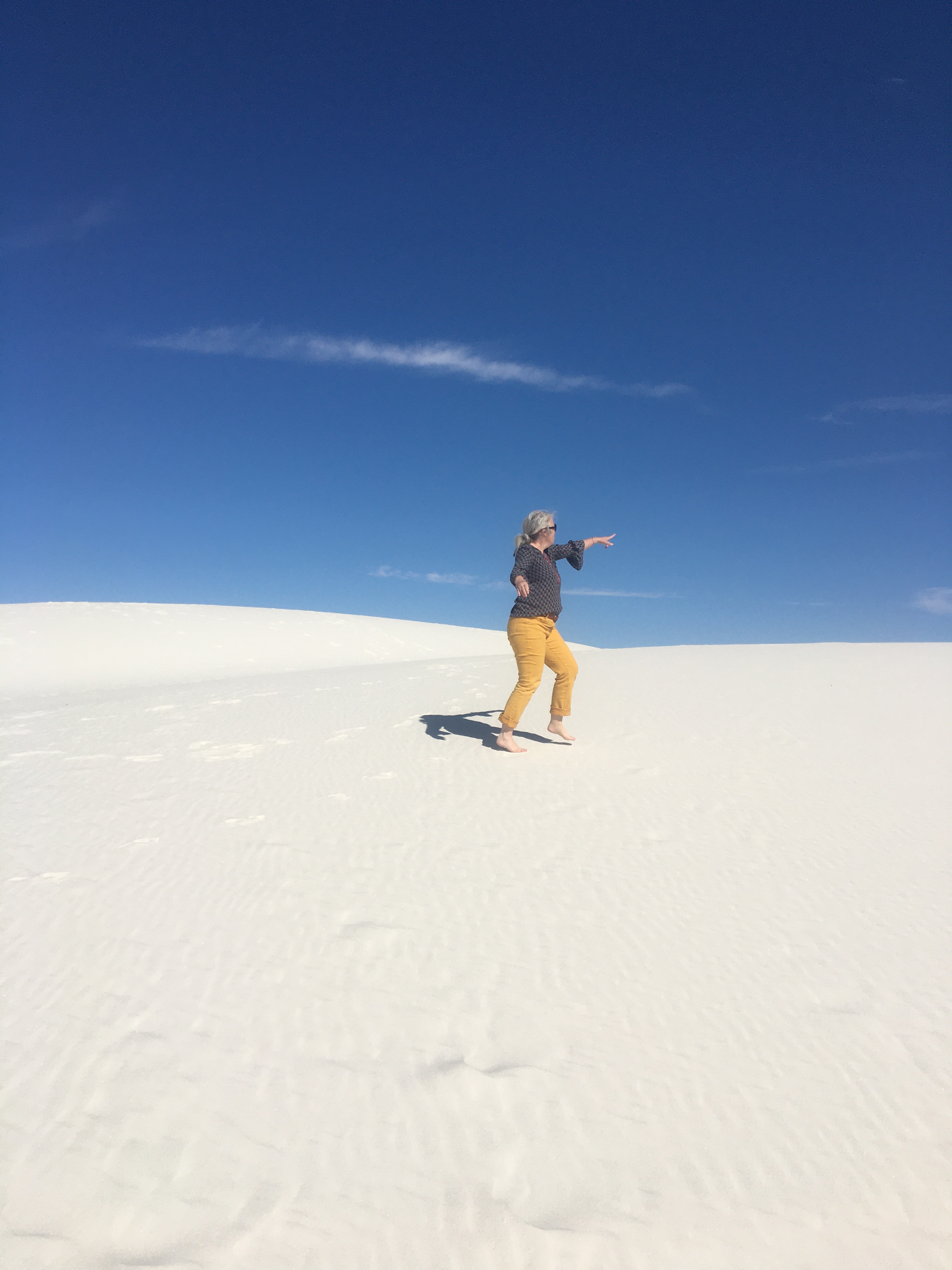
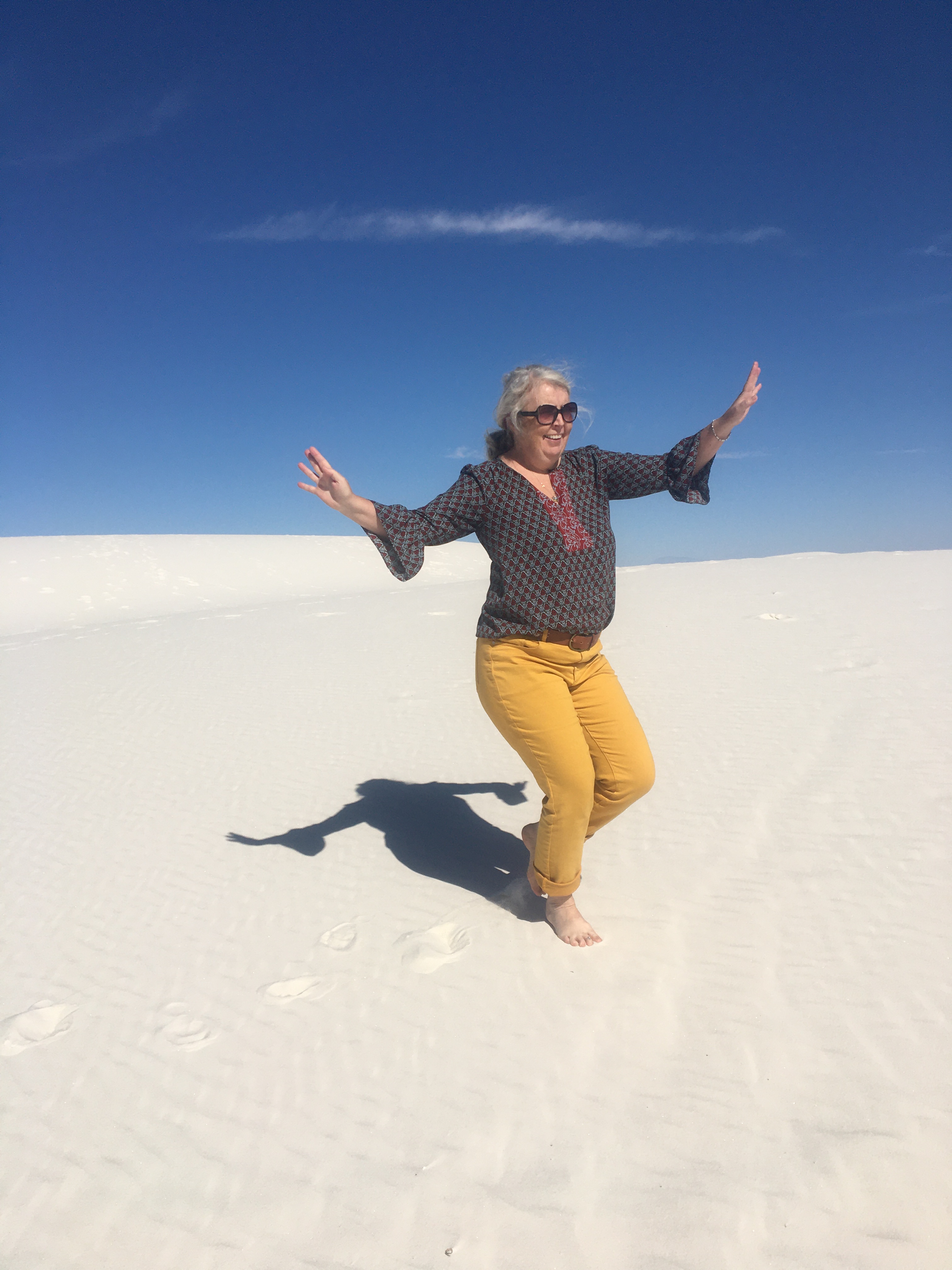
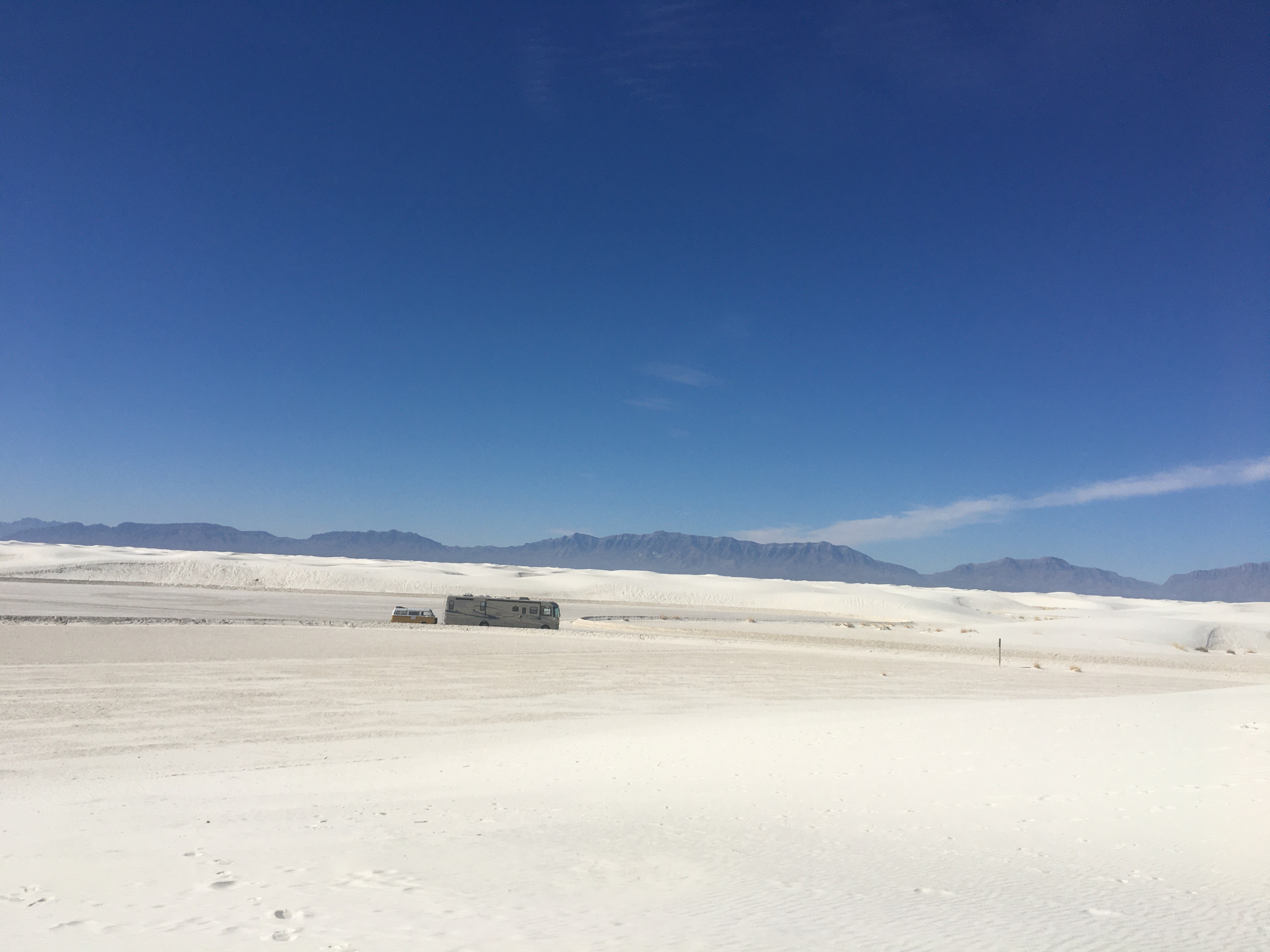
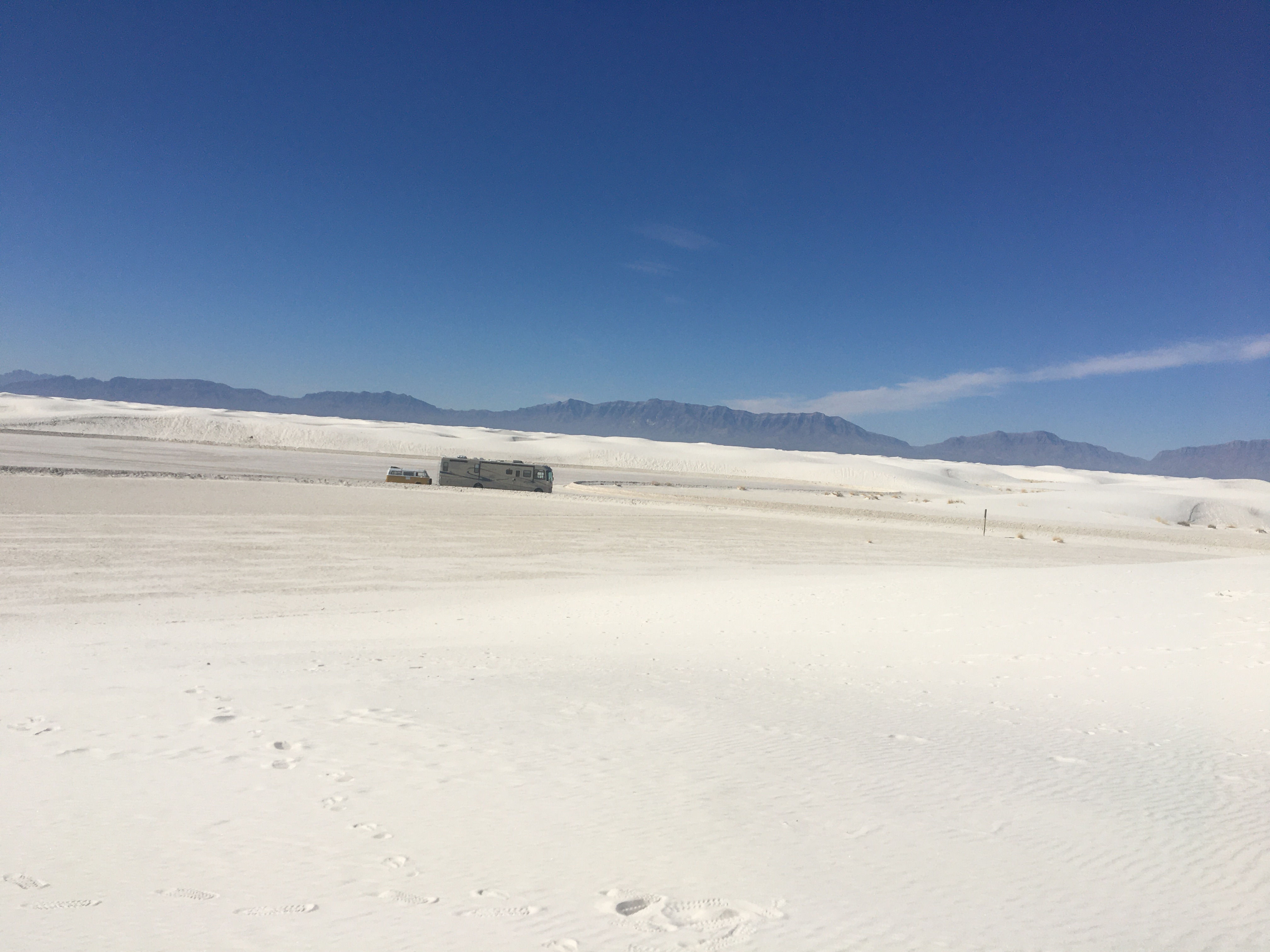
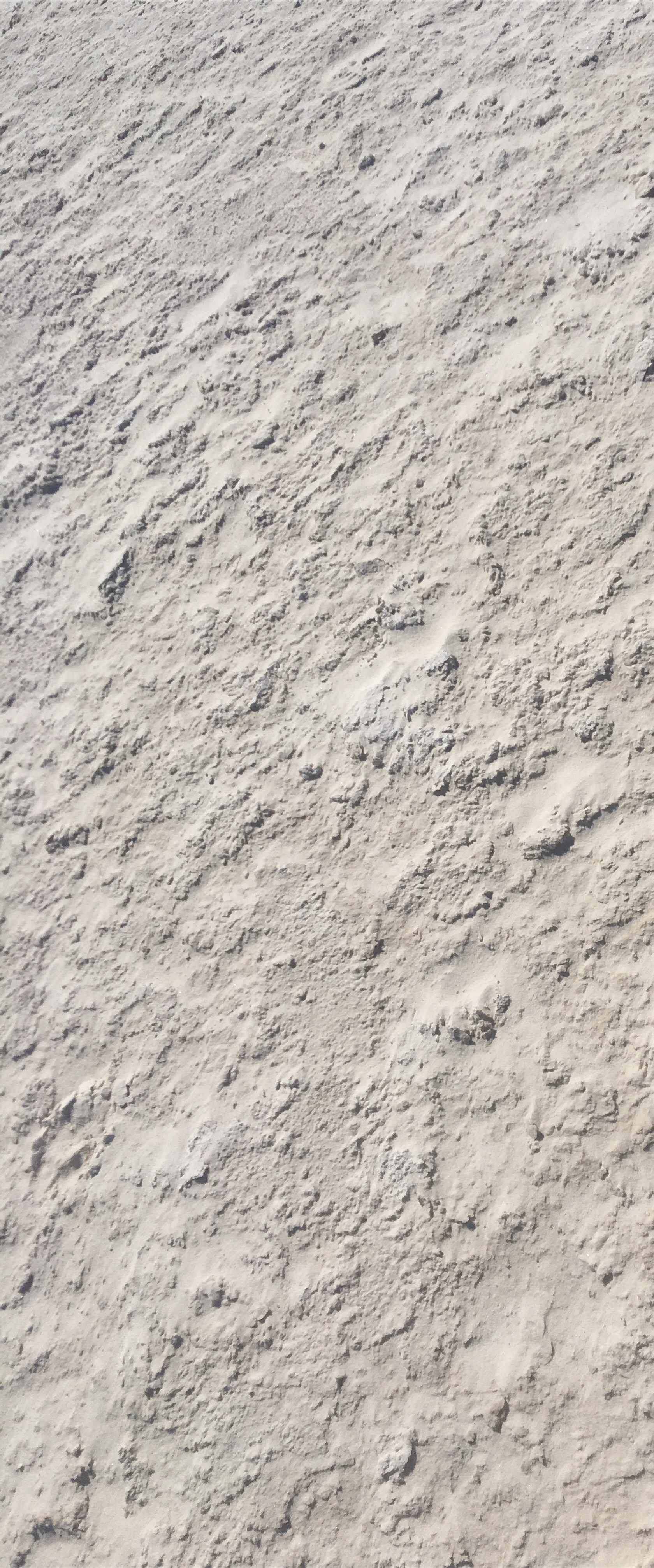
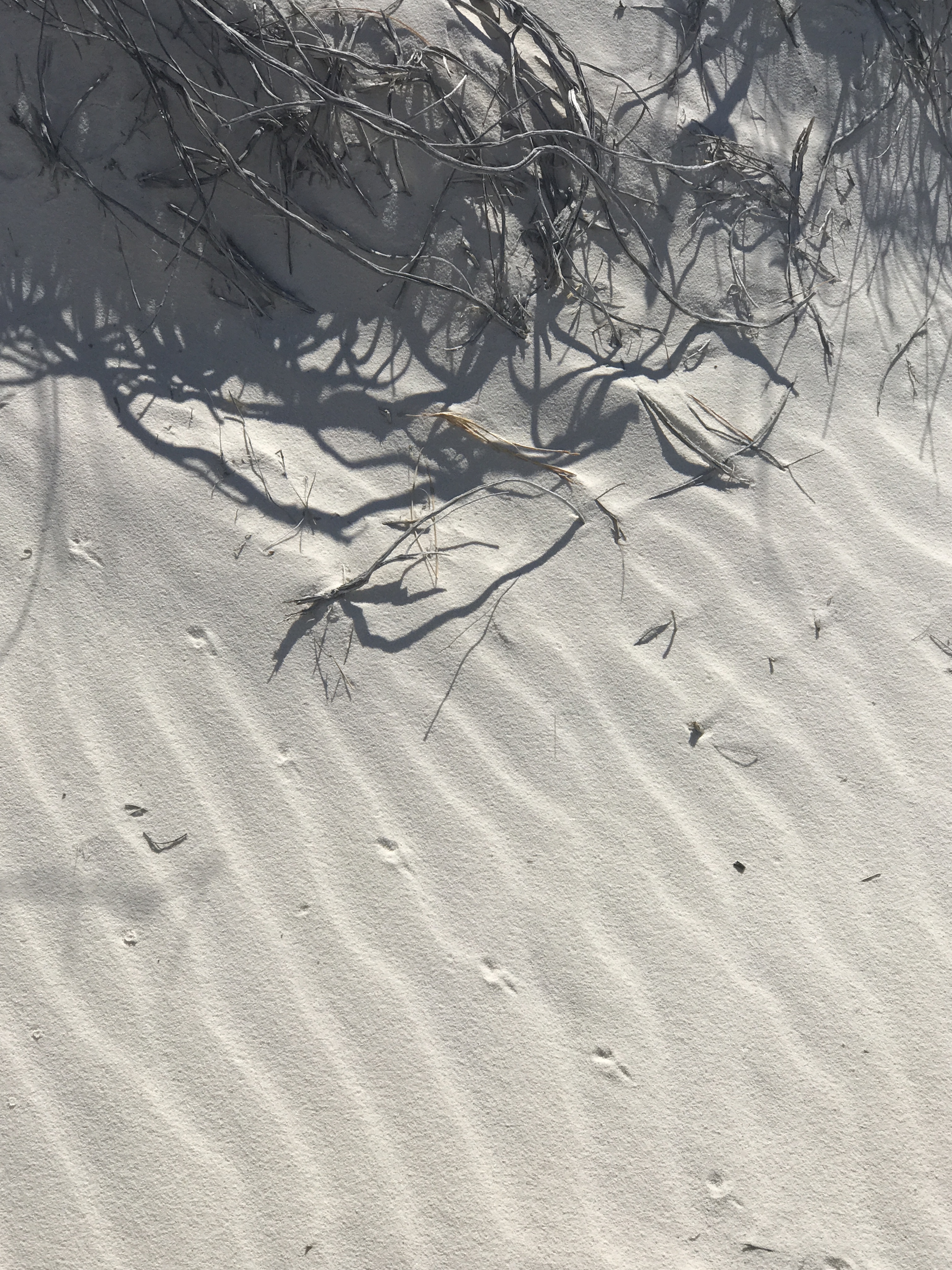
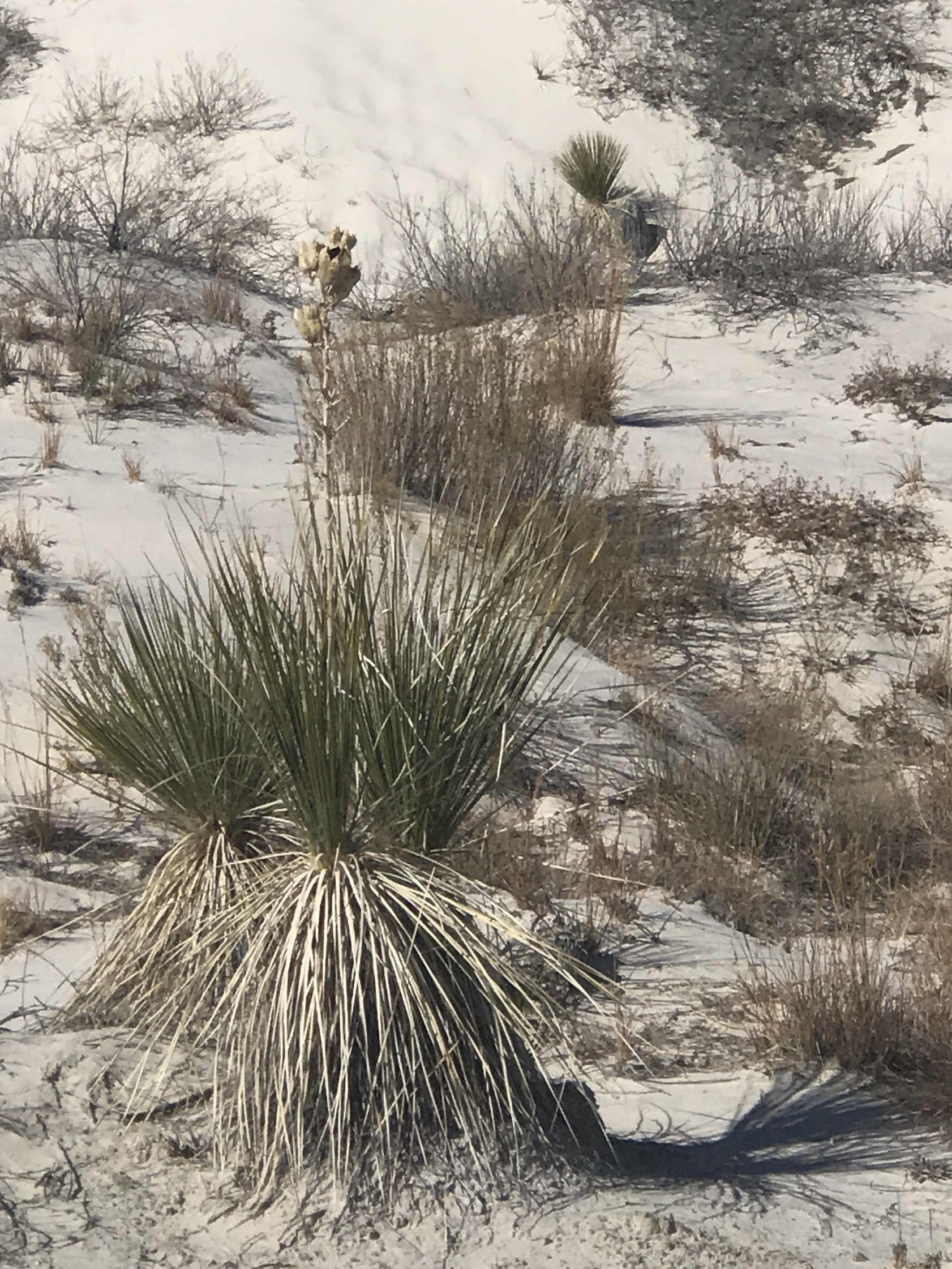
Visiting the world’s largest gypsum dunefield on a sunny morning was like visiting the moon. Our brains interpreted the hard-packed gypsum road as a snowy road lightly sanded in winter. With constant shifts in the dunes from daily winds, a park employee is kept busy plowing and grading the 8-mile loop road and large pullout parking areas.
The outdoor temps were gorgeous and we walked barefoot through the dunes. Again, our brains were slightly confused by the visual and sensory conflict; the dune looks like it should be hot sand, but the texture of cool, smooth gypsum feels like talc.
We had to stop for a photo with the world’s largest pistachio.







































 Where in the world are the Gills?