The sun is shining, the grass is green The orange and palm trees sway I’ve never seen such a day in Beverly Hills, L.A.
(excerpted from “White Christmas” by Irving Berlin)
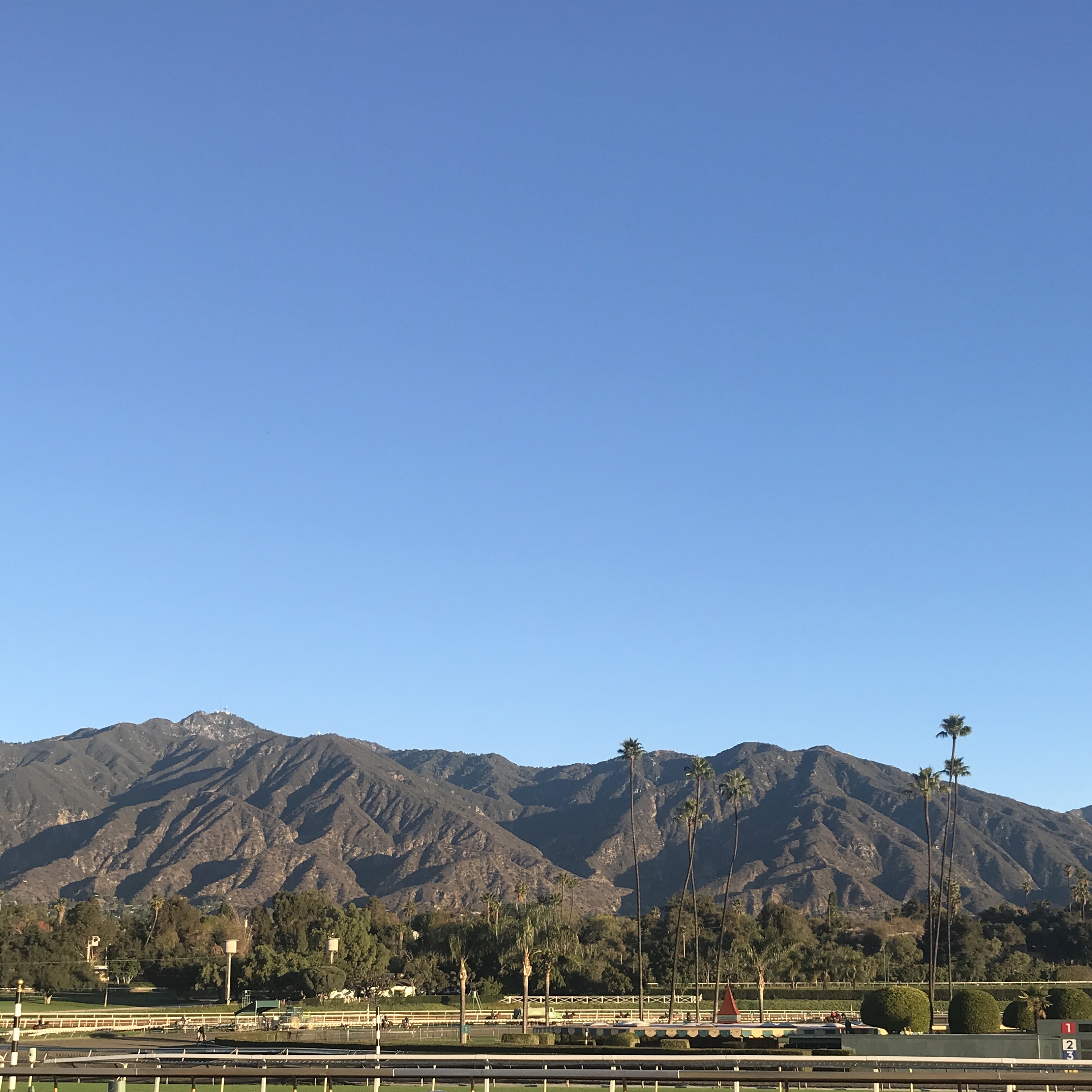
View from Clocker’s Corner at Santa Anita Park
Well, we actually visited Pasadena and Santa Barbara – not Beverly Hills! But the sun did shine on our friends’ green gardens and citrus trees and Sarah is dreaming of Christmas away from the snow!
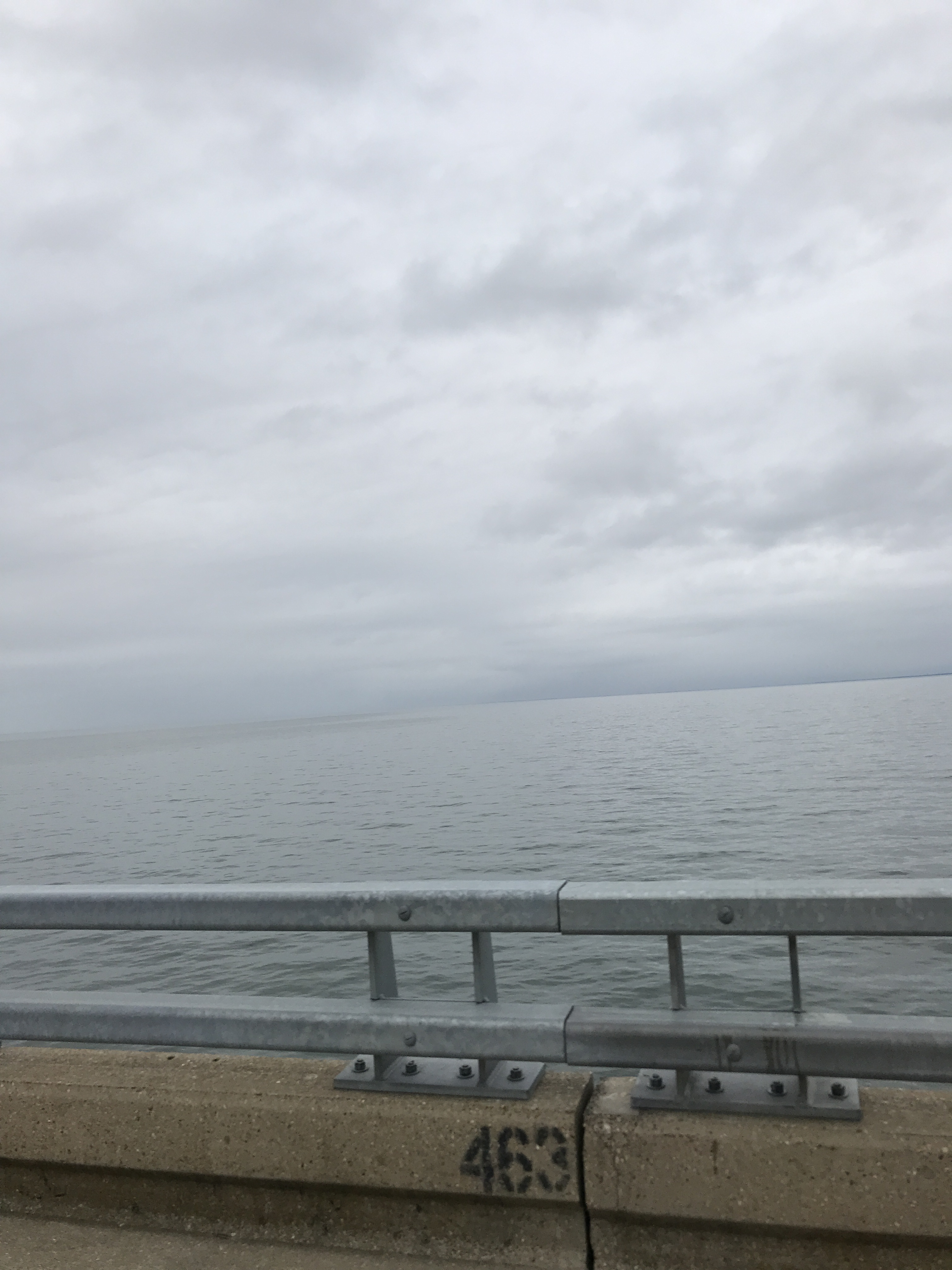
Joe was born and raised in Boston by the Atlantic; lived for a time in New Orleans near the Gulf of Mexico; and moved to California’s Pacific Coast in order to find Sarah. We purchased our Cape Cod home with the intention of retiring near the sea. We have visited all three ocean borders of the U.S. on this epic road trip. There is something primal and restorative about a saltwater shoreline.
A quick internet search reveals that there is some scientific evidence for why humans seek the solace of the sea. Sea air has higher levels of oxygen and negative ions which balances our serotonin levels, helping us to sleep better. Looking out at the vast water towards an endless horizon puts our worries into perspective. Listening to waves lowers our heart rate, promoting a sense of calm. It’s no surprise that sea water is rich in many minerals that are curative to humans, as we are “ugly bags of mostly water.”
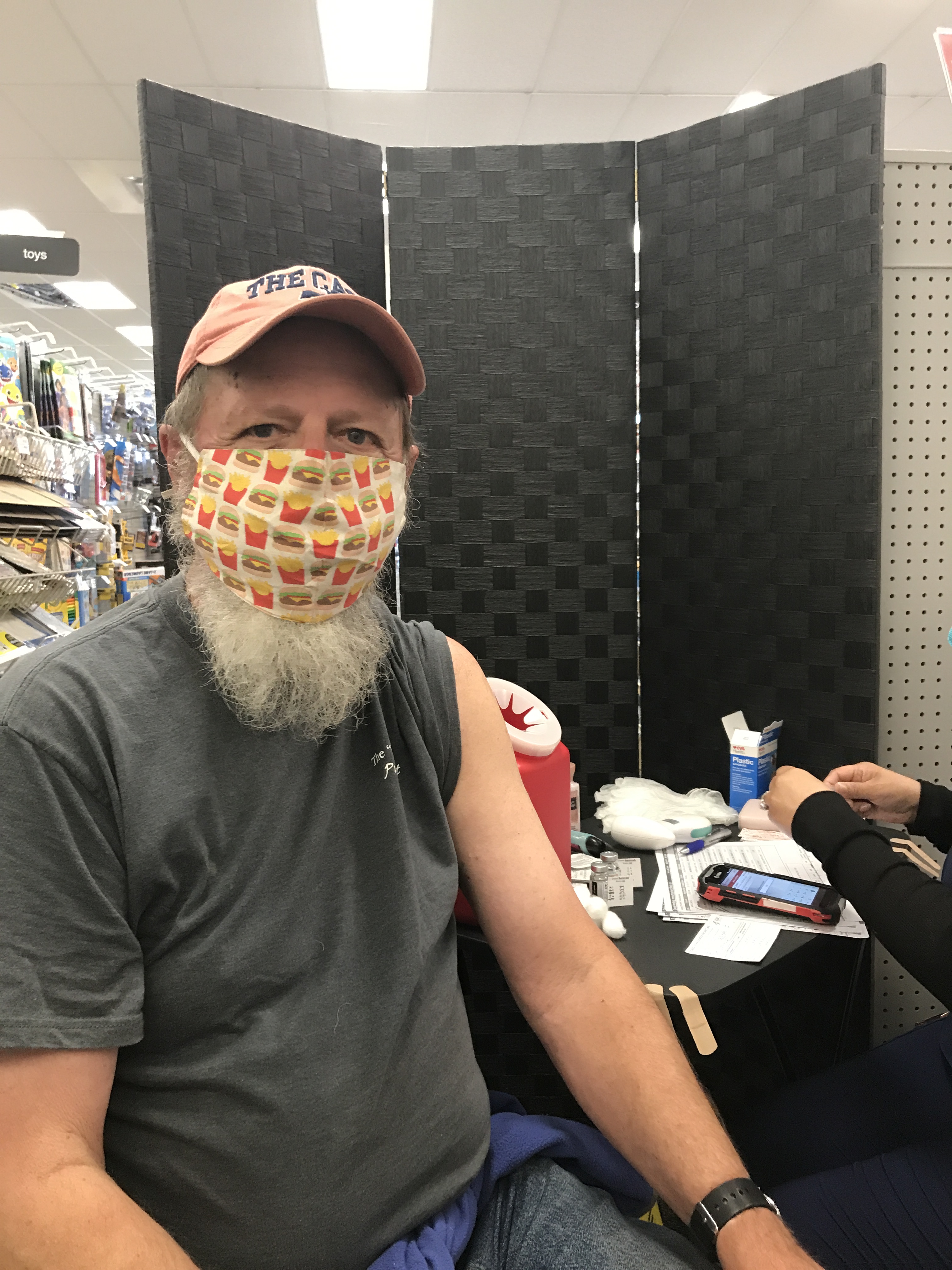
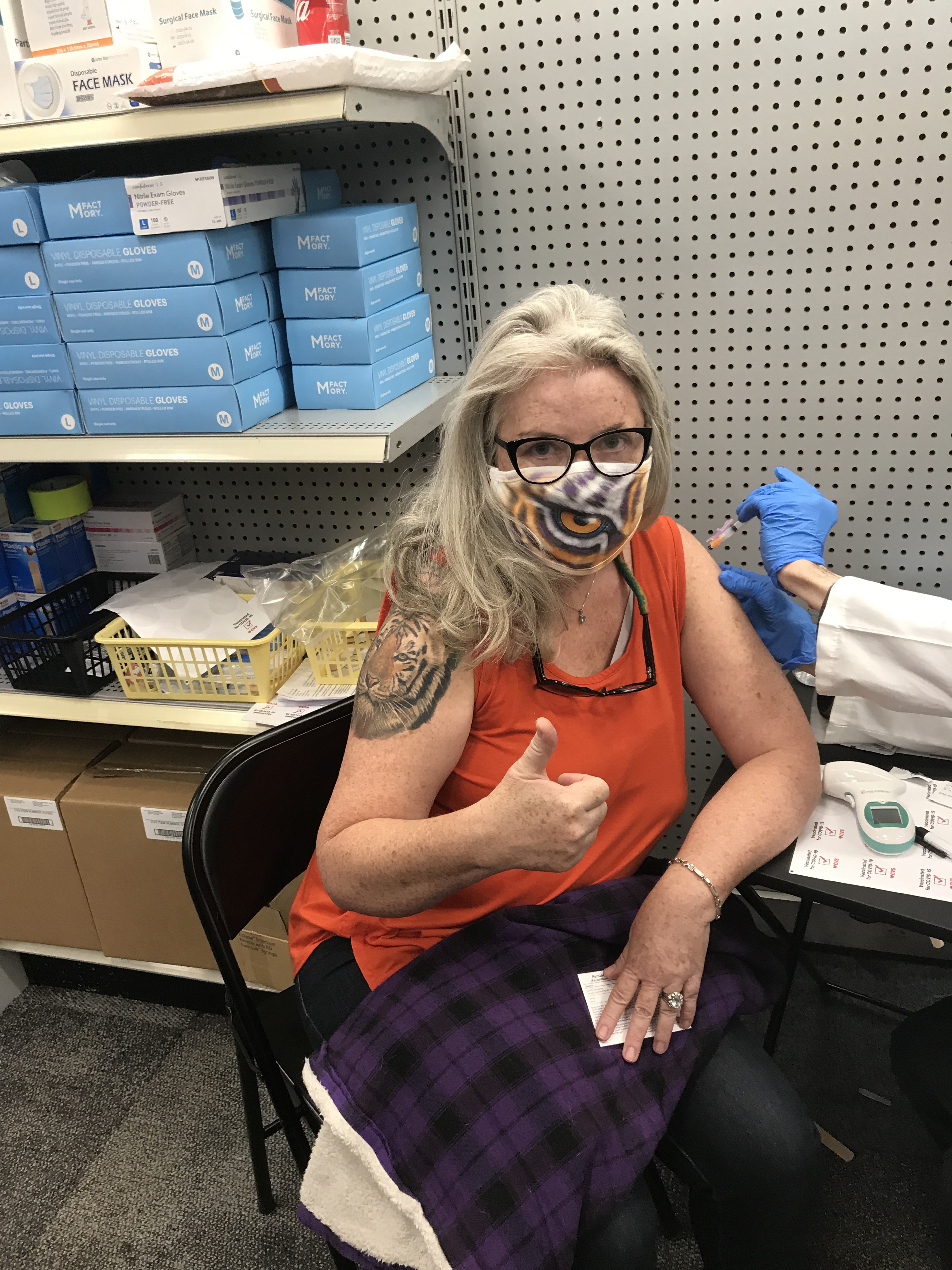
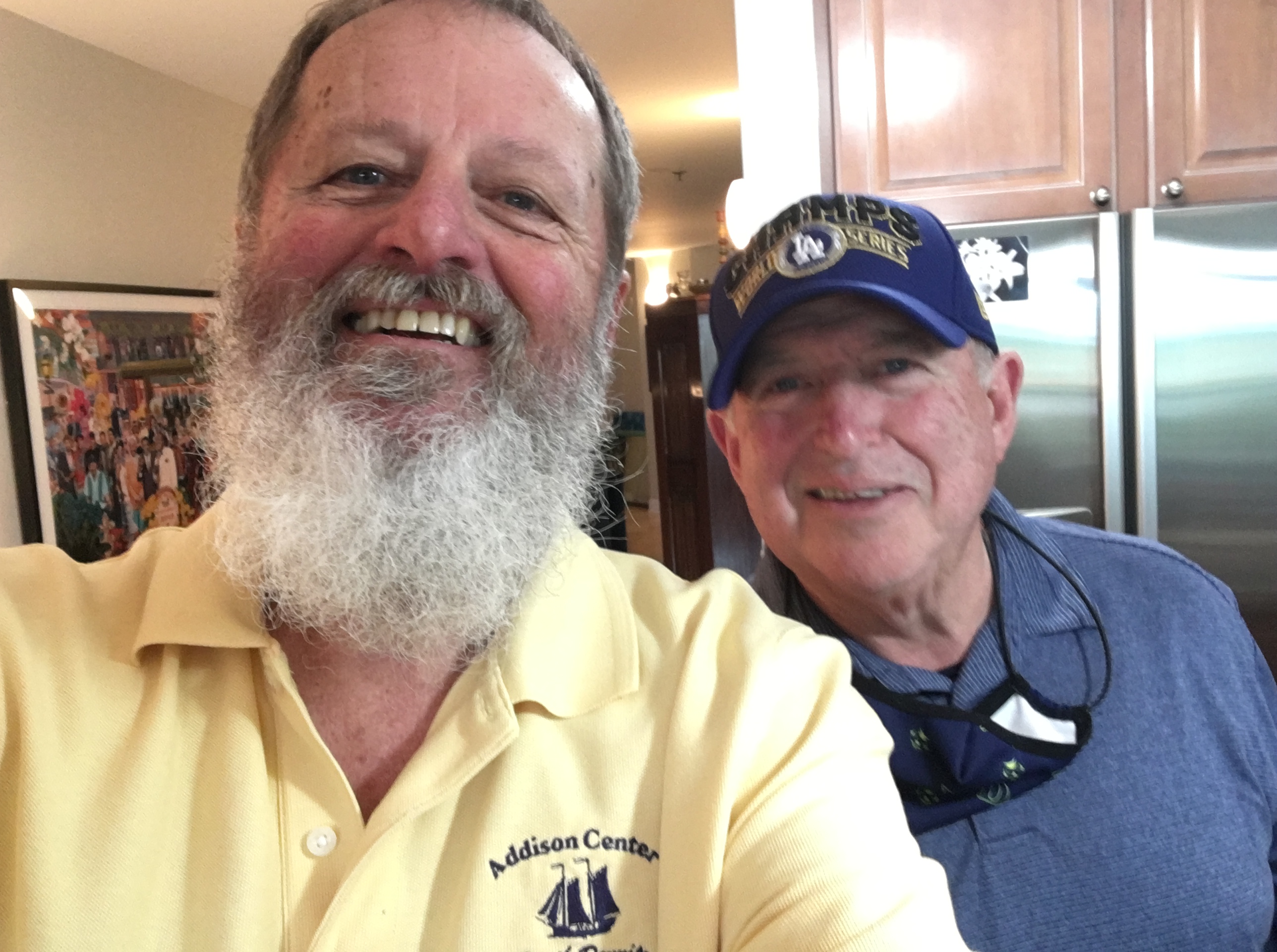
It is with deep gratitude that we bid adieu to Newport Beach, after two glorious weeks of sunshine, beachwalking, and bonfires. And we are thankful for receiving our second doses of covid vaccinations.
We made it to California. 6000 miles in 4 months. We really hoped for more sunshine and warmer weather this trip, but unusual climate events have overtaken us at many of our scheduled stops. Our friend, Sam, has stopped watching the Weather Channel and instead looks to see where we are to know where the latest freak storm has hit the U.S.
It is 50 degrees Fahrenheit and raining here in Southern California, as we post this today. We’re really glad we packed our winter clothes.
We tend to use the word “desert” to describe emptiness. For example, “The old house was deserted, after the family moved out ten years ago.”
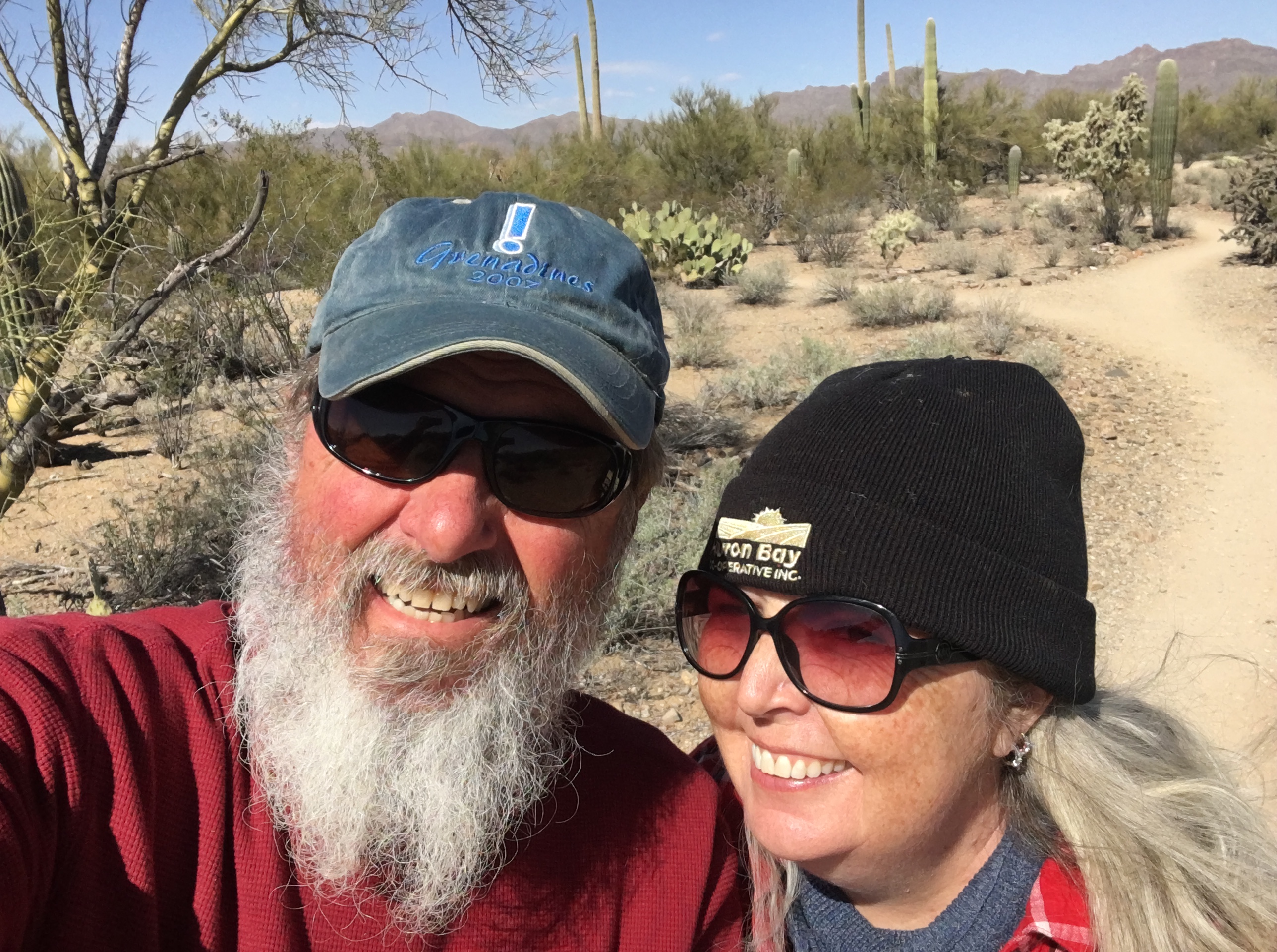
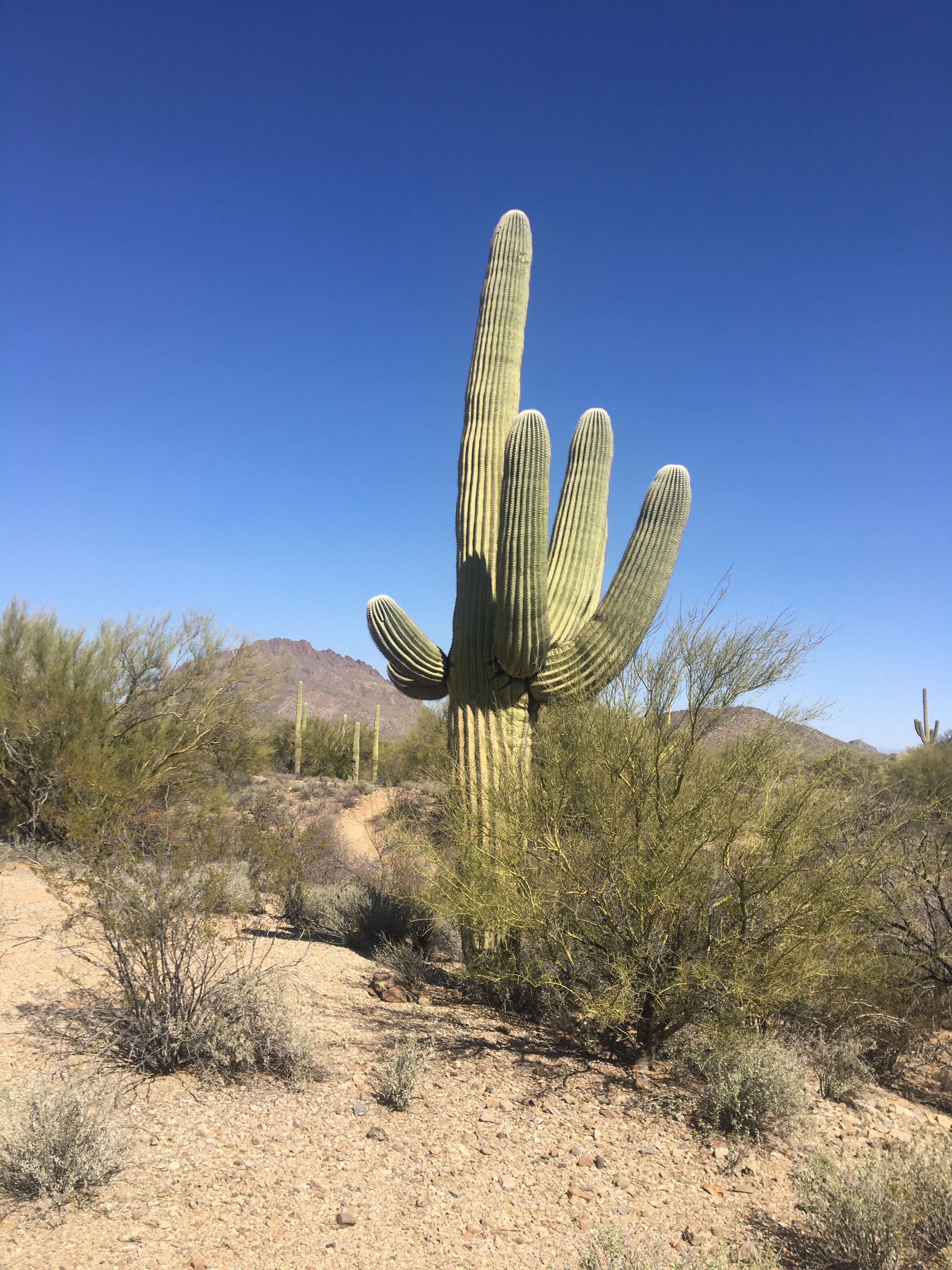
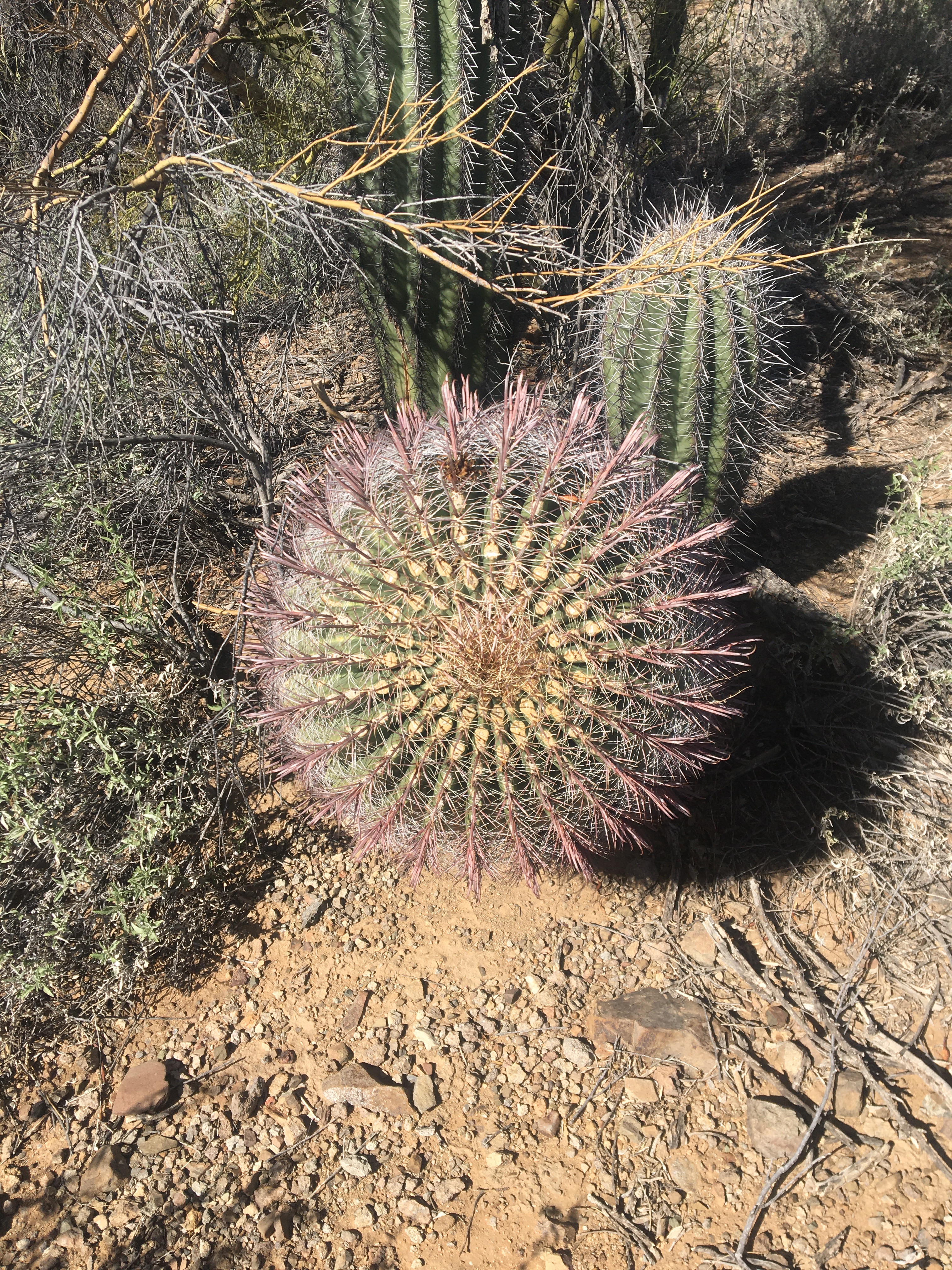
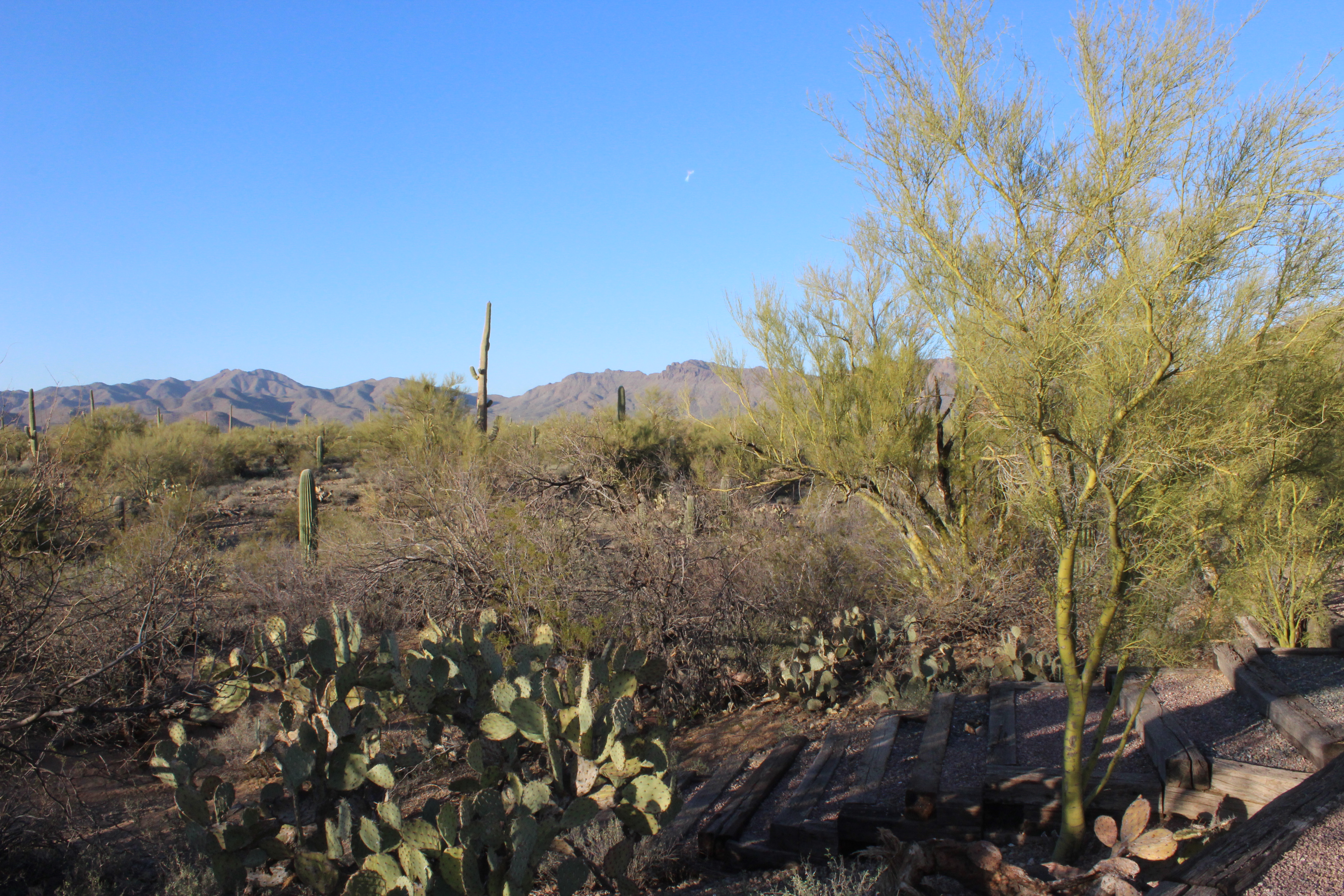
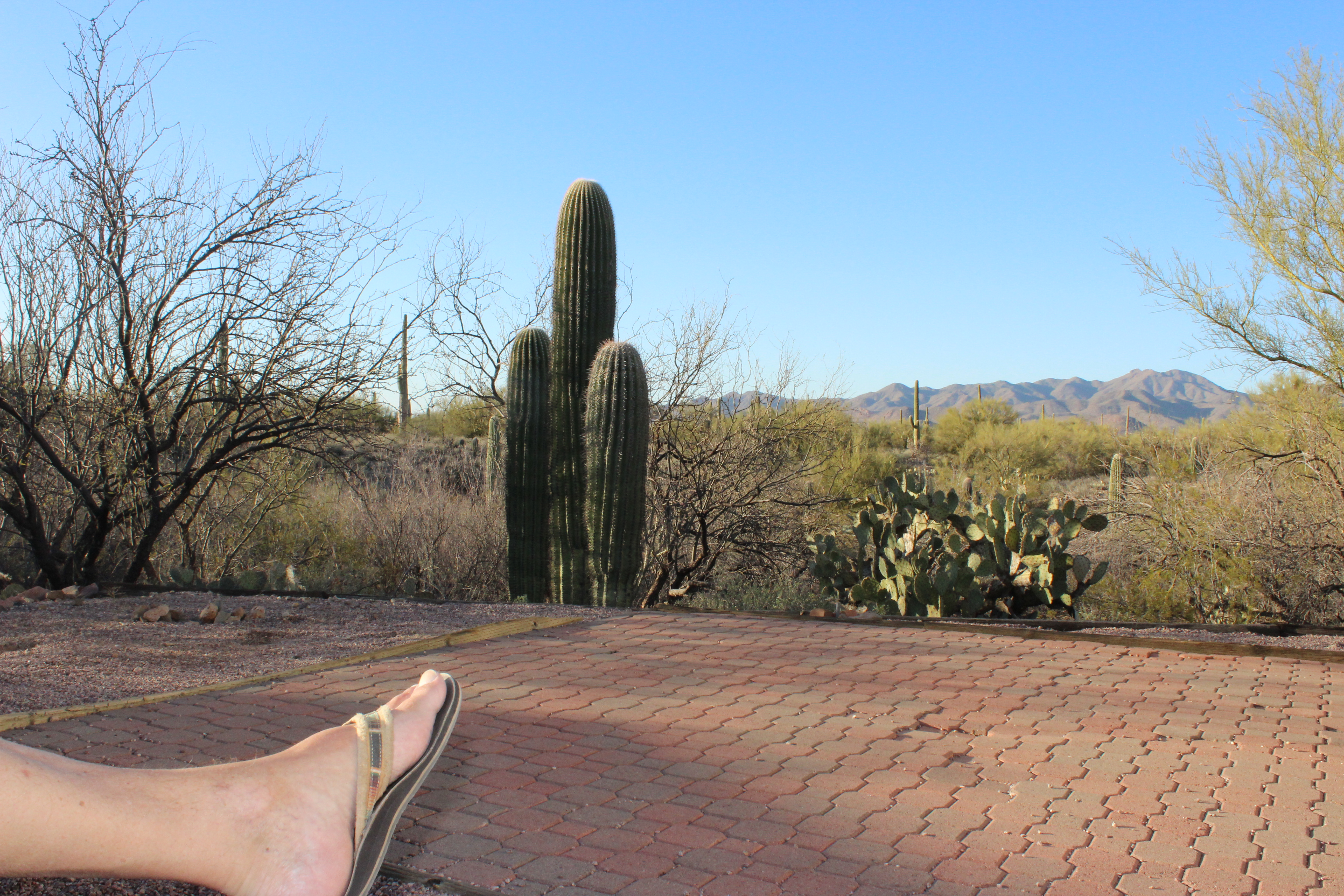
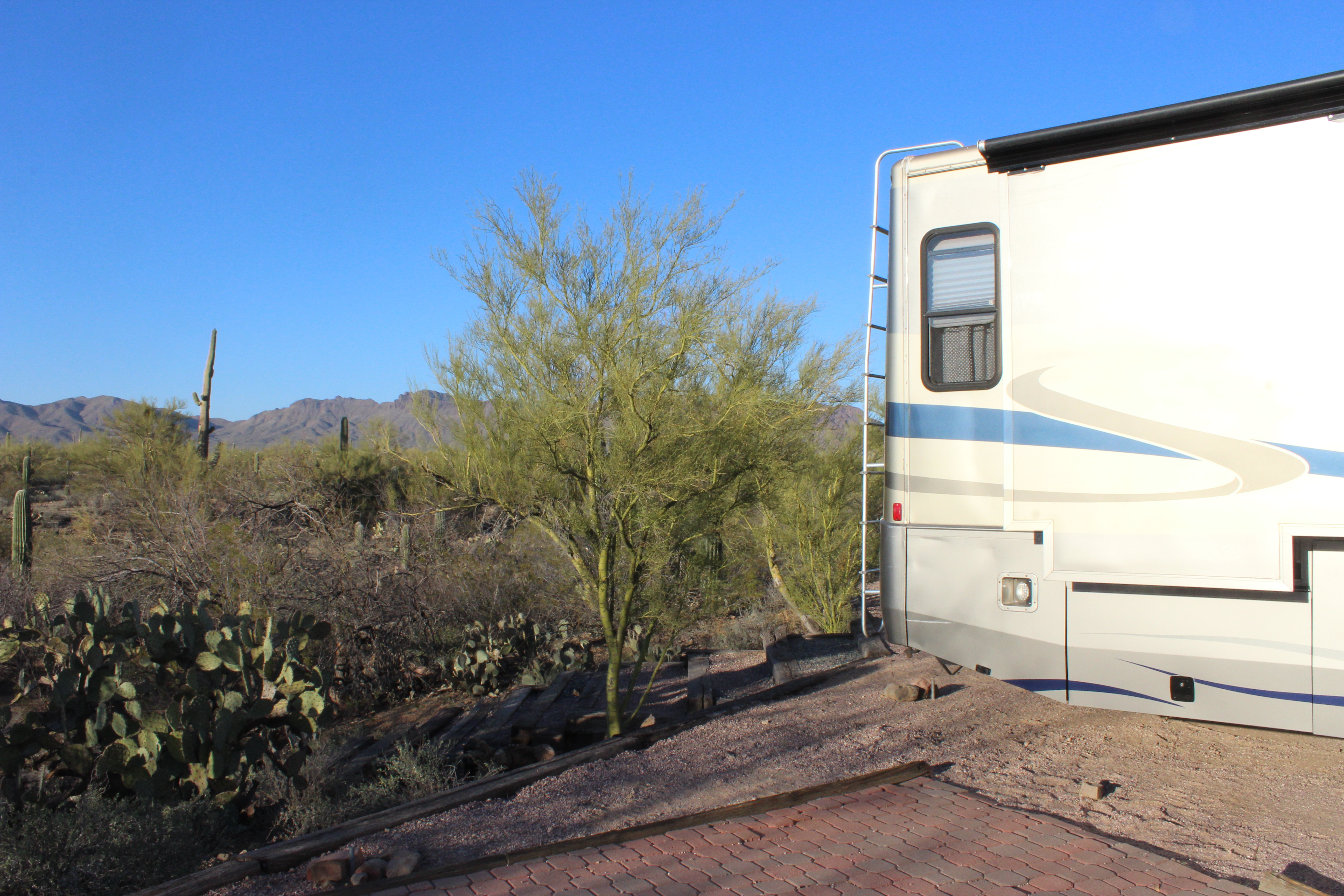
But our experience with living on the edge of the Sonoran Desert near Tucson, AZ confirms for us that the desert is teeming with a variety of plant and animal life. A pair of Great Horned Owls and singing coyotes serenaded us each night this week. At dawn and dusk, the bunnies and mourning doves were busy. One morning, a Gila woodpecker amused Sarah by tapping fruitlessly on a neighbor’s plastic TV antenna atop their trailer. And the Saguaro are endlessly fascinating in their assortment of sizes and shapes.
Saguaro grow slowly. Arms may appear when the cactus reaches 9-10 feet tall (around age 40+). This increases the water storage capacity of the plant and increases its procreation potential by producing more blooms. It might take 75 years before it first blooms. They are considered adults when they reach 125 years old and with optimal temperature and water conditions may live to be 200 years old.
Nan Burn, head of the Desert Foothills Land Trust’s Desert Awareness committee, says, “They’re pretty magical cacti. Against all odds they survive. Each root has about 2,000 seeds and the odds of them germinating are incredibly small. I have great respect for them.”
But not everyone has respect for them. The East Valley Tribune reported on a story of two dunderheads:
In 1982, two roommates who apparently were neither particularly conservation-minded nor of superior intelligence grabbed their shotguns and ventured out into the desert just west of Lake Pleasant.
One of them decided to blow up a cactus or two, and, finding the first, small one easy, took aim at a 26-foot-tall saguaro that was estimated to be 100 years old. He blasted away, severing a four-foot arm that fell on him and killed him.
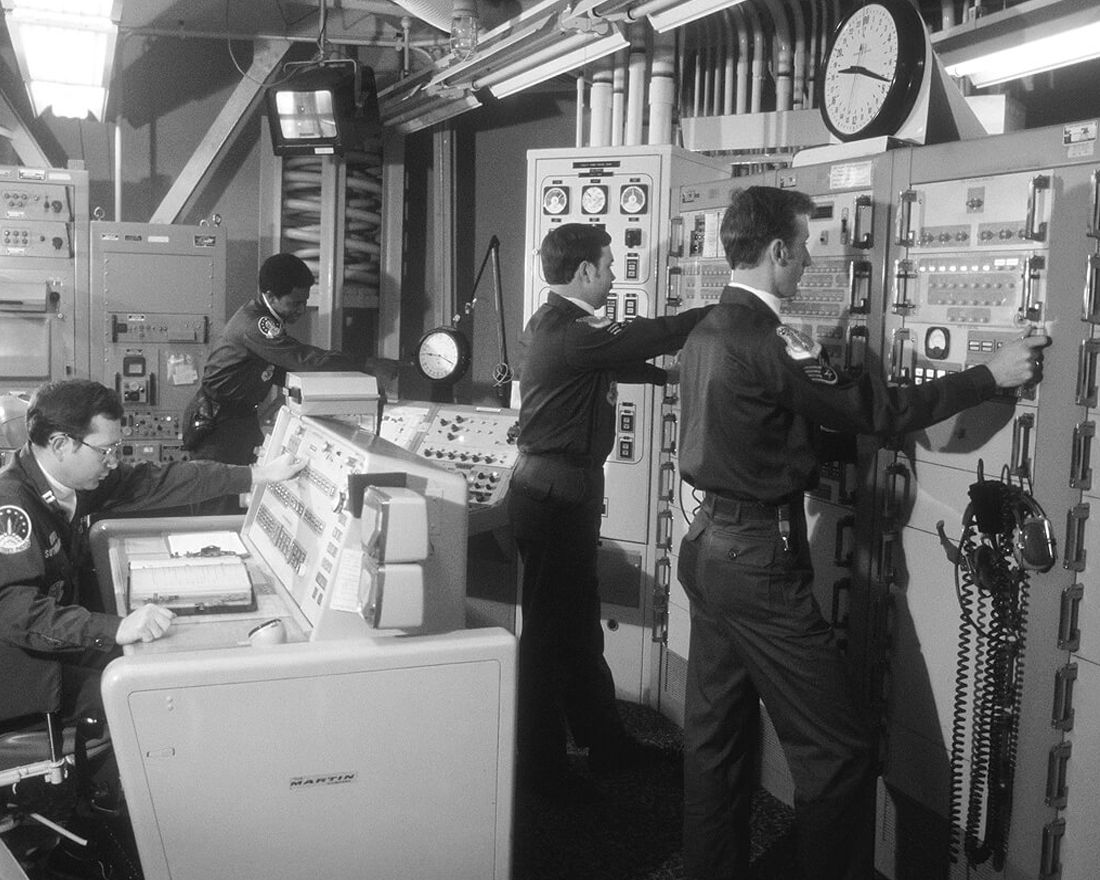
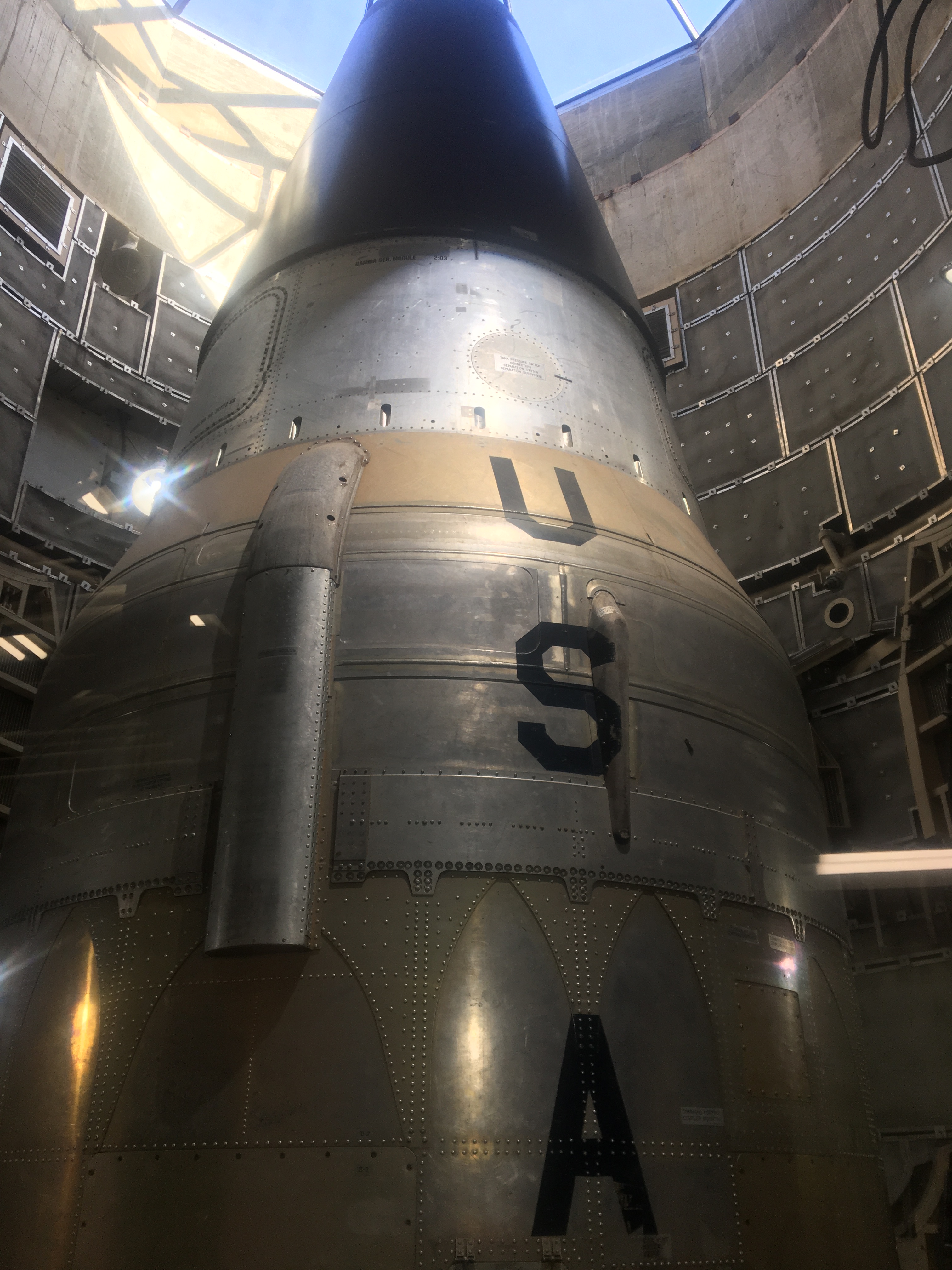
We spent an afternoon touring the Titan Missile Museum, which is the last of the 54 Titan II missile sites that were on alert across the United States from 1963 to 1987. Our guide, Dave, actually worked at the site for ten years in the 1970s. Originally from Worcester, MA, he joined the Air Force straight out of high school and was part of a team of four men from the 390th Strategic Missile Wing hosted by Davis-Monthan AFB. His team worked 24-hour shifts underground keeping the Titan II missile on alert as part of the ICBMs deployed around Arizona, Kansas, and Arkansas. When not on missile silo duty, Dave was training, problem-solving, and being evaluated weekly by psychiatrists.
As we toured the site, Dave told us specifically the safety measures and redundancies that were built into the missile silo and its maintenance. A red bucket hangs by the second telephone (after you give a code at the first telephone by the gate you have three minutes to reach the second phone by the door) which is where the team’s commander would burn his entry code after reciting it into the second telephone. As we descended 55 steps underground, we observed these huge tension coils and learned the whole silo was essentially suspended so it could withstand a Soviet attack and still be able to fire its rocket in retaliation.
Peace through deterrence is the theory that all nuclear-power governments promise only retaliatory annihilation; therefore no one will want to be the first to strike, because it would guarantee World War III and the mutual destruction of both countries (e.g. the Soviet Union and the United States). Listening to Dave, the feeling of finality, knowing that their mission was to kill the people of another country, and possibly end the world, is experienced by only the few men (and now women) who work with these nuclear weapons around the globe. We can never imagine the true burden that Dave and his colleagues have lived with. The juxtaposition of the way he alluded to the enormity of the responsibility of turning the key with the reality of his own certain death had a huge emotional impact on us. The psychological awareness and understanding of his role to complete his mission is unlike anything most of us will ever experience.
Dave walked us through the launch sequence, asking for two volunteers to sit at the command desk and work out the codes and turn the two keys. Sarah declined. But it was fascinating to hear Dave tell us what it felt like to work there for ten years. How every test alert was not known to be a test, because the drills were run as if they were real. For ten years, Dave and his crew-mates lived in a perpetual heightened state of readiness, not knowing if each day would be their last. They were consciously aware that the silo was a Soviet target and they would have only minutes to retaliate with their launch sequence, should incoming missiles be launched from a hostile nation. He says he still gets a funny feeling when he plays the alarm for tours.
Giant steps are what you take Walking on the moon I hope my leg don’t break Walking on the moon We could walk forever Walking on the moon We could live together Walking on, walking on the moon
Song by The Police
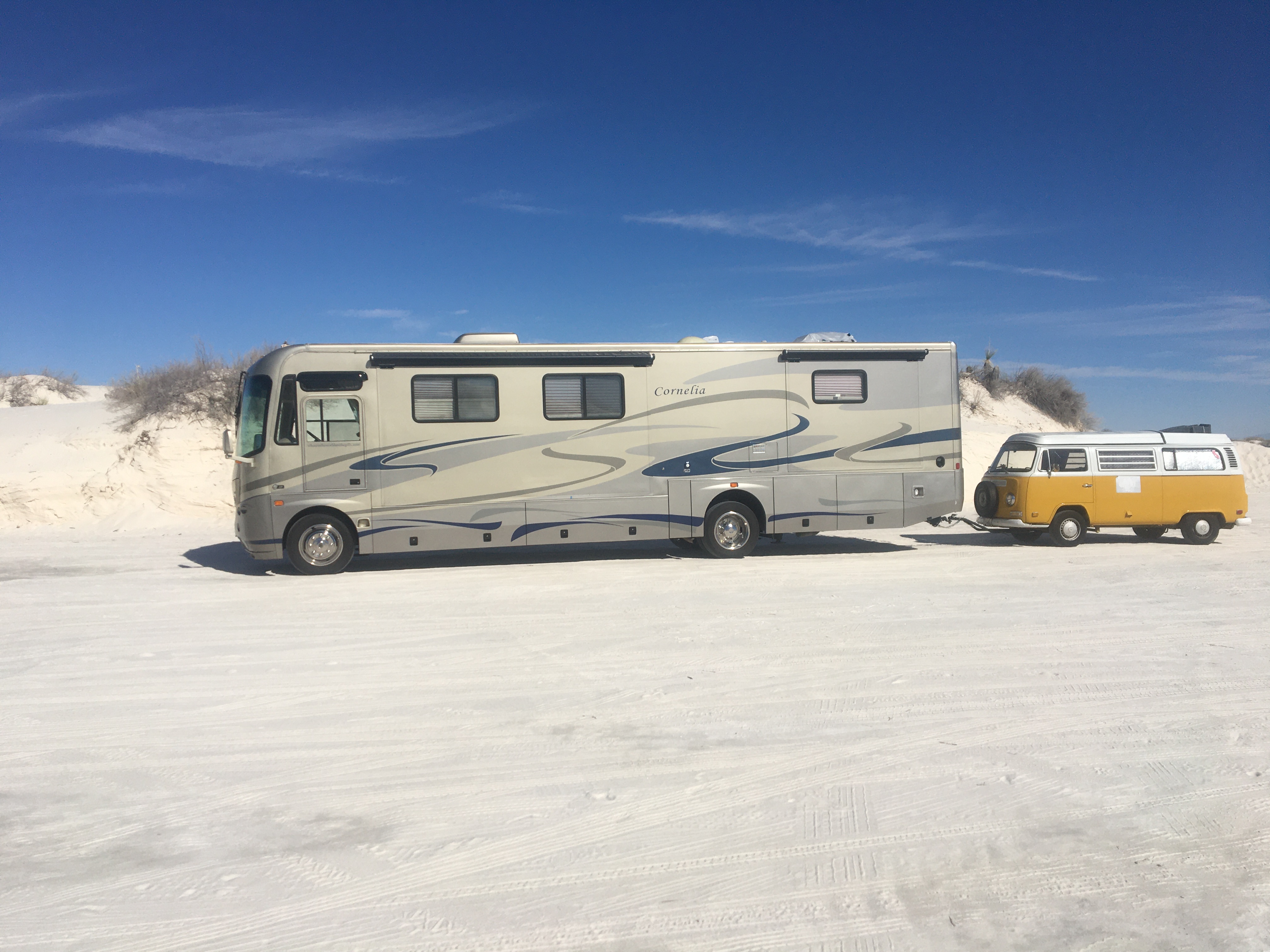
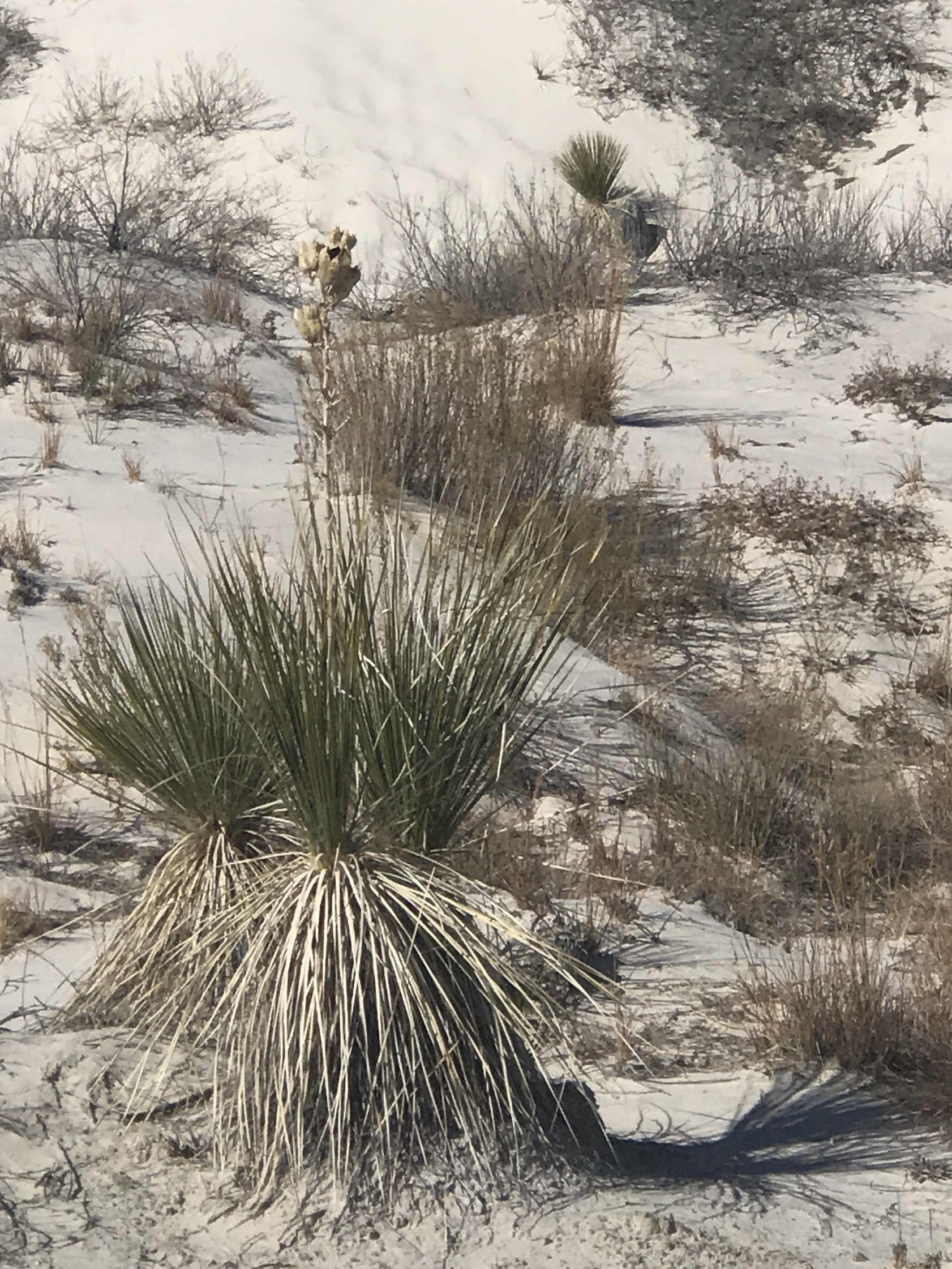
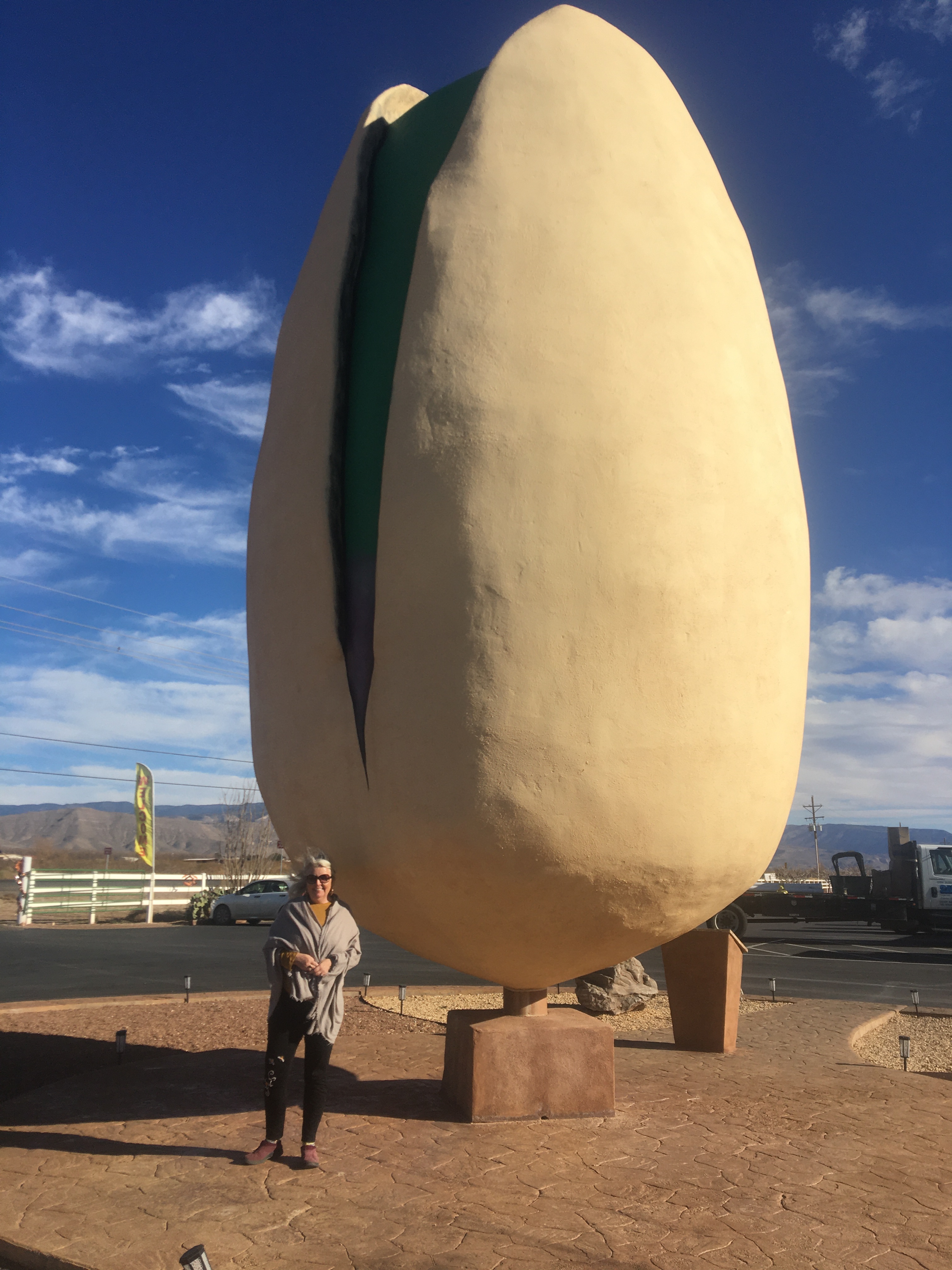
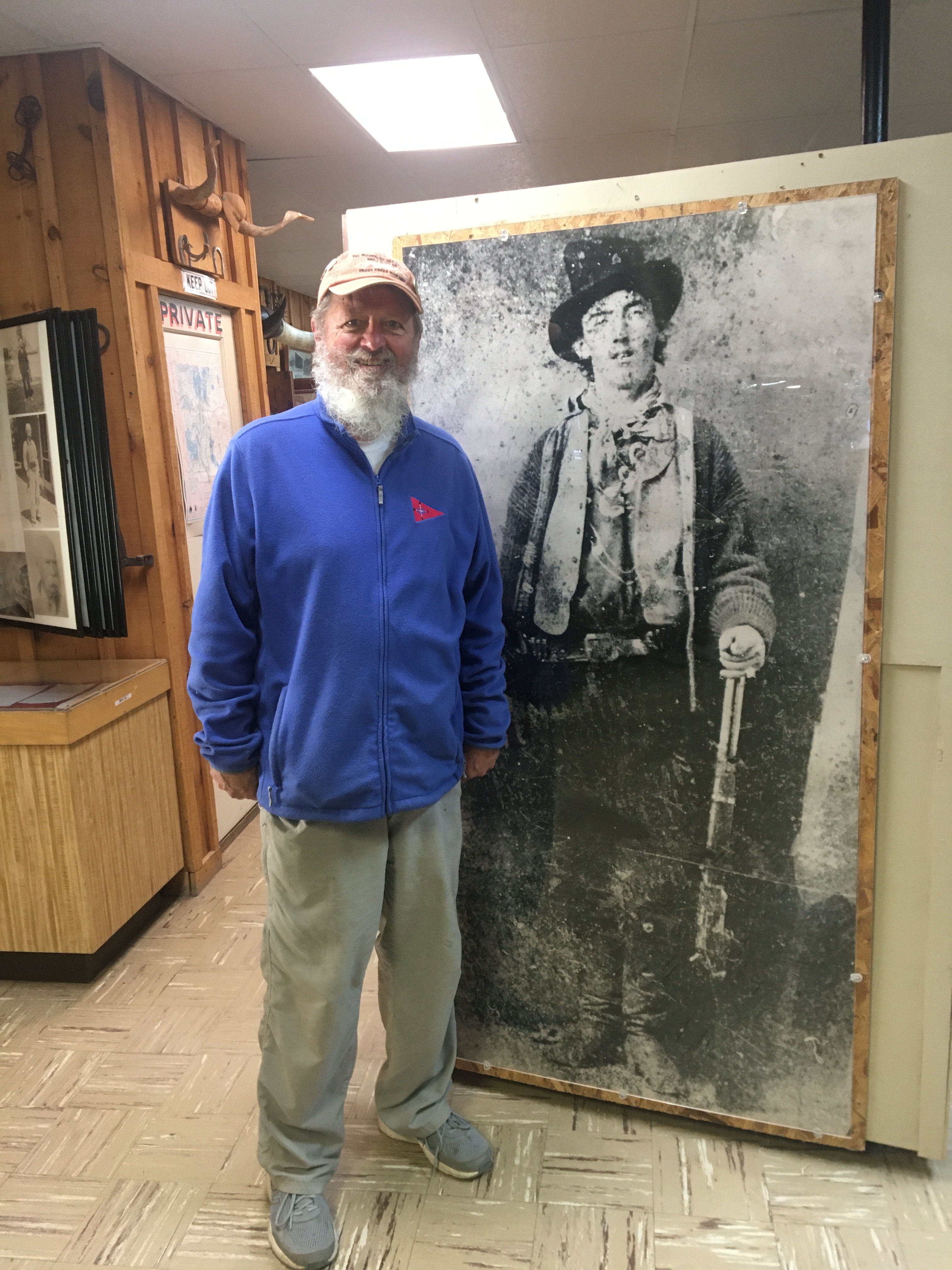
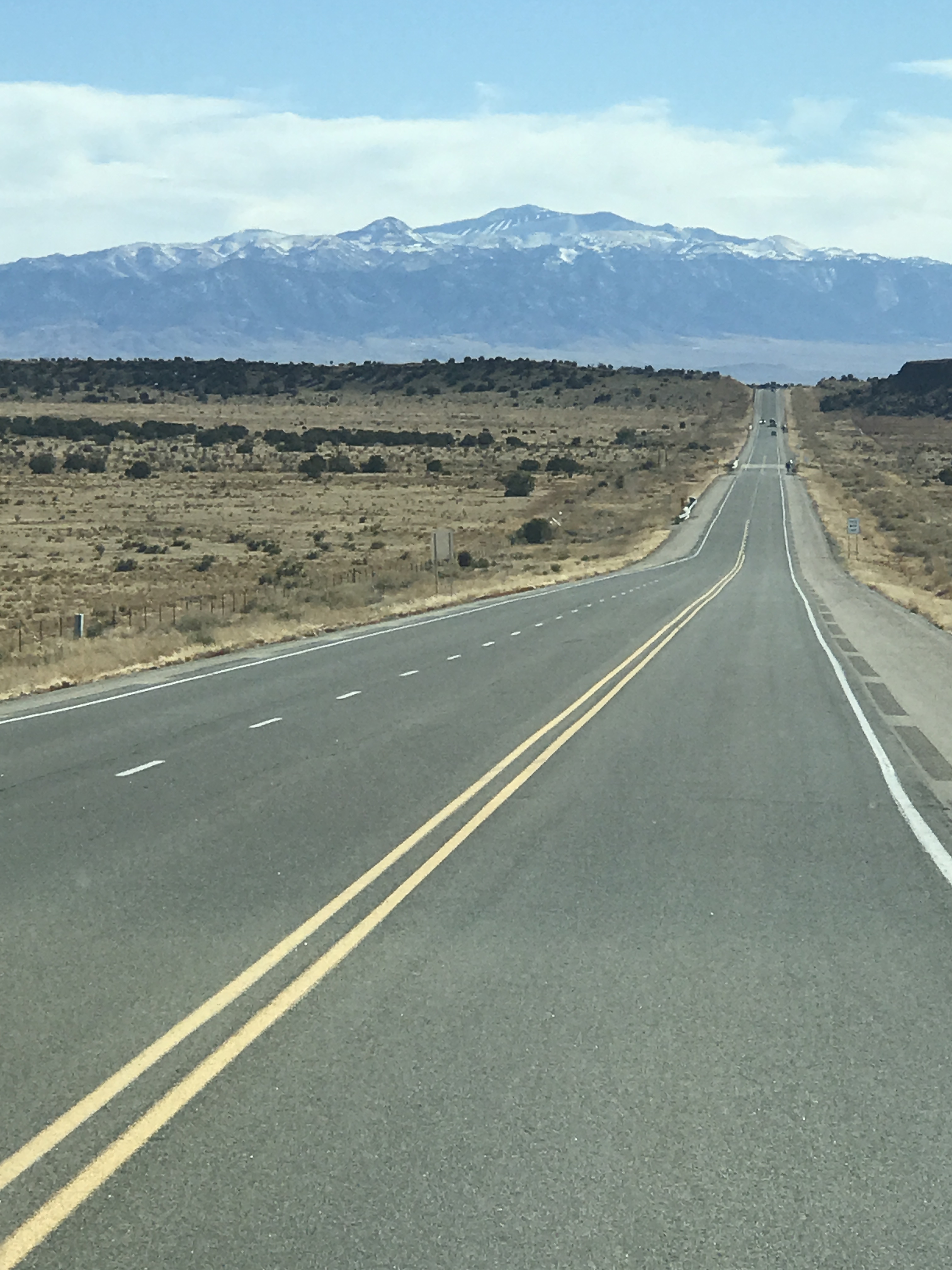
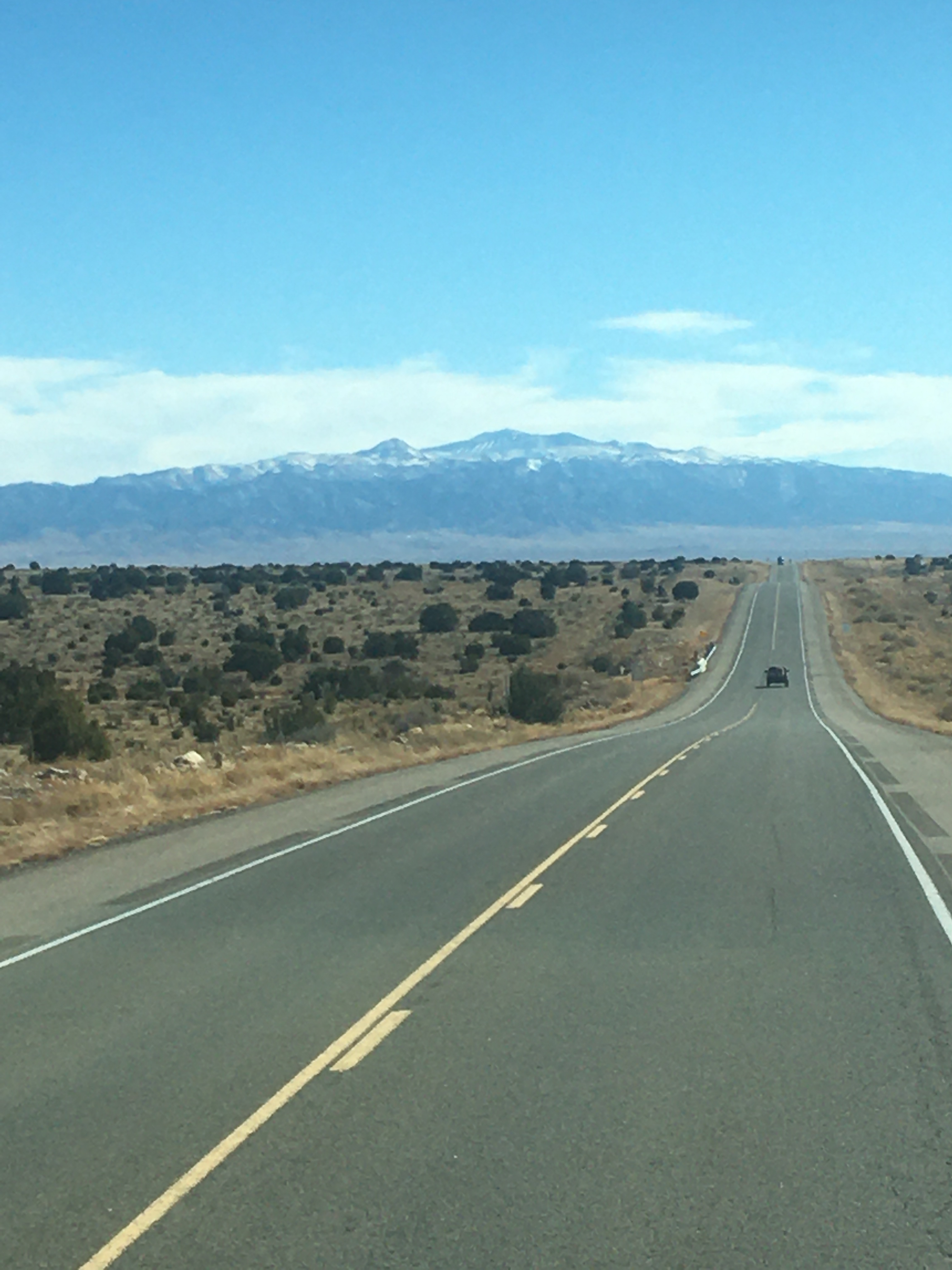
We only spent two nights in New Mexico, driving straight through with only three stops: Billy The Kid Museum, World’s Largest Pistachio, and White Sands National Park.
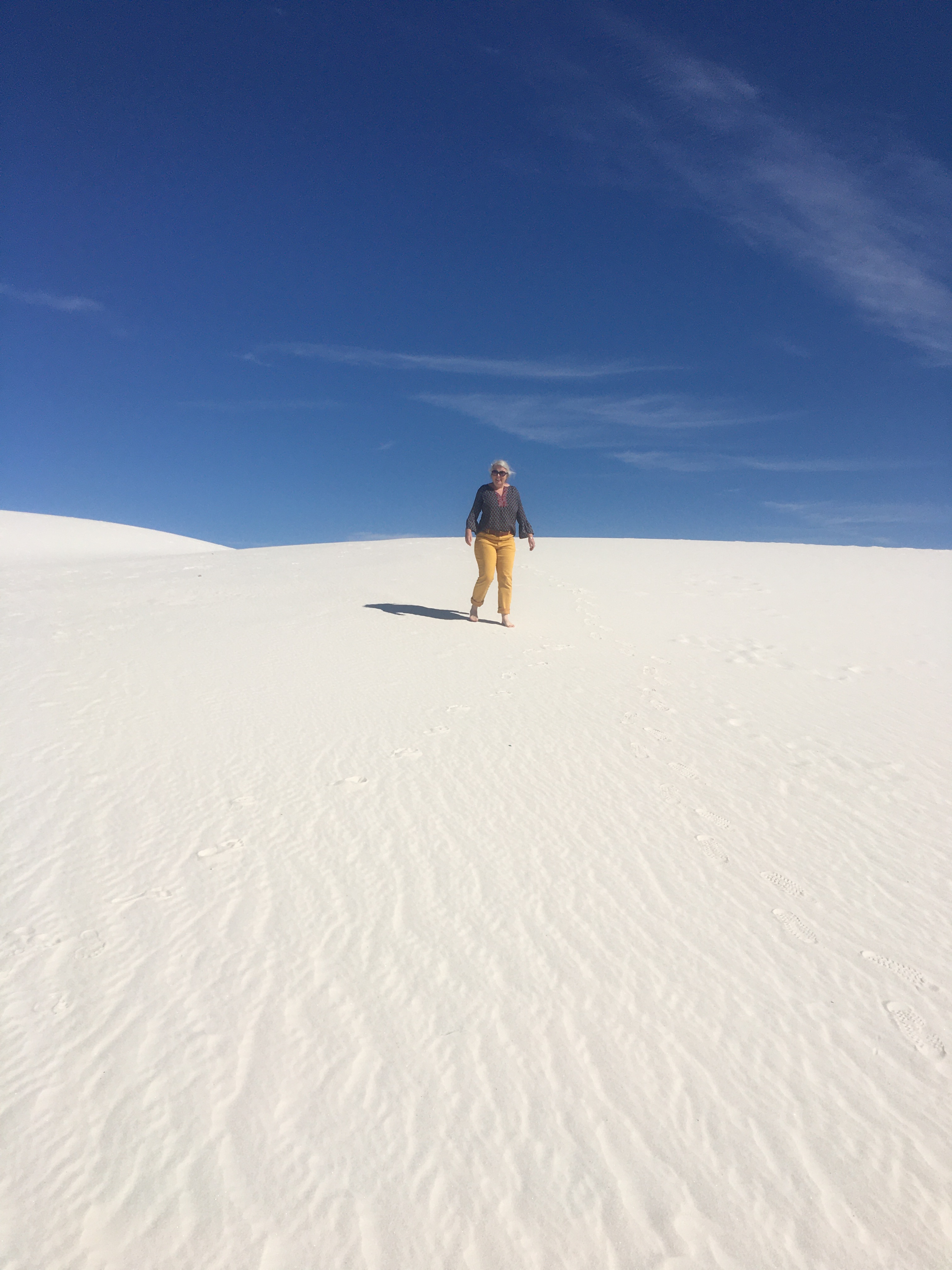
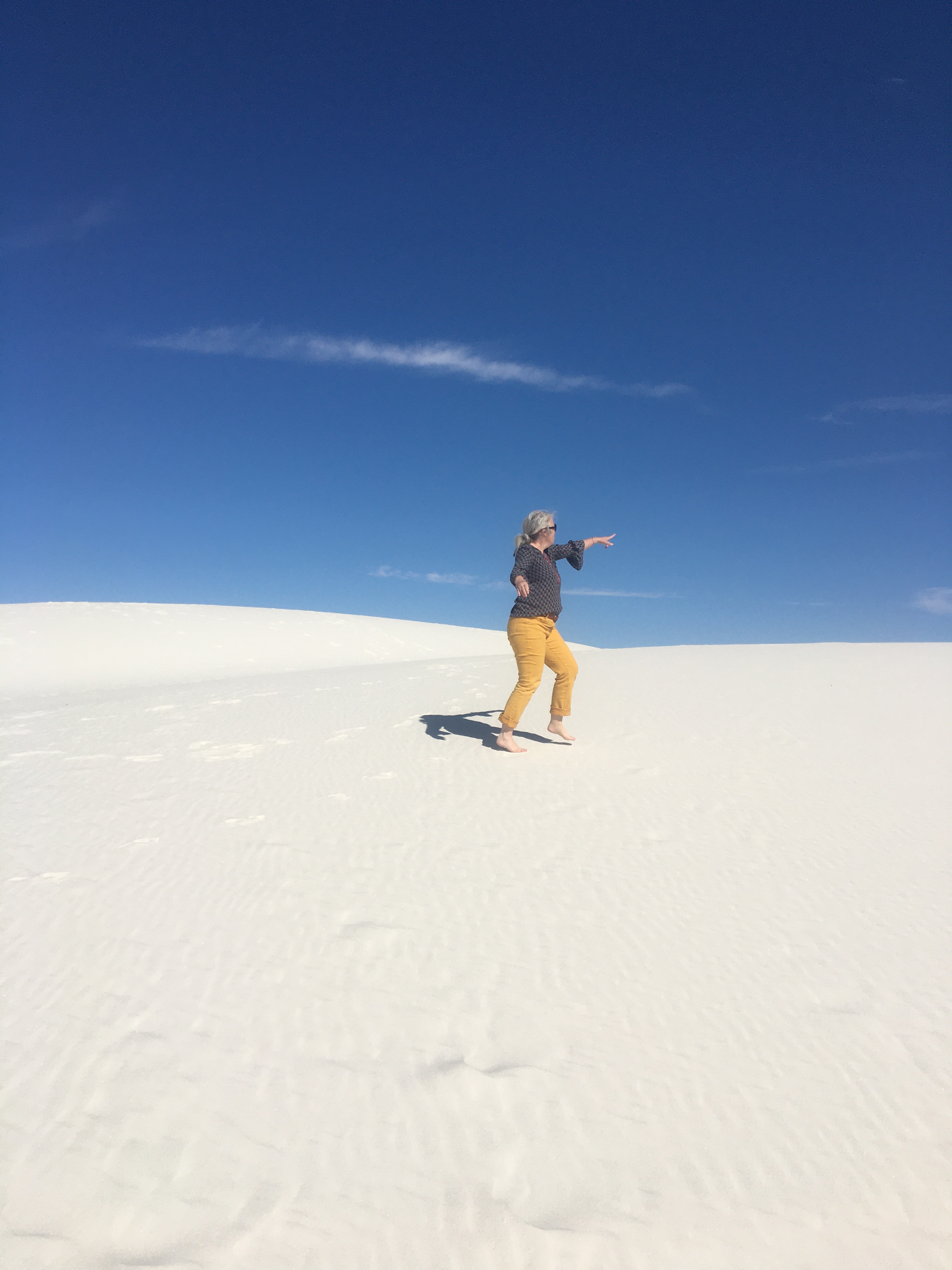
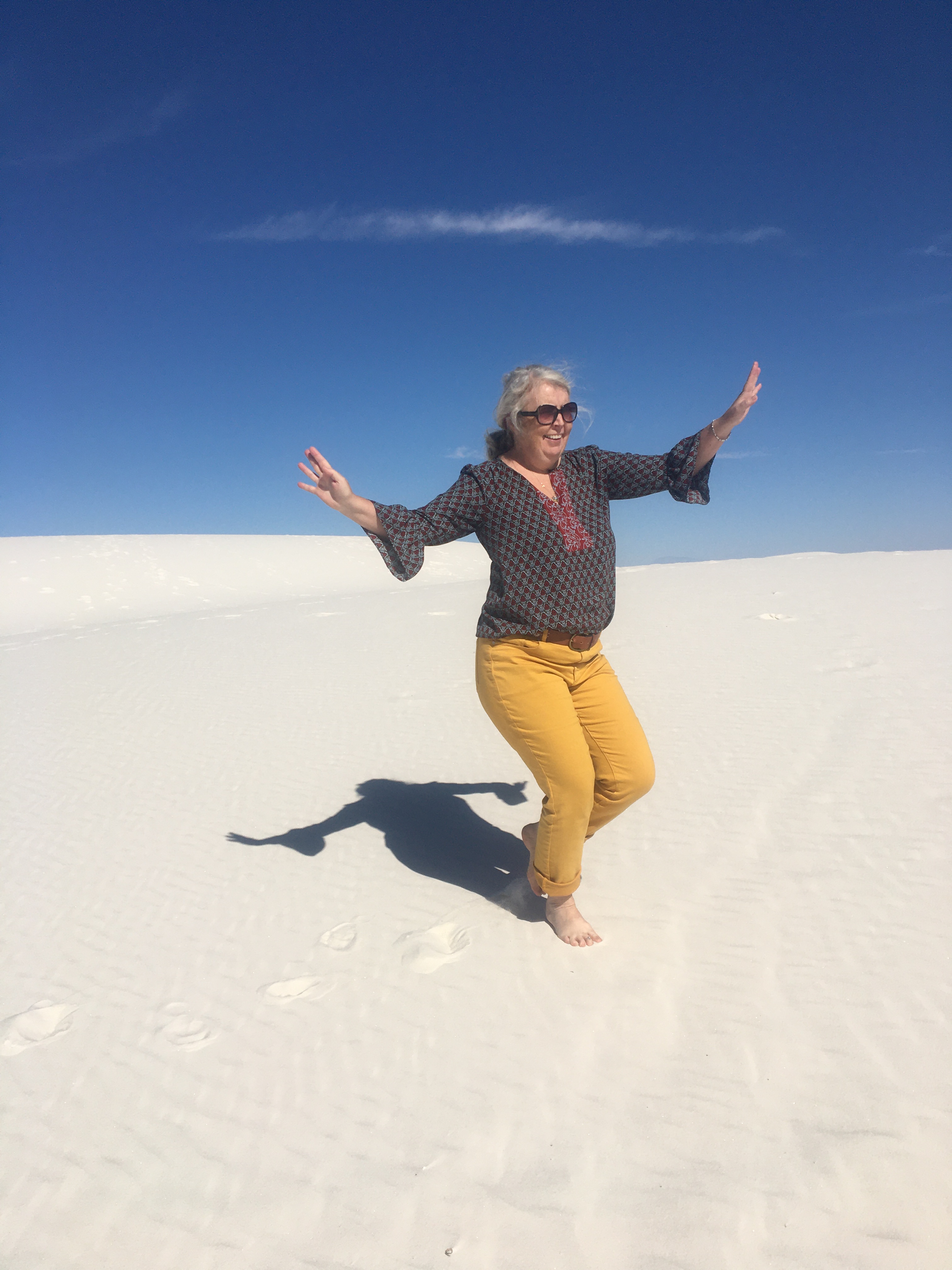
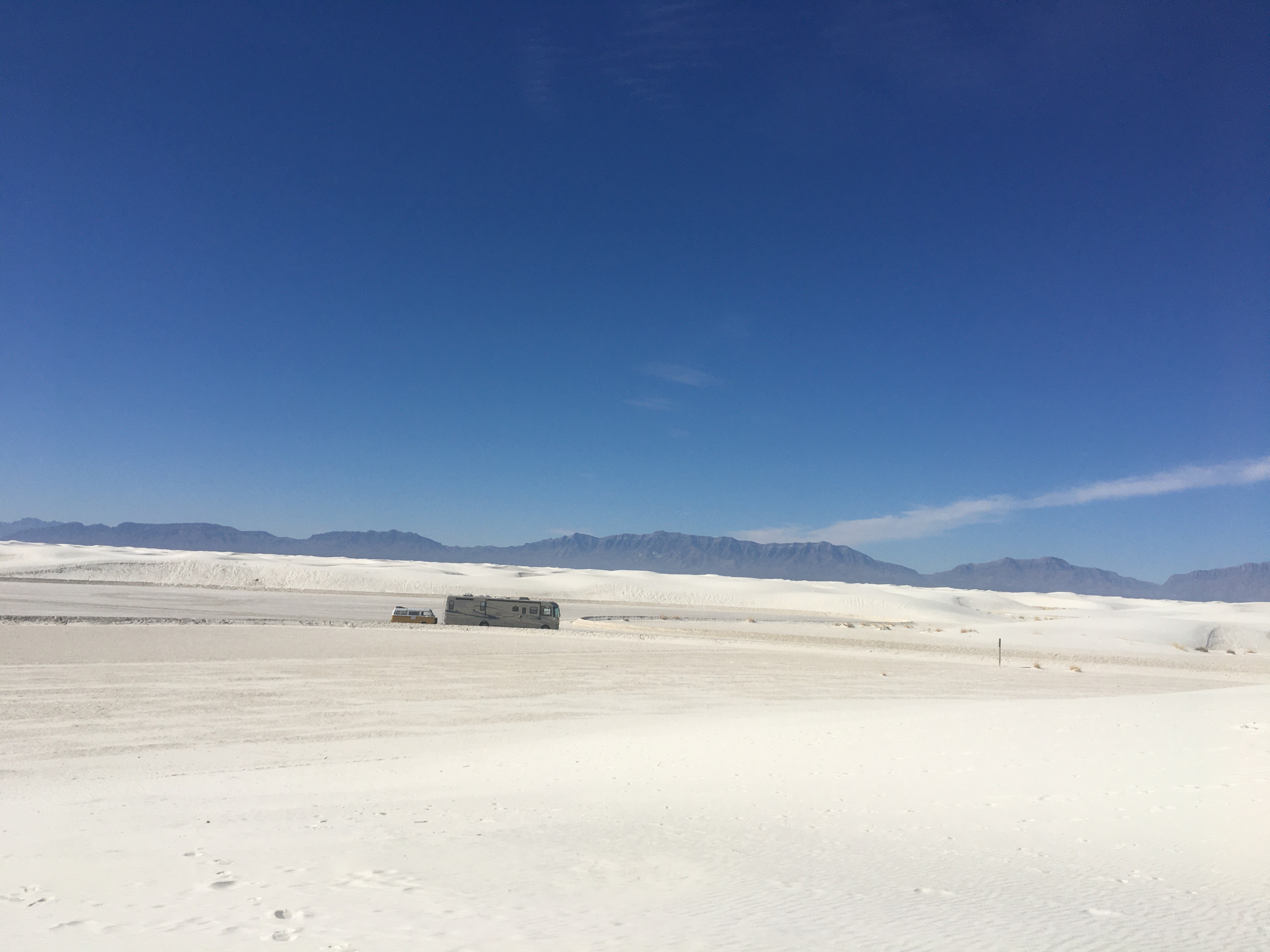
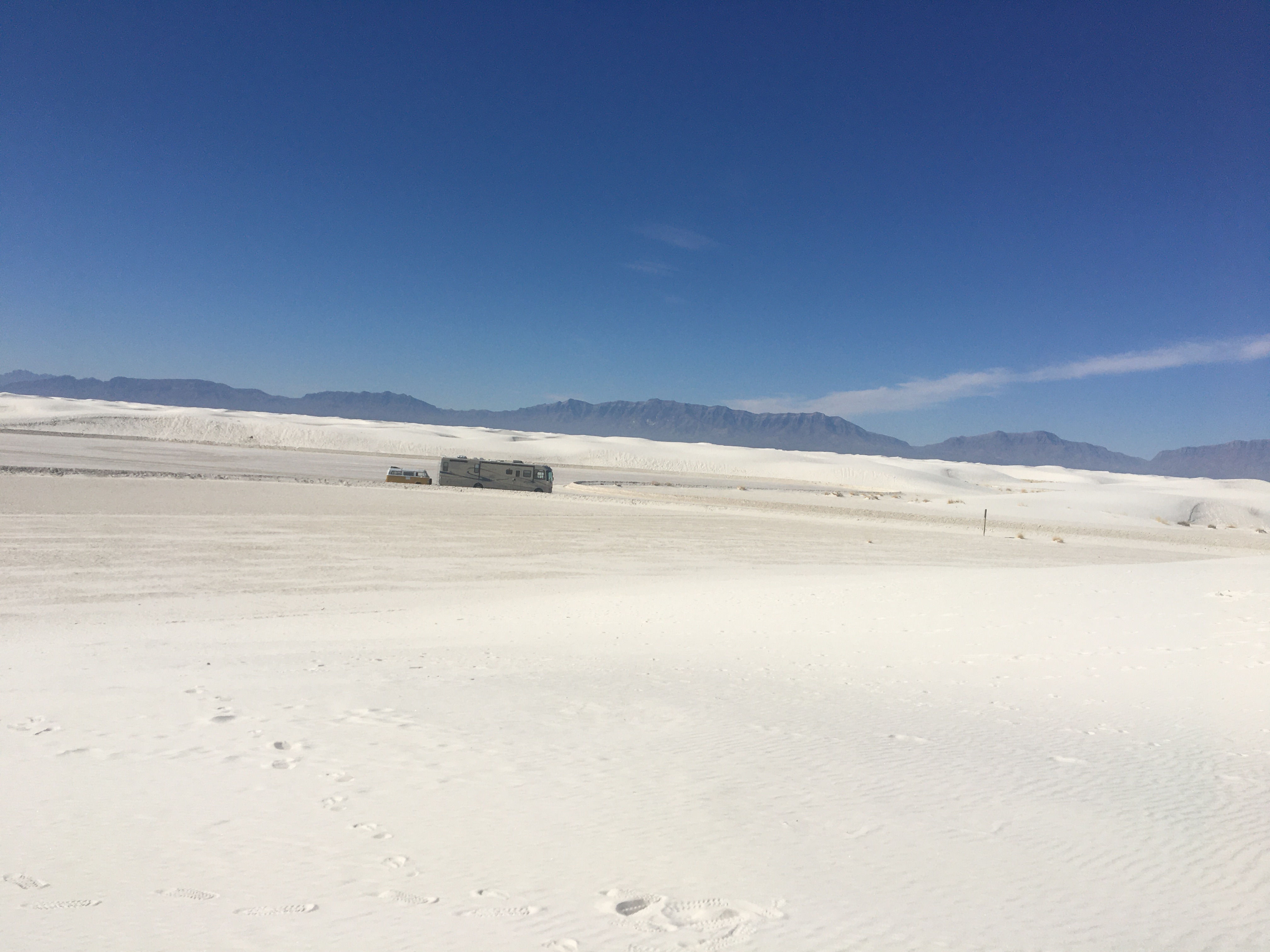
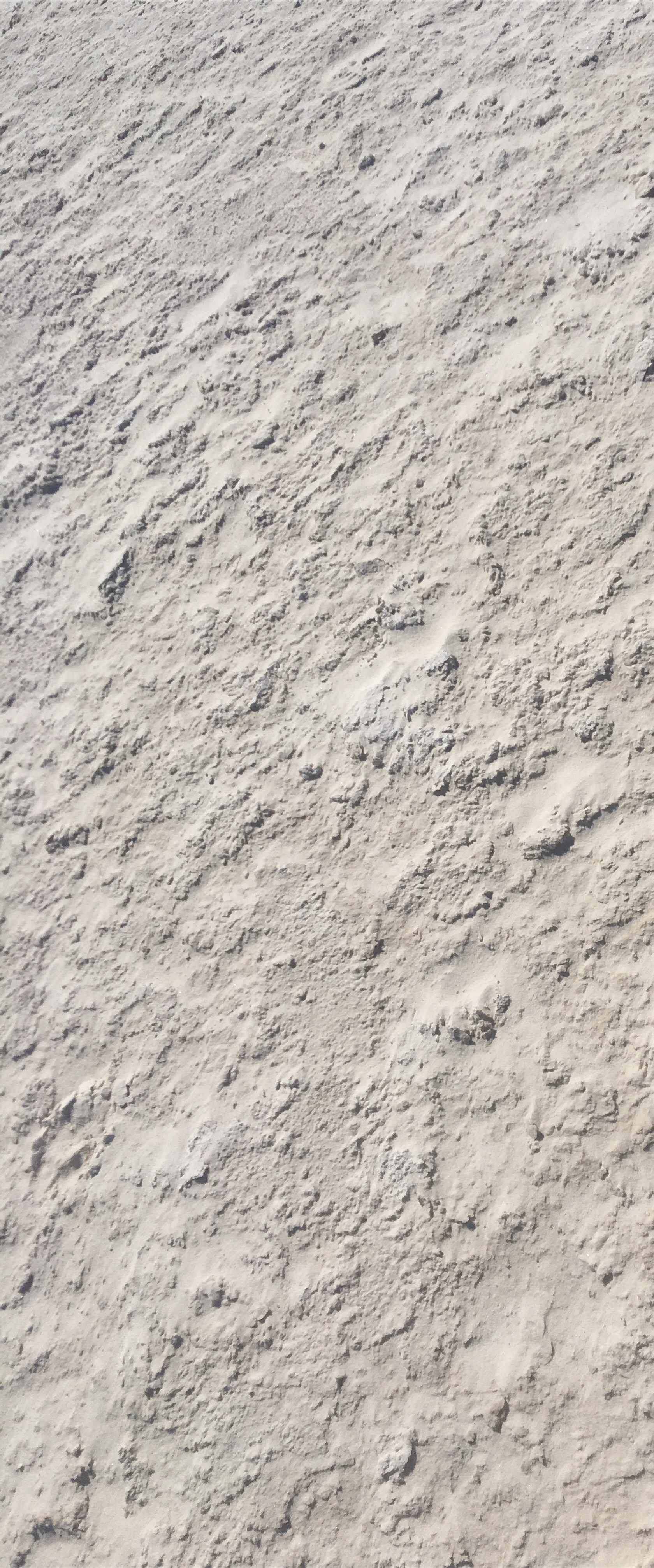
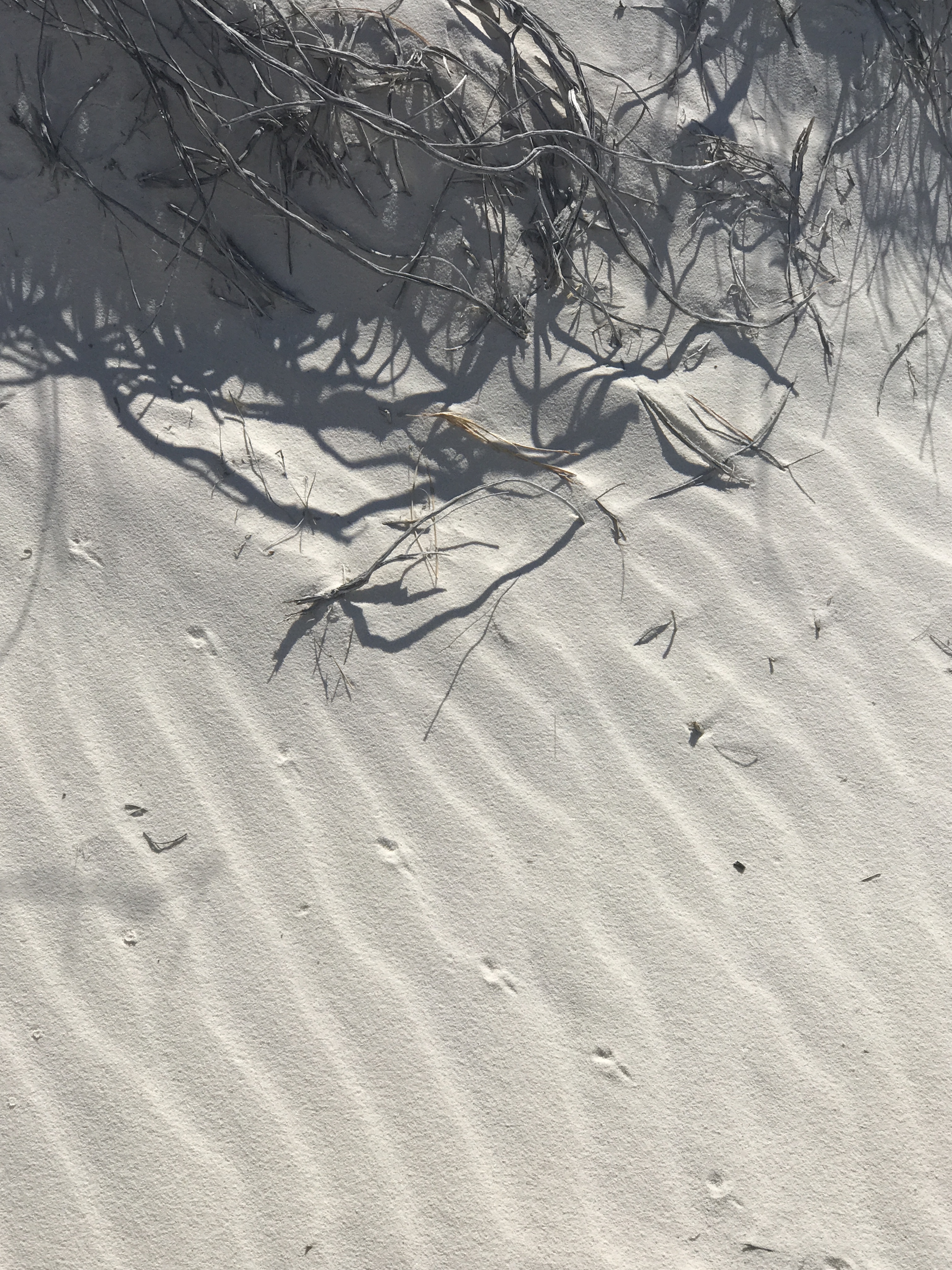
Visiting the world’s largest gypsum dunefield on a sunny morning was like visiting the moon. Our brains interpreted the hard-packed gypsum road as a snowy road lightly sanded in winter. With constant shifts in the dunes from daily winds, a park employee is kept busy plowing and grading the 8-mile loop road and large pullout parking areas.
The outdoor temps were gorgeous and we walked barefoot through the dunes. Again, our brains were slightly confused by the visual and sensory conflict; the dune looks like it should be hot sand, but the texture of cool, smooth gypsum feels like talc.
We had to stop for a photo with the world’s largest pistachio.
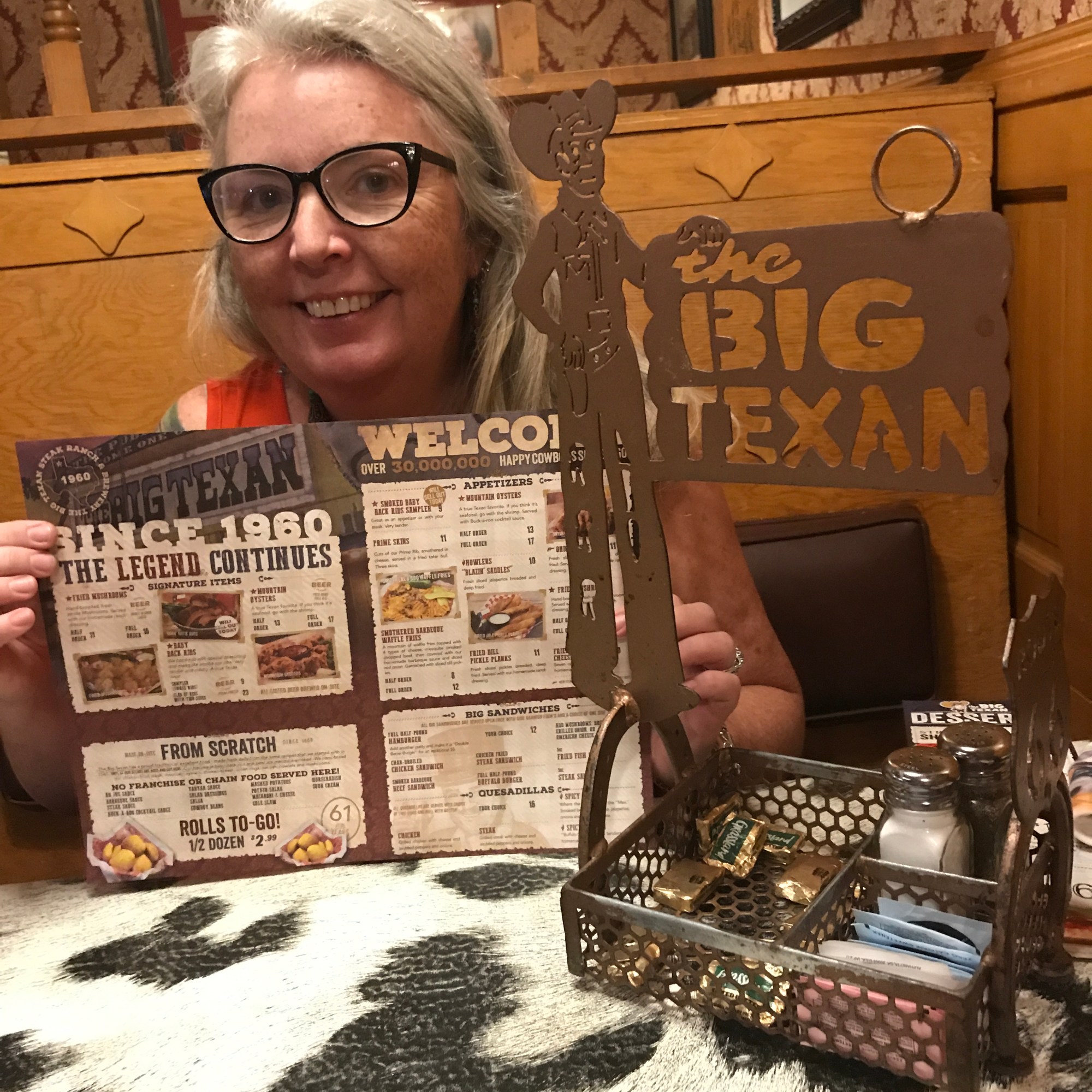
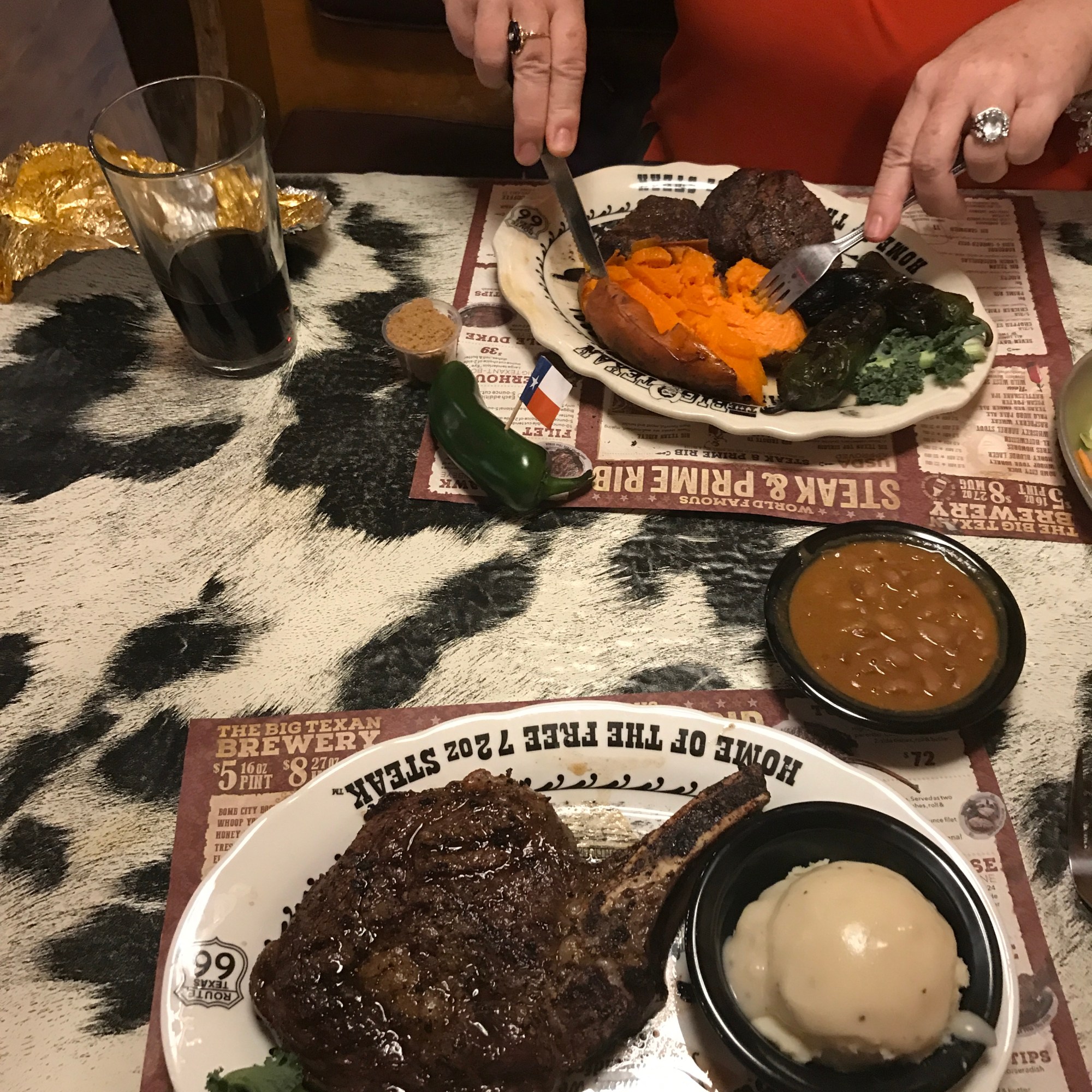
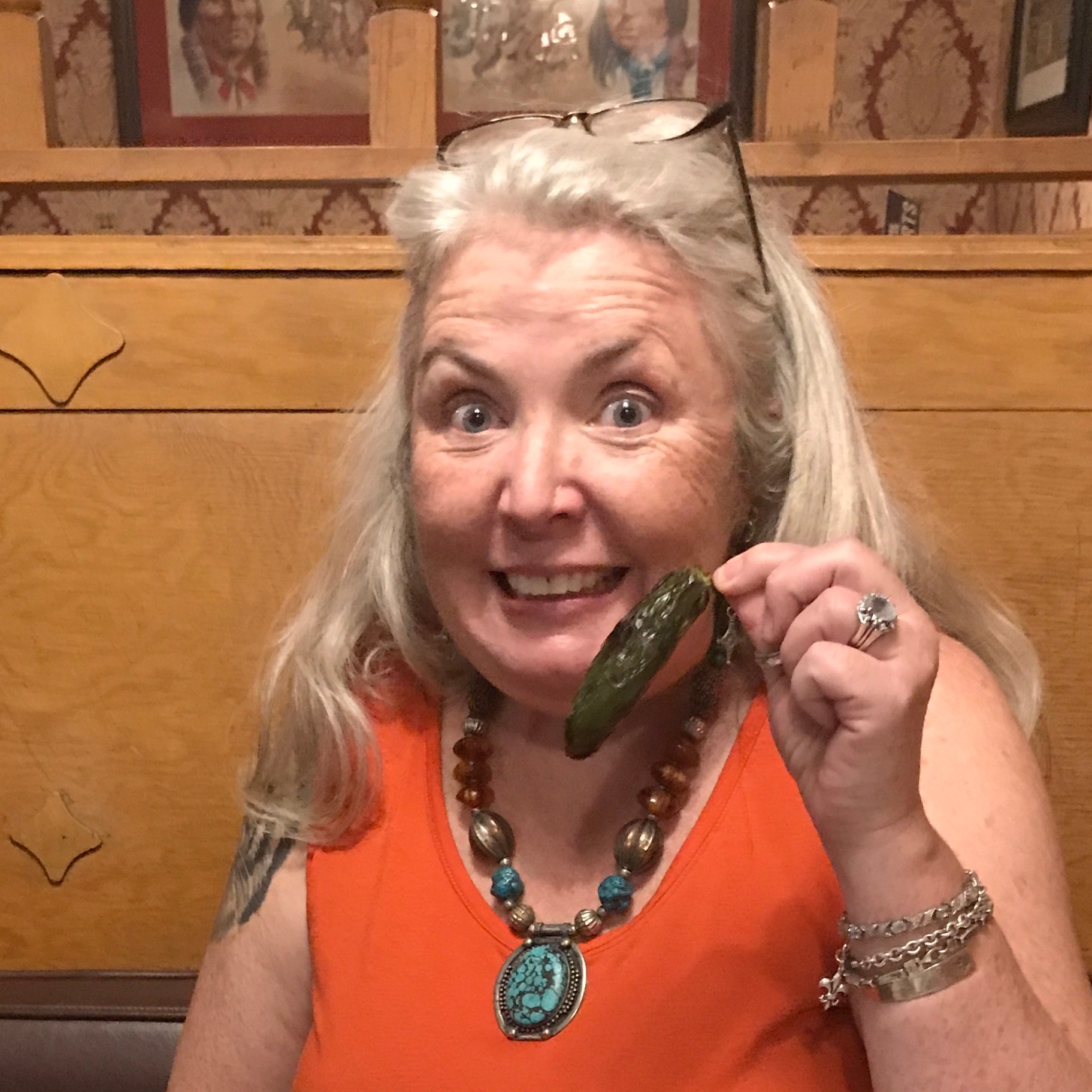
We drove over 700 miles to get our first Covid-19 vaccination shots. Neither snow nor rain nor sleet nor gloom of night stayed us from our long-sought appointments. We are grateful and we celebrated with a delicious steak dinner in a private booth at The Big Texan. Stay healthy, friends.
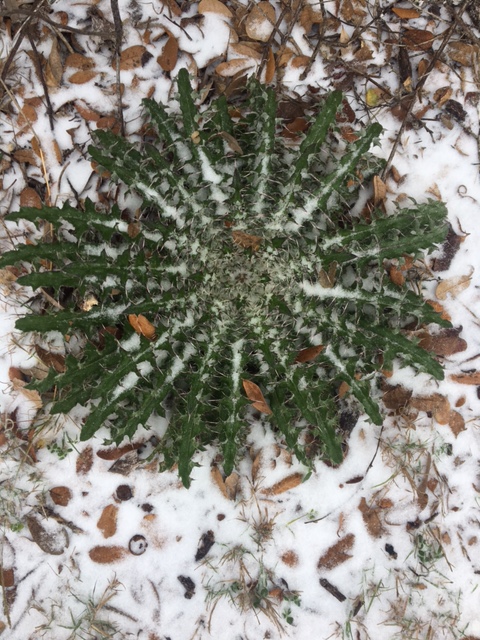
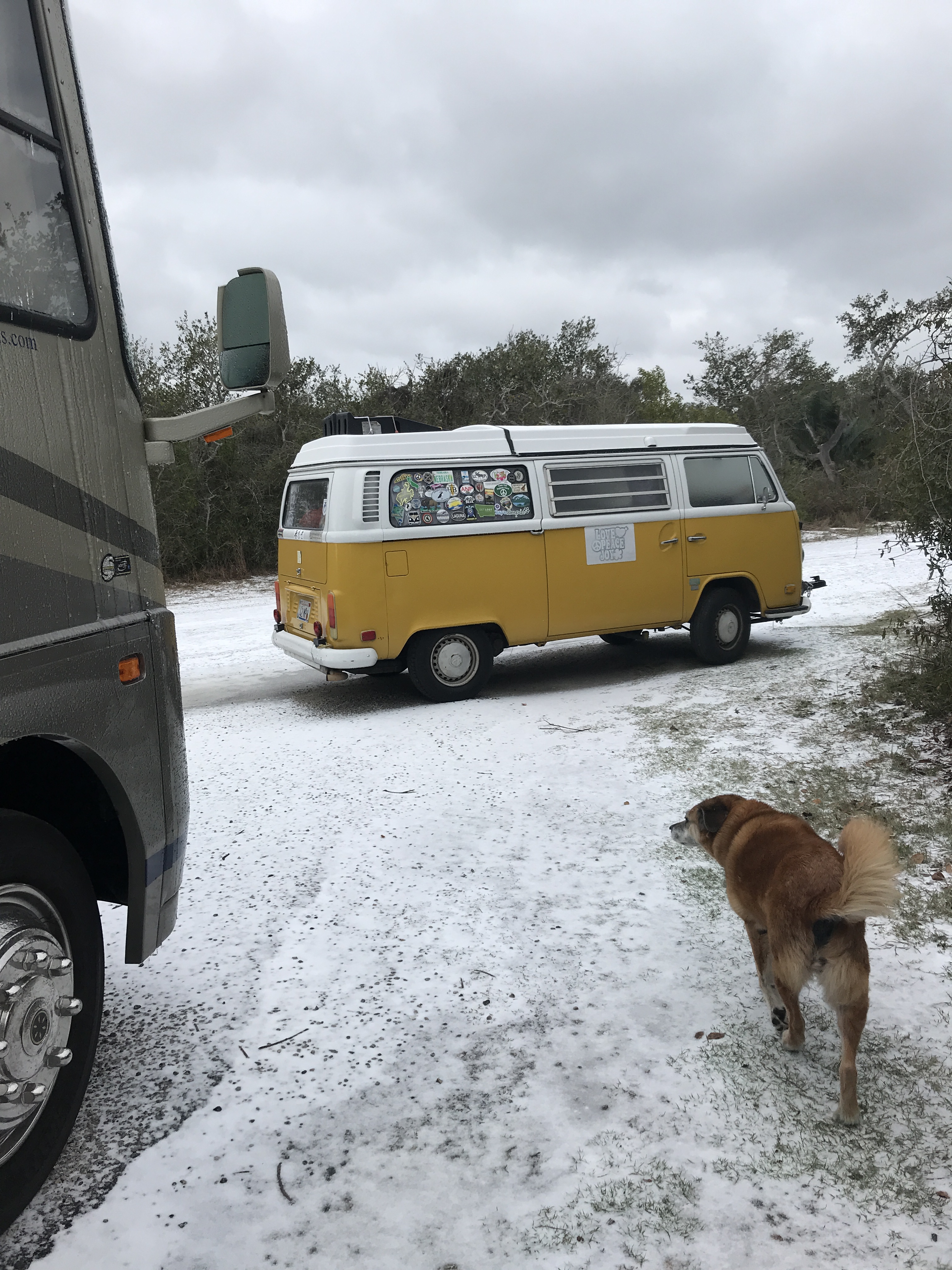
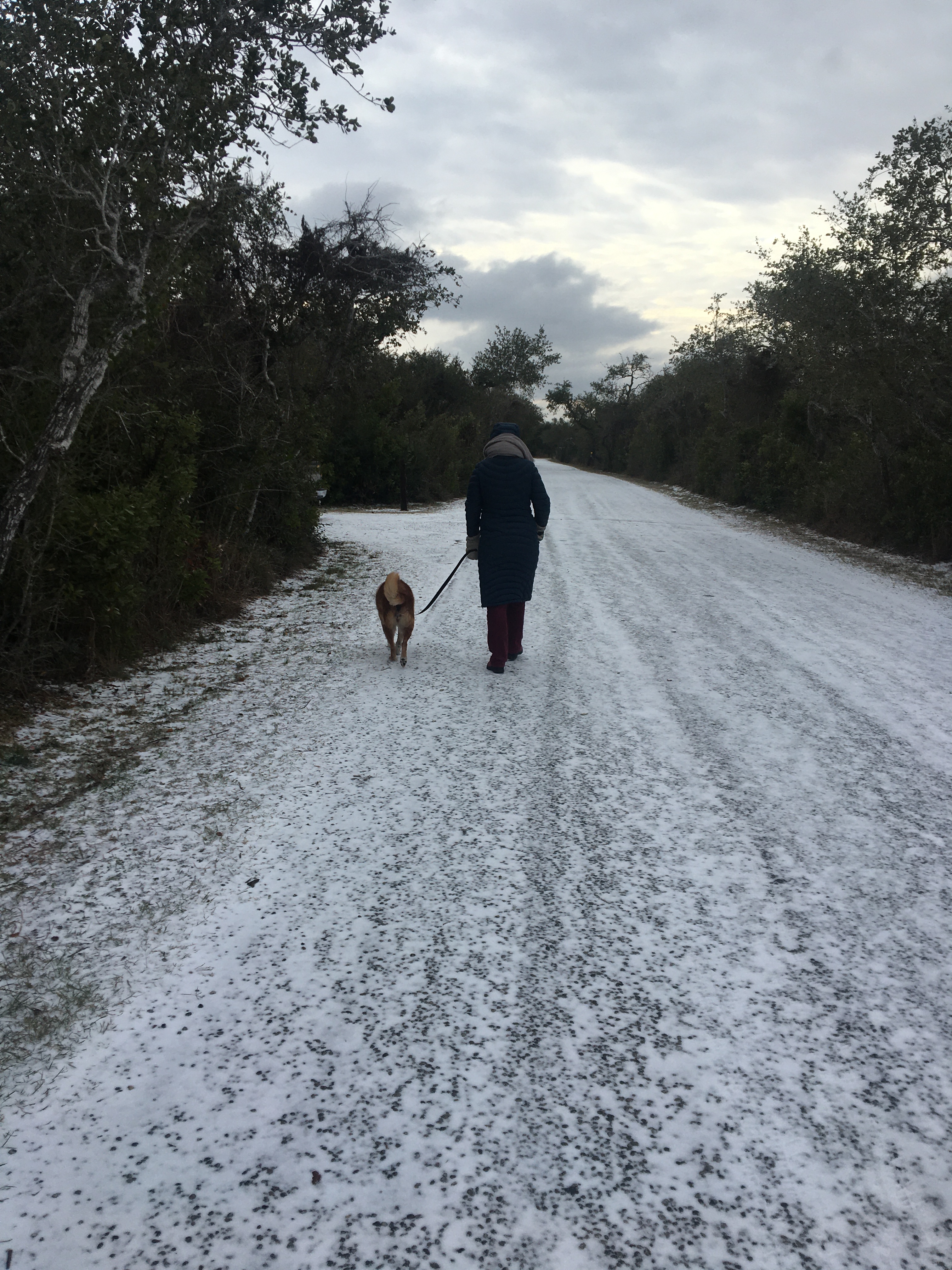
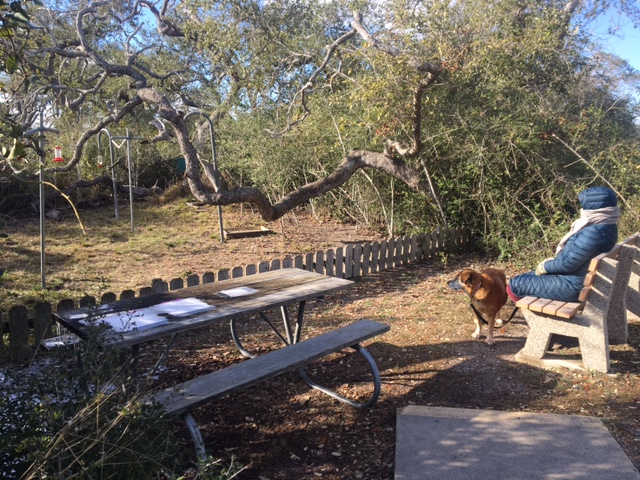
Six days delayed in Louisiana for RV repairs meant we lost some campground deposits/reservations. We drove 9+ hours in one day to get to Goose Island State Park in southern Texas to get back on track, but Winter Storm Uri was traveling quickly to meet us there. Temperatures were FIFTY (50) degrees colder than normal. The campground was lovely, especially for birders, and has well-maintained trails through the oak forests and along the marshlands. We hope to come back when it is warmer!
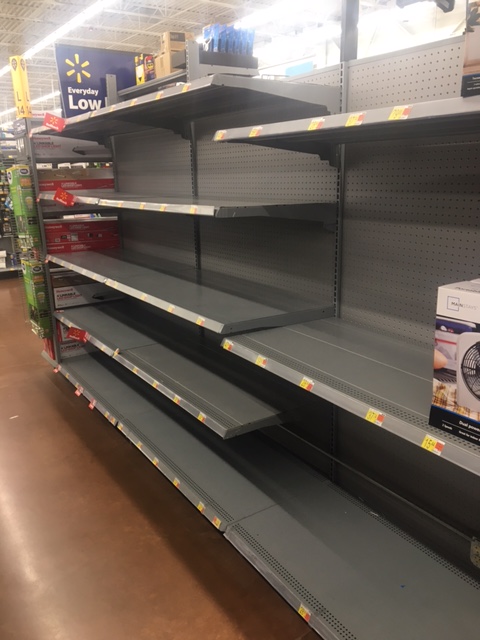
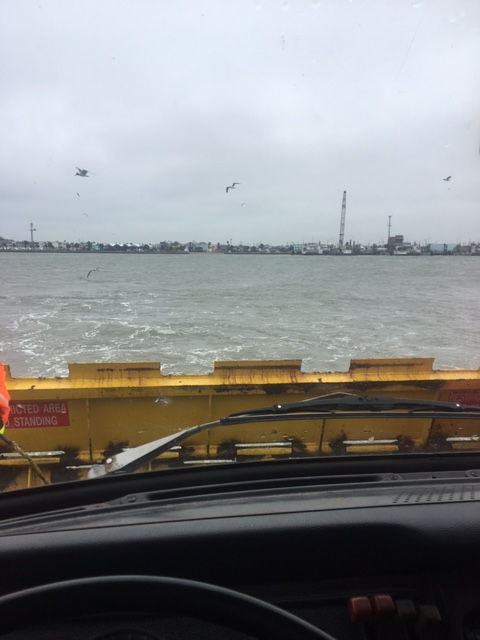
During a break in the weather, Joe ventured out to the stores to look for another heater, but the shelves were empty everywhere. He was able to take the ferry to Port Aransas to connect with a middle-school friend and they had a good visit.
Wisely, given the weather predictions, we extended our stay three more nights. We had to move to a different campsite, but we were grateful to be sheltered in the oak trees. We glimpsed some birds during a sunny stretch. Mostly we hunkered down in Cornelia reading books, watching the terrible traffic reports on the Texas news, and congratulating ourselves for staying off the treacherous roads.
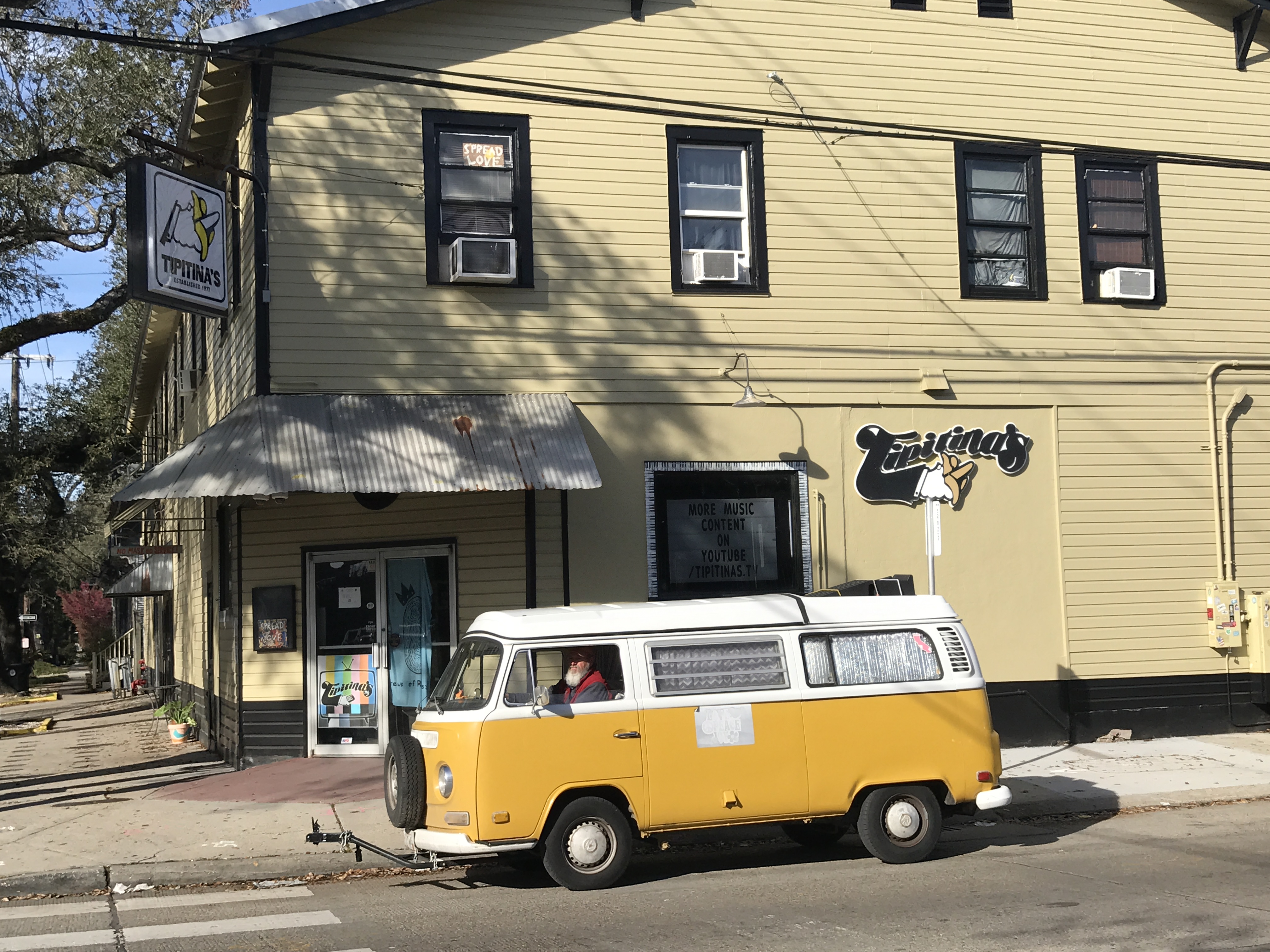
Well, it took a full week for Cornelia to get back on the road. We are grateful for our friends who let us crash in their guest suite in Lafayette, LA. On our first night, they took us to safely hear LIVE MUSIC outdoors for only the second time since March 2020. Hideaway renovated an old house to create a bar/music venue with the feel of an old Louisiana house dance.
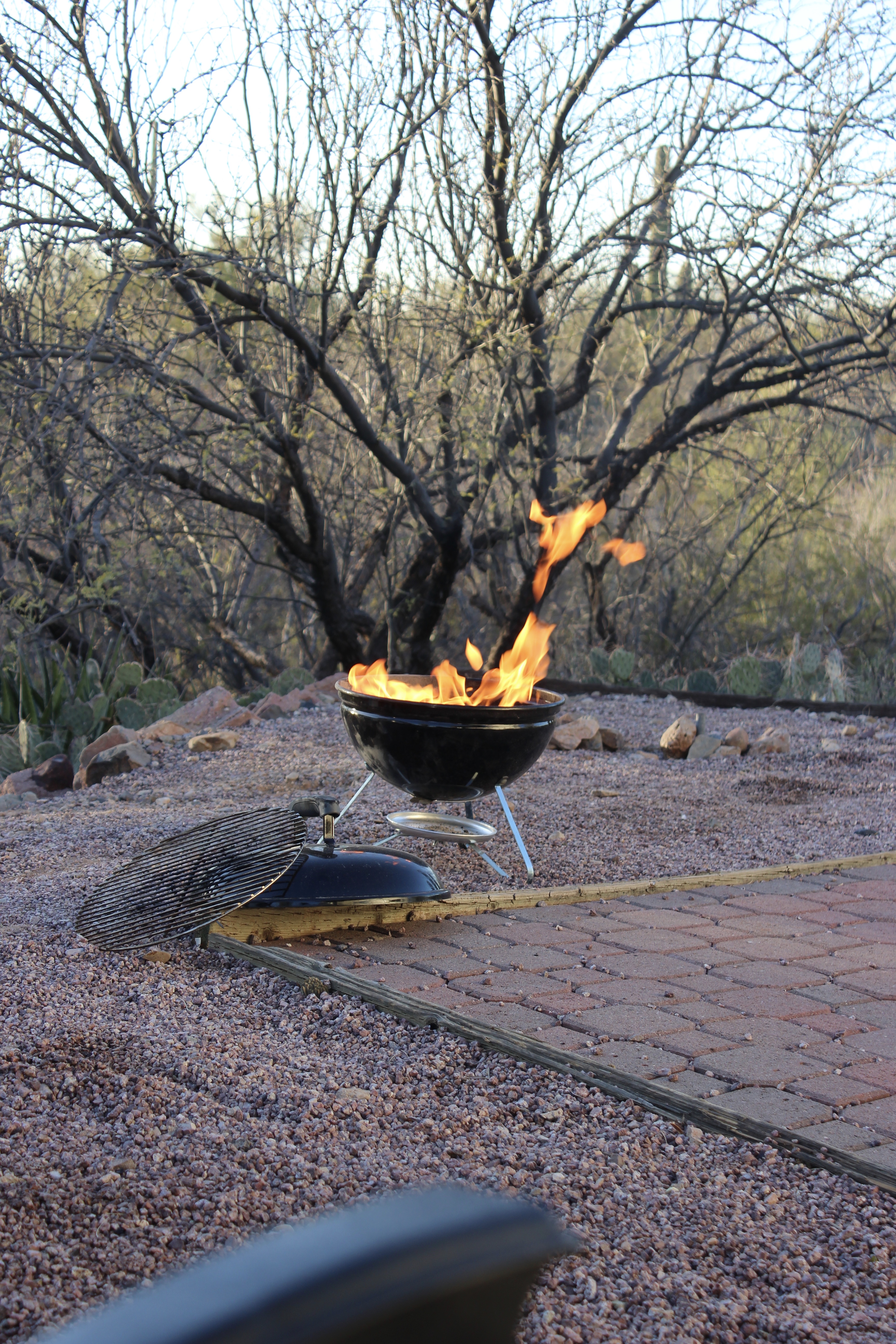
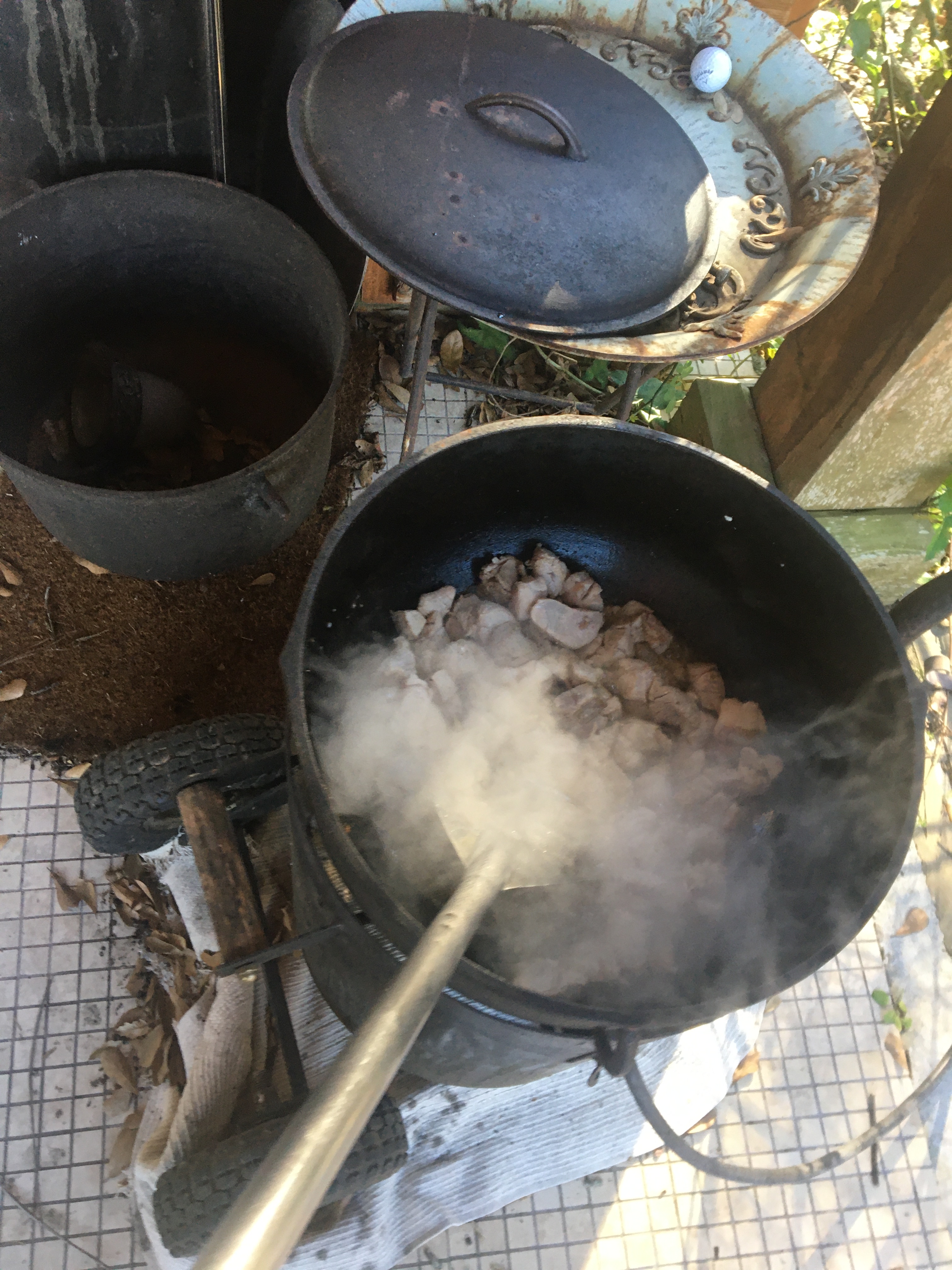
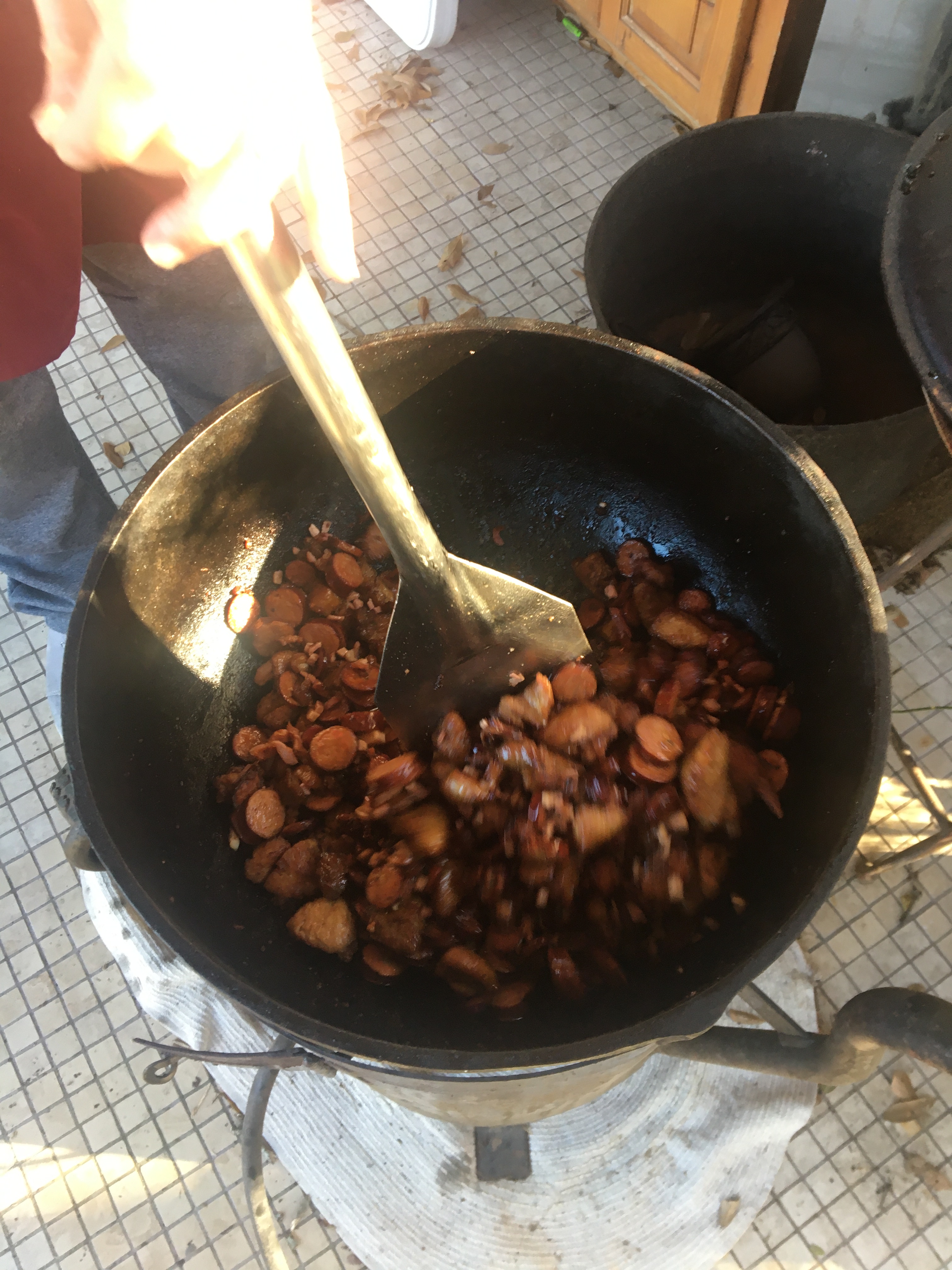
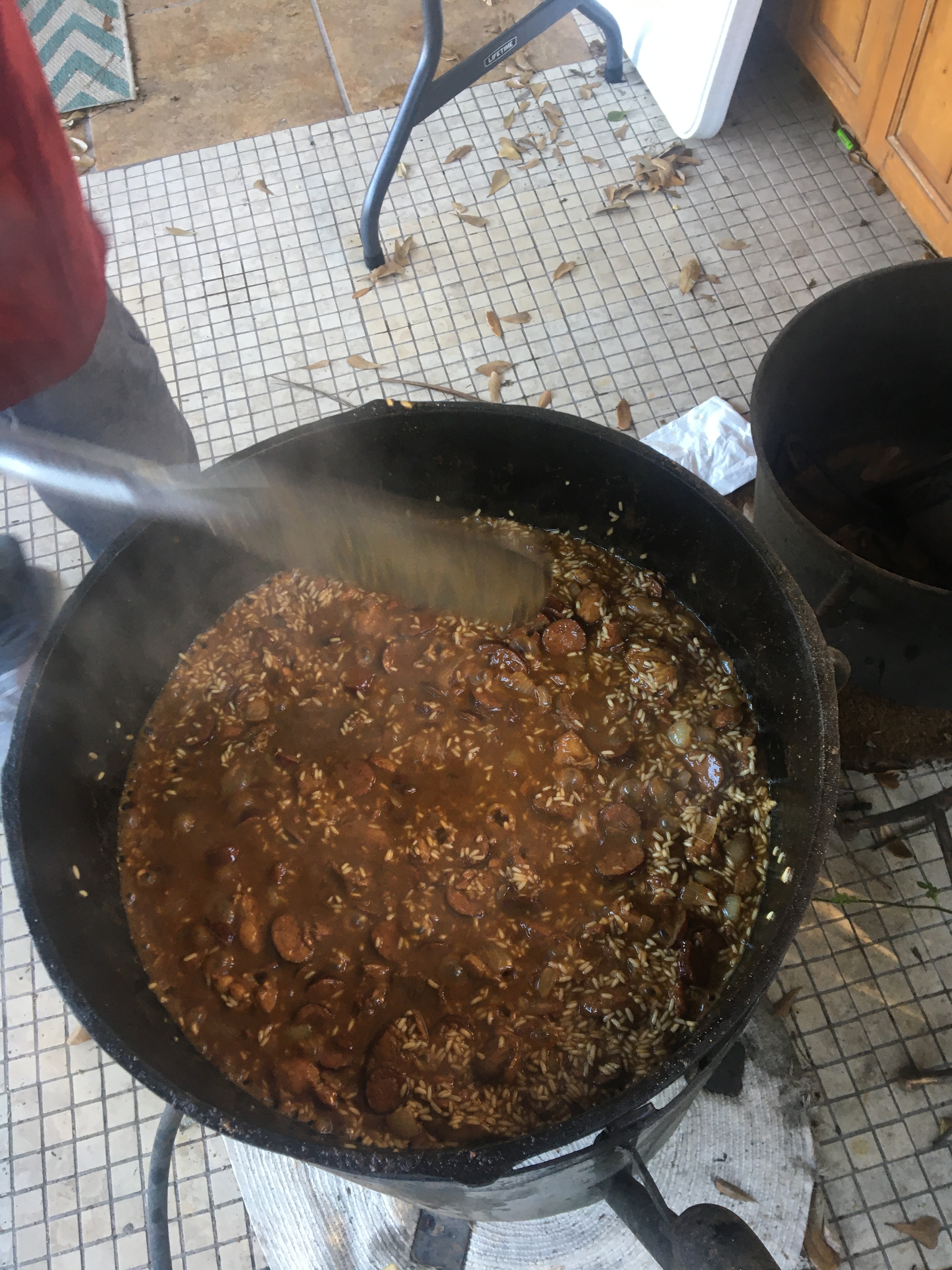
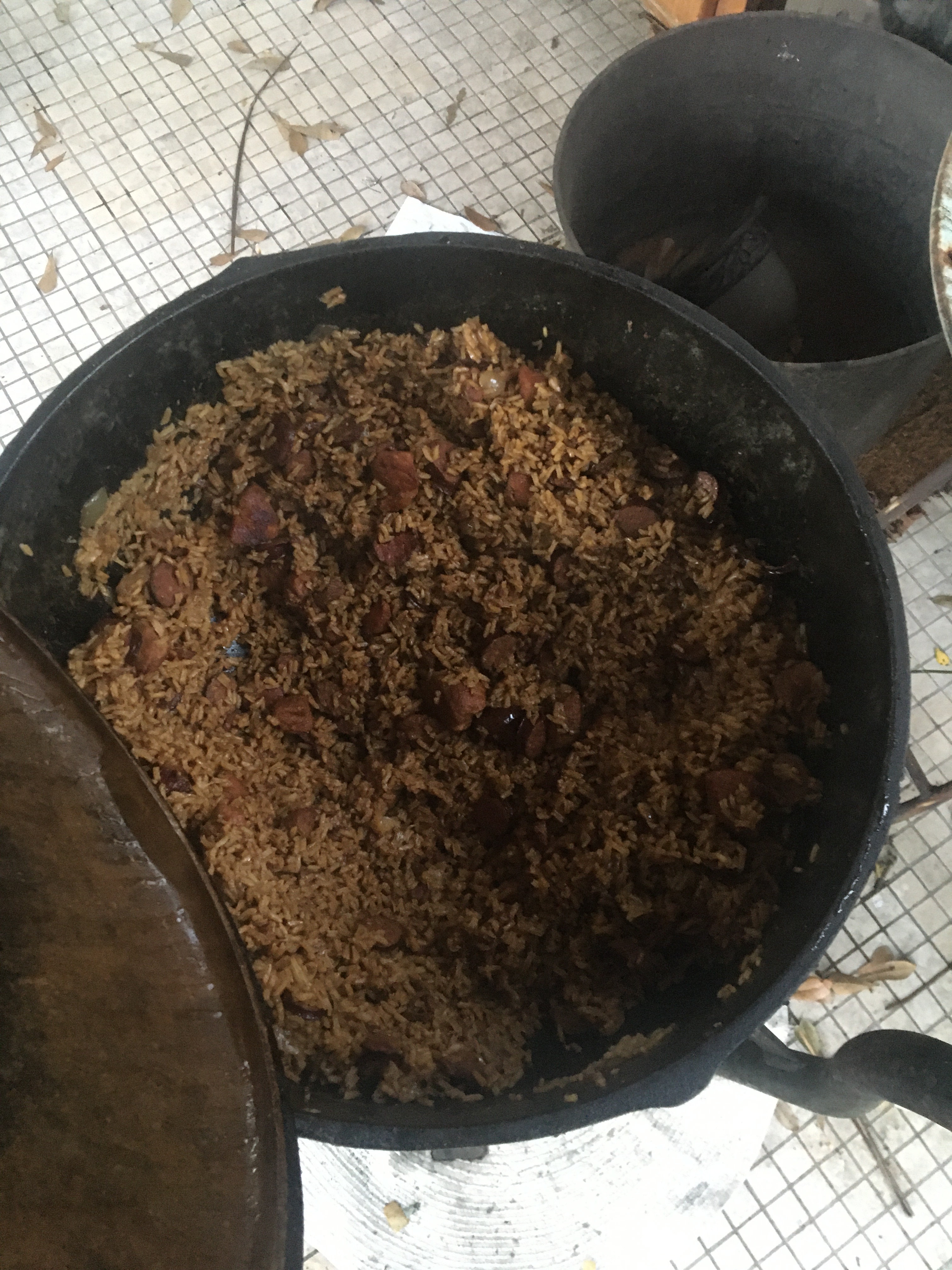
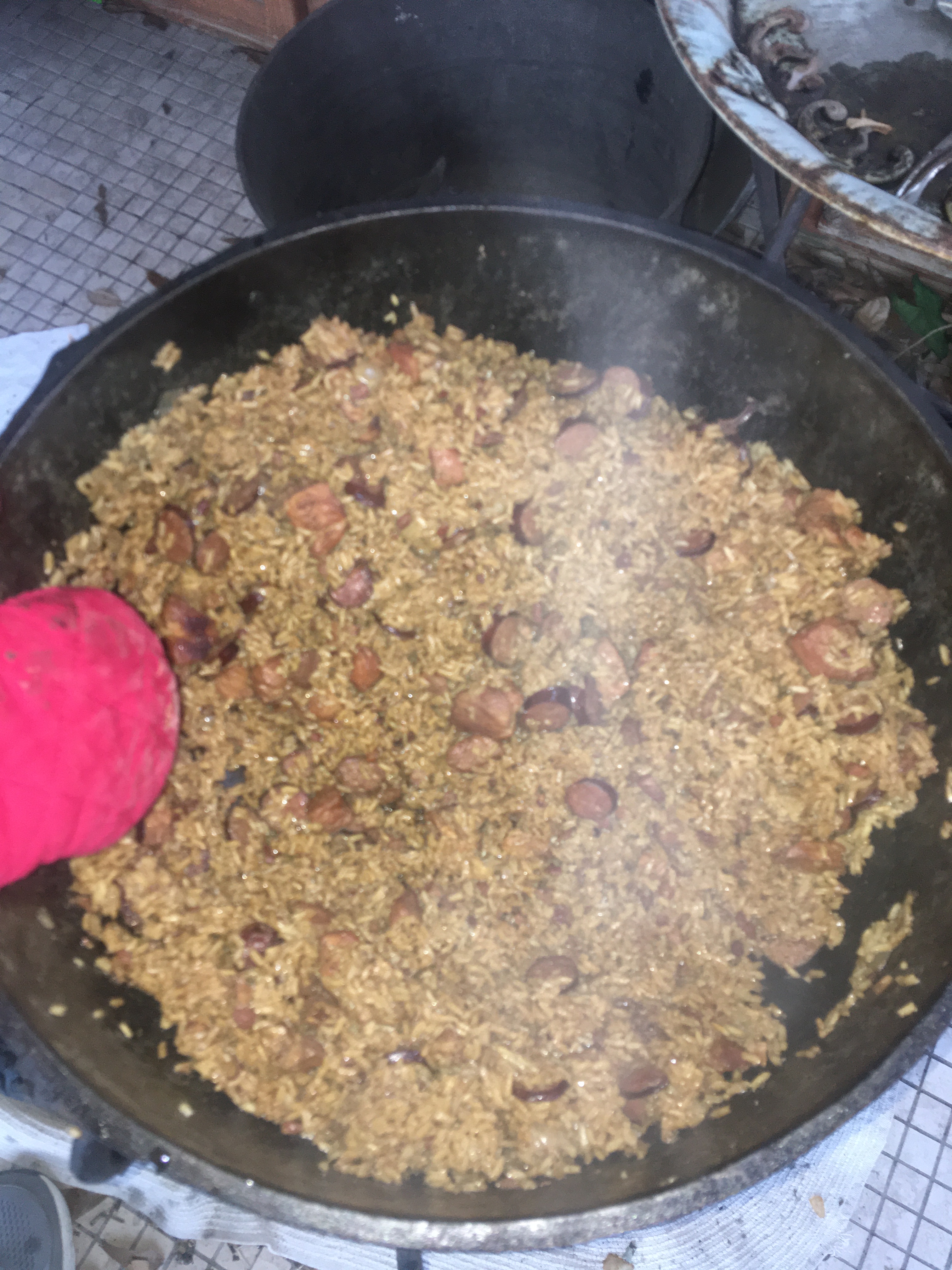
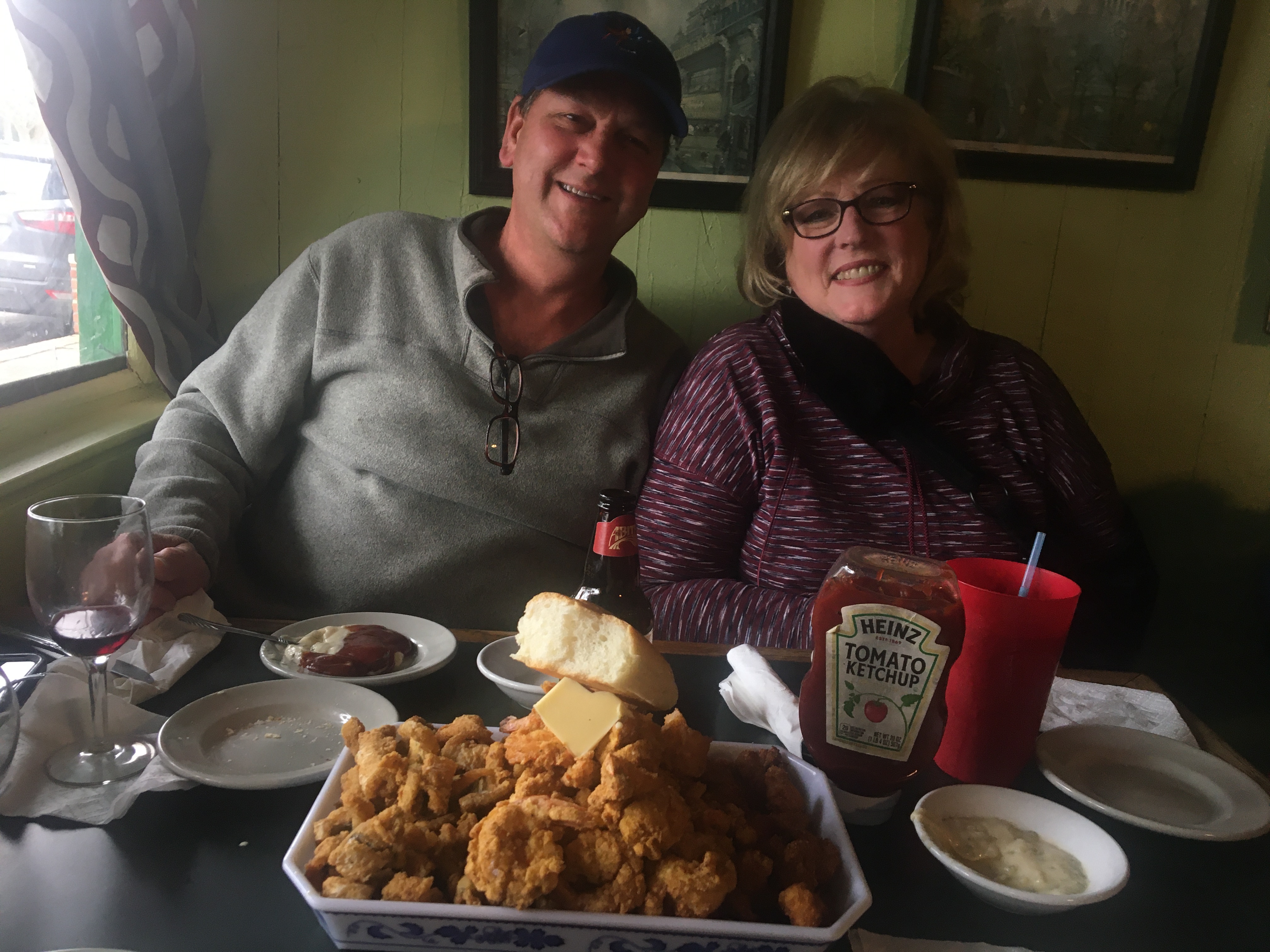
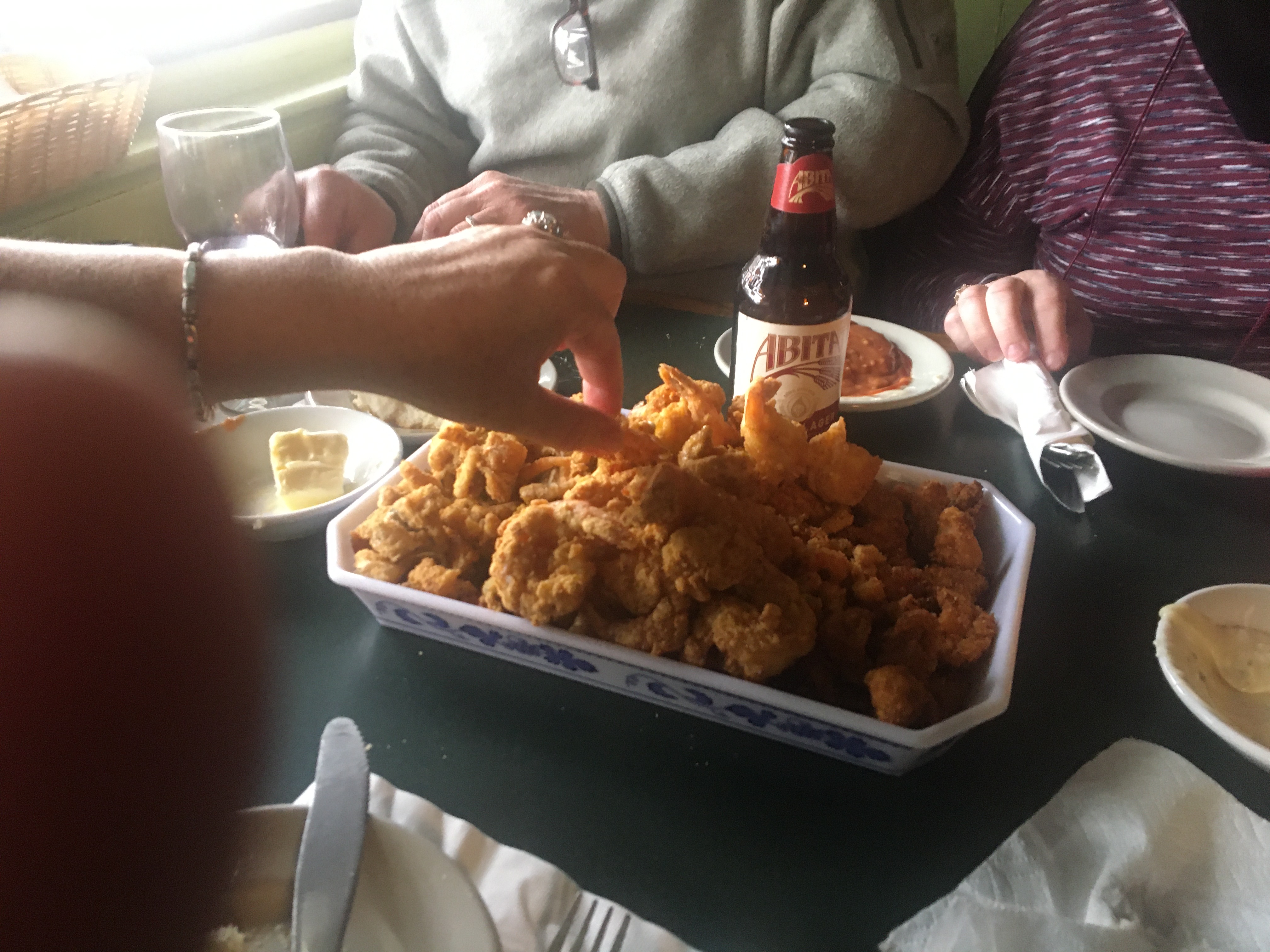
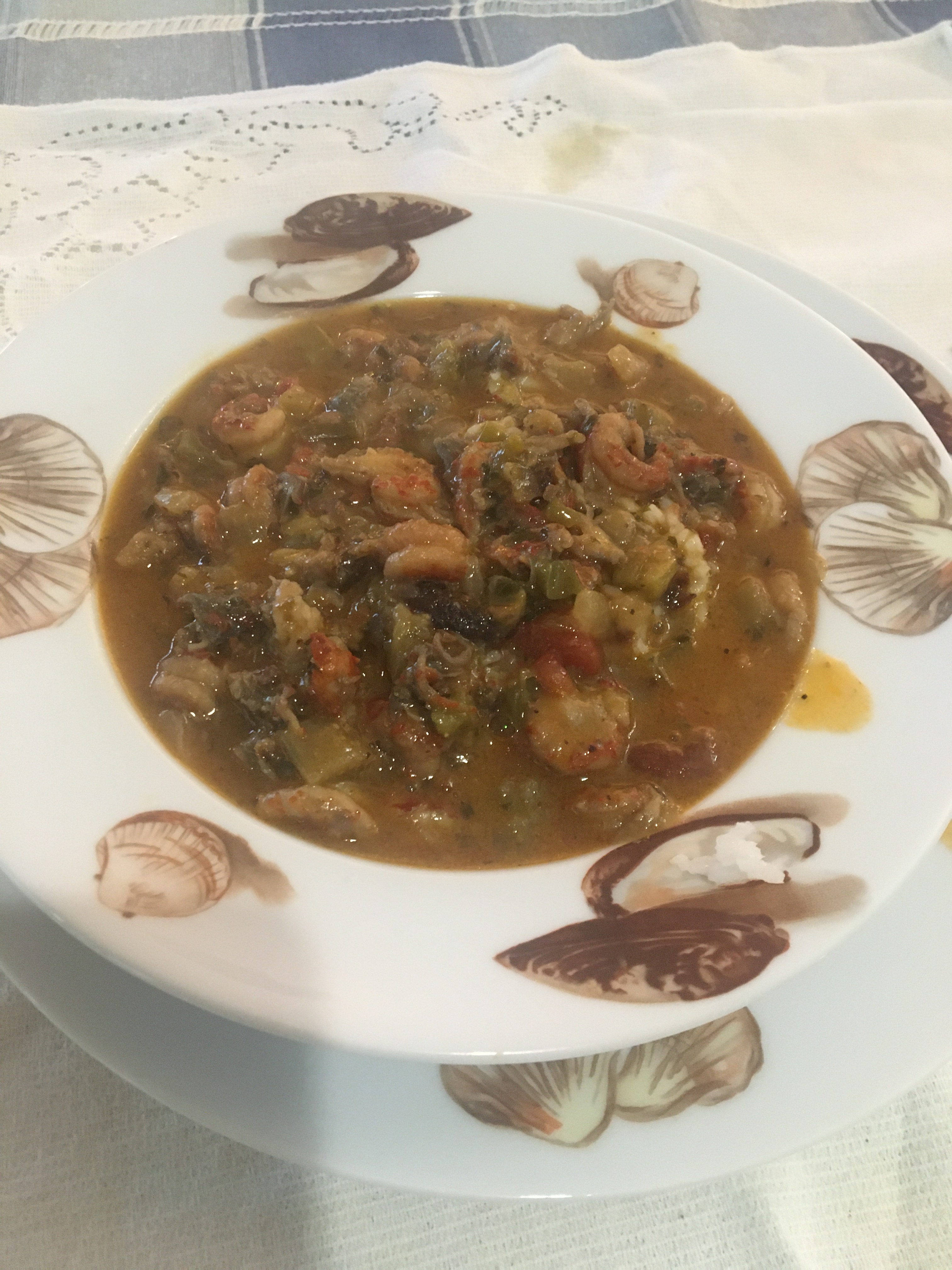
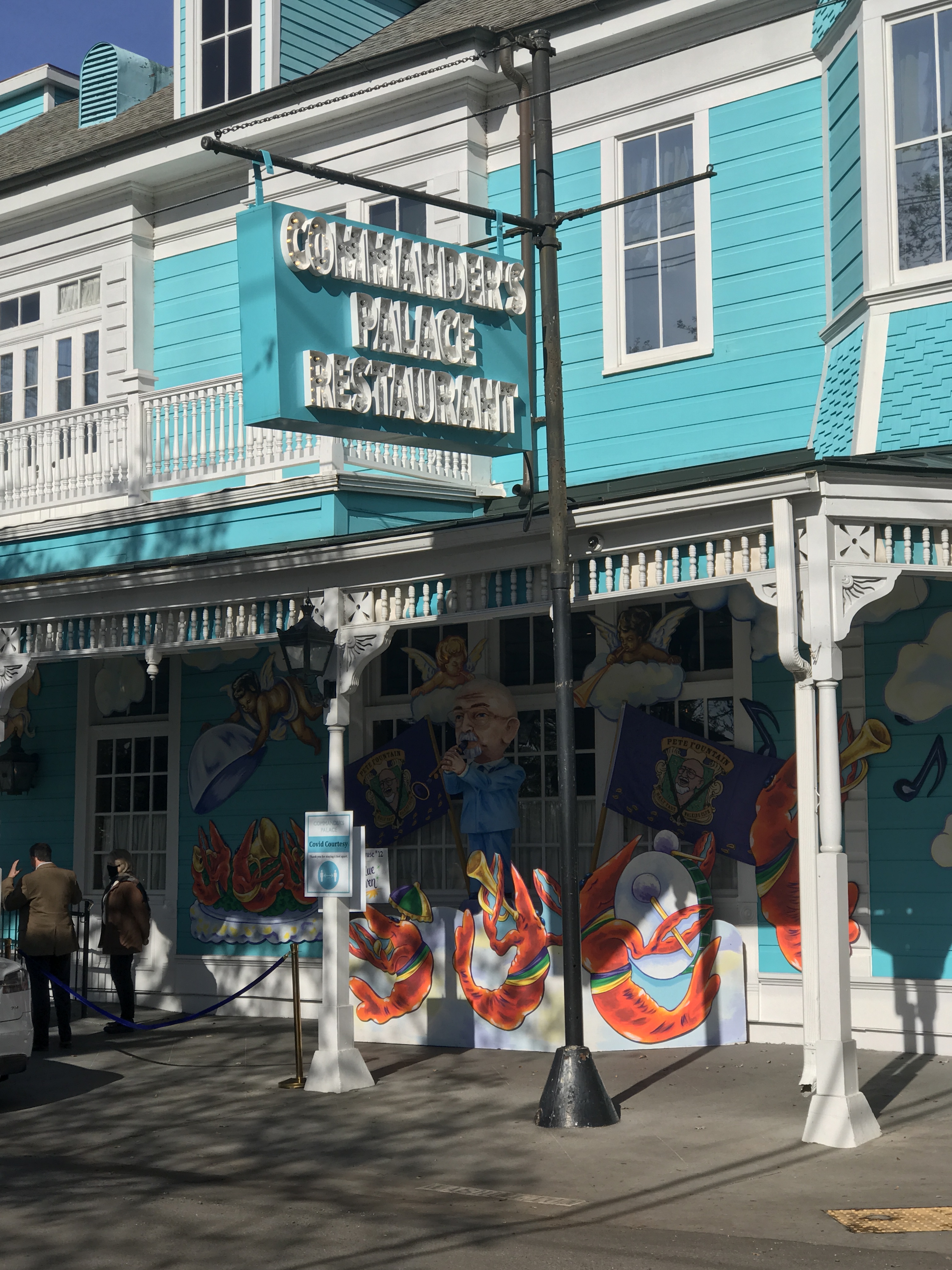
We both love Cajun food and if we had to break down somewhere, we are happy that we got to eat well all week, waiting on the RV repairs! Po’boys, oysters, crayfish, etouffee, fried and boiled shrimps, and jambalaya are just some of the samplings. Joe learned how to make jambalaya over an open flame from the master, Duane. Starting with about five pounds of meat, there was a lot of jambalaya in the giant cast-iron pot.
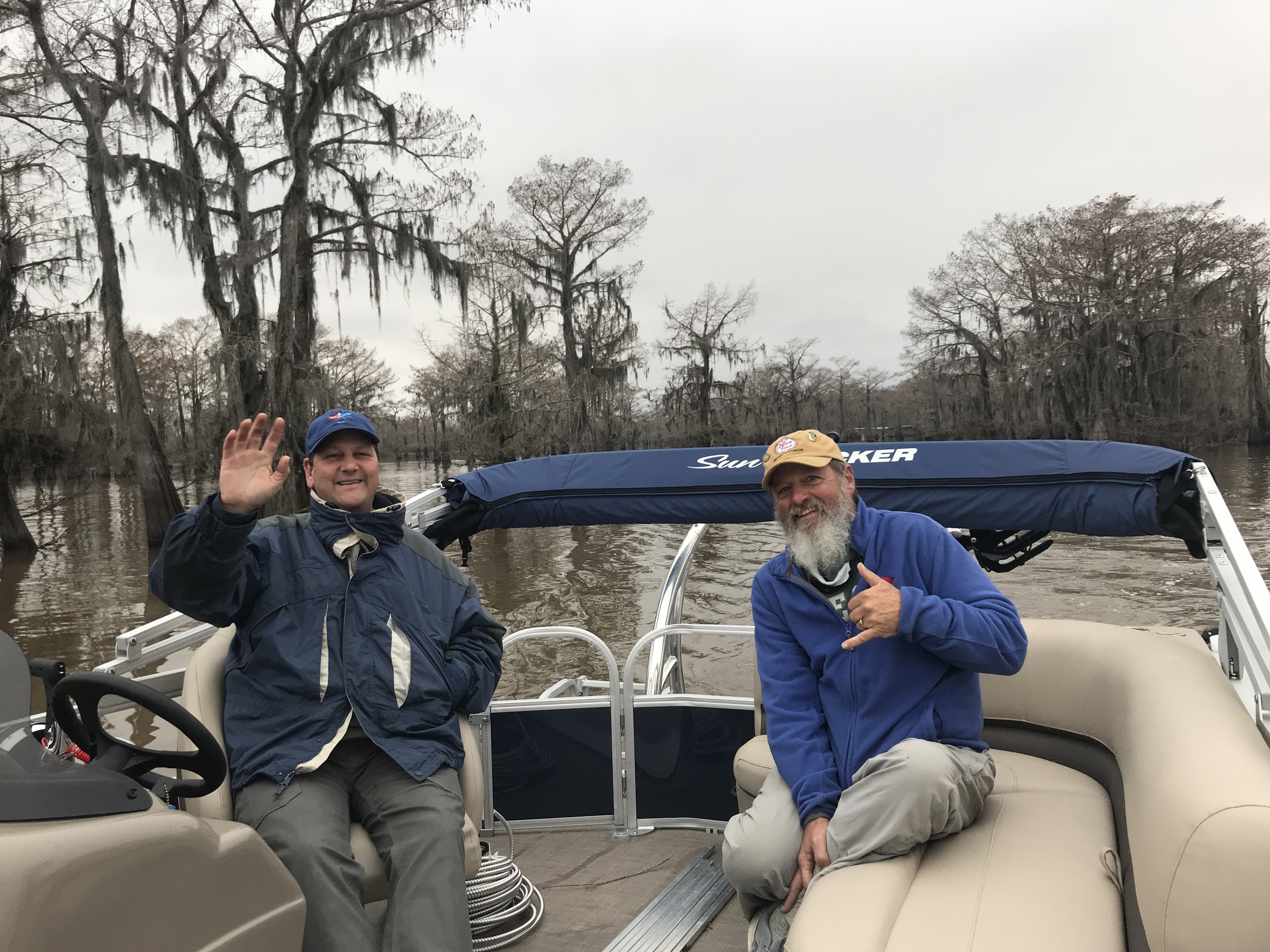
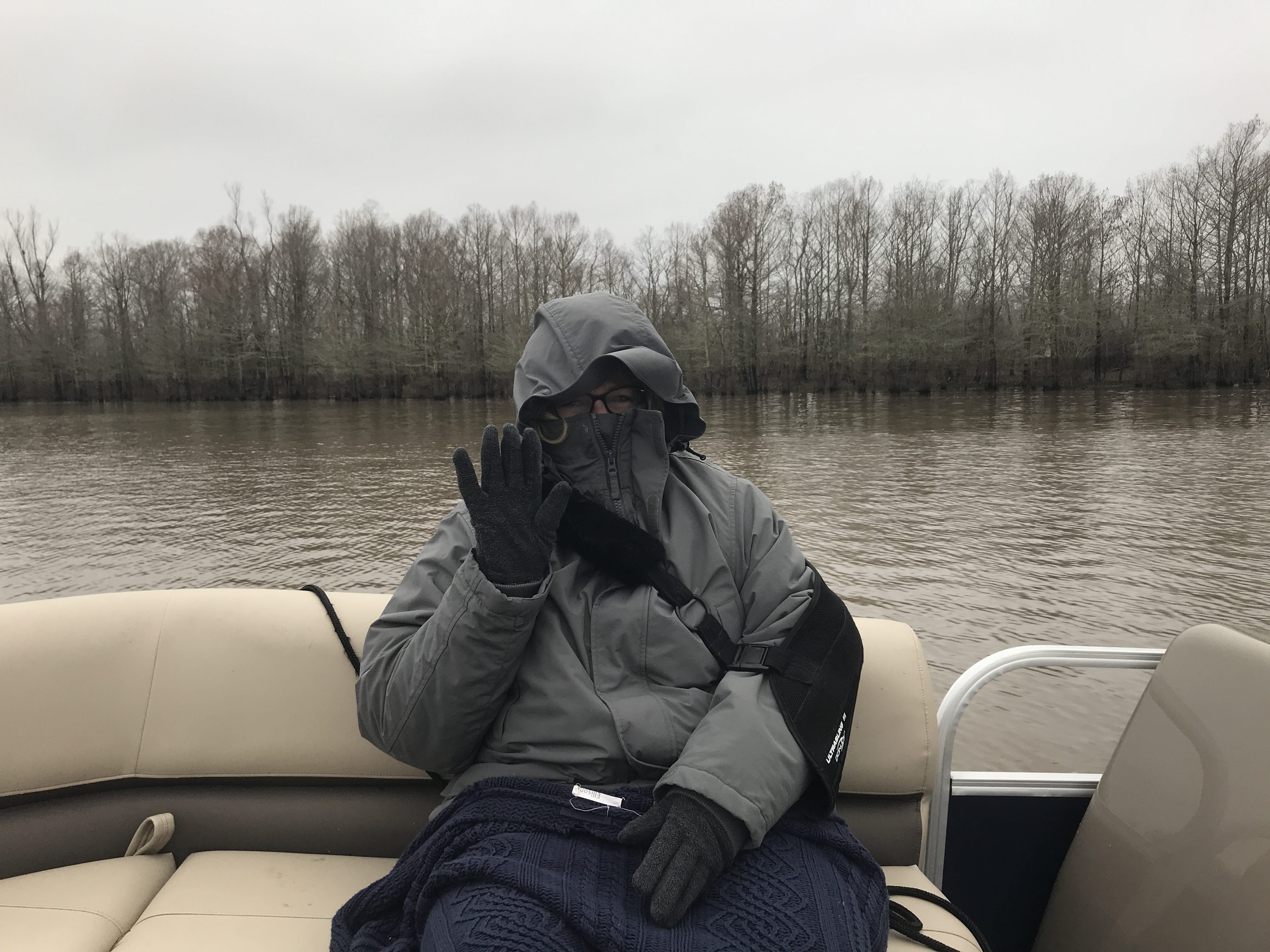
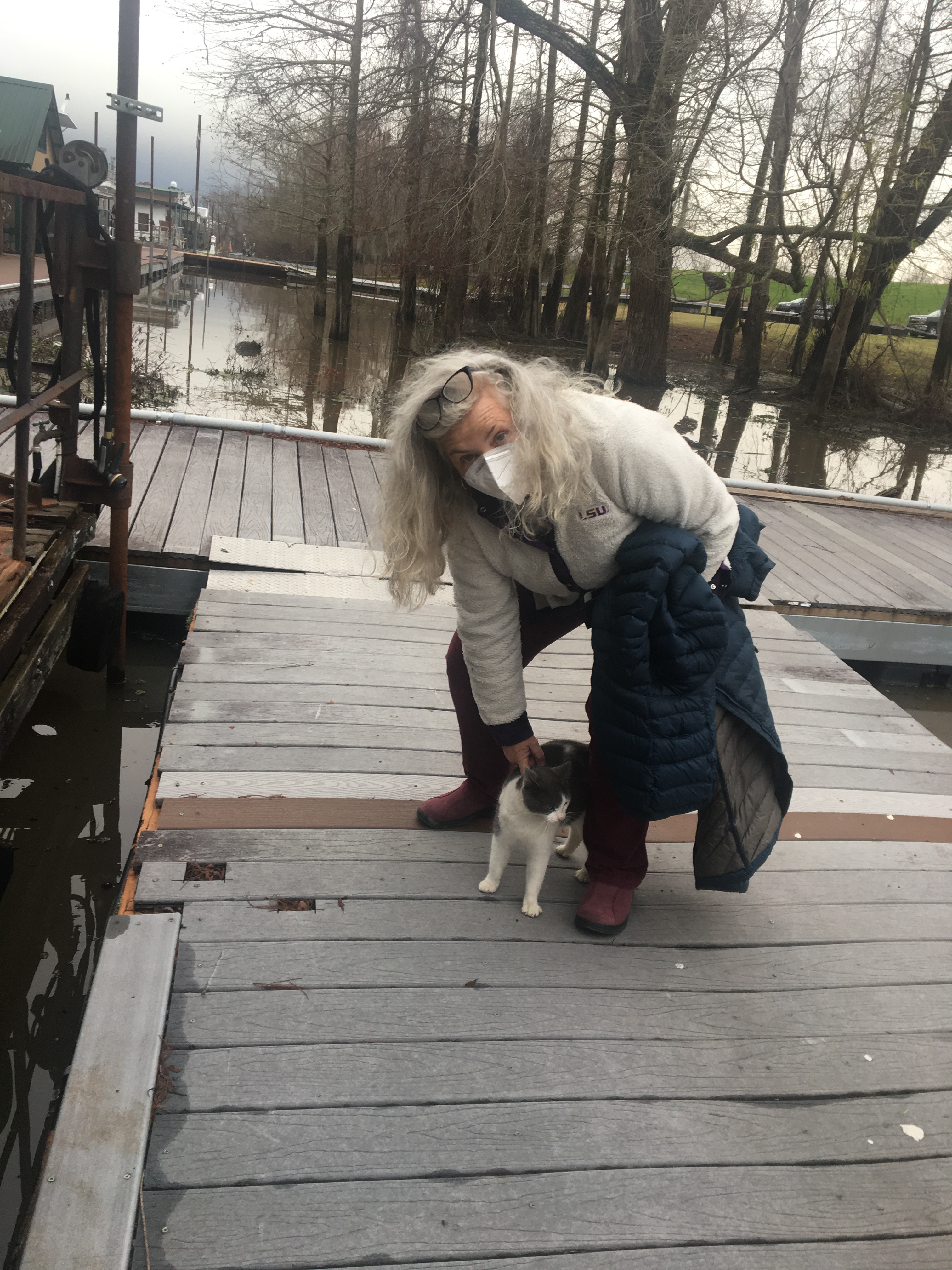
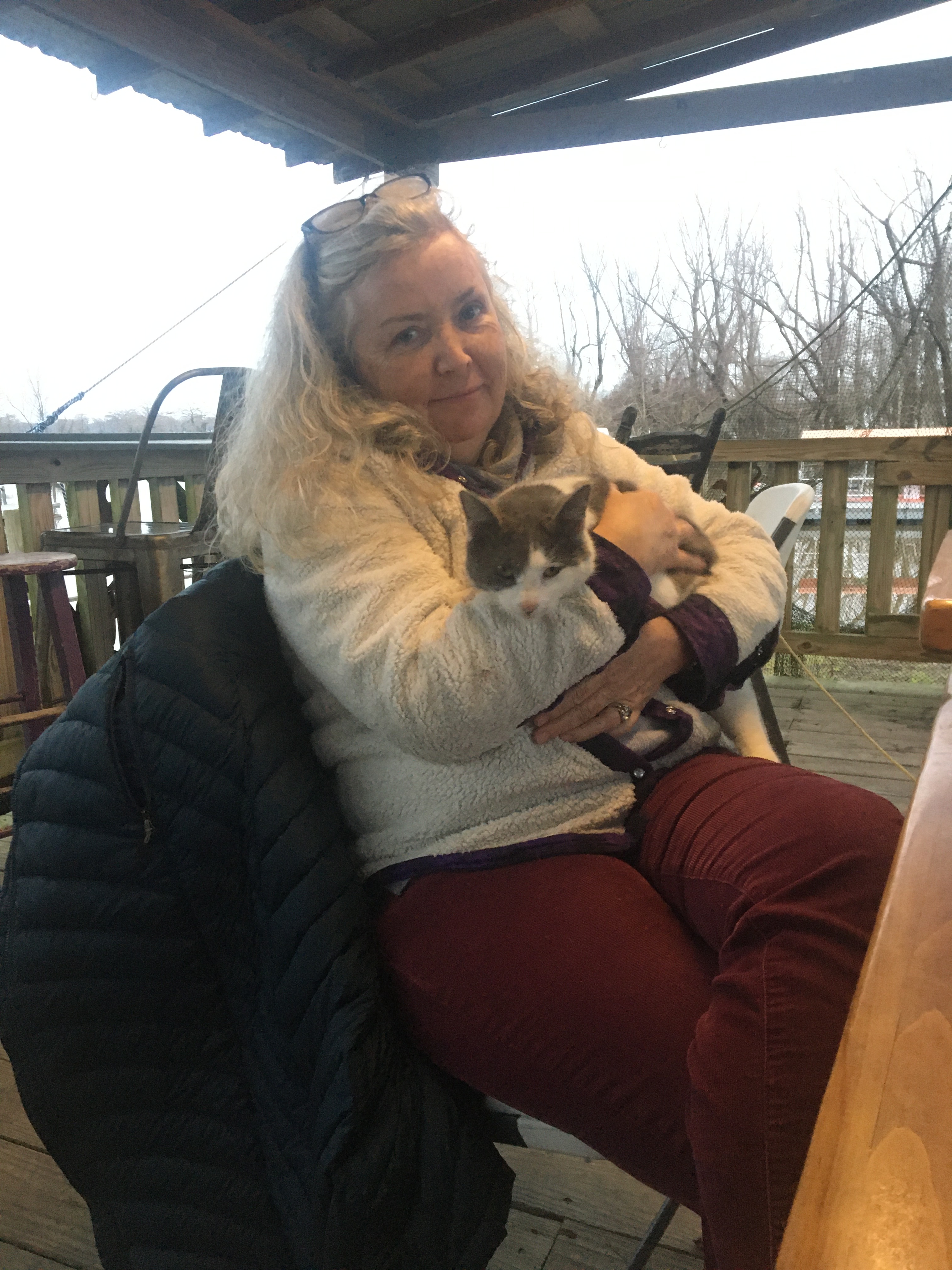
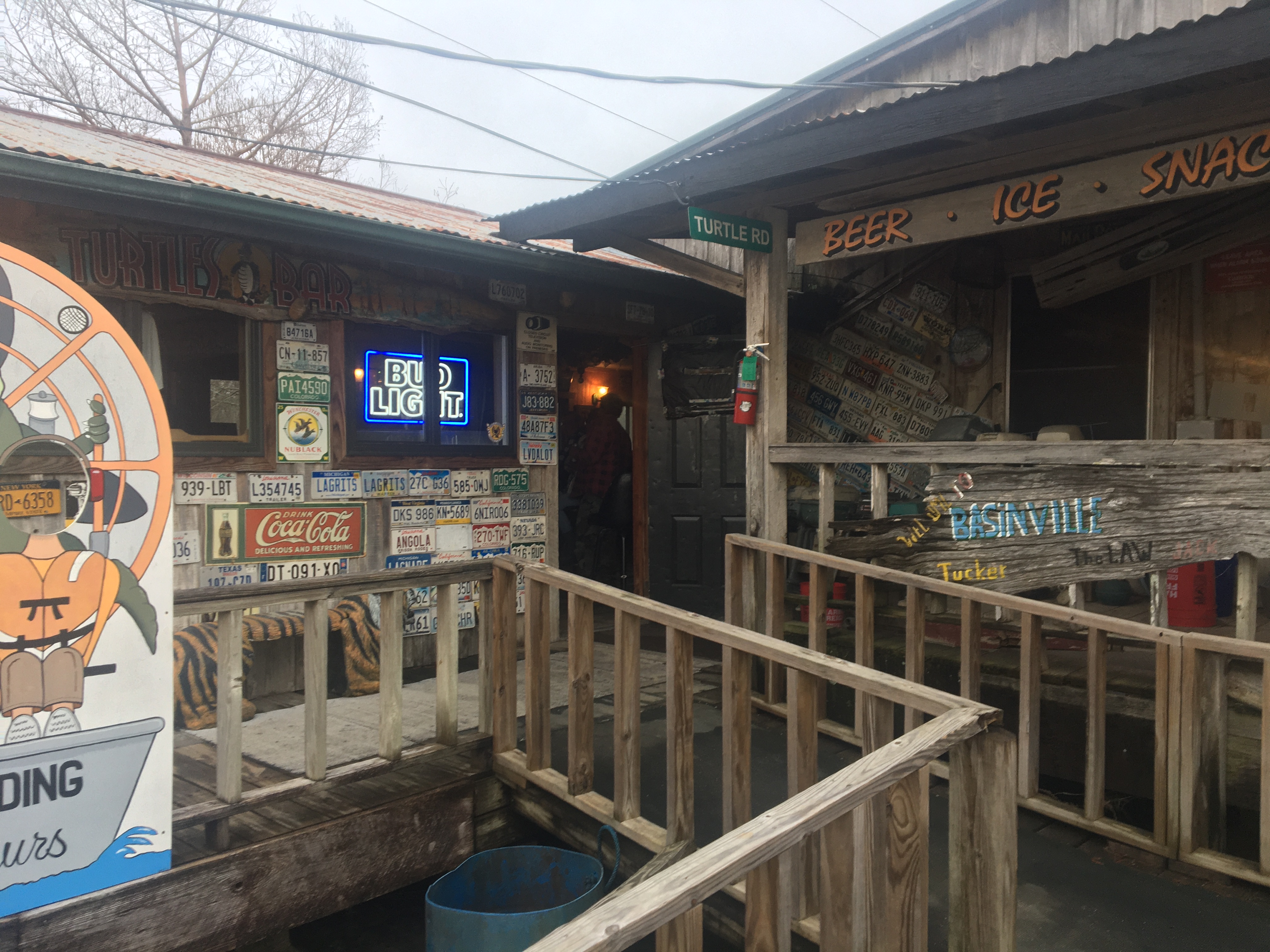
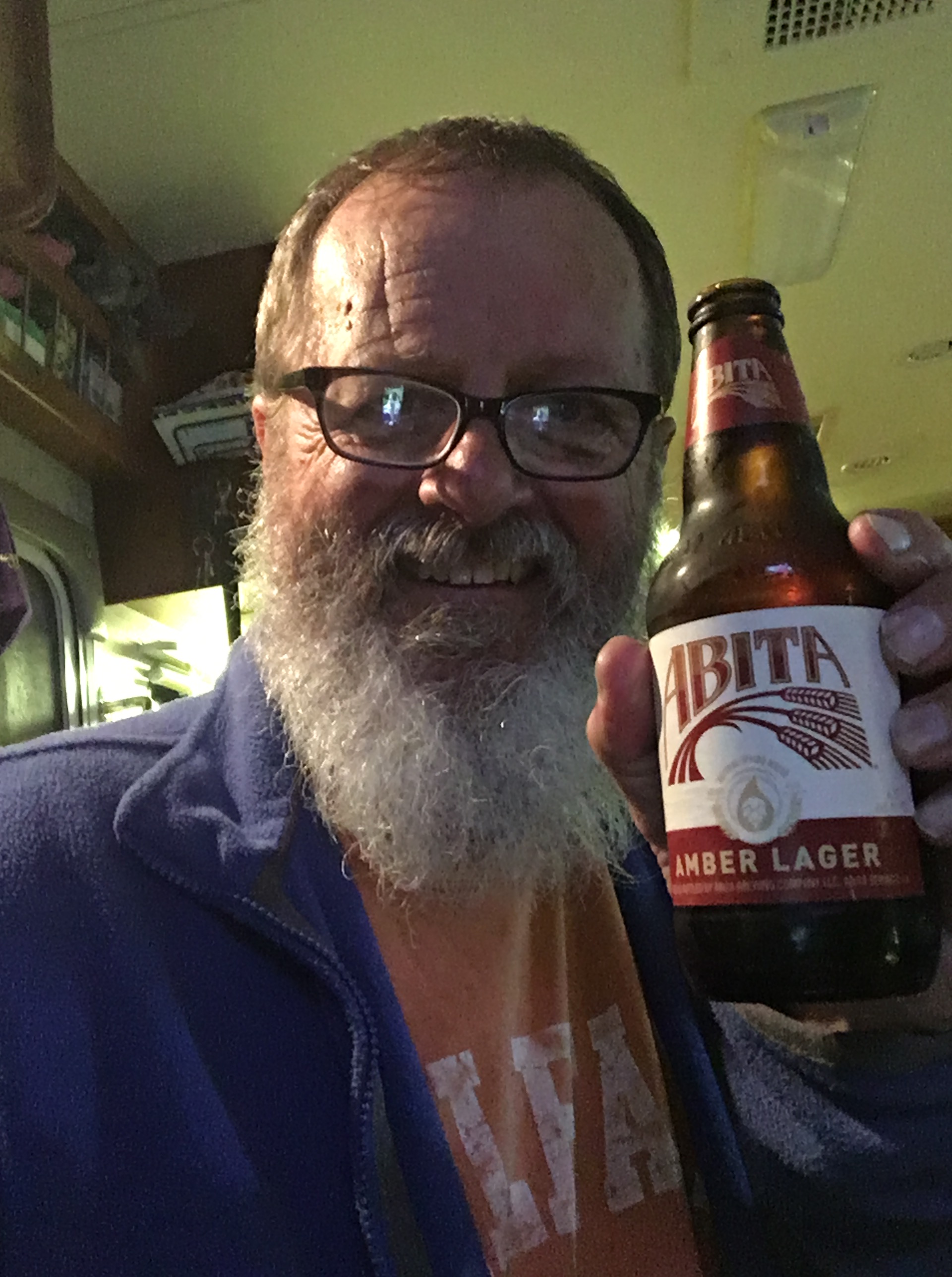
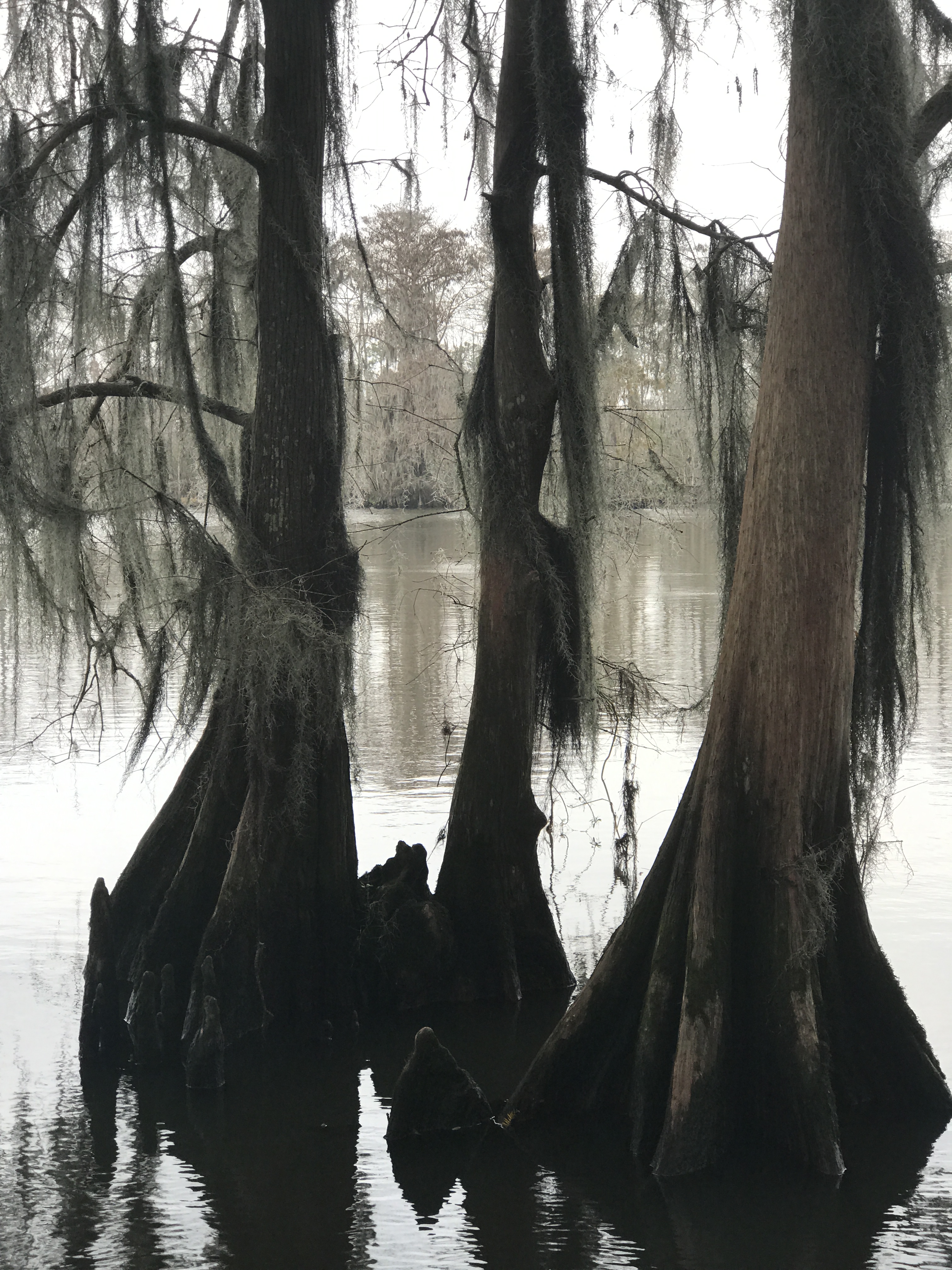
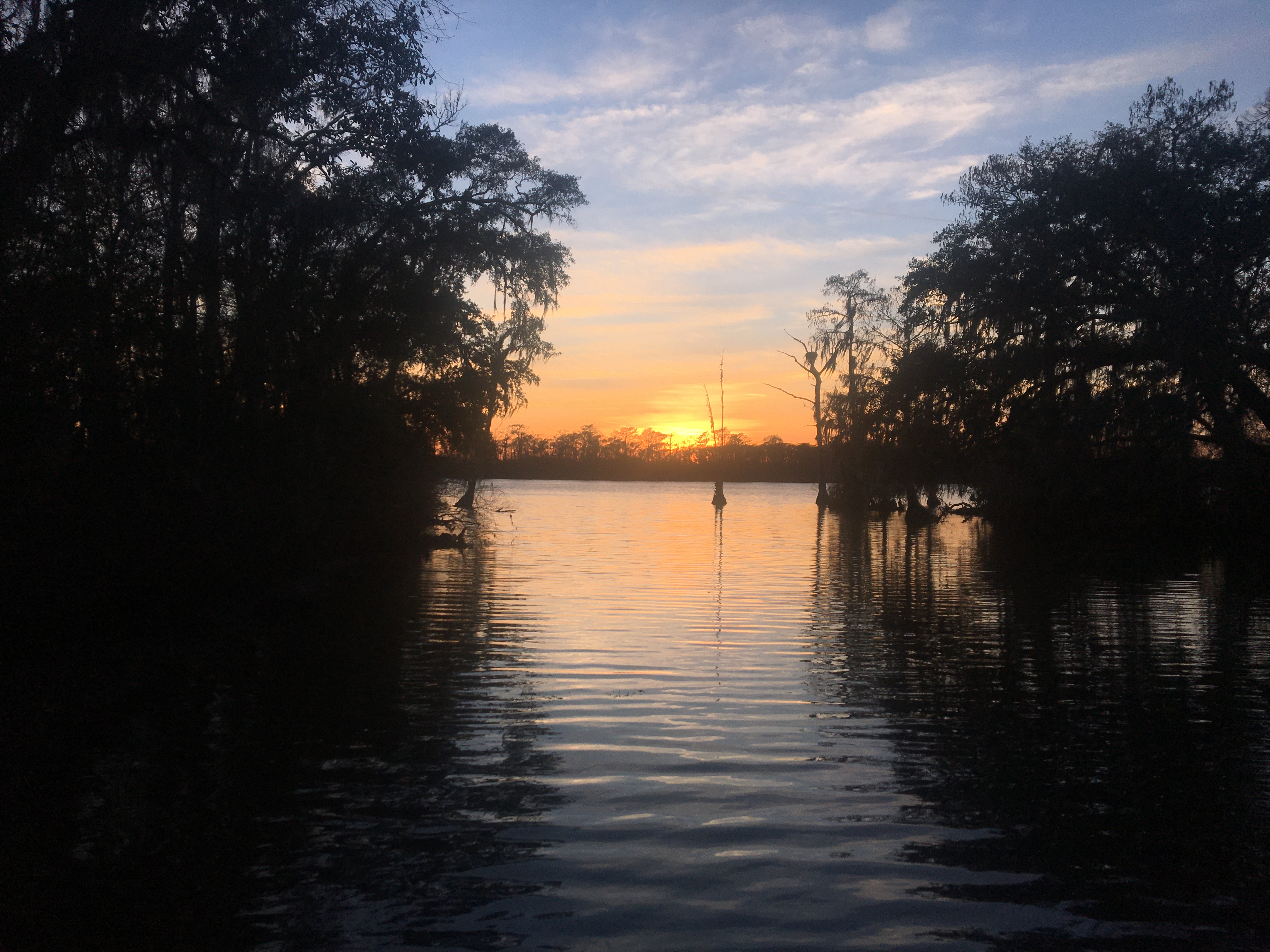
After a leisurely lunch at Chez Jacqueline’s in Breaux Bridge, we were treated to a winter boat tour of the bayou near Atchafalaya Basin Landing. To warm up when we returned to shore, we grabbed some beers on the porch of Turtle Bar, where the resident dock cat curled up with Sarah for a nap. Of course.
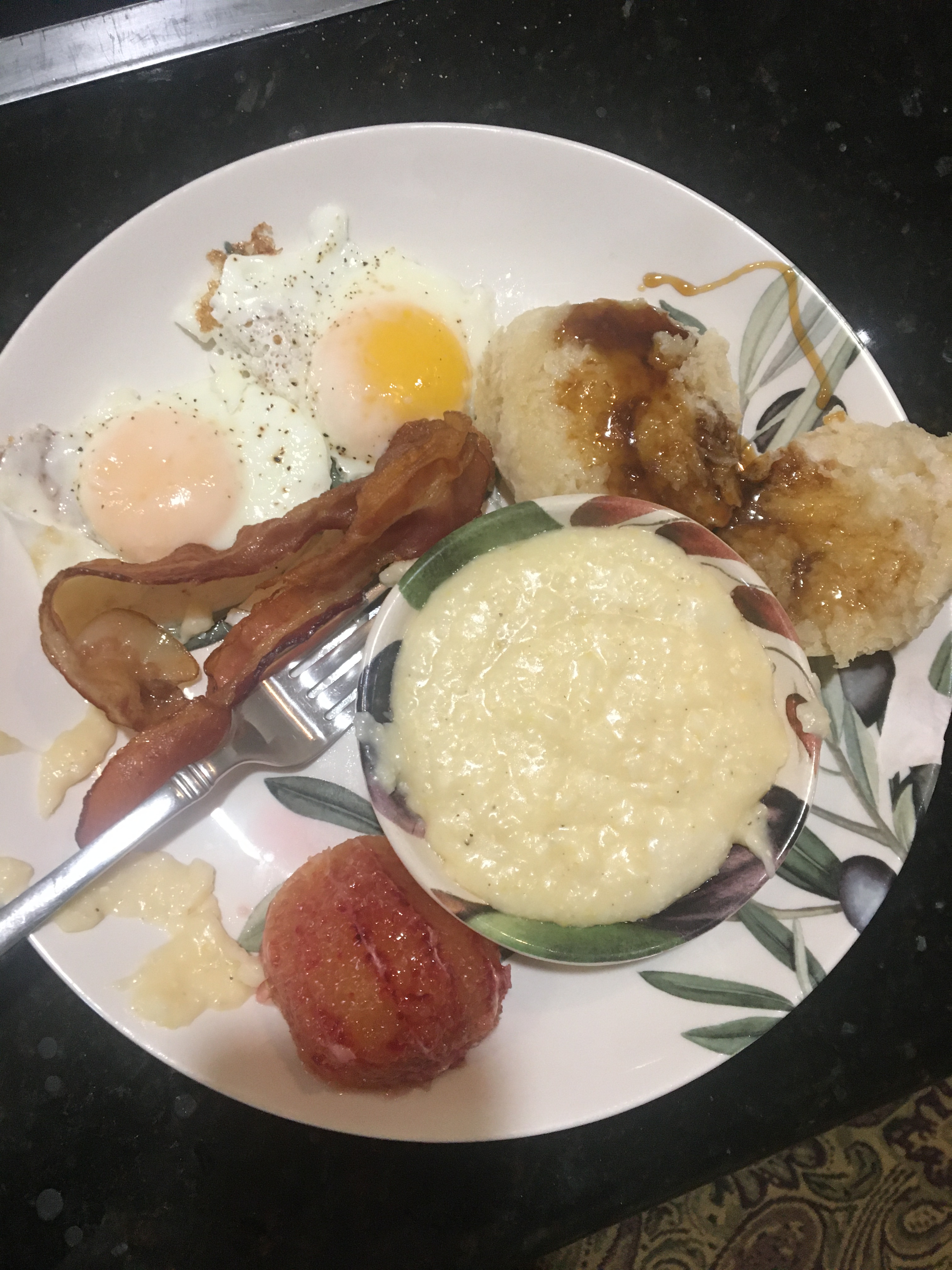
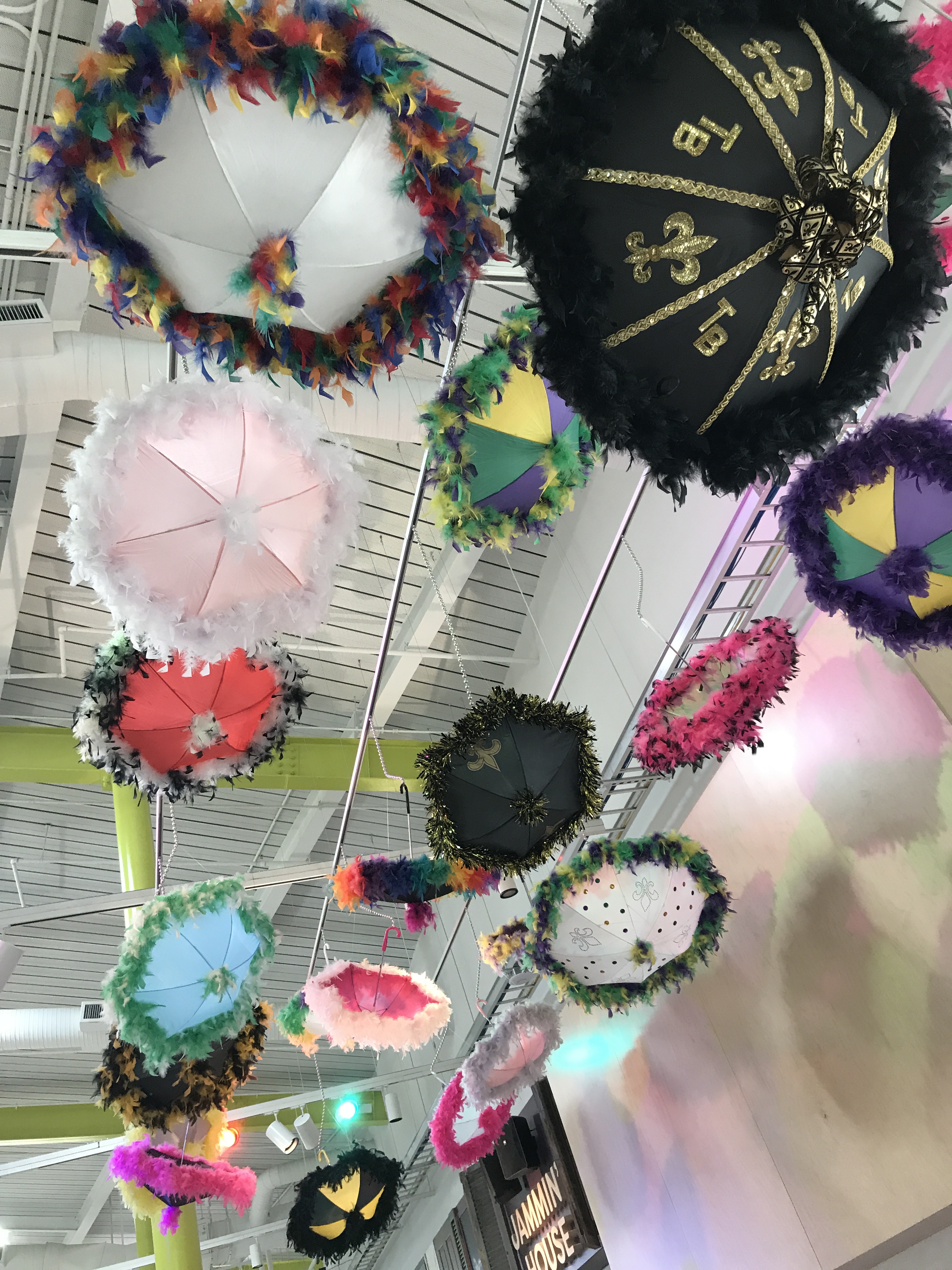
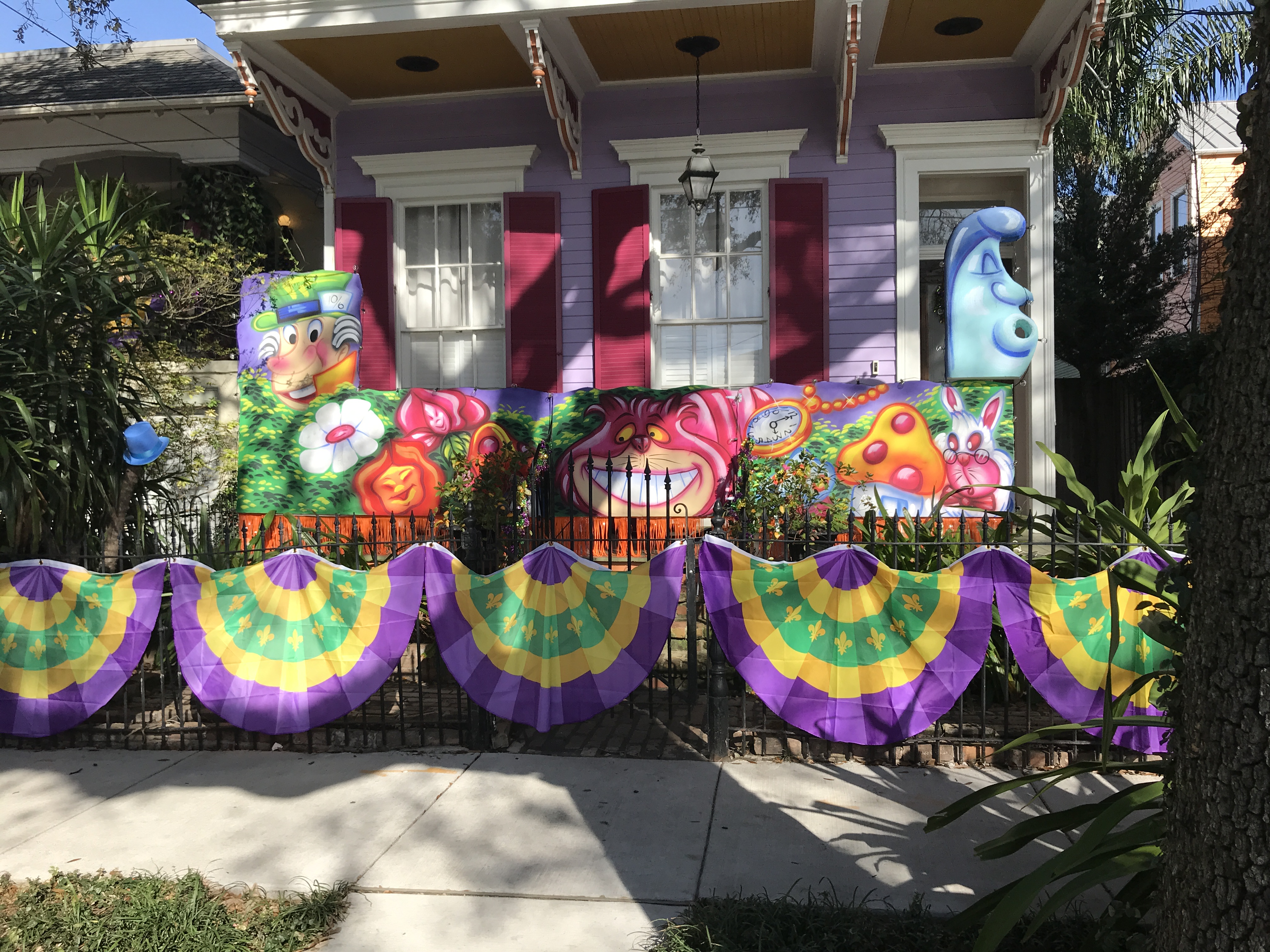
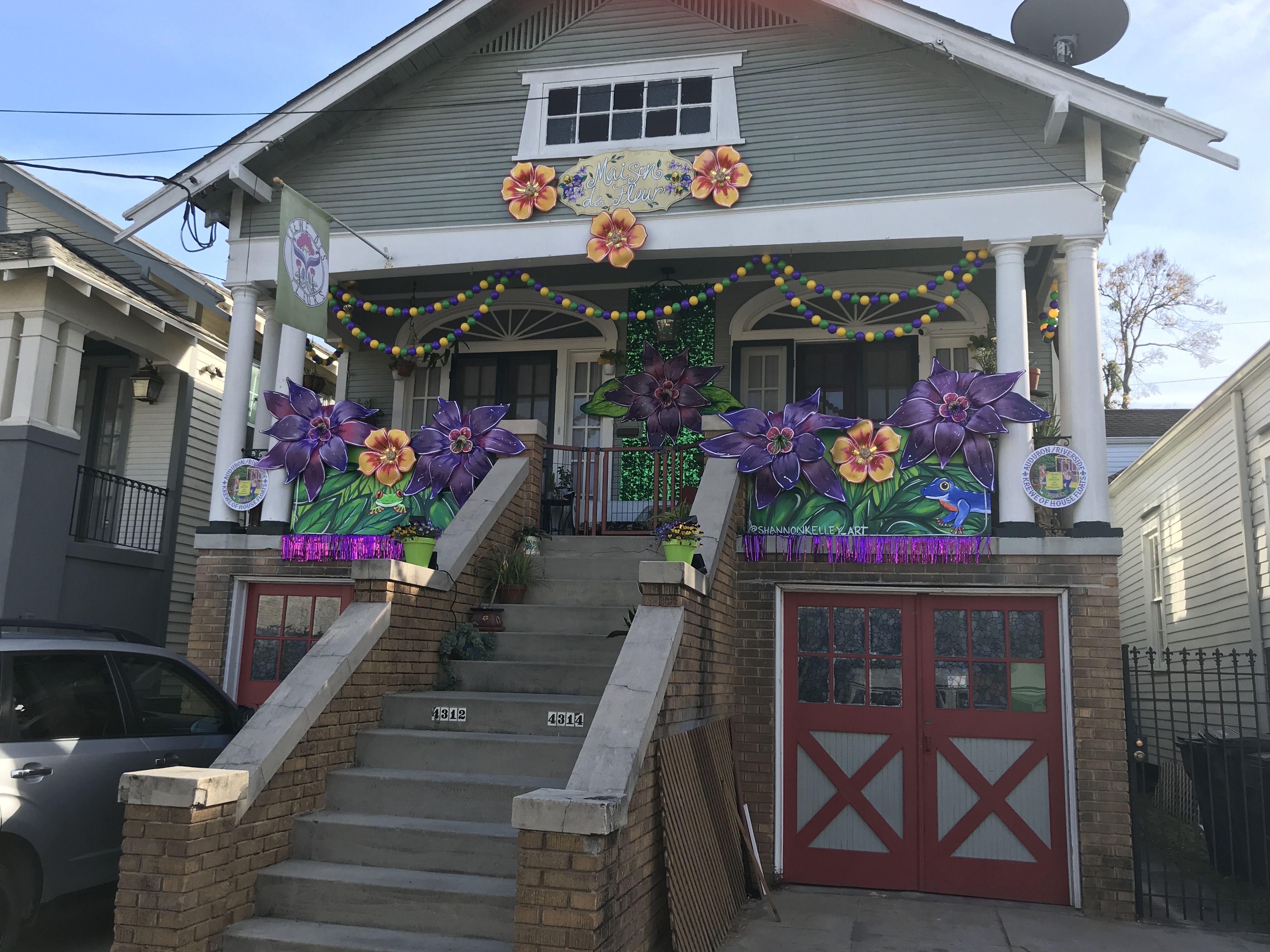
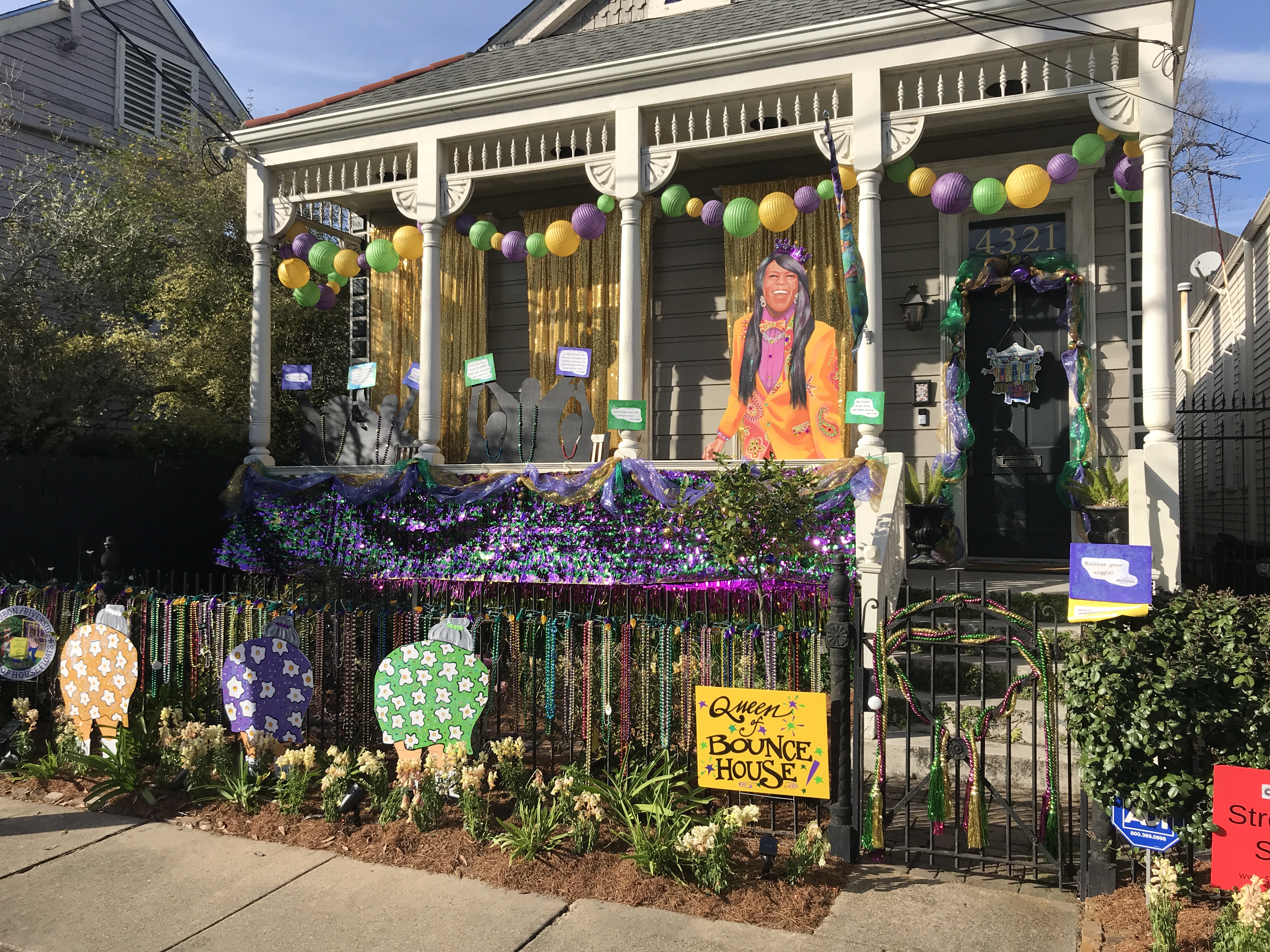
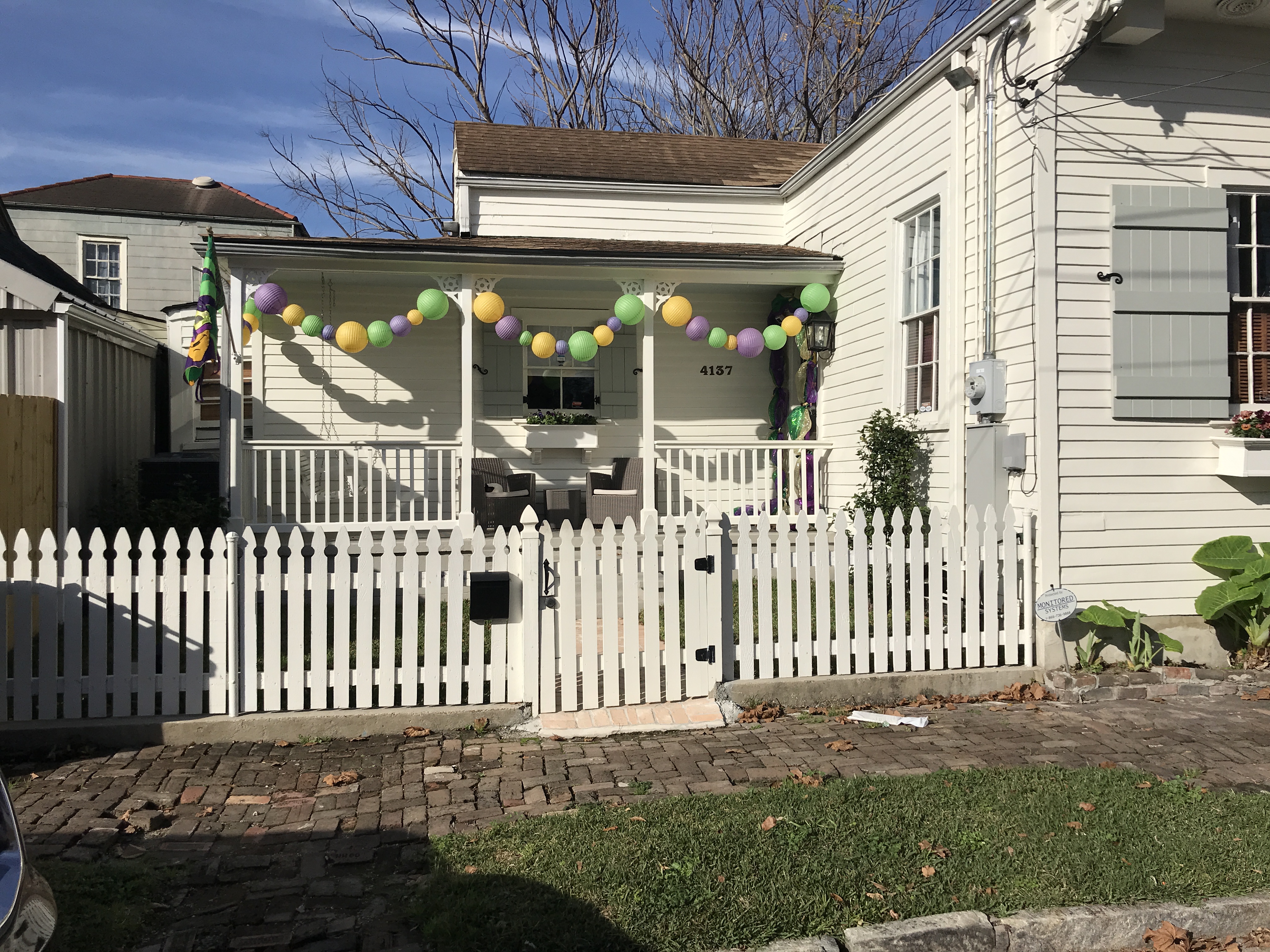
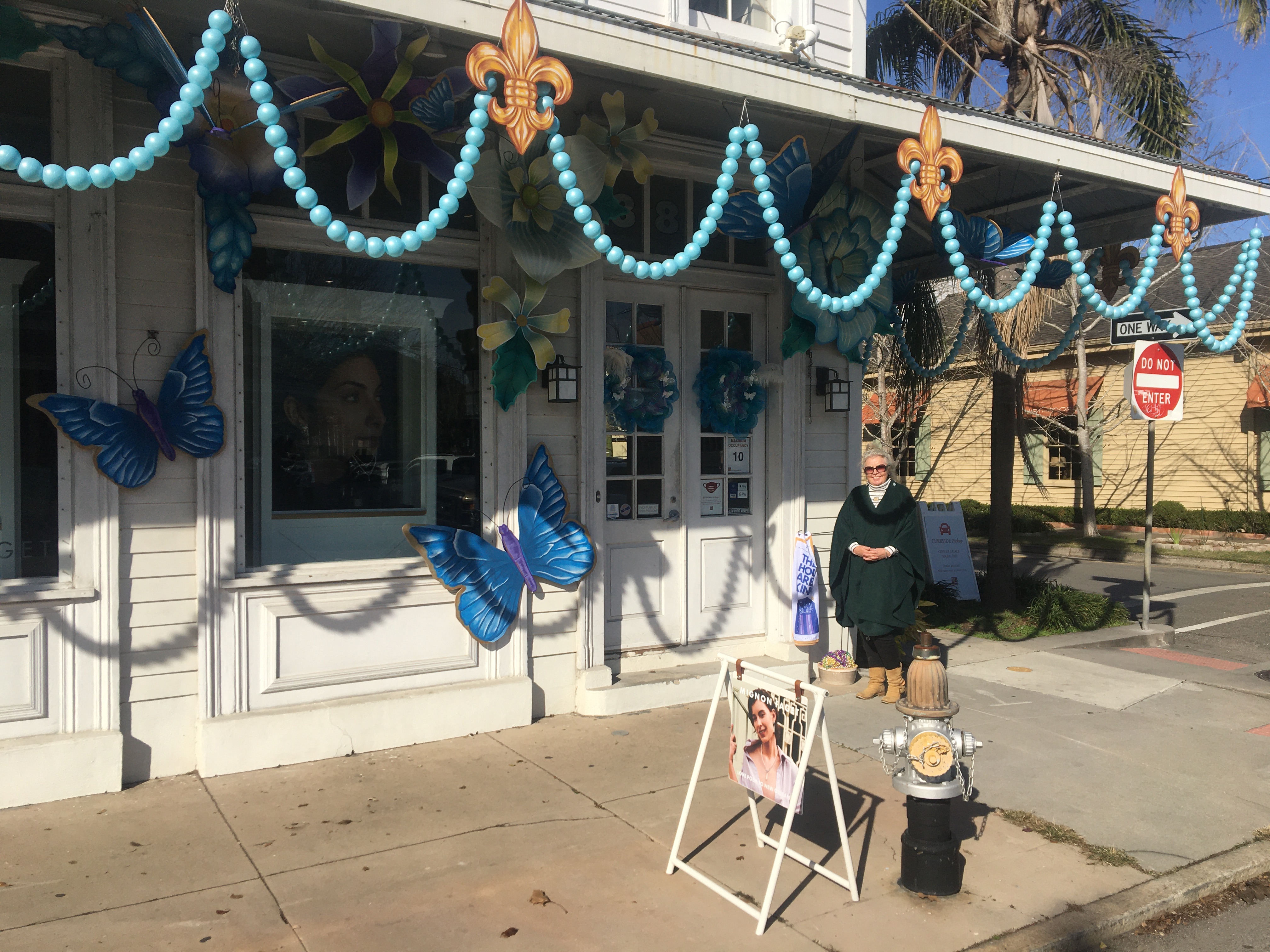
All NY resolutions of salads and moderate meal portions were paused for our nine days of food heaven in Louisiana. Who doesn’t love Randazzo’s King Cake for breakfast every day during carnival season???
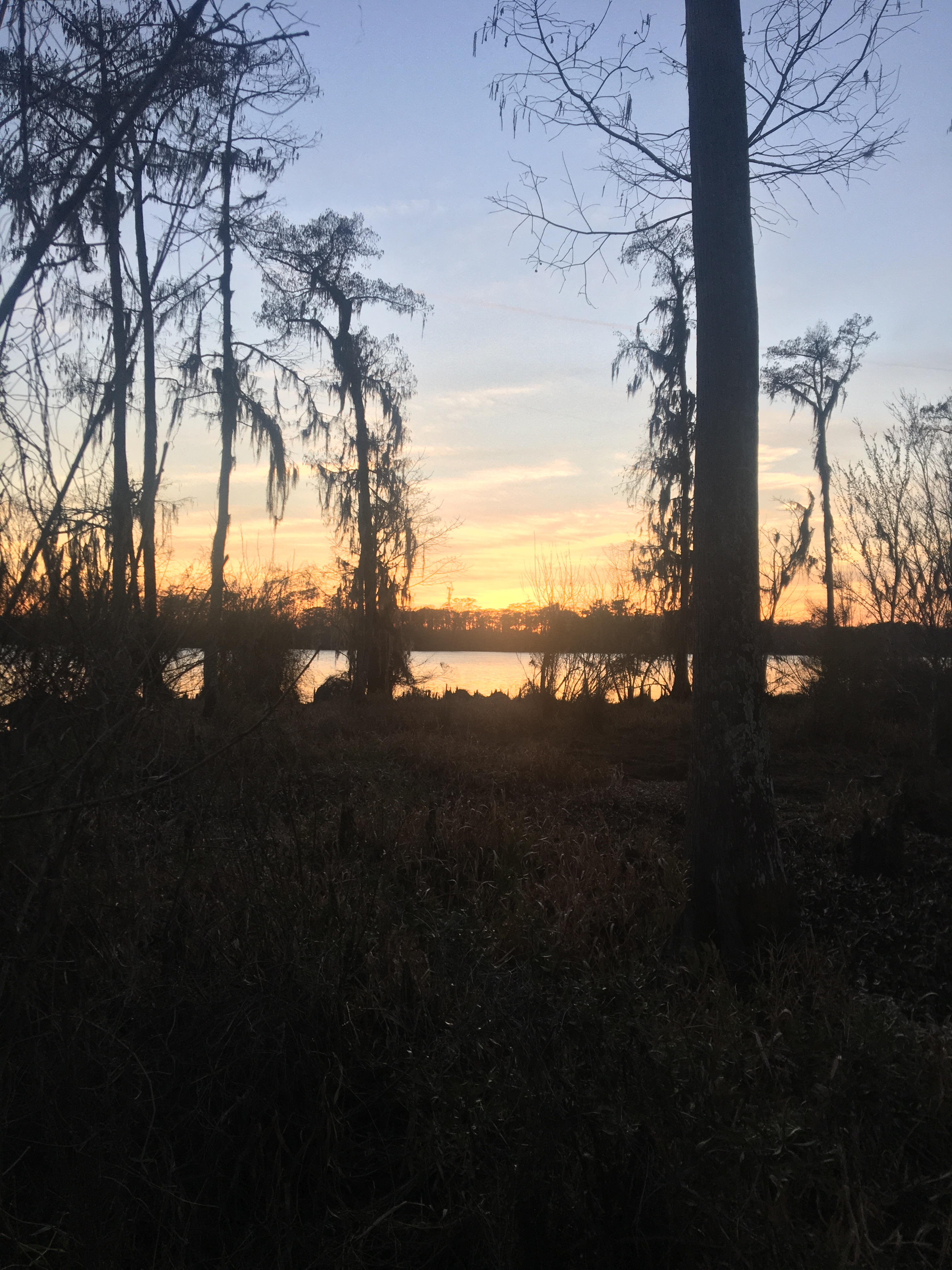
We camped at a great state park across the lake from NOLA with easy access to the causeway for visits with friends on both sides of the water. Thank you to everyone who made time in their schedules to hang out with the Gills!
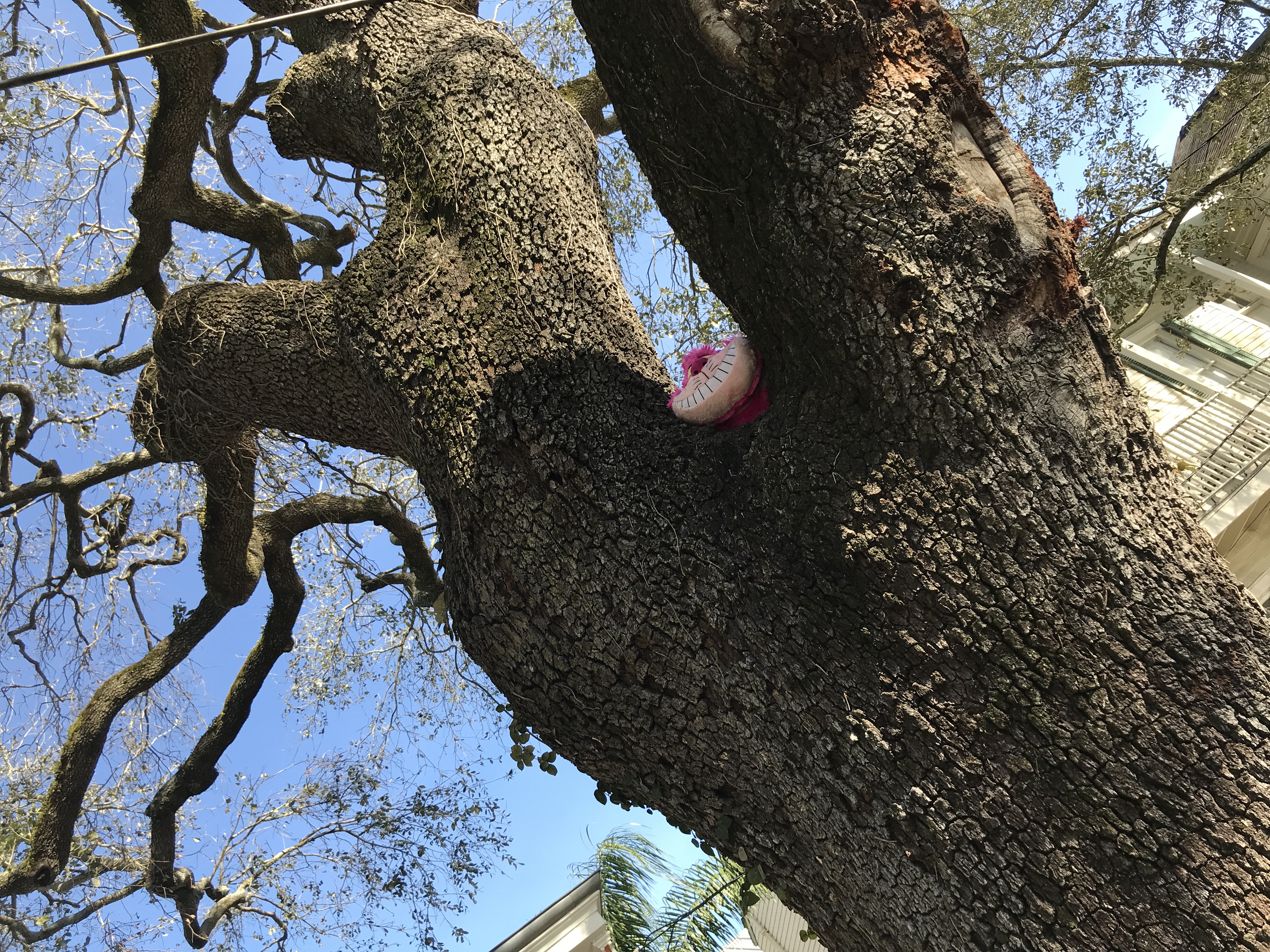
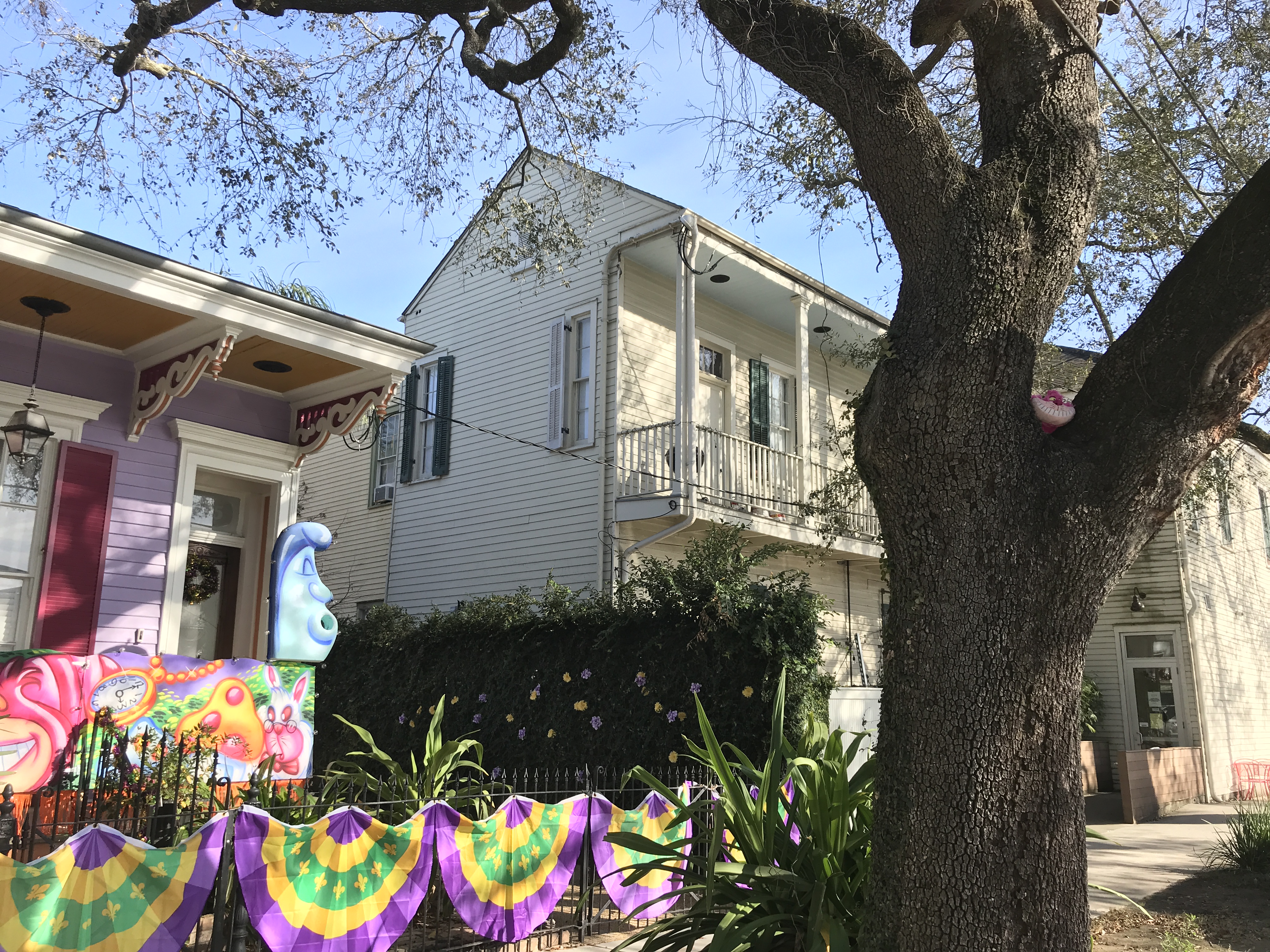
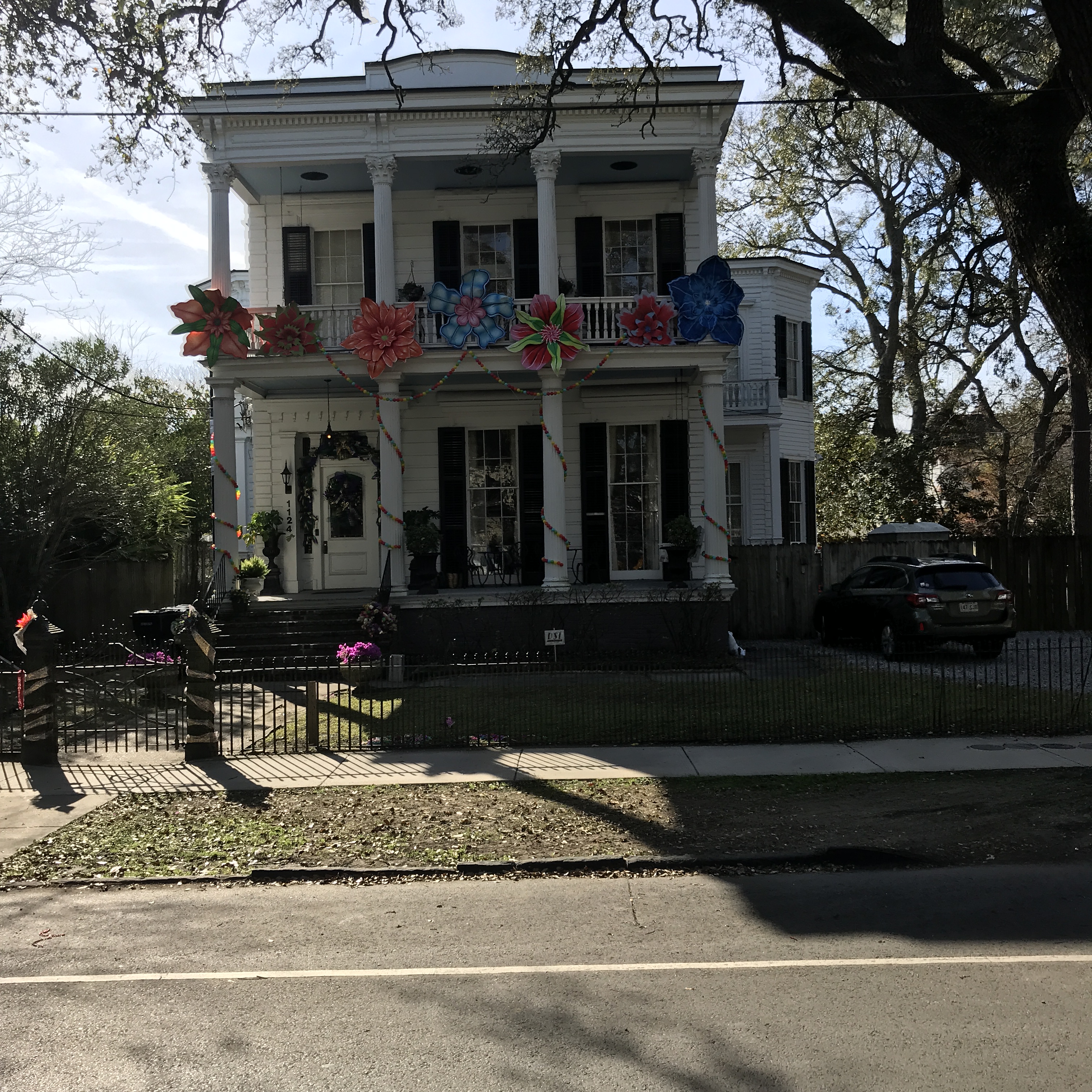
GEOQUIZ: Where in the world did a bakery substitute Baby Yoda for Baby Jesus in their carnival cakes?
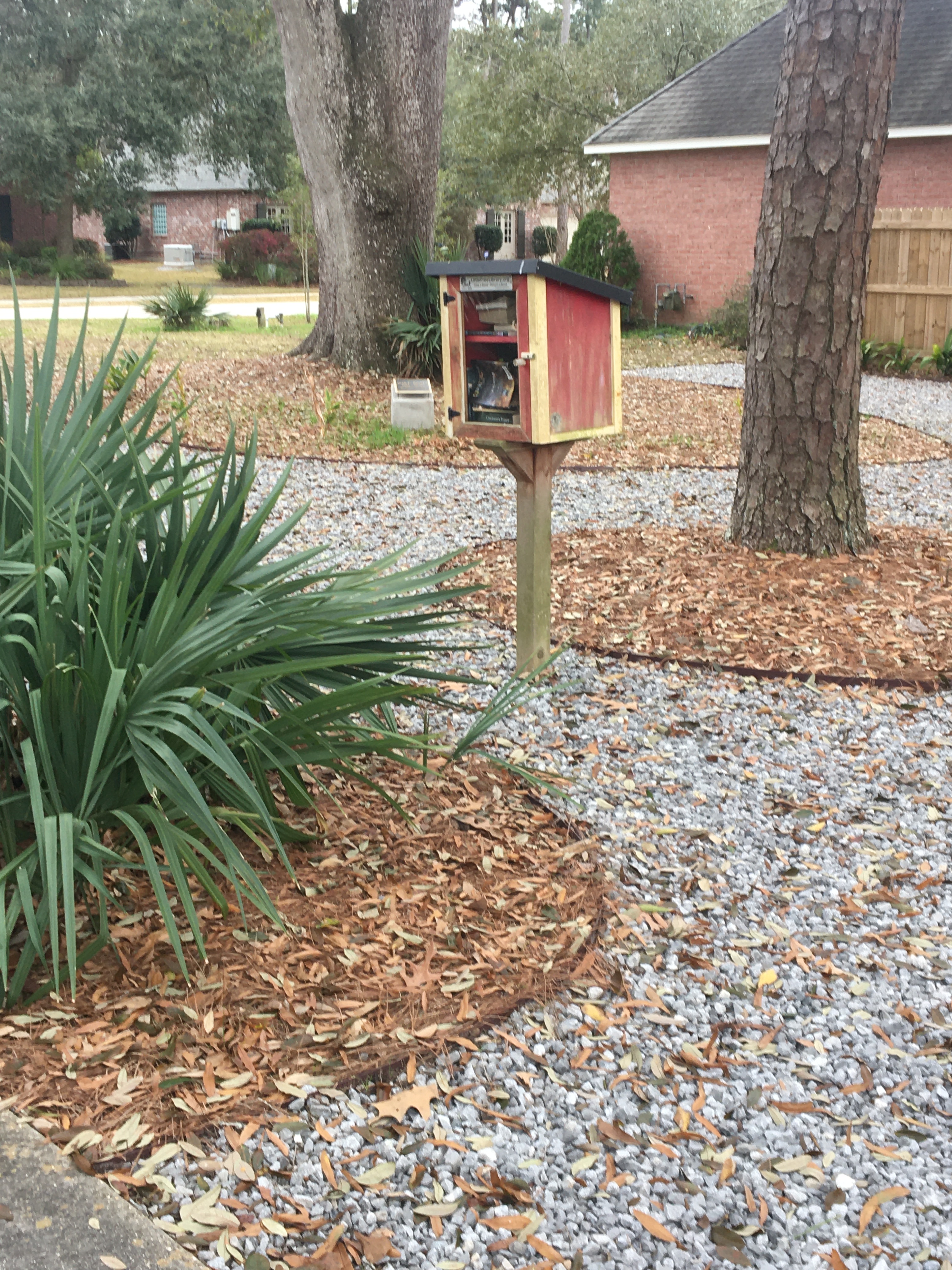
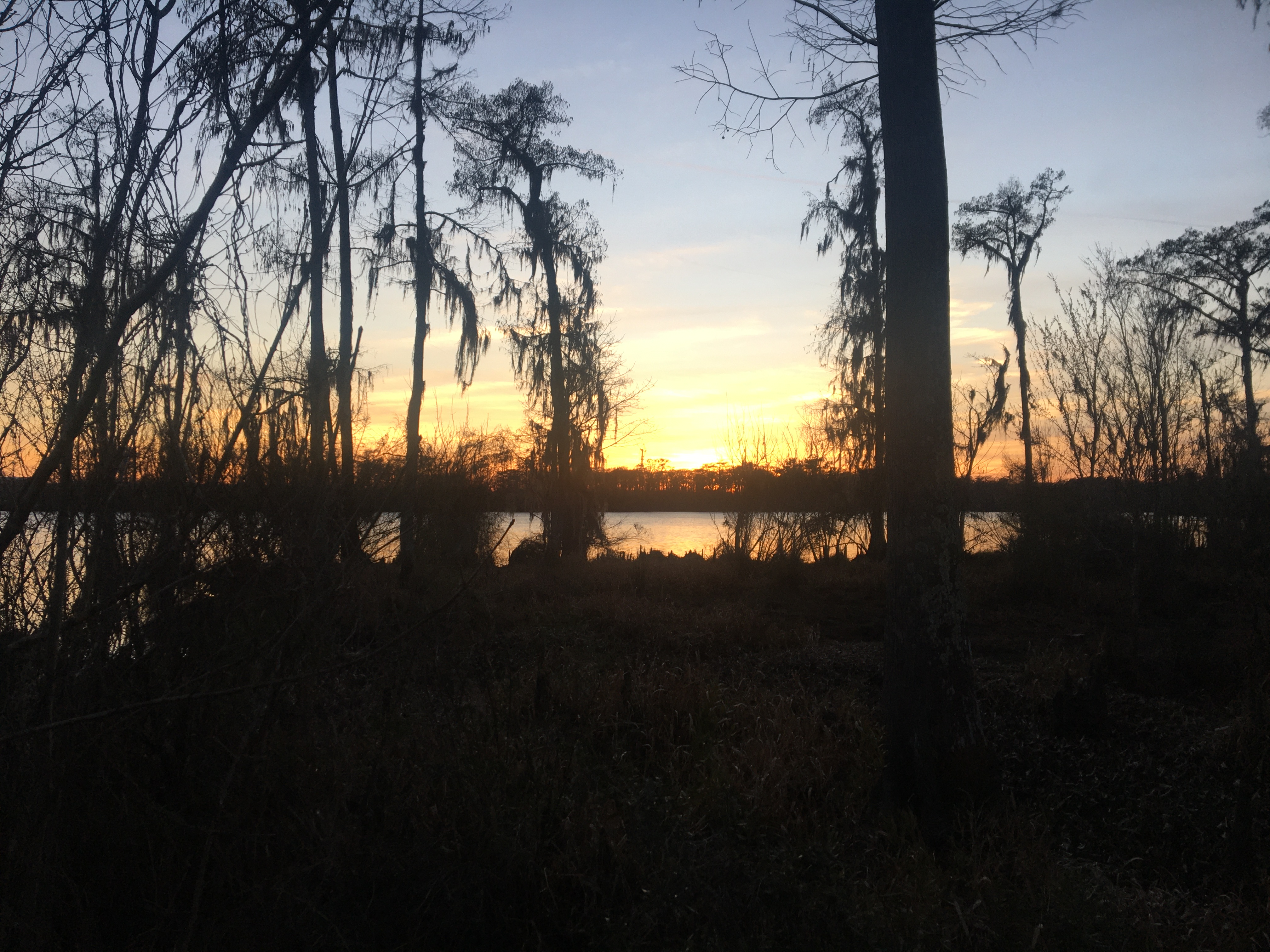
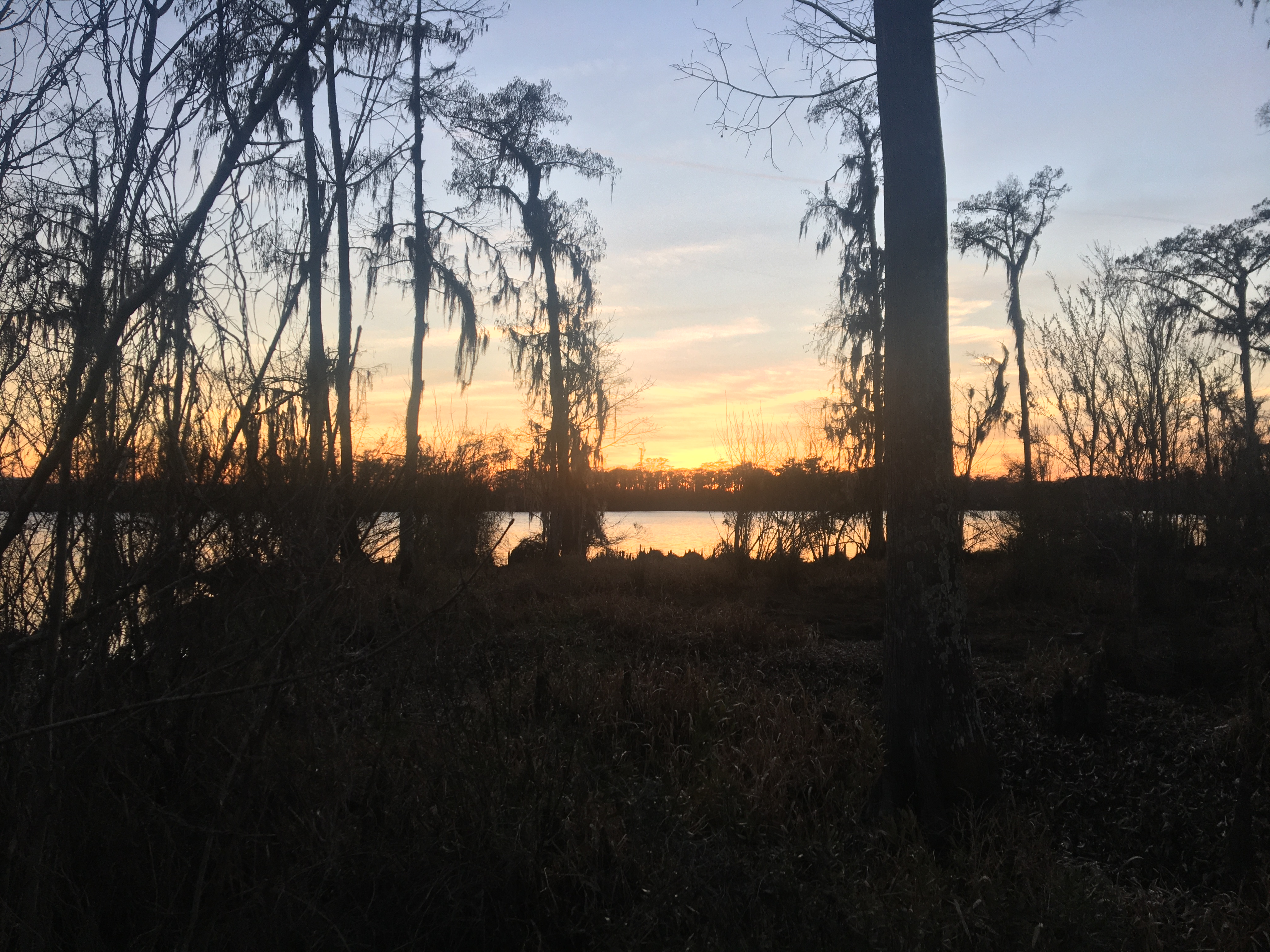
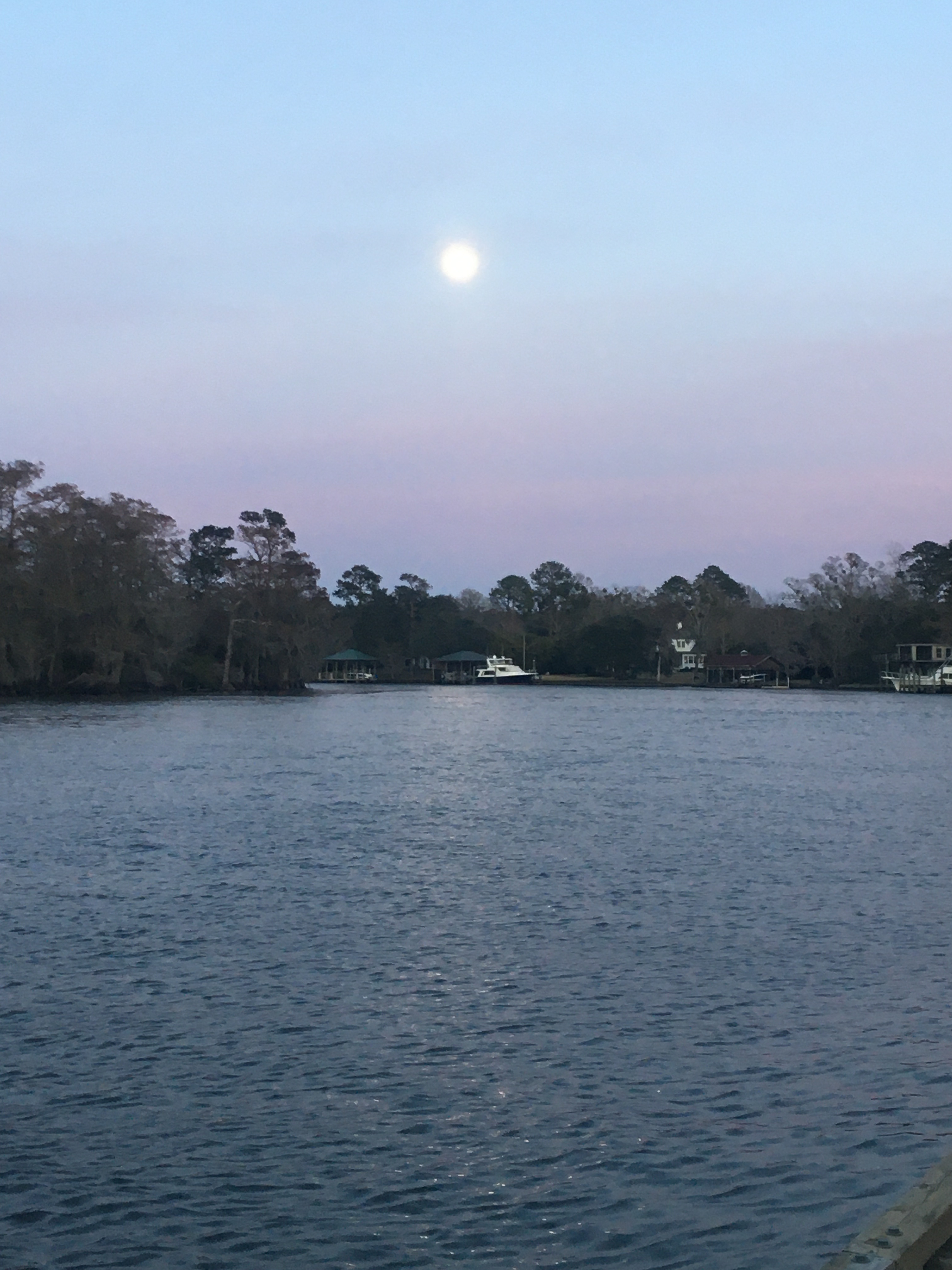
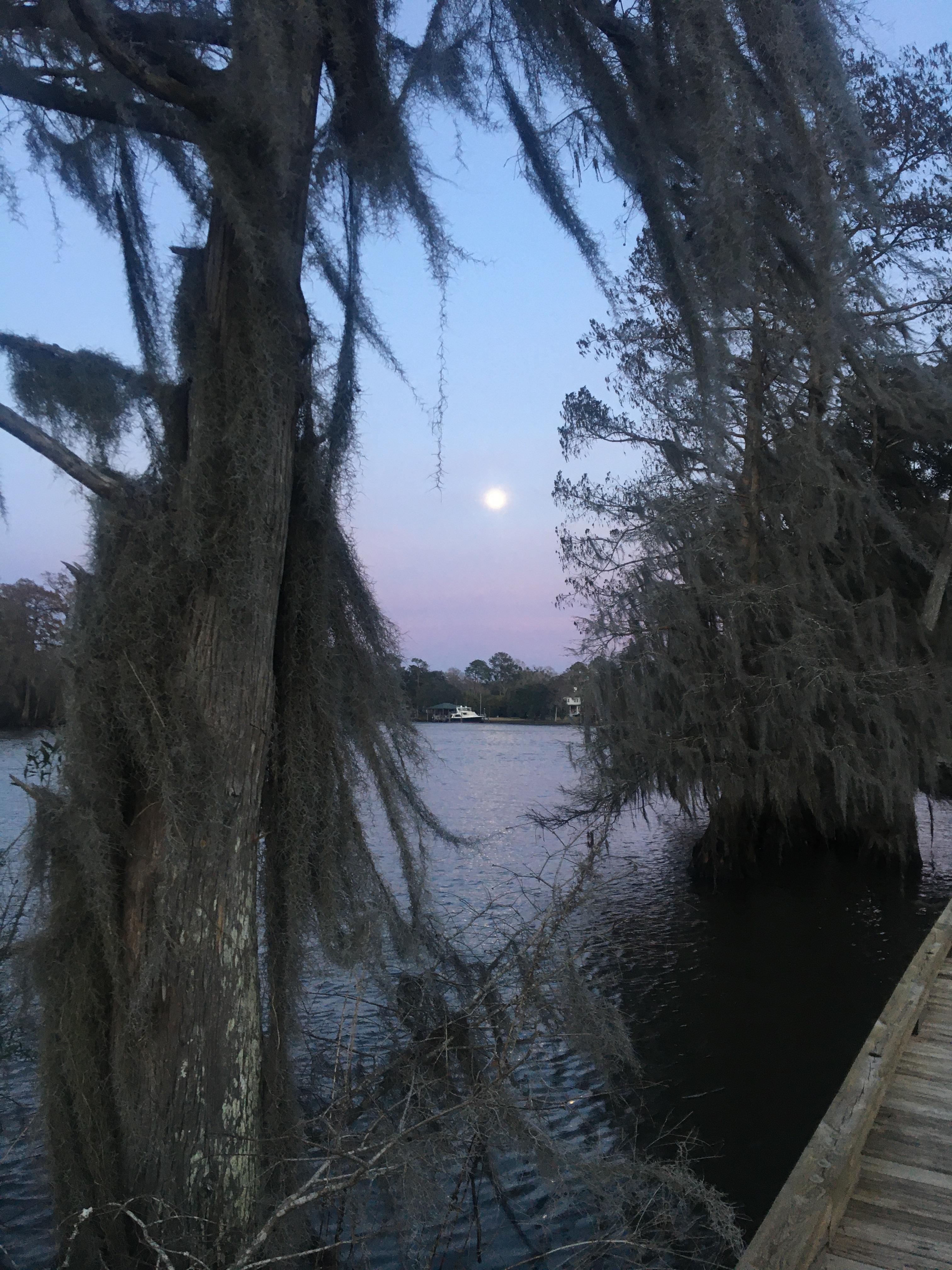
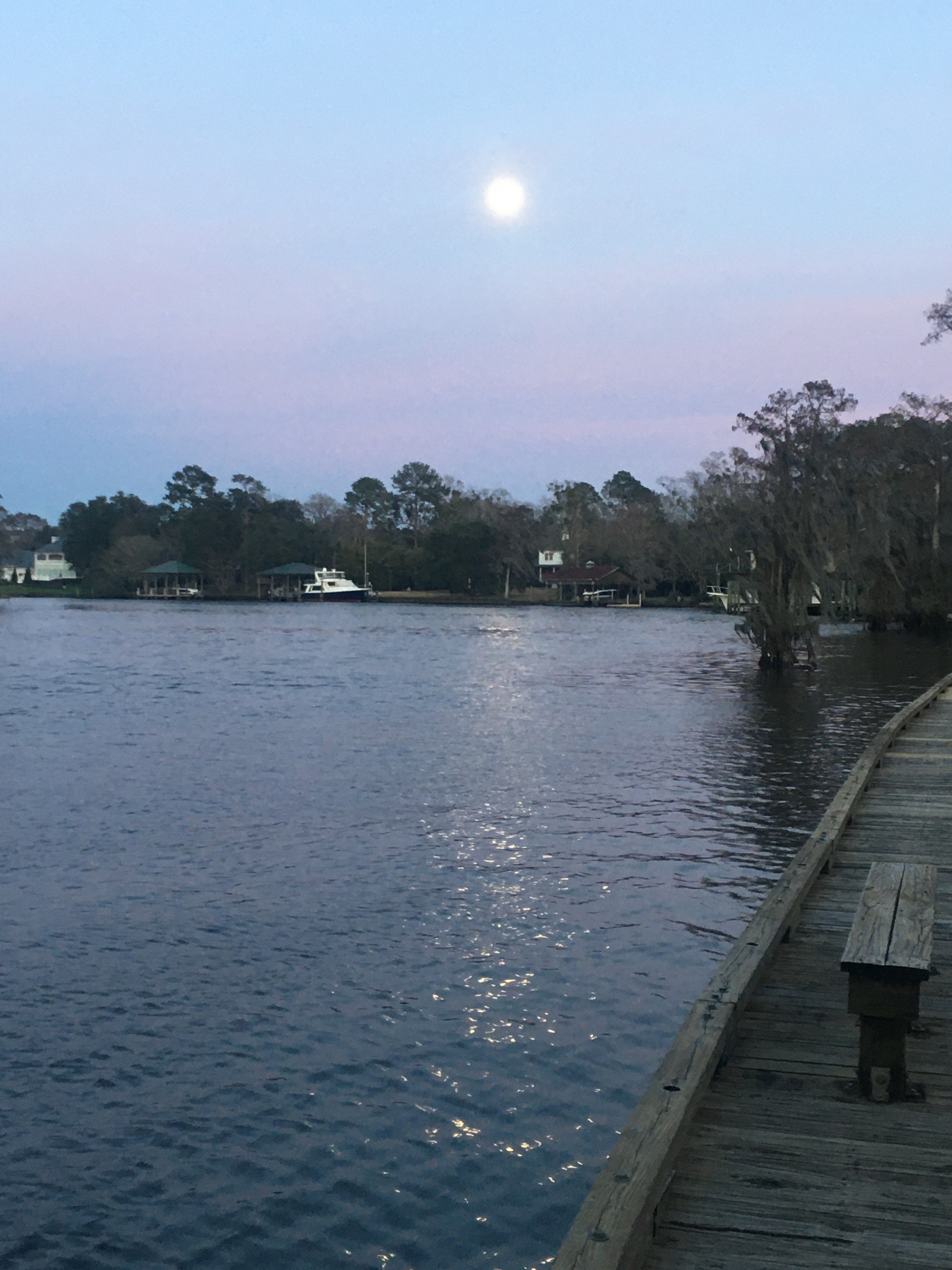
We just finished a week at Davis Bayou State Campground, where we learned that shower #1 has the most hot water and the best water pressure since we left Cape Cod. Sarah actually washed her hair twice this week!
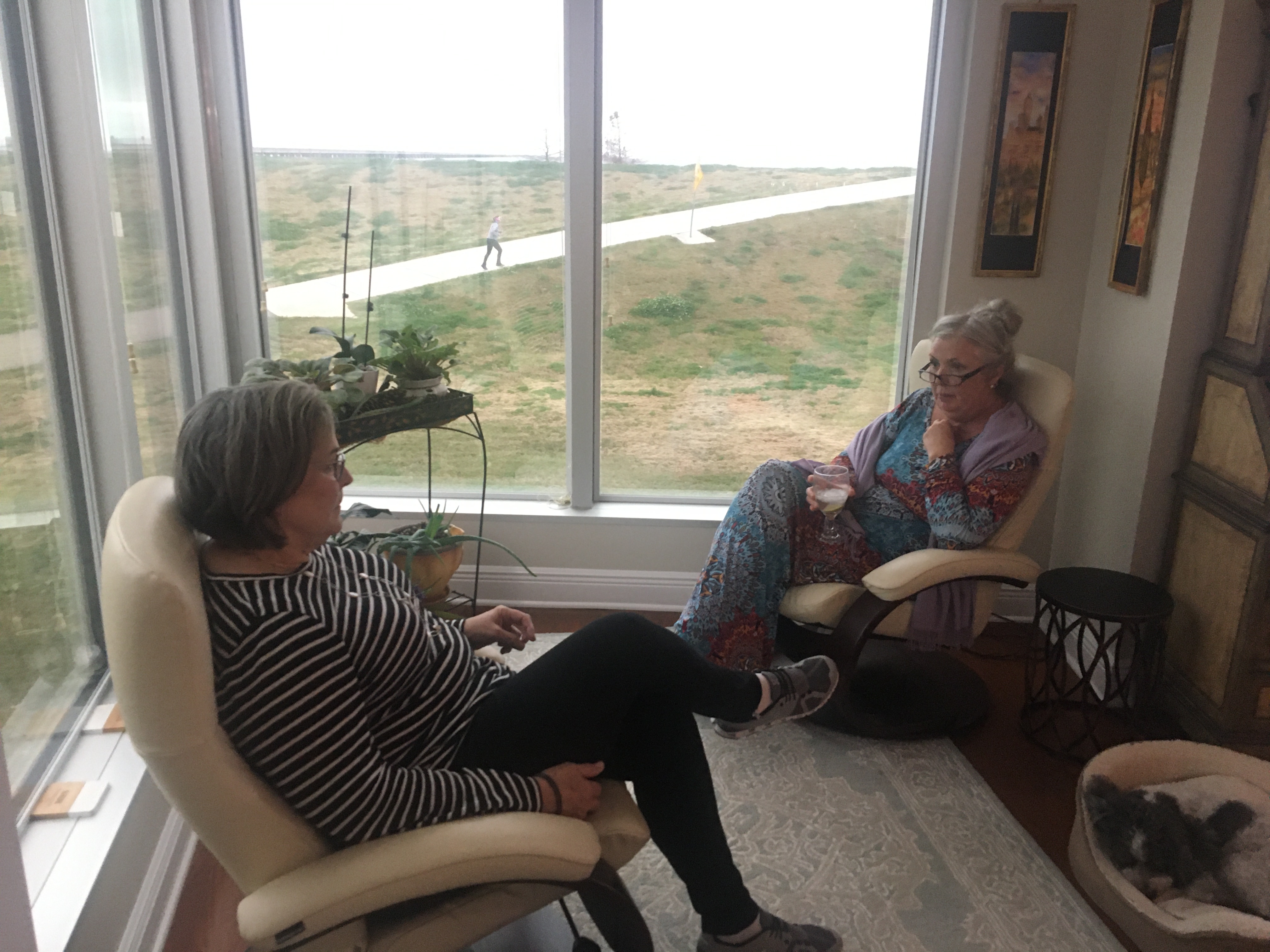
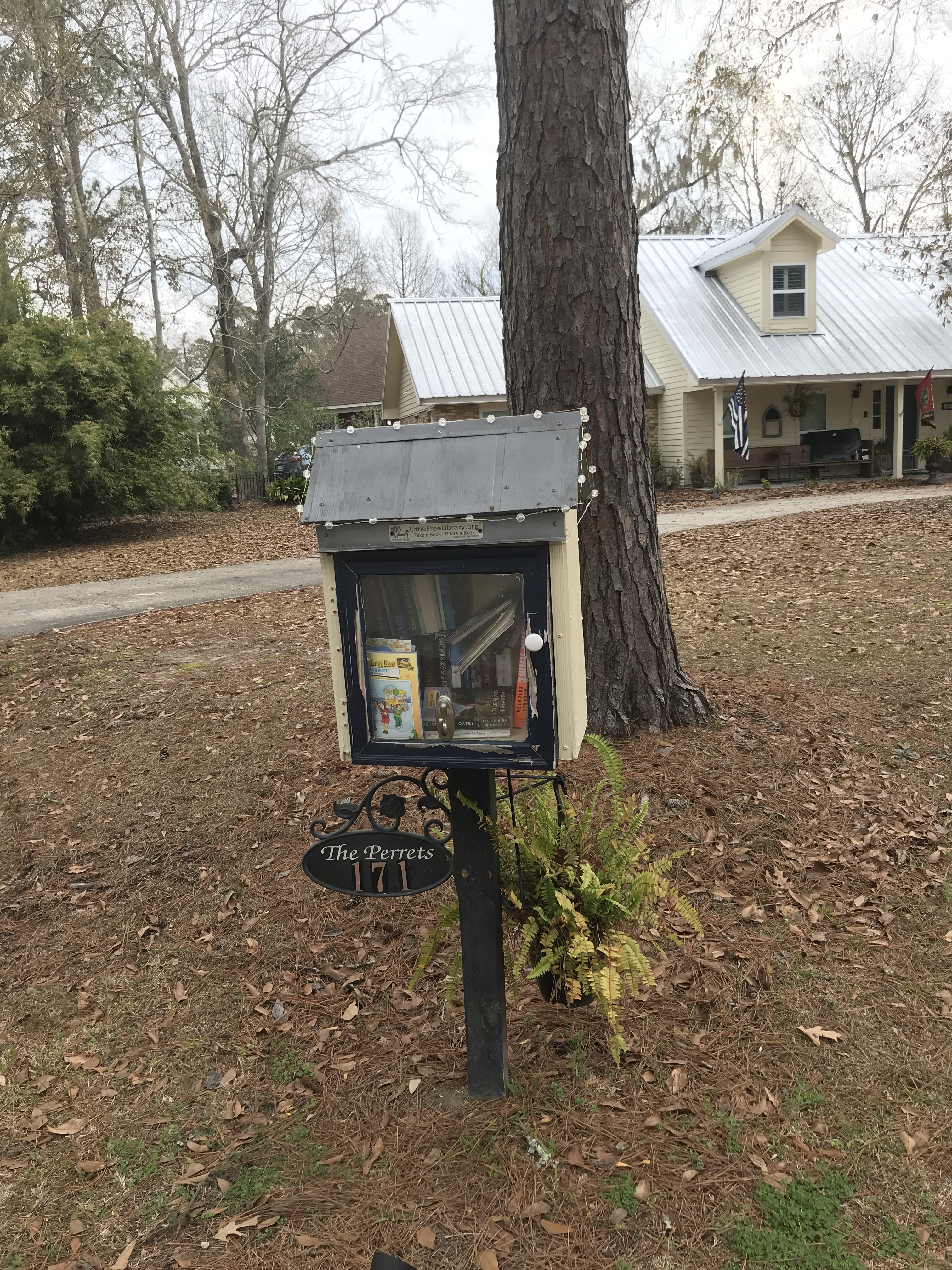
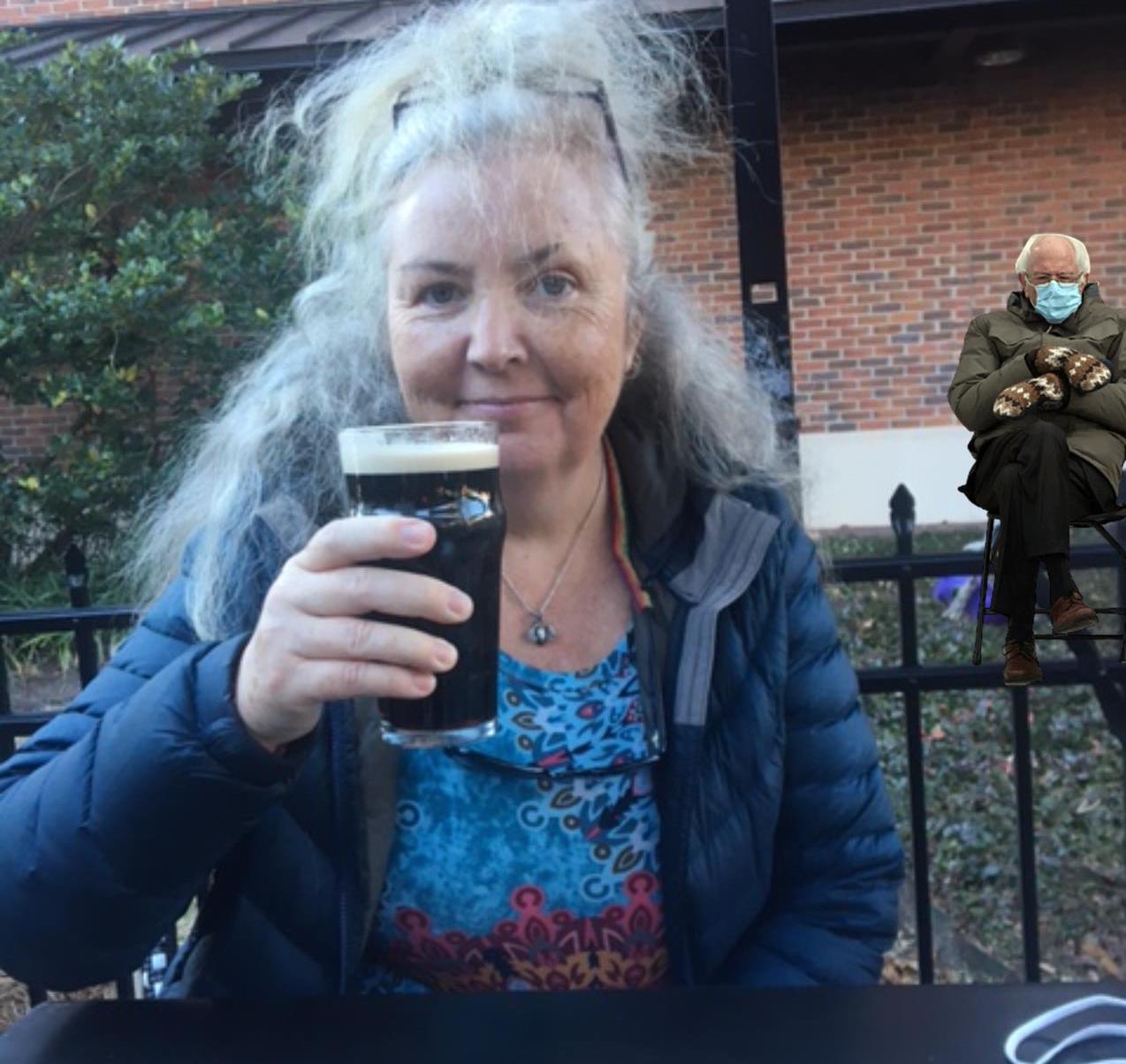
She also had her first Guinness in months (bliss!) and while temperatures were cool, we enjoyed lots of sunshine while walking in the area. This part of Mississippi was hard hit by back-to-back hurricanes a few years ago and recovery in many places is still slow. The campground is filled with snowbirds like us and the park system abuts a neighborhood with a pedestrian gate so many locals come through the park to run, fish, cycle, etc.
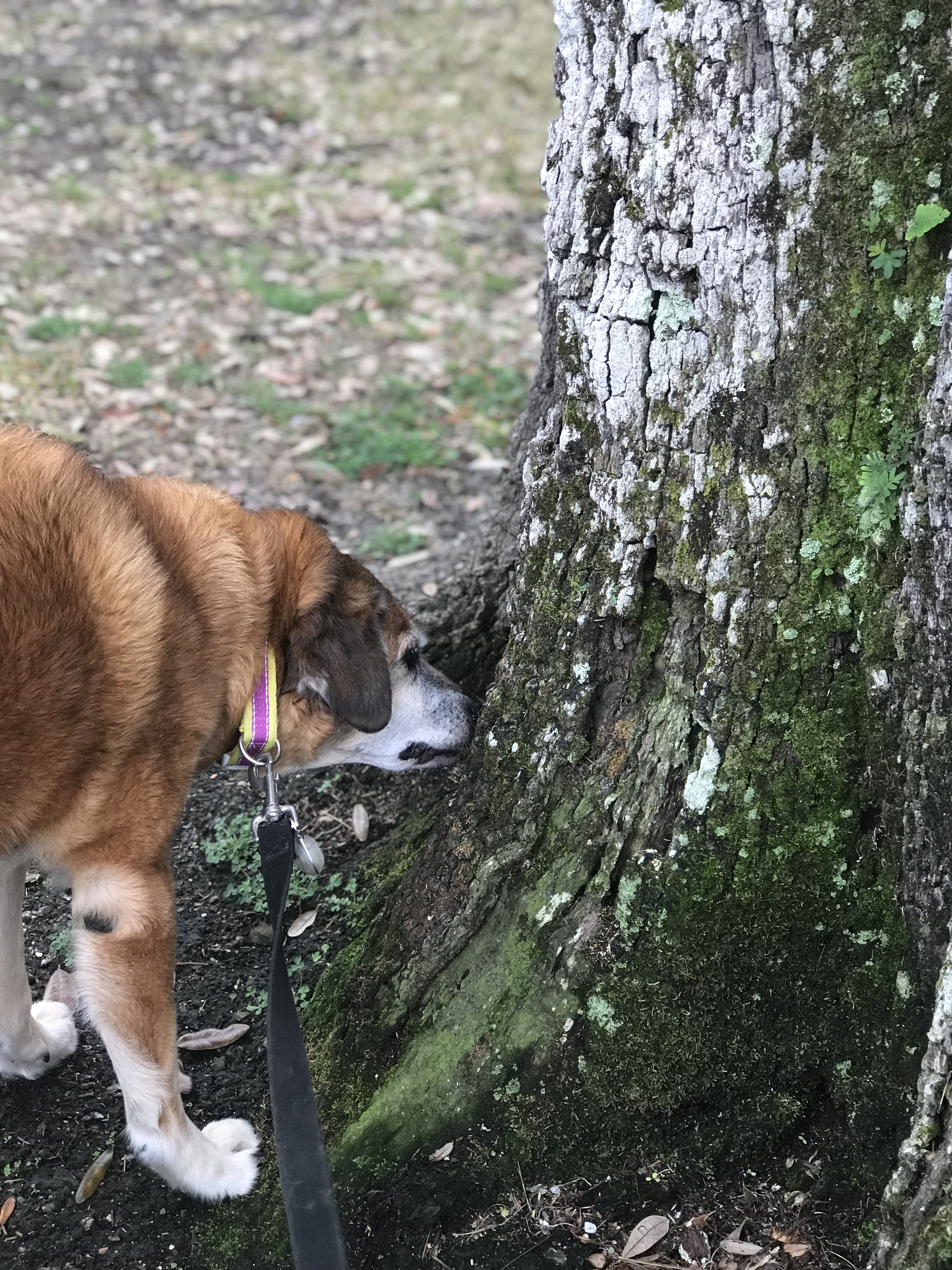
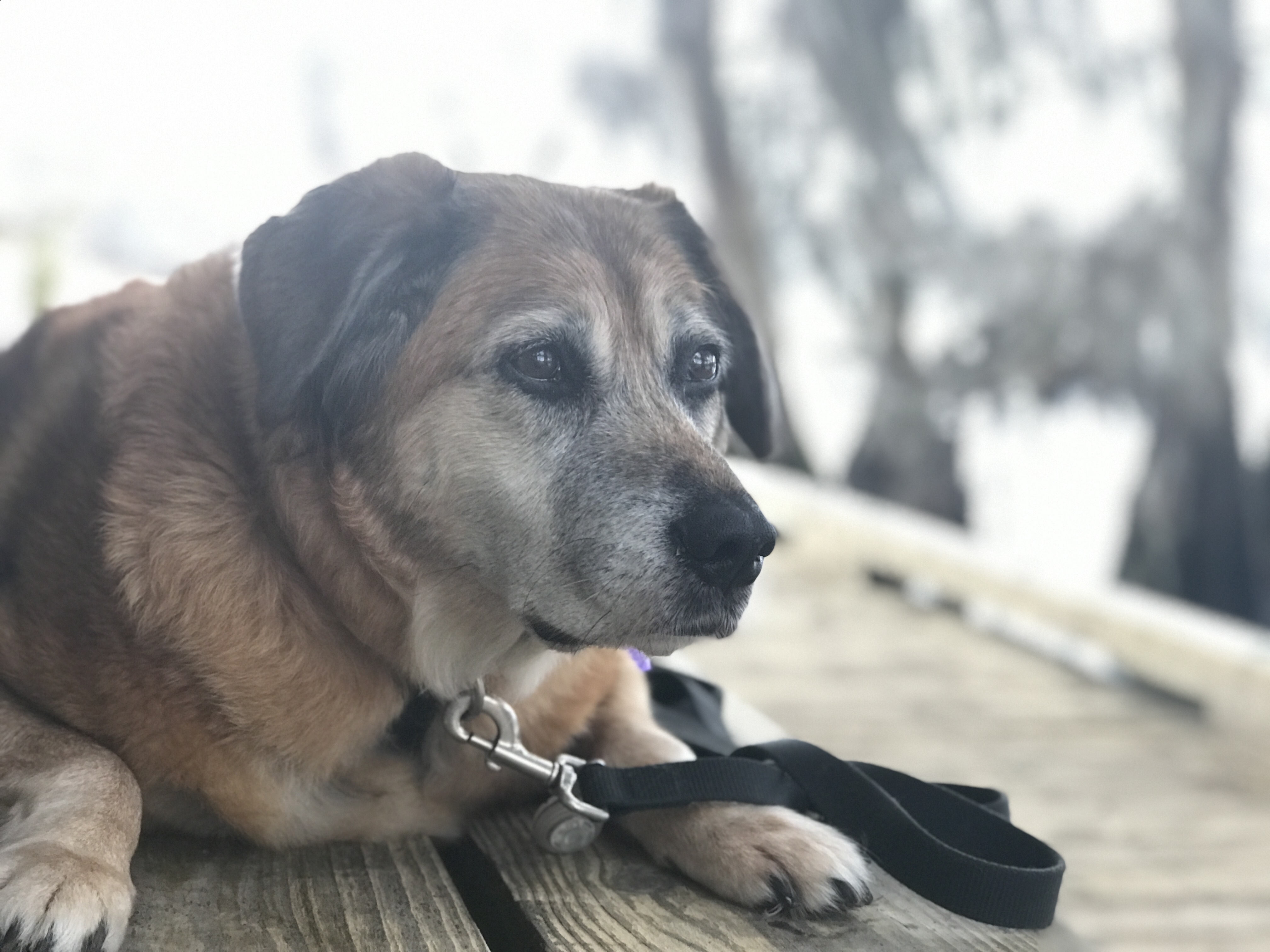
On Wednesday, we were glued to PBS watching the inauguration proceedings in D.C., much like the rest of the country. Molly had a bath at Tractor Supply and received her regular monthly cytopoint injection at Bienville Animal Medical Center.















































 Where in the world are the Gills?