central europe, european history

Best and Worst of Vienna

EDITED: You can read lots of travel stories about the famed “grantig” or “raunzen” of the Viennese people. Some writers encourage us to write off Viennese rudeness as “Kulturgut.” Others say it is hopelessly ingrained in the descendants of a former aristocratic capital. We recognize how fortunate we are to travel to foreign cities around the world and interacting with grumpy servers and subway workers is definitely a first-world problem!

Sarah in particular wrestles with high emotional sensitivity and doesn’t easily let rude behavior roll off her back. Intellectually, we know that a person’s bad behavior is a reflection of their worldview and we try not to take anything personally. That said, we liked our collective experiences in Prague way better than Vienna!

We read about the sullen service in some Viennese establishments. Sarah was not prepared for the downright rude behavior. A sidewalk cafe waiter was so busy chatting with his non-customer cigarette-puffing friend that her order was sidelined. At a different cafe, the server brought us food we did not order; when we challenged him, he pretended to be “forgetful” and re-plated the food. But then up-charged us for the stuff we didn’t order. A subway ticket-taker berated us “Americans who do not know lots of things” for not reading the fine print on our ticket, when our simple apology and his ticket validation would have sufficed. Our Air BnB host messed up our e-keys TWICE locking us out of our rental apartment and never apologized.

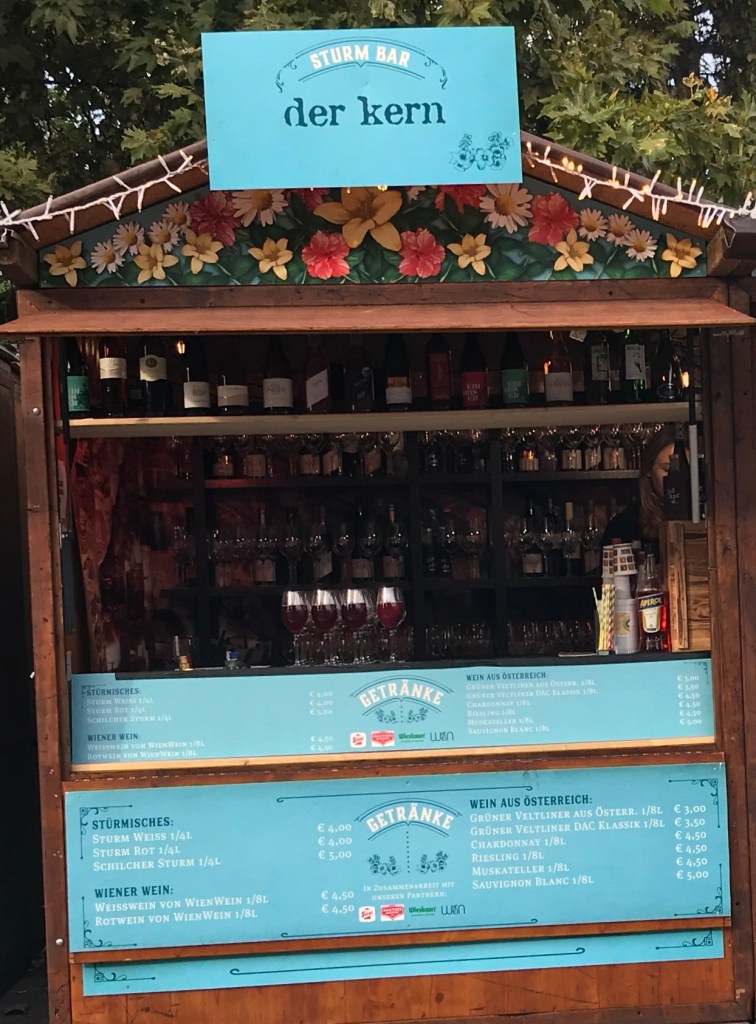
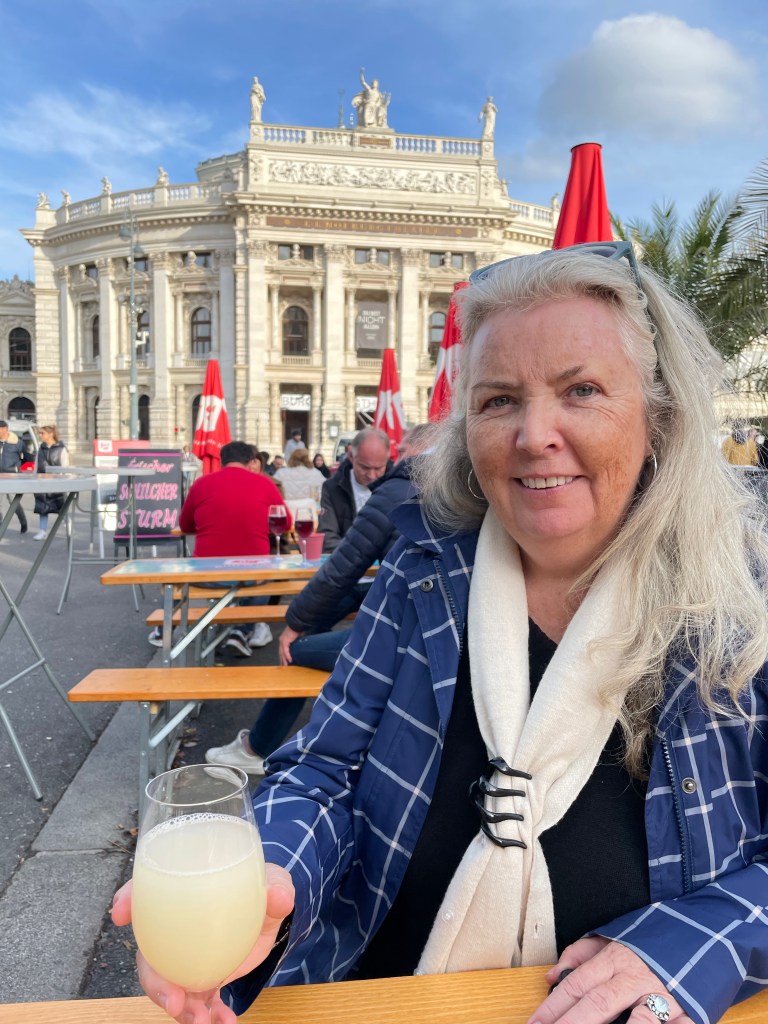
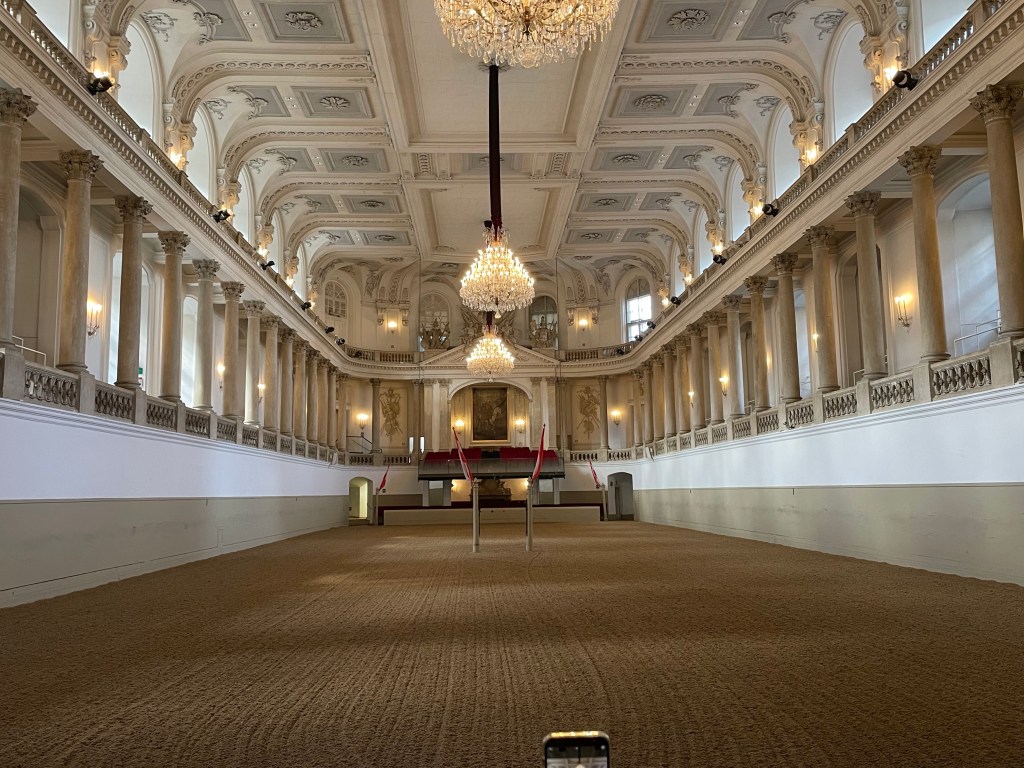
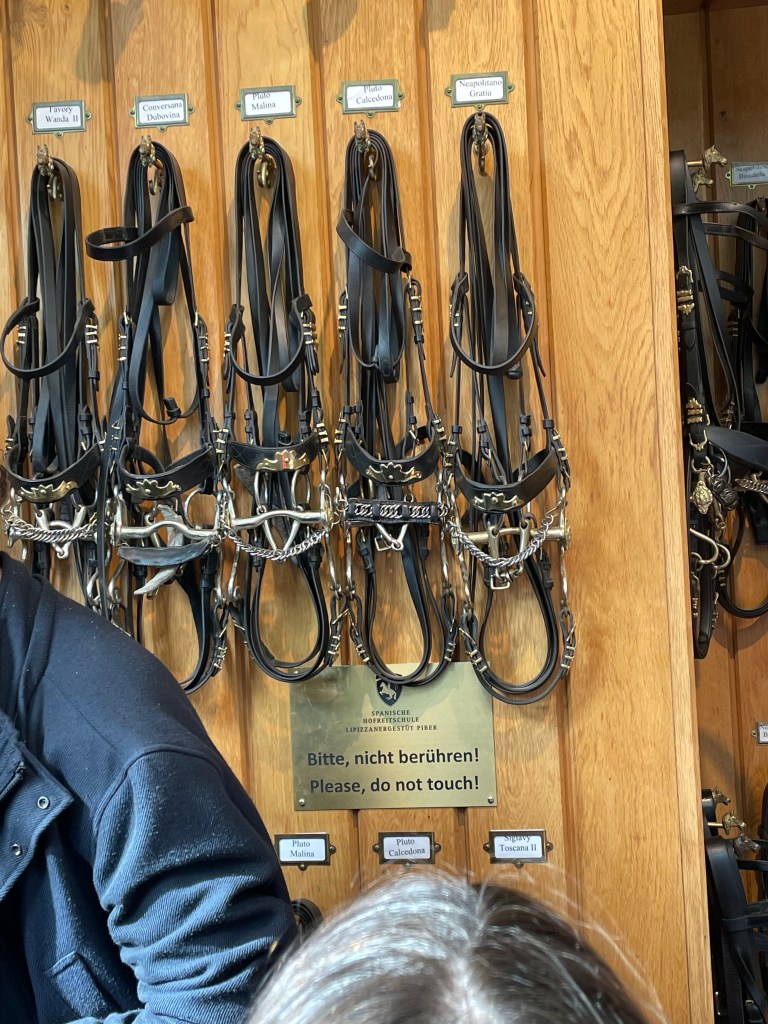
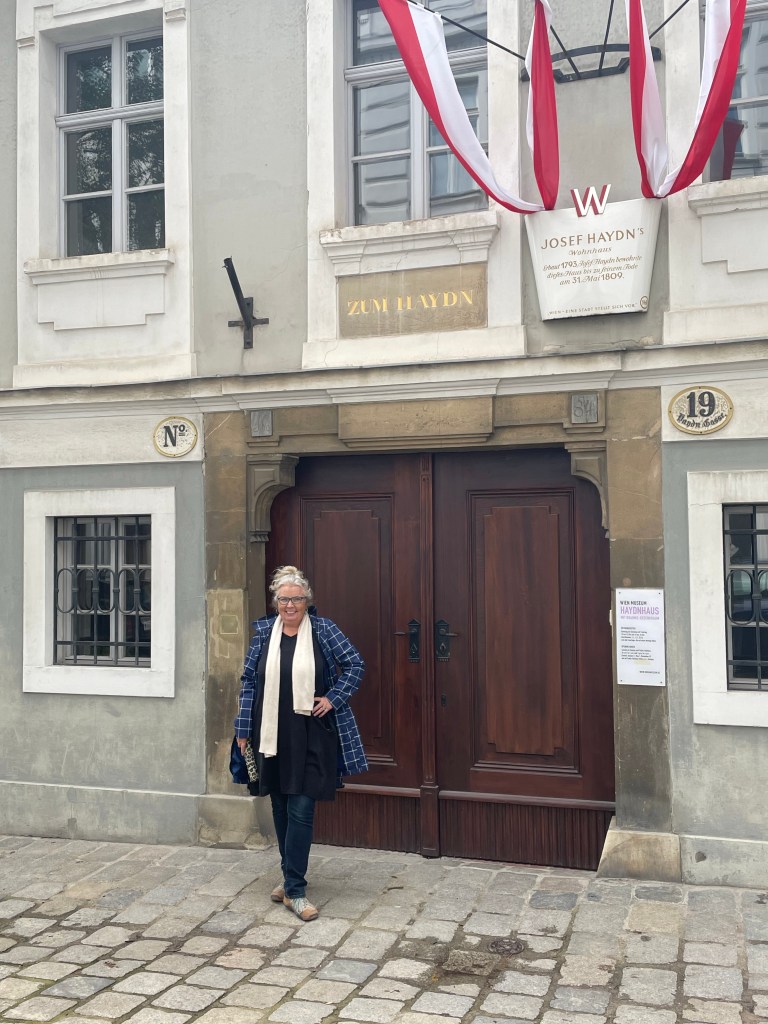
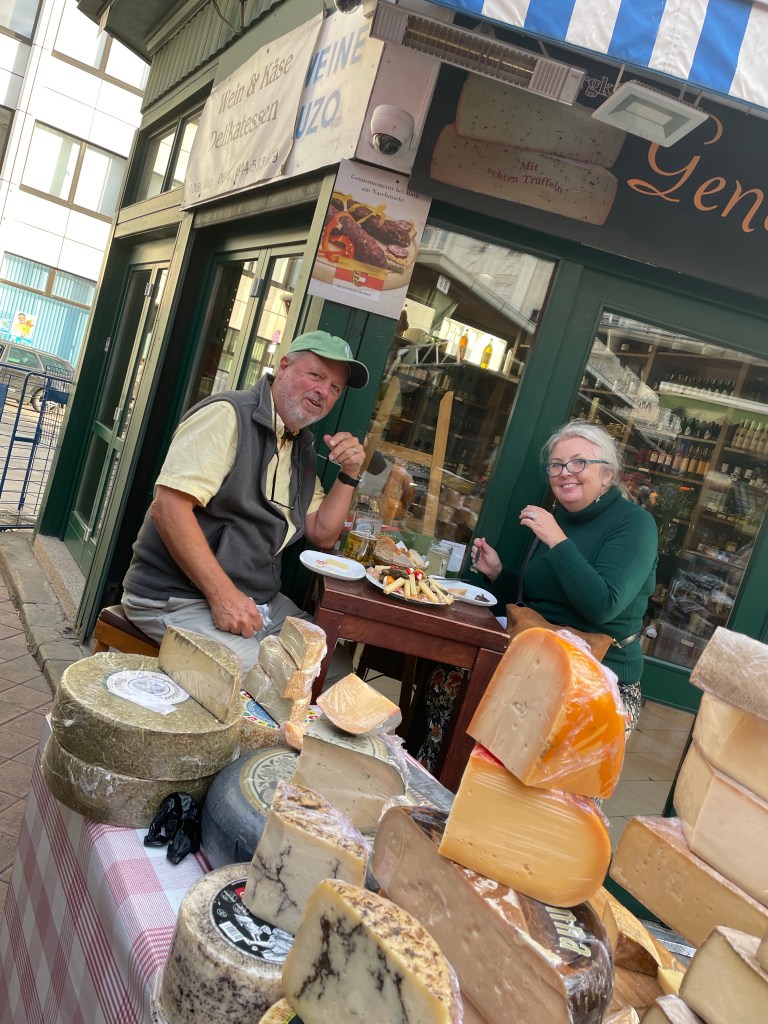
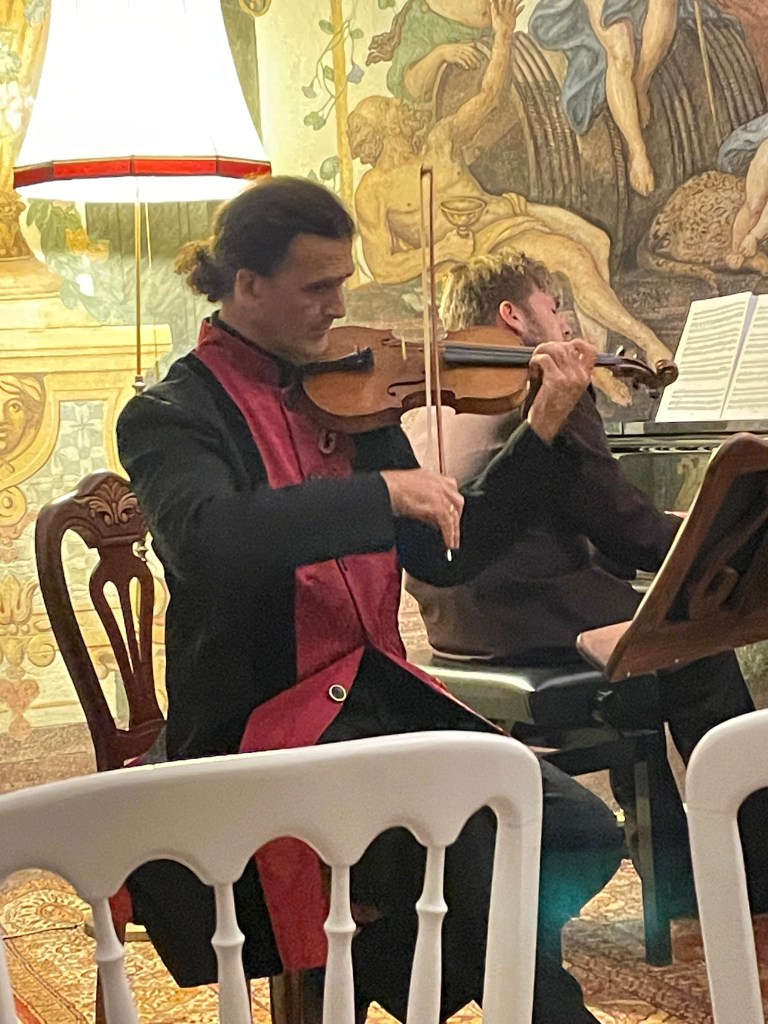
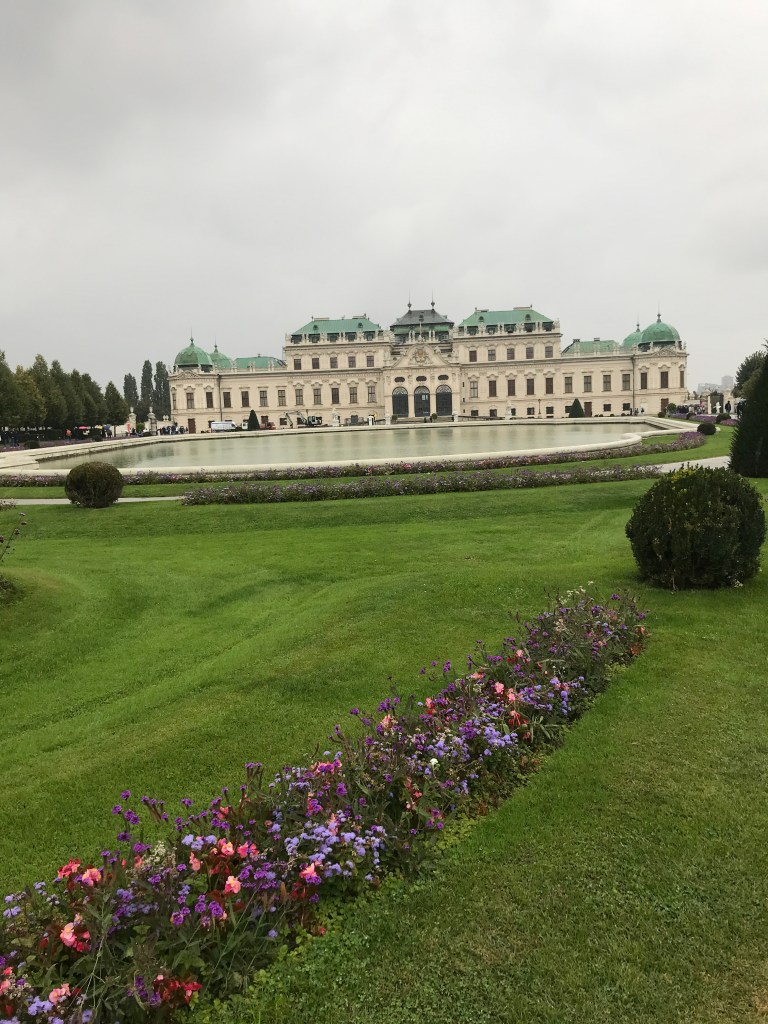
On the flip side, we were enchanted with the music programme at MozartHaus and were especially impressed with the skill of the young pianist. The cafe at the Belvedere Palace served delicious food with seemingly happy career waiters. The food and service at Kellergwolb was outstanding. Our tour guide at the Spanish Riding School was knowledgeable and patient with our questions. Dinner at the Melkerstiftskeller, on the advice of our friend Angela Malik-Stenson, was delightful. And “Sturm” is a new harvest favorite of Sarah – basically young wine (low APV) that is still fermenting, slightly bubbly, a bit cloudy, and only available for a few weeks in the fall.
Categories: botanical gardens, central europe, central europe, european history, Danube, responsible tourism, Vienna | Tags: , , , , , , , , , , , | 1 Comment

Schmetterlinghaus

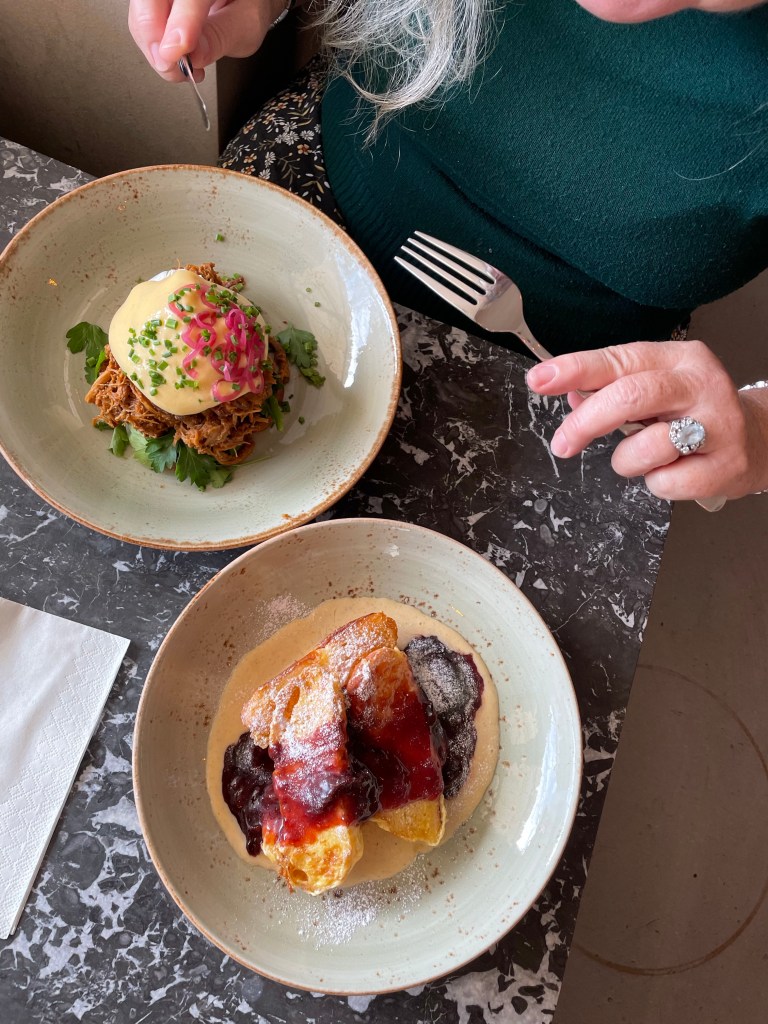
When you are retired, on Wednesdays in September you can treat yourself to extravagant breakfasts in Vienna, Austria. This café was popular with folks of all ages: university students were sharing brunch and studying; business people were meeting for coffee and important conversations; and wandering tourists like us were there to enjoy the food and the neighborhood.

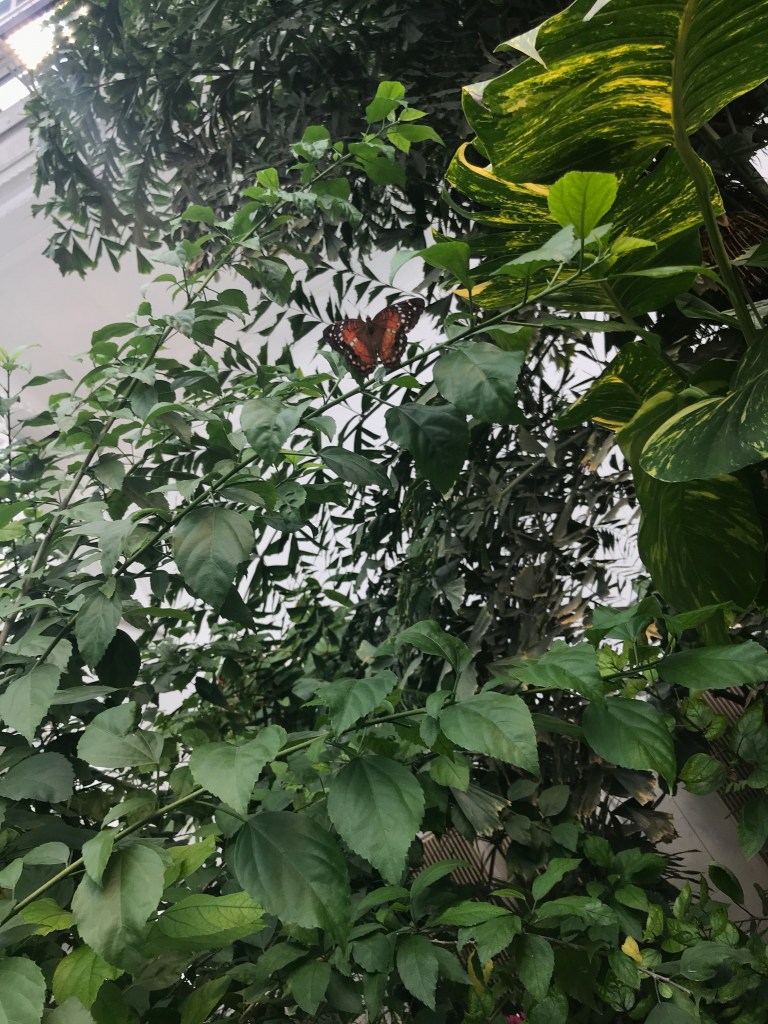
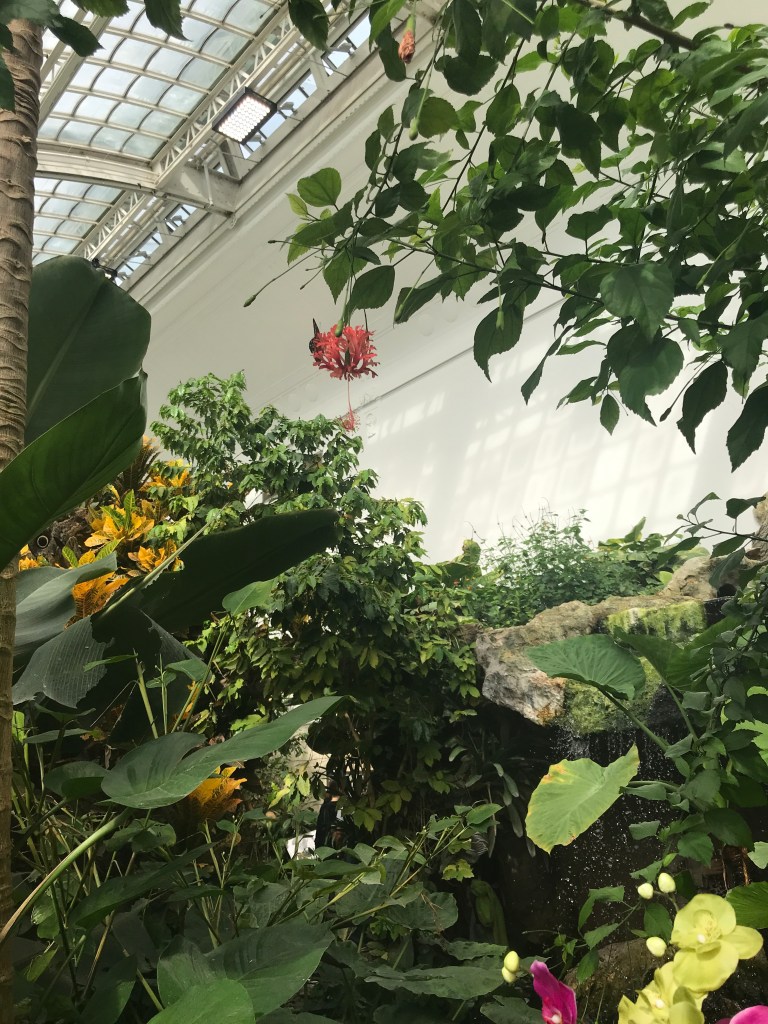
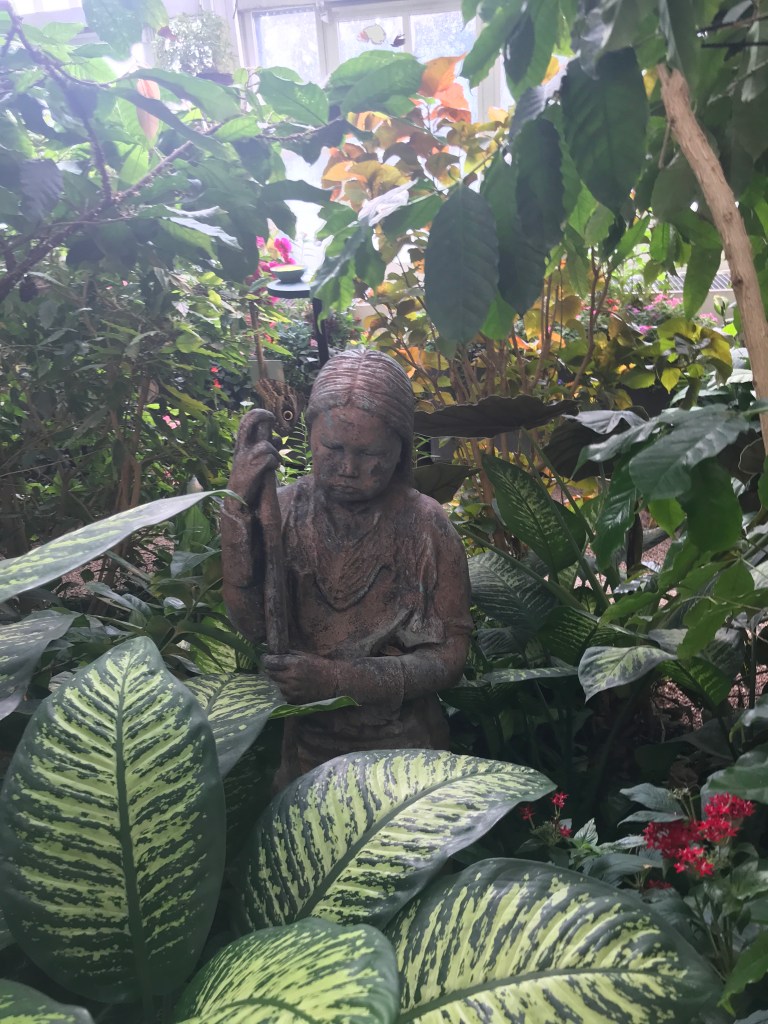
After savoring our delicious meal, Joe surprised Sarah with a tour of Schmetterlinghaus (Butterfly House), established in 1990 as a cooperative project between private and public institutions. There are 40 different species of tropical butterflies from sustainable butterfly farms in Costa Rica, Belize, Surinam, Thailand and the Philippines. The farms send pupae to Schmetterlinghaus where they hatch and fly free around visitors. None of the butterflies at Schmetterlinghaus are endangered species.

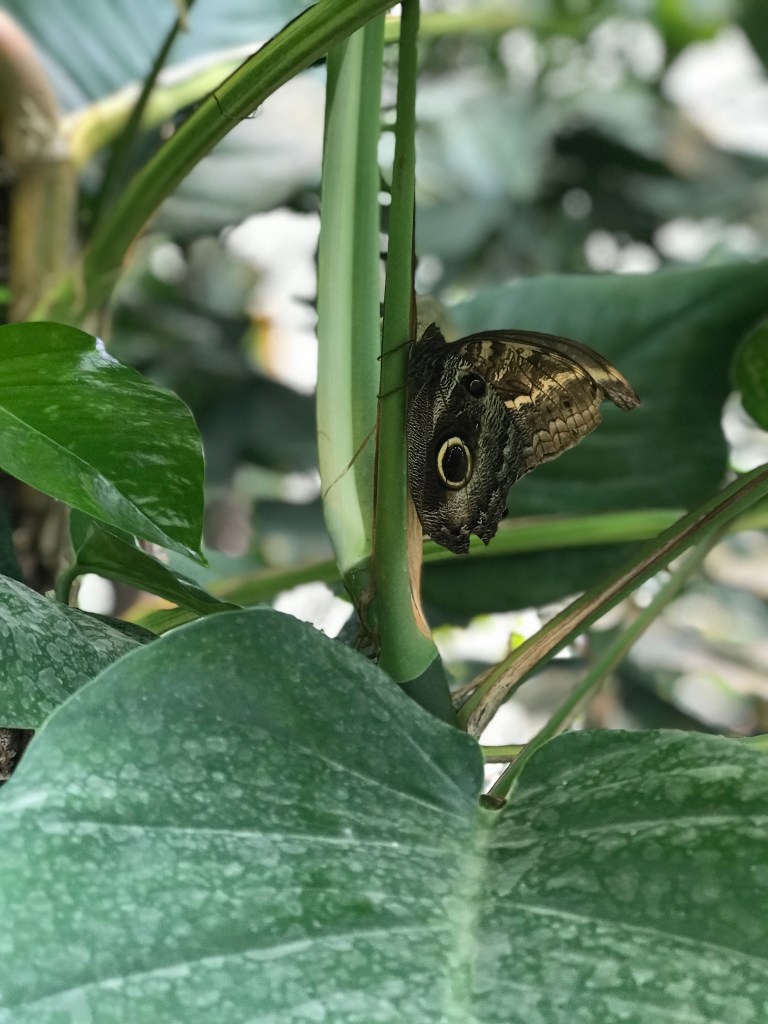
Caligo memnon (owl butterfly)
Morpho peleides (common Morpho)
Danaus plexippus (Monarch)

Only a few of the species breed in the conservatory, as caterpillars eat species-specific plants and the building is not large enough to accommodate all of the plants that would be needed to feed hundreds of different caterpillars. We learned the Owl butterfly generally lays her eggs on banana leaves and the Heliconius species on passion flower leaves. Our familiar Monarch caterpillar we know eats only milkweed and is one of the few species that reproduces in the conservatory. All the plants in the Butterfly House are free of pesticides and are propagated by the Österreichischen Bundesgärten (Federal Gardens of Austria).

Shortly after entering the palatial greenhouse, a tattered Owl butterfly attached itself to Joe. Visitors are encouraged to move slowly and many people are anxious to get the Insta-perfect selfie with a butterfly perched on their outstretched hand. Joe exudes calm and peace and this older butterfly knew it was safe to hang out on Joe for the afternoon. After many minutes, Joe slowly started to walk up the path to the top of the waterfall and his buddy stayed attached to him. Joe gave up trying to dislodge his new friend and continued to explore the rest of the Butterfly House.

Morphos look like Disney animations – their iridescence is incredible!

When it was finally time to leave, Joe gently moved “his” butterfly to a nectar stand where it hopefully felt safe as it was likely near the end of its short life (average 130 days).

We later learned that the male owl butterfly is known to spend its days drinking fermented juices of rotting fruits in the insect equivalent of dive bars and takes to the skies at dusk drunkenly seeking aerial combat with other males. That explains the tattered wings!

Butterfly Whisperer
Categories: botanical gardens, central europe, european history, responsible tourism, retirement travel, Vienna | Tags: , , , , , , | Leave a comment

Blog at WordPress.com.