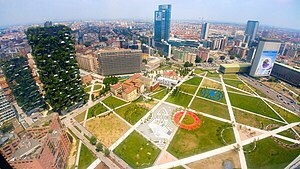
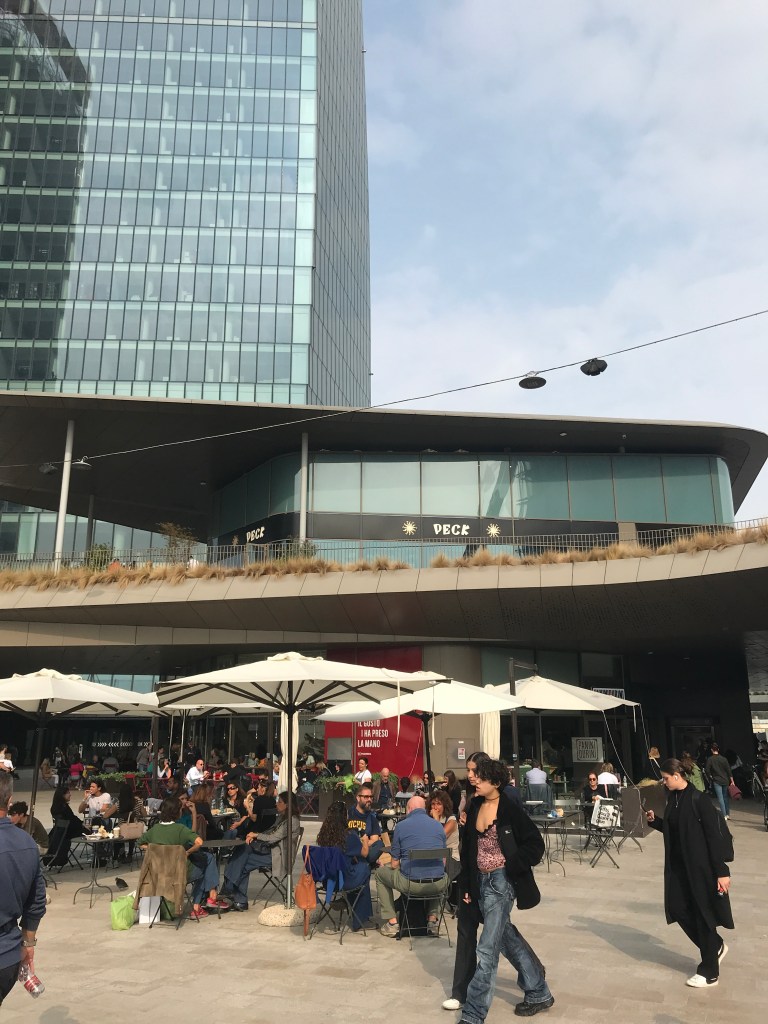
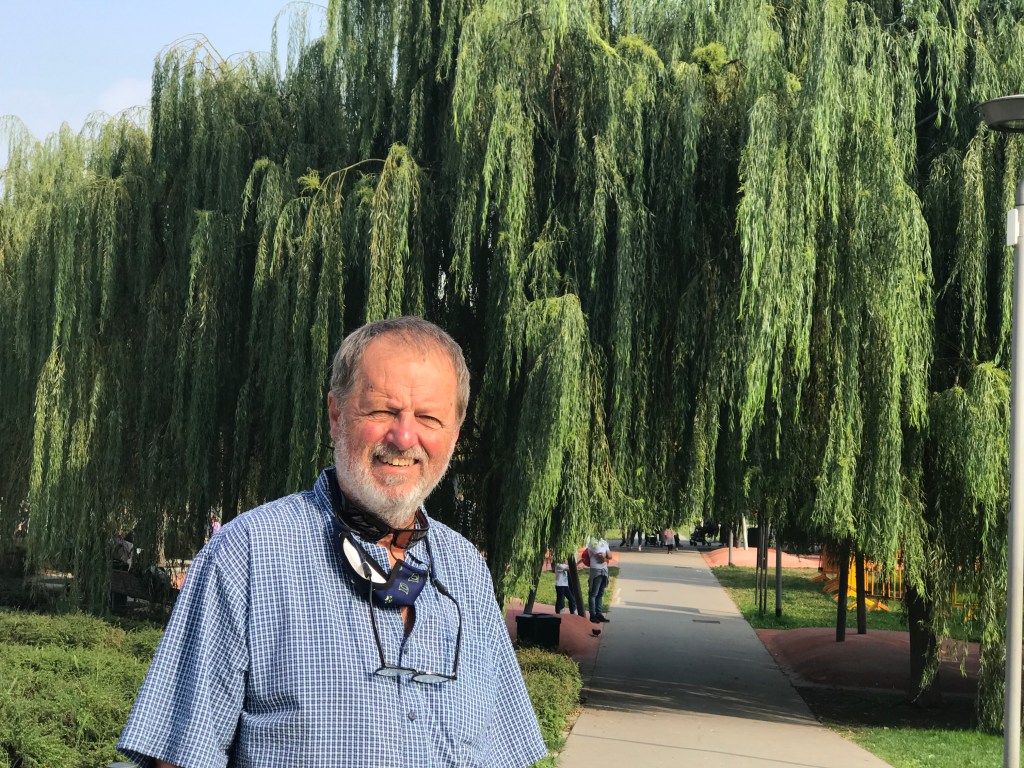
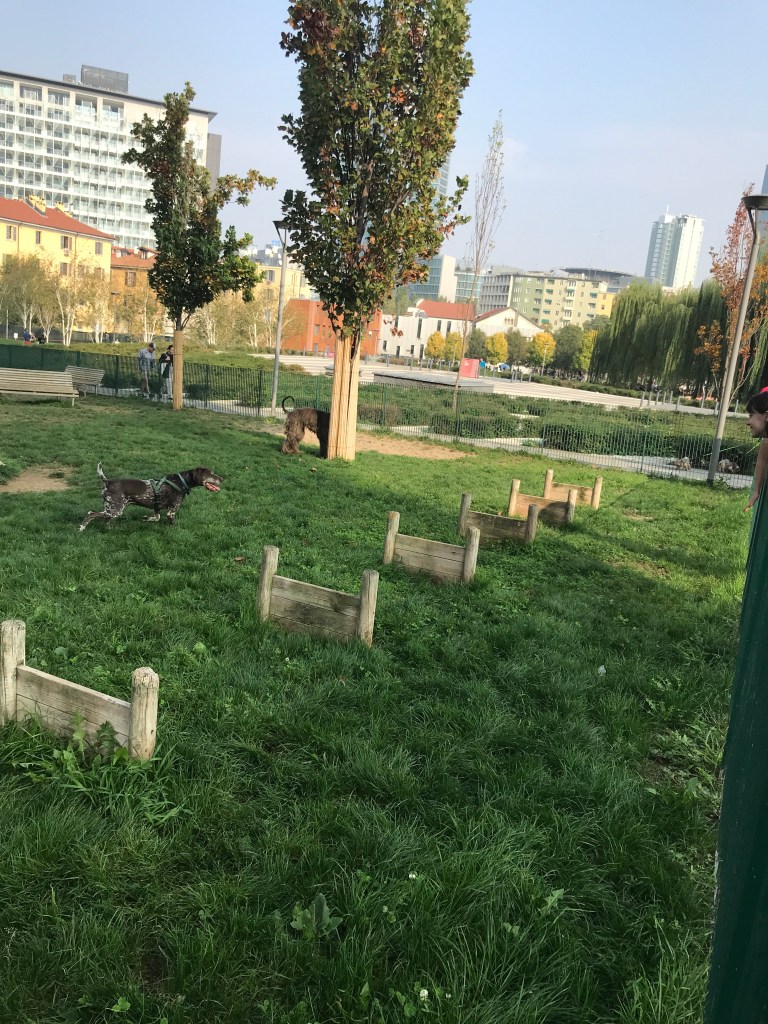
We spent our last Sunday in Milano exploring the Porta Nuova district – an astonishing urban renewal project that turned industrial wastelands into upscale architectural marvels and large parks, including the Library of Trees.
“Biblioteca degli Alberi” is a ten-hectare urban park with 135,000 plants and 500 trees forming 22 different circular “forest- rooms.”
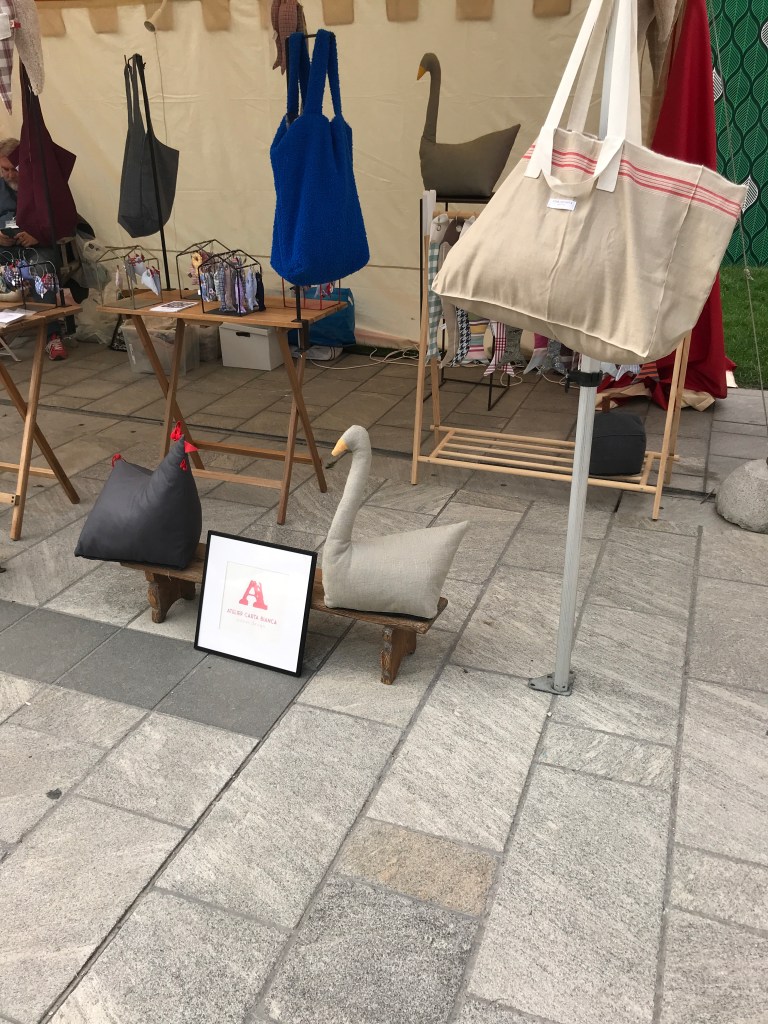
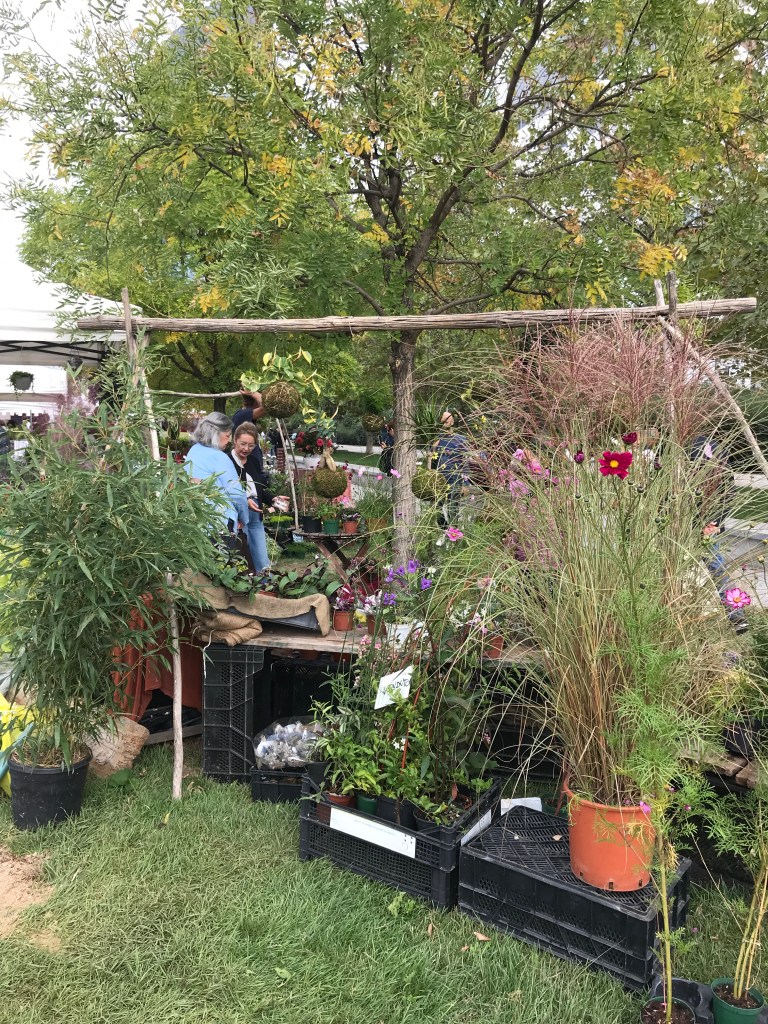
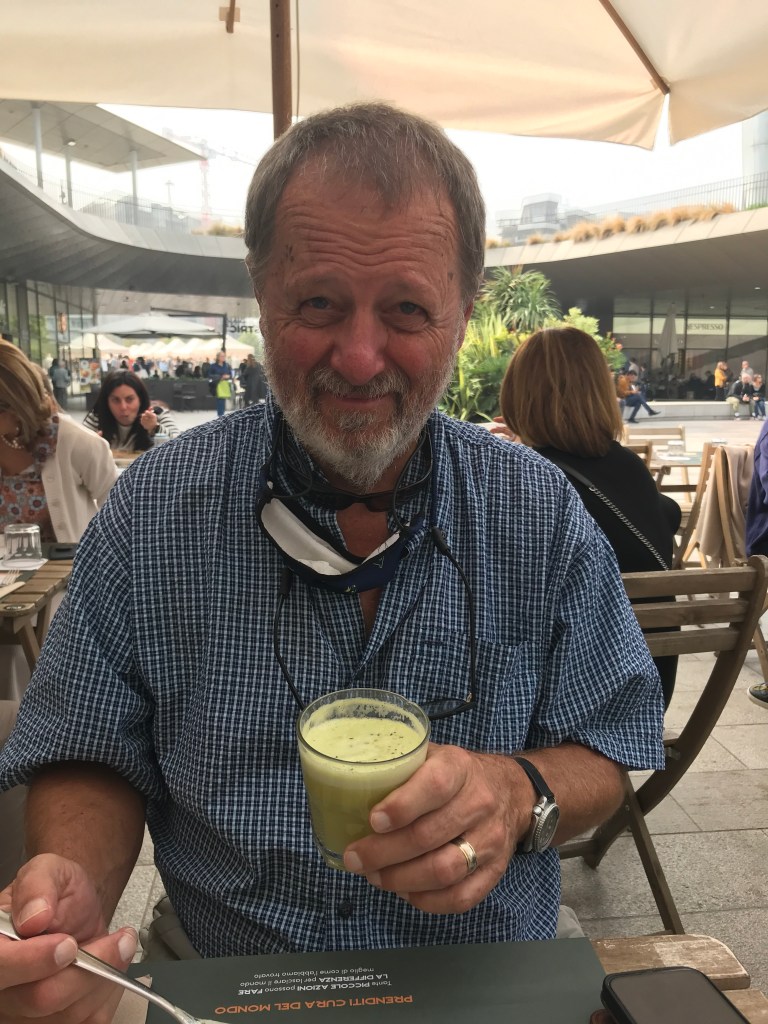
A Sunday market was filled with mostly locals and the vendors offered a variety of beautiful crafts, fresh foods, and patio plants. Joe especially enjoyed his vegan (!) green smoothie for lunch.
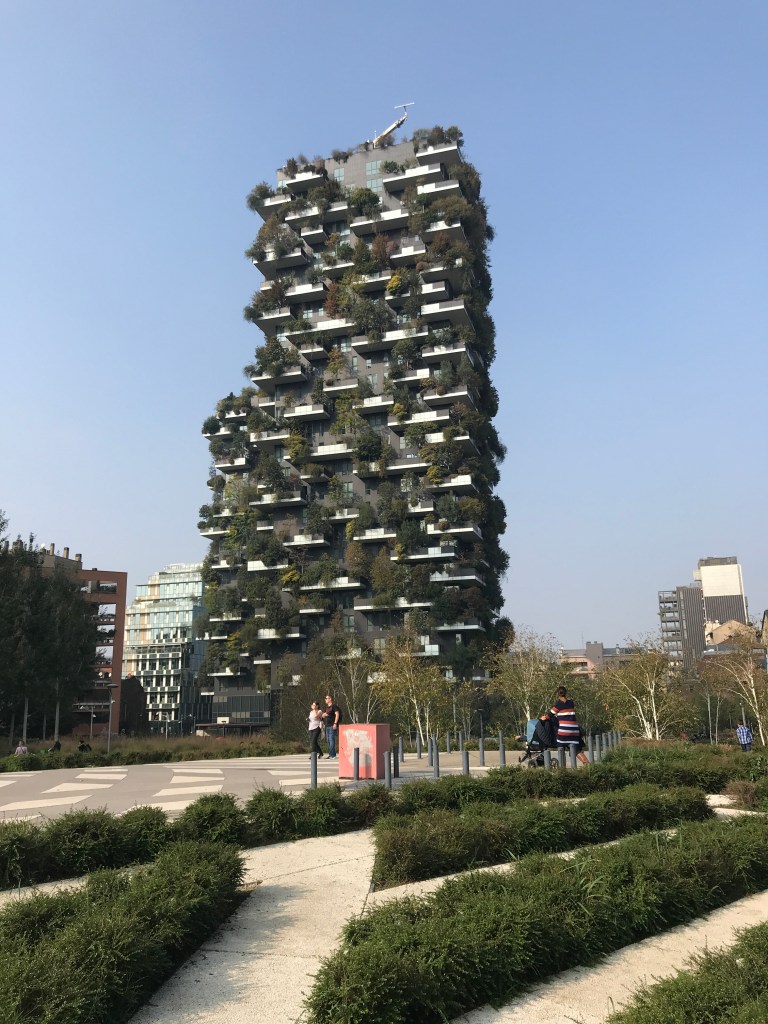
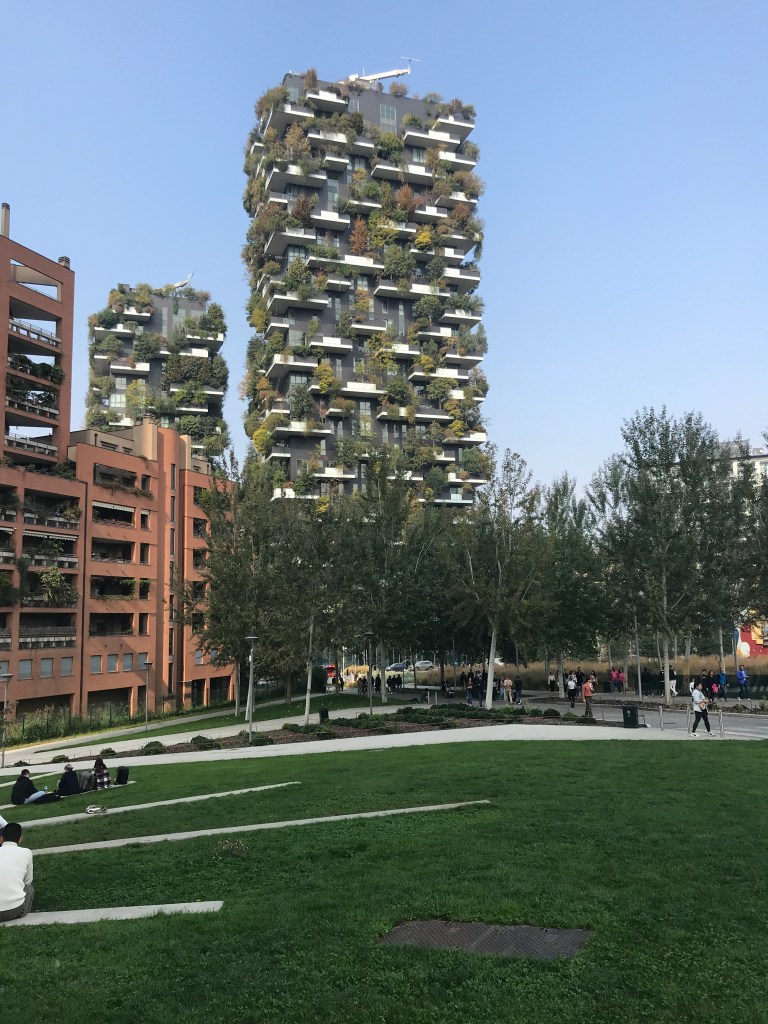
We were impressed by the modern architecture and green construction efforts. Two residential towers are built as vertical forests – amazing to see! Other buildings and the green spaces that connect them were equally interesting and were being well-utilized by locals and visitors. It was a real boost to our nervous systems to re-connect with plants and trees after days of urban living with its cacophonous soundscape of motorized vehicles and concrete dreariness.
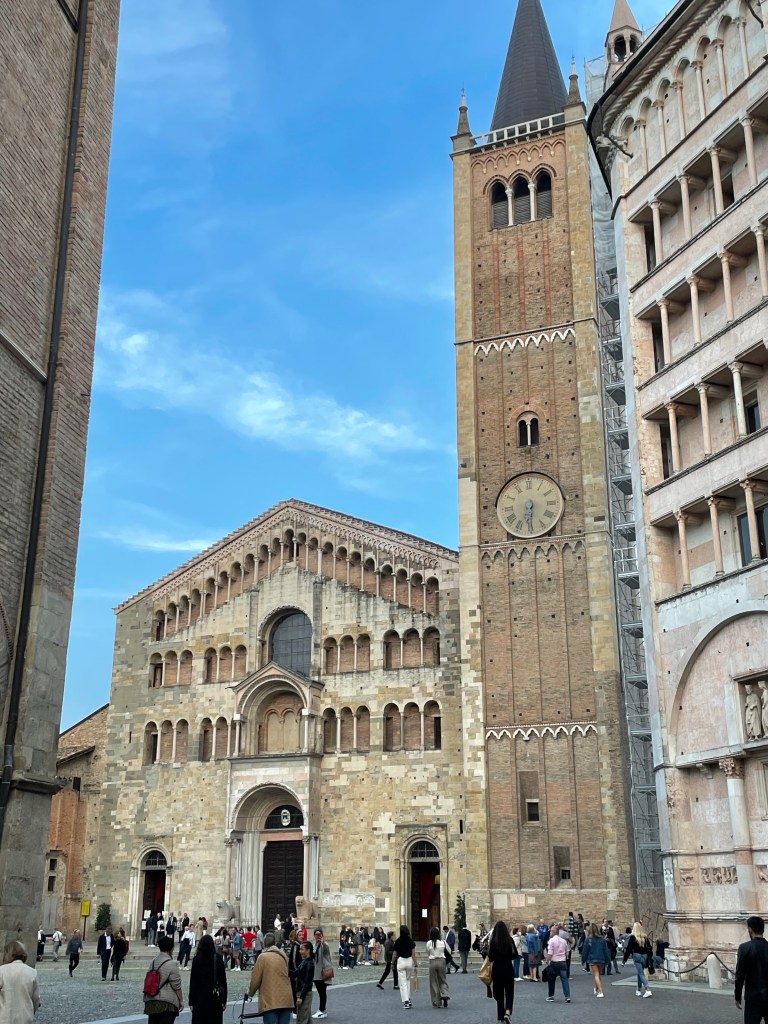
We spent five lovely nights in Parma, in a studio apartment on the fourth floor of a building with a bakery on the ground level. Our noses woke us up briefly most mornings around 3:15 a.m. as the ovens cranked up and the most delicious smells of bread and cinnamon wafted up to our abode. Four or five hours later, Joe would venture downstairs to choose something yummy for our breakfast!
The very old building has a very narrow stairwell. A rope and pulley system is used to bring parcels, luggage, and other bulky stuff up and down. Here you can see Sarah hoisting up Joe’s suitcase.
On our first night, we were delighted to stumble across a free outdoor concert in Piazzale della Pace (Peace Square) near the Verdi Monument. Parma hosts a month-long festival each year dedicated to the 19th century composer and dozens of free events are co-currently running during the festival under the flag “Verdi Off.” We danced to this jazz-rock-opera ensemble as they interpreted operas, arias, movie themes, rhumbas, blues, and tangos. La Toscanini Next is comprised of nine musicians and they not only played together well, but they all looked like they were having fun, too!
Astor Piazzolla’s “Libertango”
After the concert, we roamed around, peeking in old buildings, shops, and restaurants. Eventually, we chose an outdoor cafe for a sumptuous dinner, before walking back across the river to our side of town.
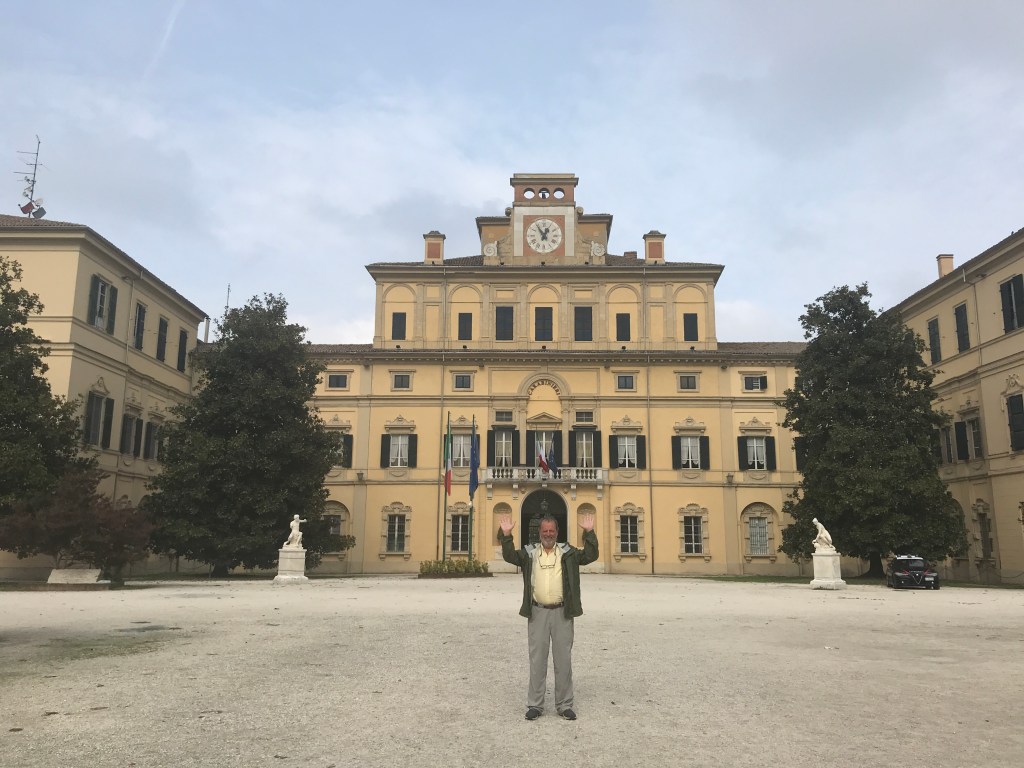
On Sunday, we went to Mass at Chiesa di Santa Croce and then walked through the gardens of Palazzo Ducale. We took a spritz break at the small cafe in the park, before wandering on our way.
View of our apartment from the river path. Our balcony is top row, second from the left (pale blue/green building).
View from our balcony.
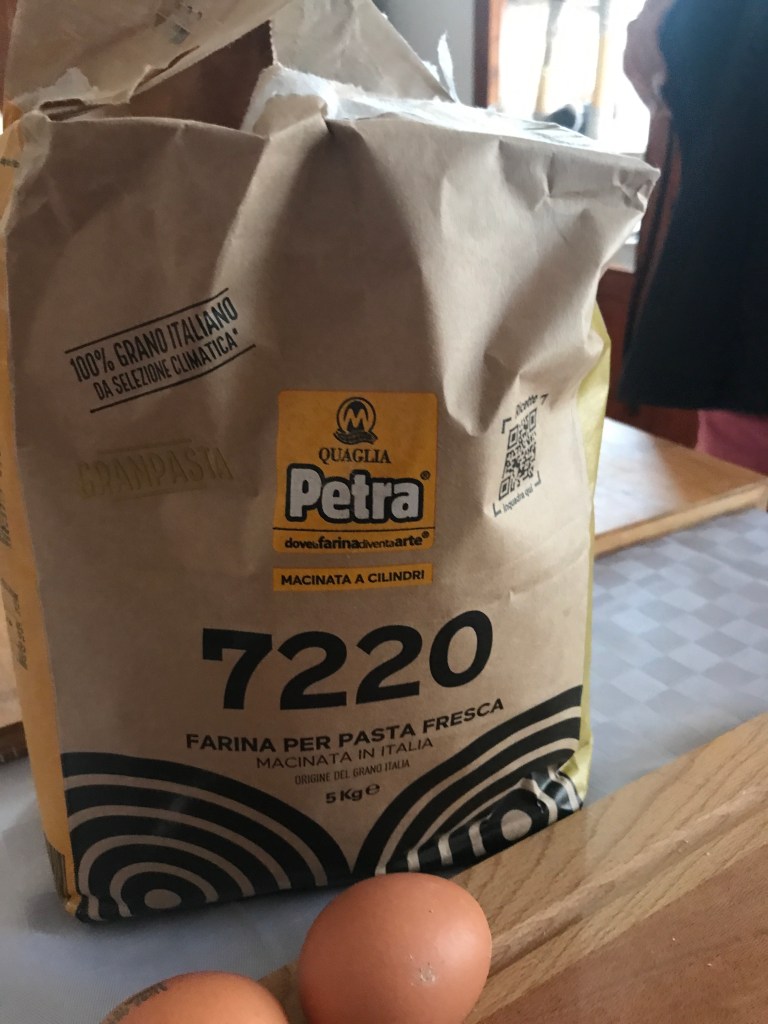
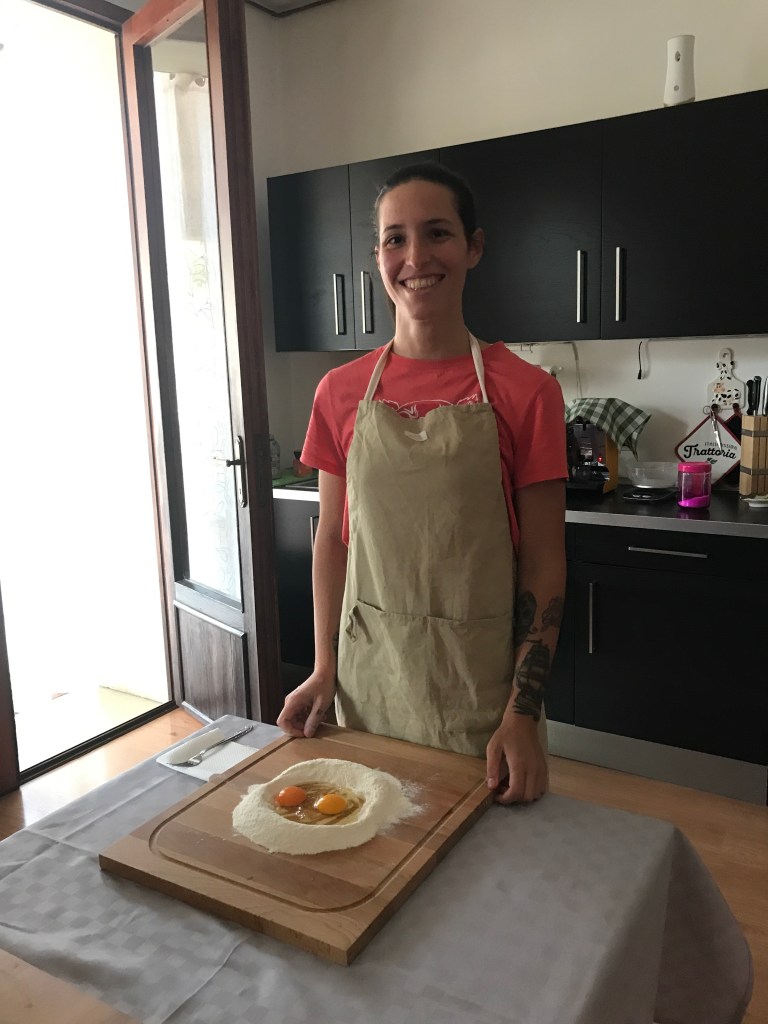
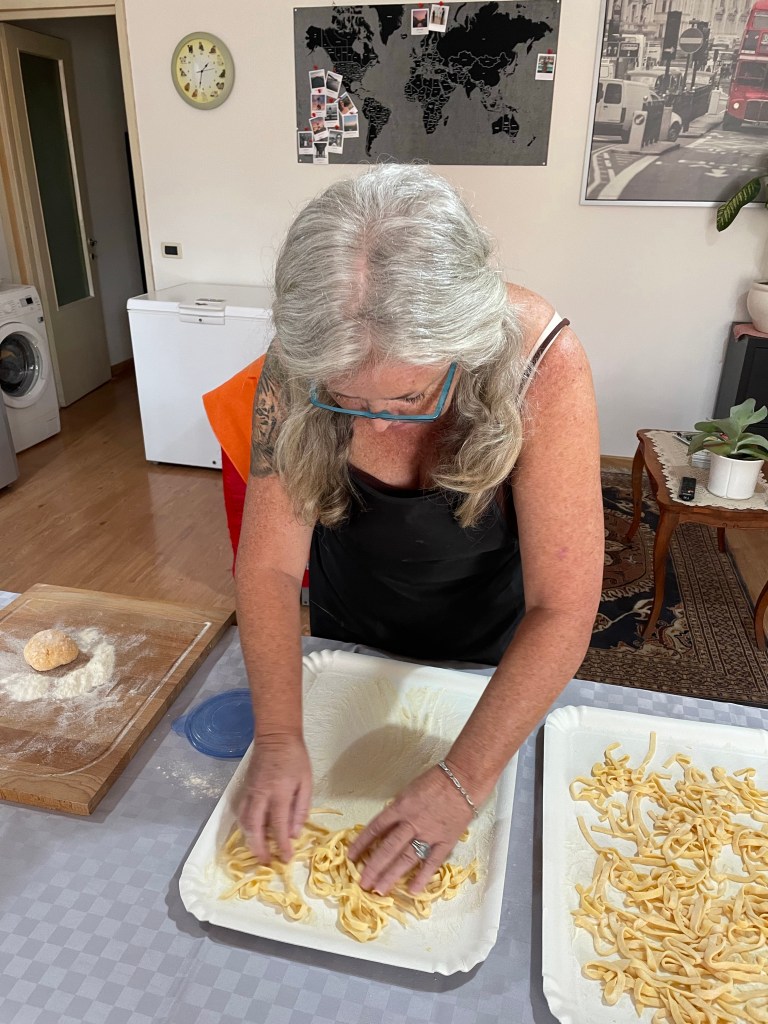
On Monday, we walked the city on a food tour and on Tuesday, we took an excursion with Virginia to her village (population 800) where we learned to make tagliatelle using her granny’s recipe and techniques. We lunched together on their balcony before she drove us back to the city.
Kitchen SupervisorTeacher VirginiaResting with local lambrusco while the pasta rests.Time to turn out the pasta!Separating and flouring the strands.
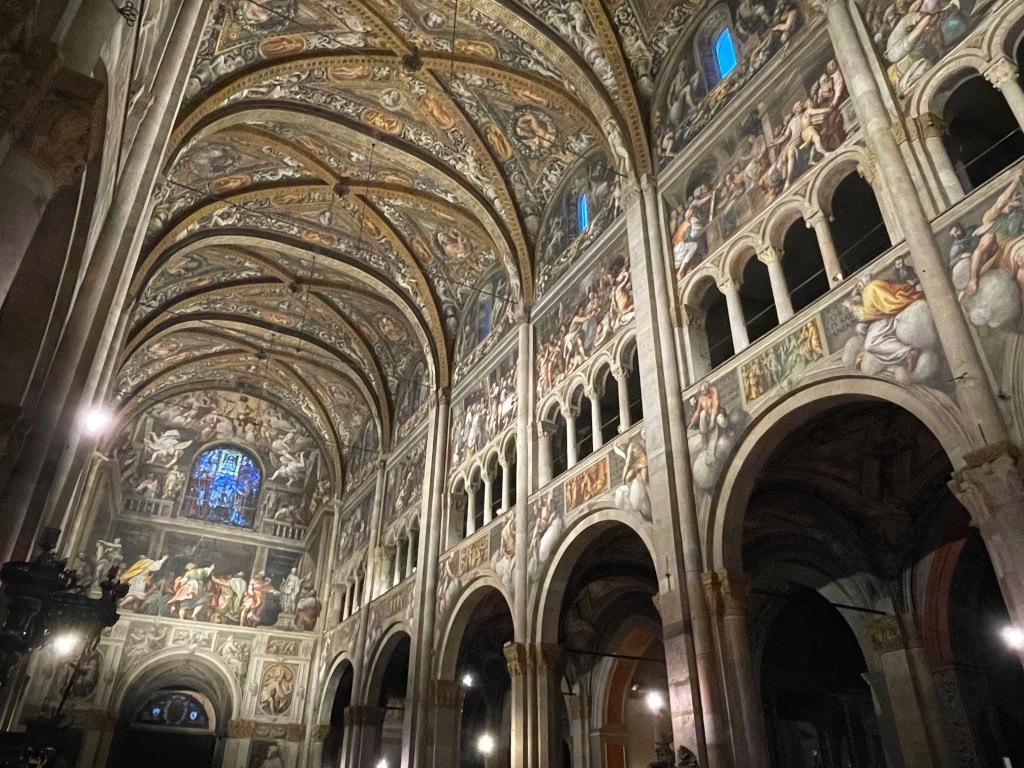
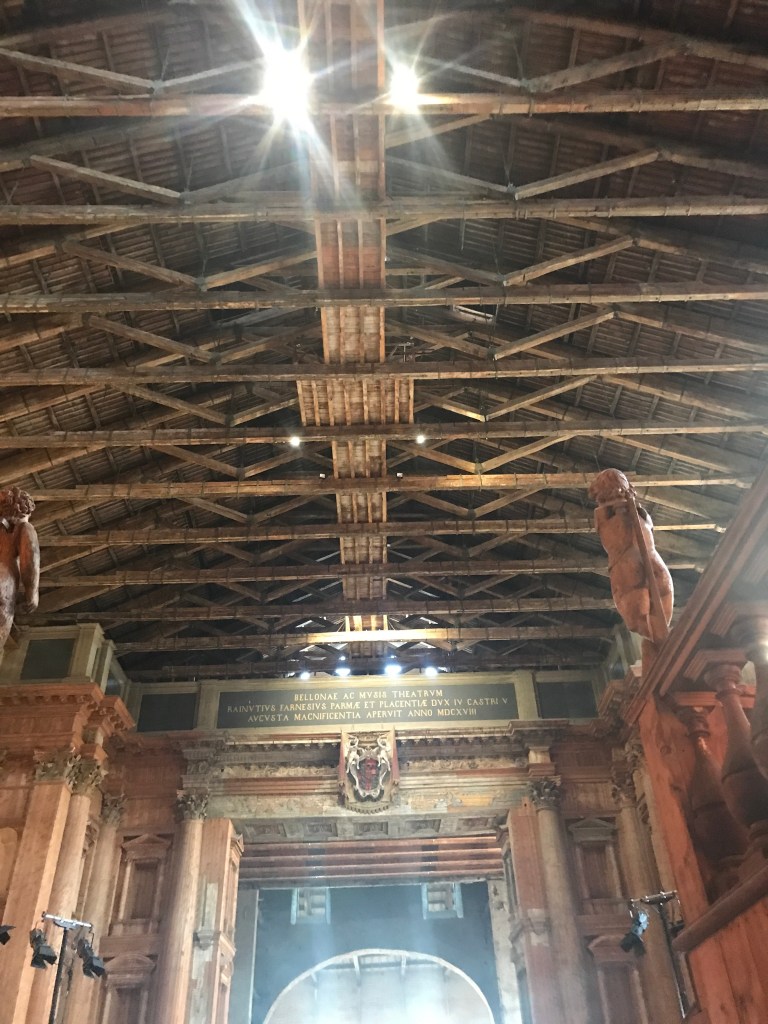
On our last full day in Parma, we visited Teatro Farnese, Galleria nazionale di Parma and Biblioteca Palatina, all located in Palazzo della Pilotta. Unfortunately, the Bodoni exhibition was closed.
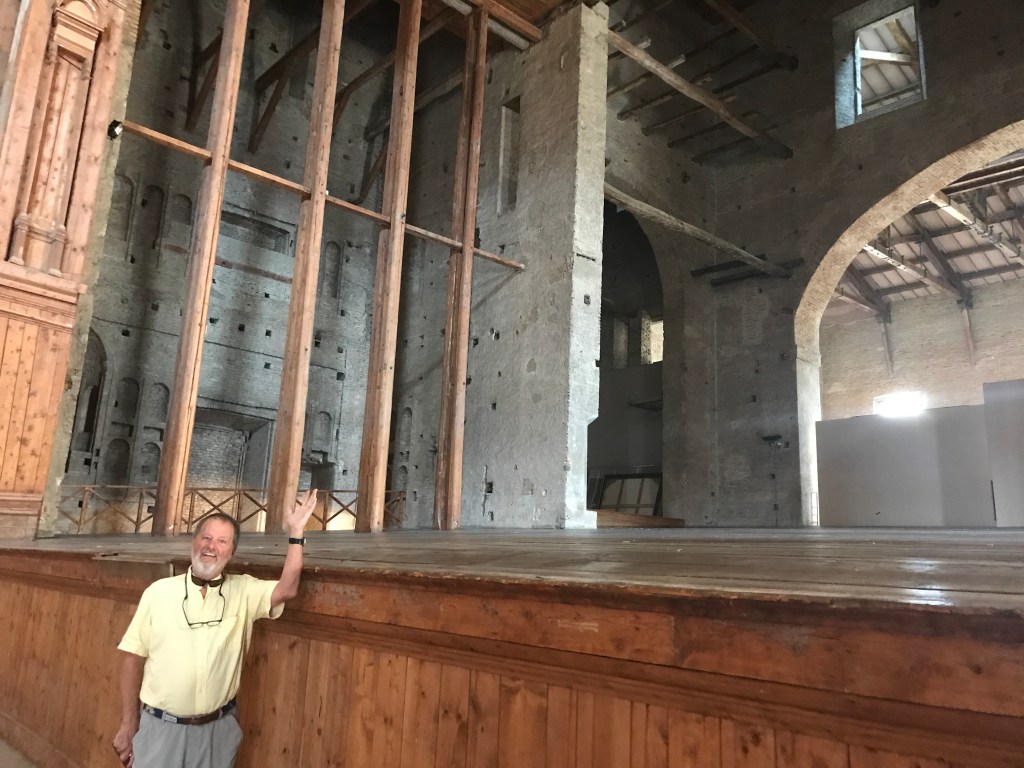
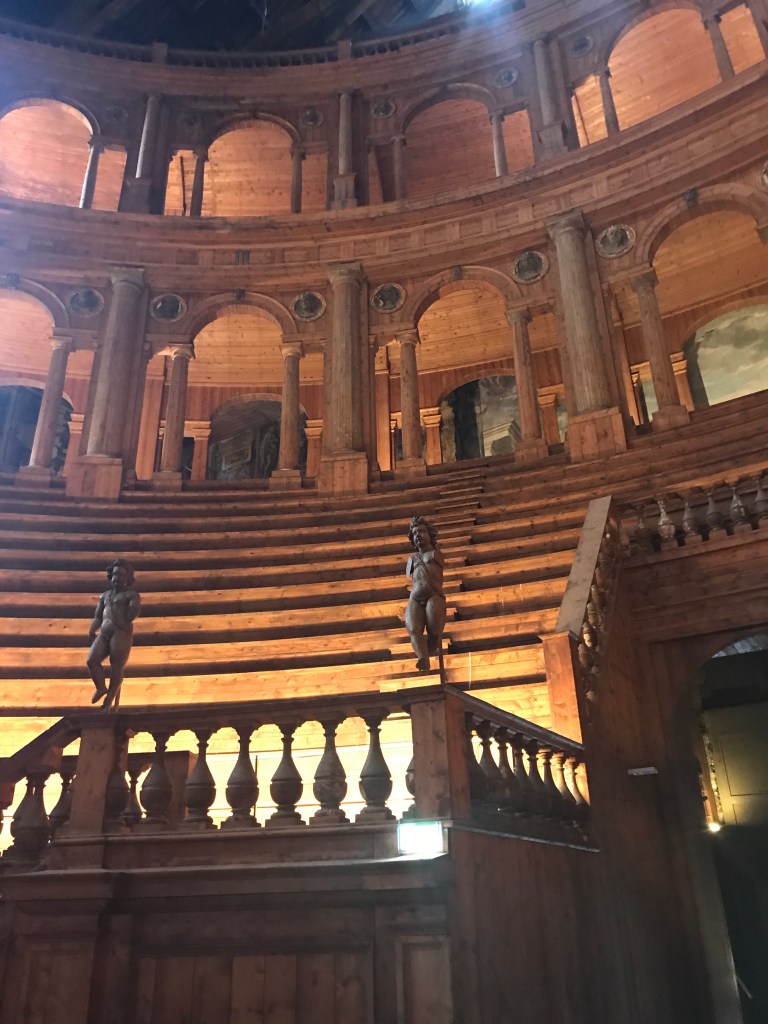
Teatro Farnese is an incredible wooden theatre built originally in the early 17th century. Our guide told us only nine productions took place over the course of its first one hundred years, due to the complexities of 600 stagehands needed for each epic show.
Theatre major Sarah has never seen such a steeply sloped stage in person. OSHA regulations prevent this sharp of an incline on modern stages. Hard to convey in my amateur photo!
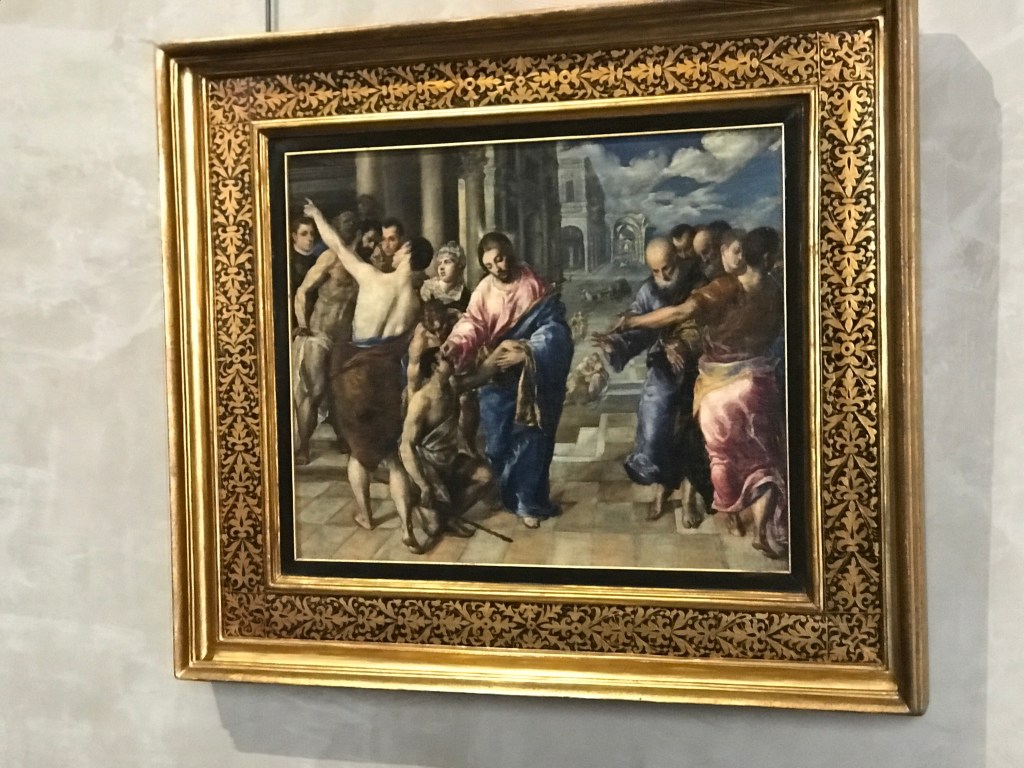
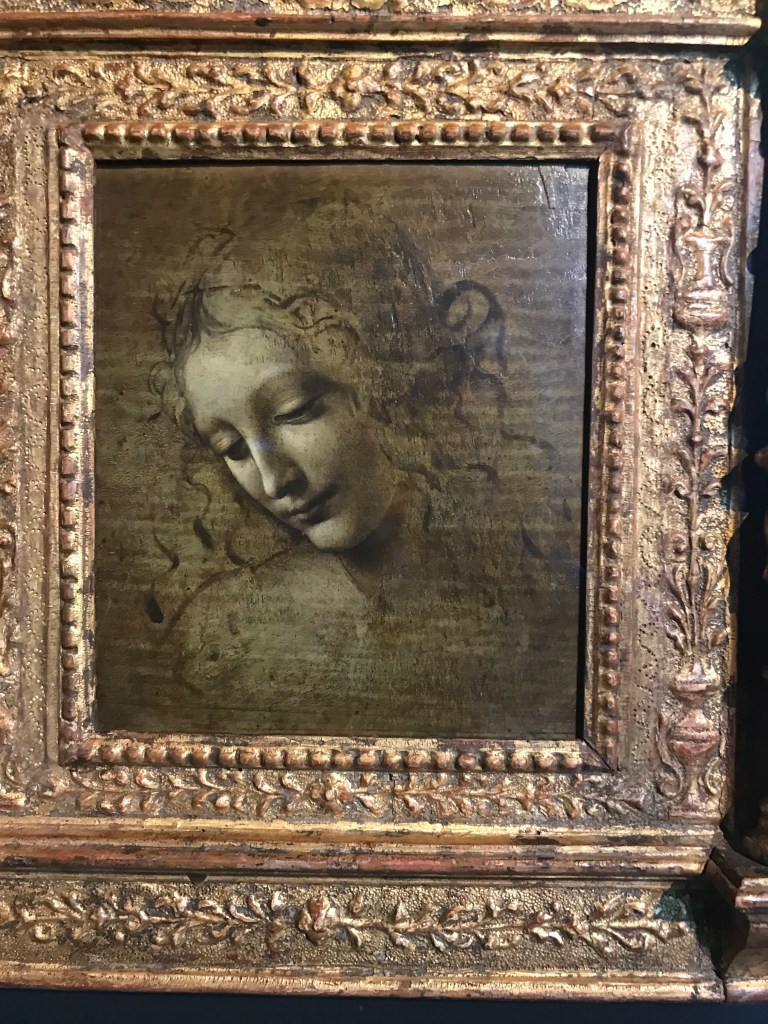
Healing of the Blind Man by El GrecoLa Scapigliata by Da Vinci
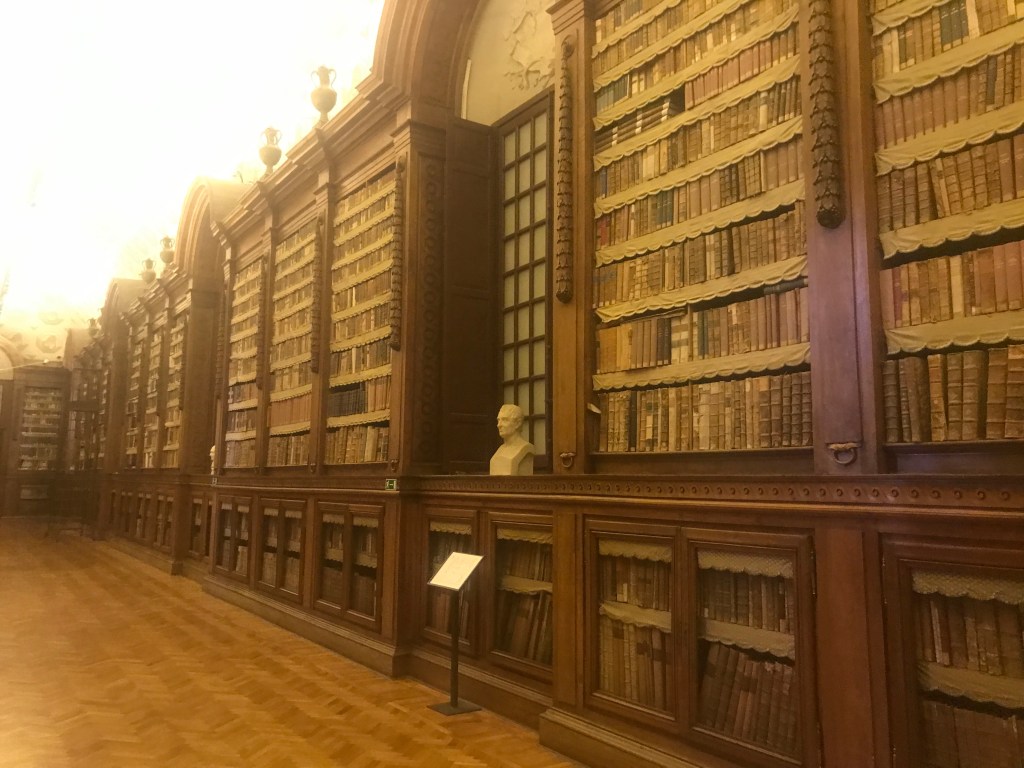
Have you ever seen 800,000 volumes gathered in one private library hall? The silence and the scent of books was unlike anything Sarah had previously experienced. The collection was commissioned in 1761, and includes a greek Codex written on 220 tiny pages of parchment in 1009 A.D.
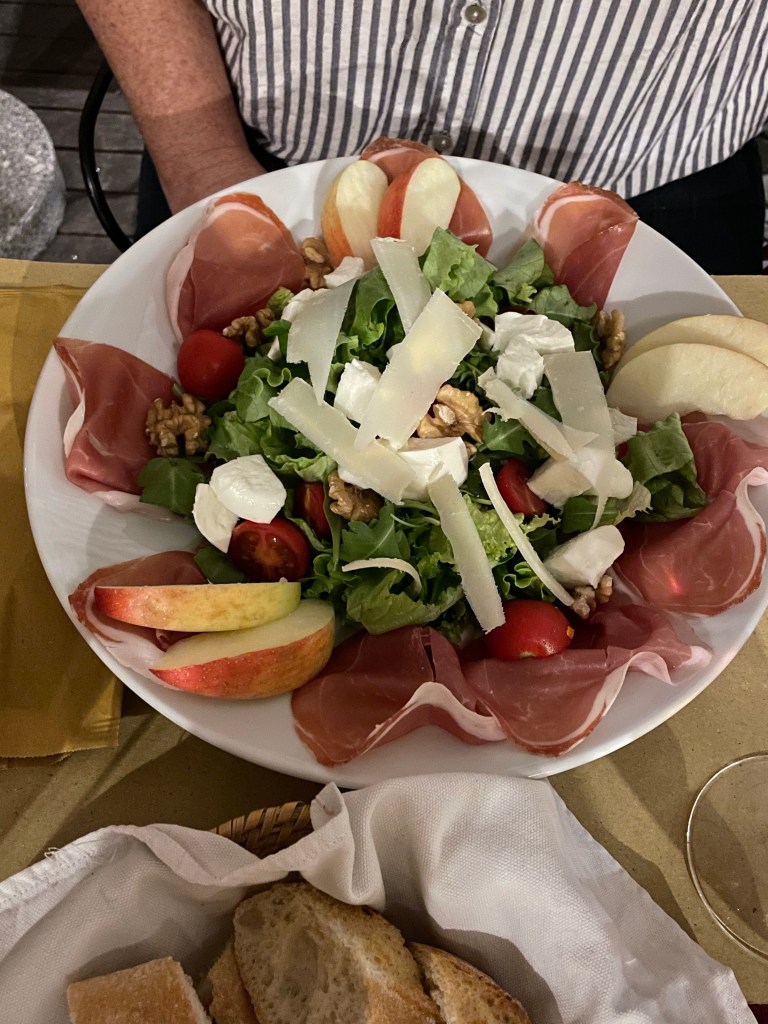
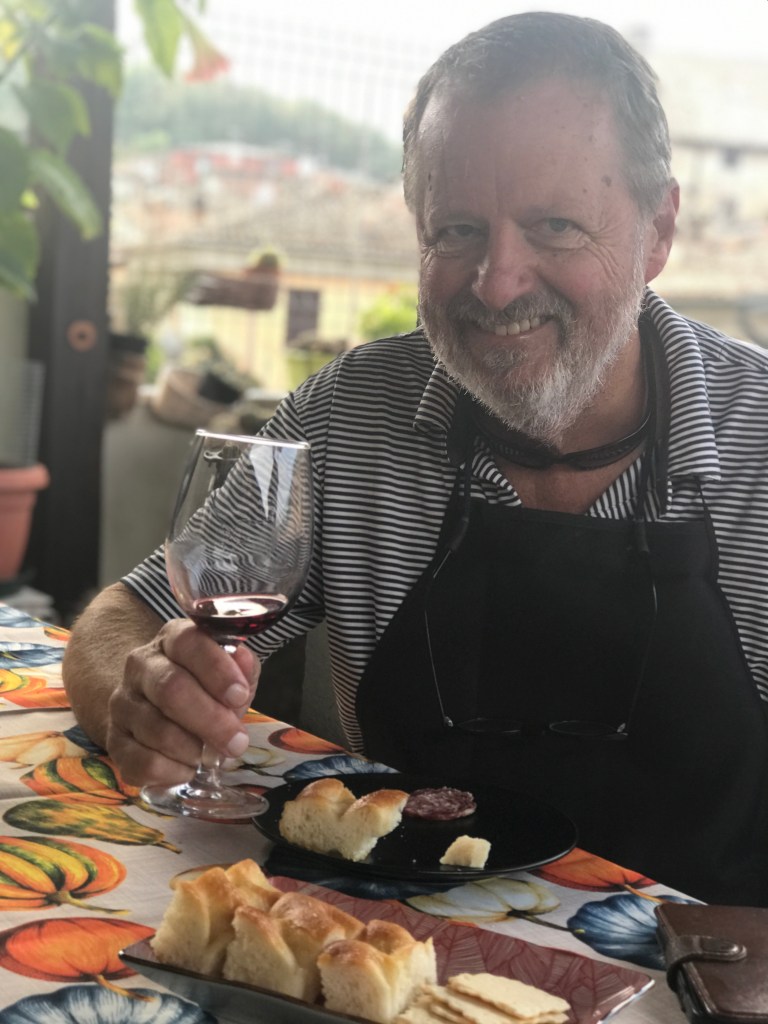
On our final night in Parma, we dined on saffron risotto with veal ossobuco alla Beppe. For twenty-five years, the owner of Hosteria da Beppe has been cooking typical Emilian fare with local ingredients. Beppe also hosts, bartends, takes orders, serves, and busses. We assume he does the dishes, too. As far as we could learn, he is a one-man show. And cooks ah-mazing food! And he gets great reviews from everyone! We were super impressed with his friendly and efficient service and we highly recommend all visitors to Parma to eat at Beppe’s restaurant.
Friar Lawrence to Romeo (Romeo & Juliet. 3.3.16-17)
Our Verona tour guide told us that Romeo rode his horse to Mantua but the city gates were closed due to plague. William Shakespeare wrote that Romeo receives a letter in Mantua from Juliet and is briefly happy before being wrongly told that his wife is dead. This disturbing news prompts Romeo to purchase poison from a Mantovan apothecary and race back to Verona to commit suicide.
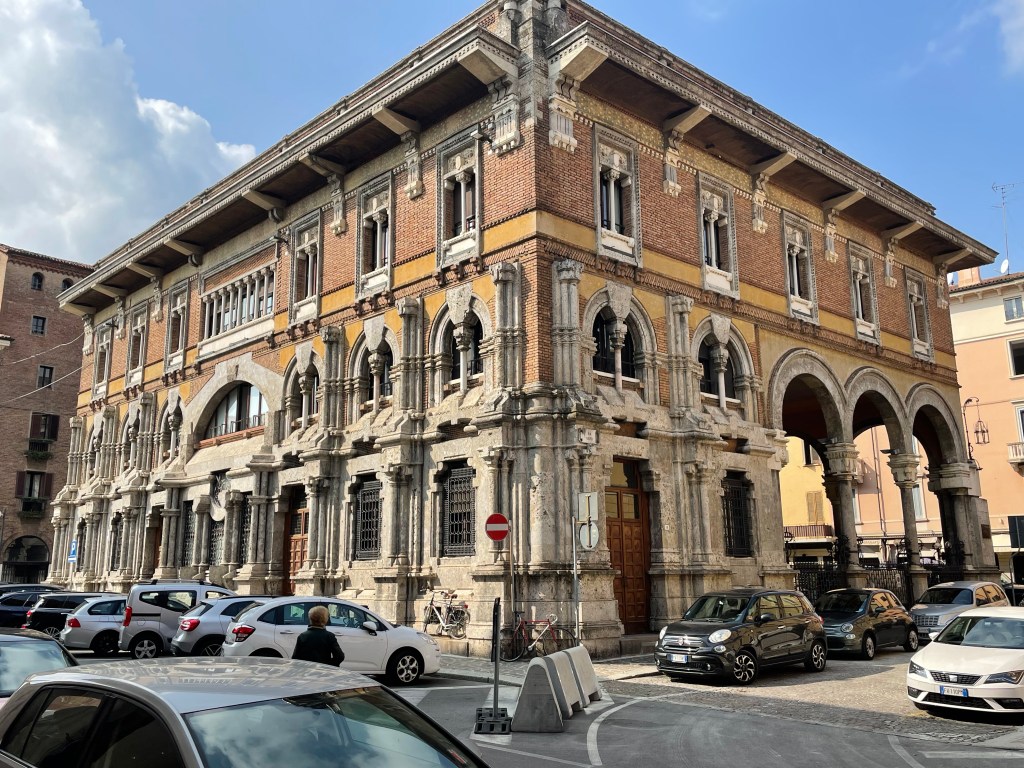
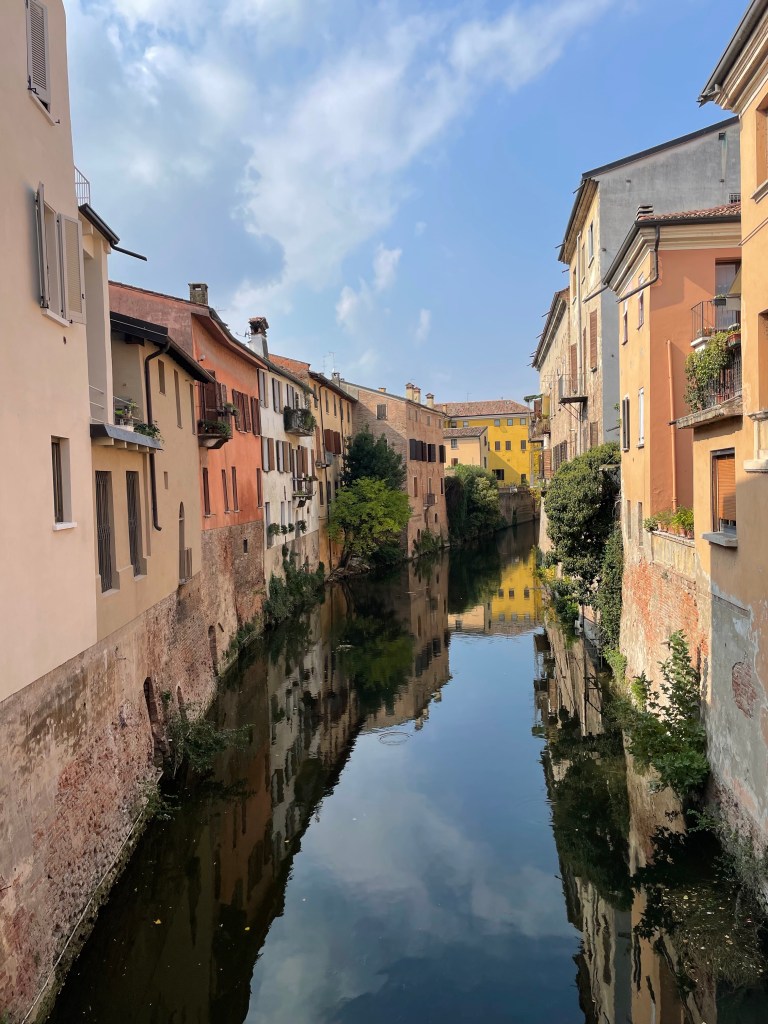
While our Veronese guide seemed to believe that Shakespeare’s play Romeo & Juliet was a documentary, we know that Willy was inspired by Ovid, da Porto, and Bandello. Matteo Bandello lived in Mantua in the 16th century, working as a soldier, monk, and short-story writer. The historic piazzas and Renaissance buildings built on top of Medieval buildings makes it interesting to walk around town pretending to be Romeo.
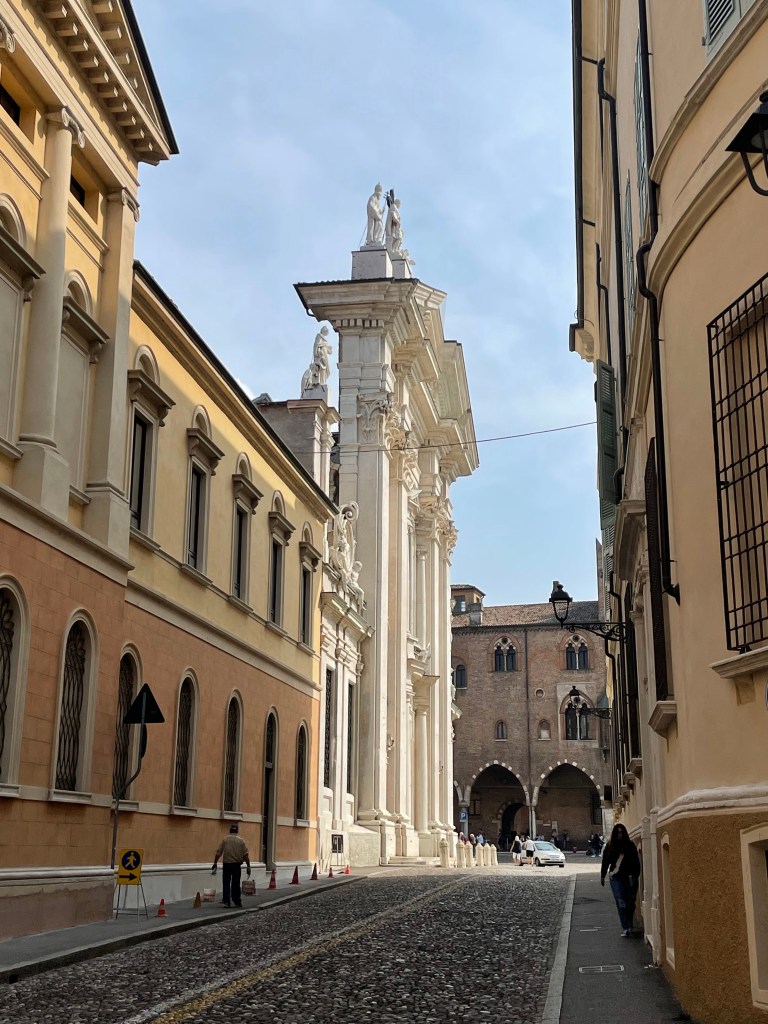
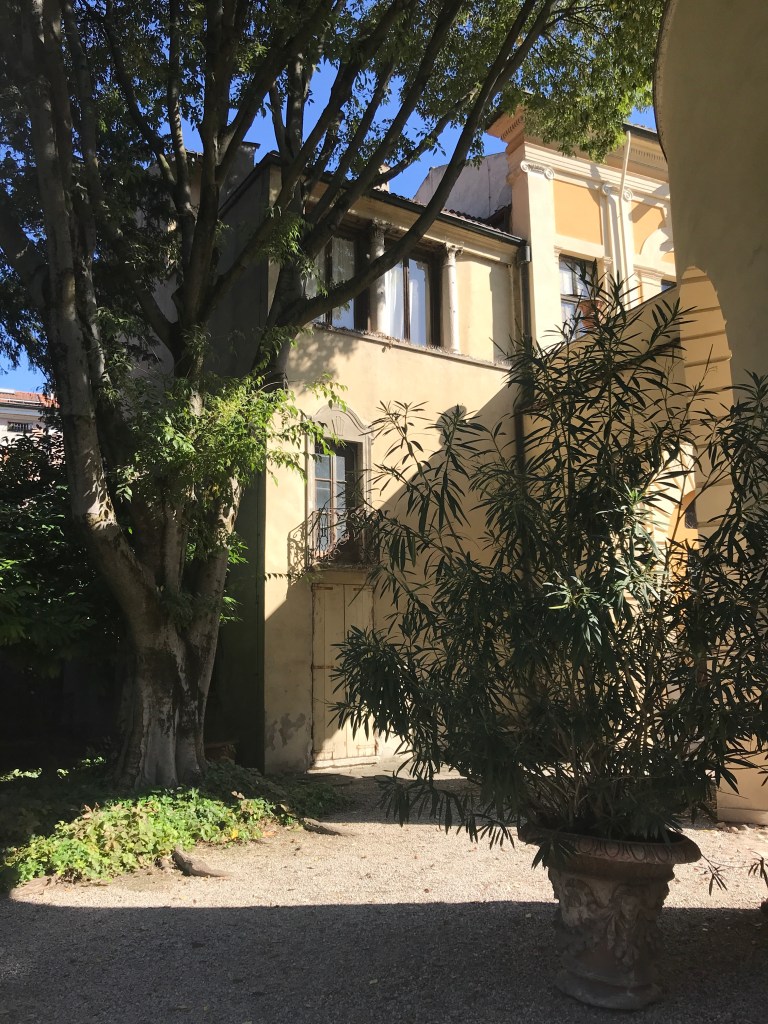
Courtyard behind Basilica di Sant’AndreaRotonda di San LorenzoOld city canal
We toured Museo di Palazzo d’Arco with an Italian-speaking guide. The museum provided an english-language booklet that described each room and the artworks contained therein. We took some pictures in the garden before the tour began, but were transfixed by the indoor furnishings, paintings, and sculptures and forgot to take photos! This overwhelming assemblage, which dates back several centuries from the aristocratic d’Arco family, was donated to the city in 1973 and art history students are kept busy each year tracing the provenance of the undocumented paintings in this huge collection.
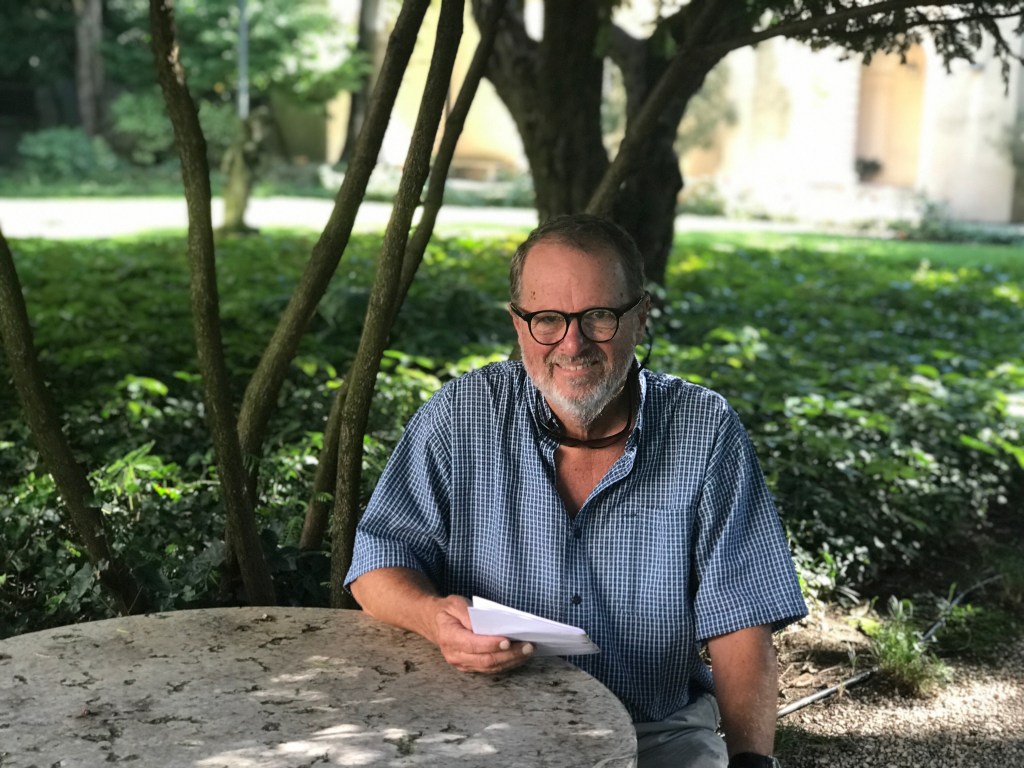
Gardens at Palazzo d’ArcoThe new Duke of Mantua and his bride!
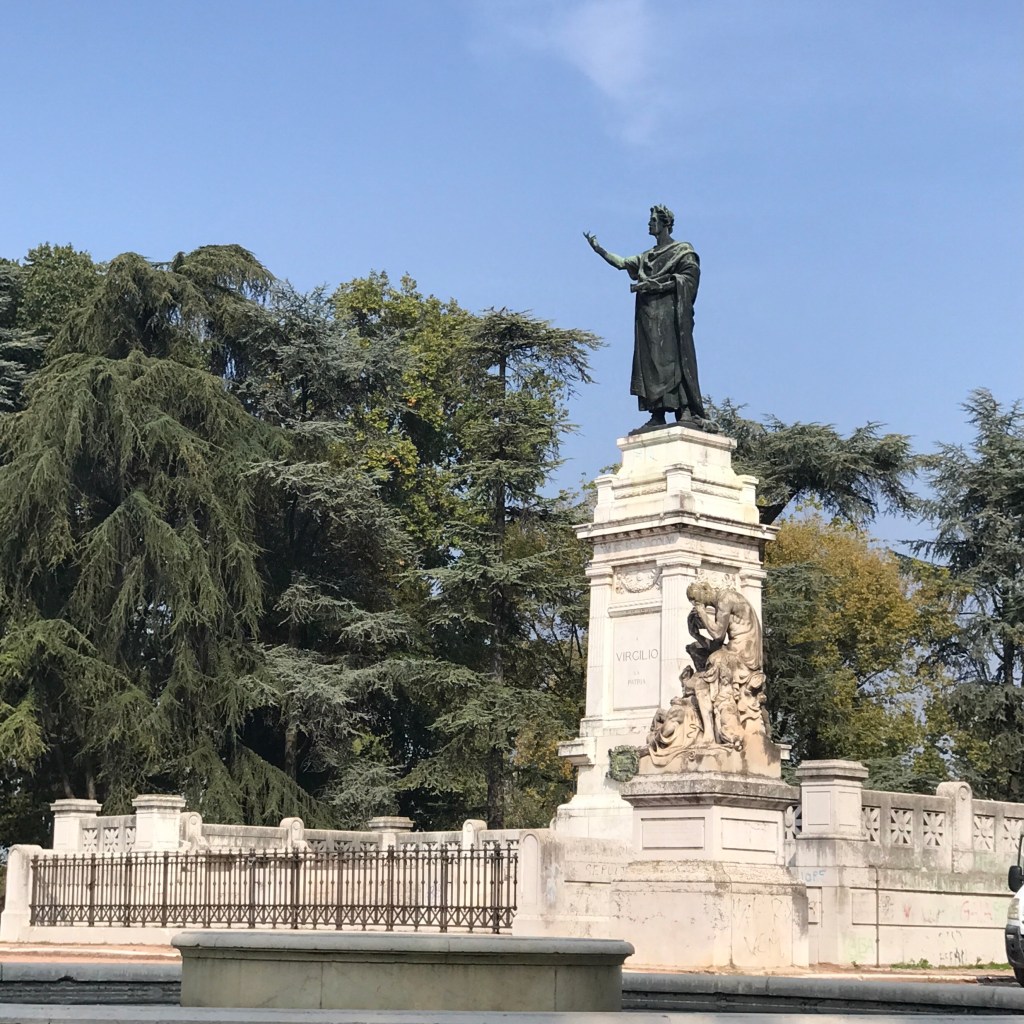
Arma virumque cano
thus begins Virgil’s epic poem, The Aeneid
We picnicked in this garden dedicated to Virgil, born near Mantua in 70 BC.
We really enjoyed our three nights in Mantova (Mantua) and could happily return for a longer visit. The municipality limits car/truck traffic (ZTL – Zona a Traffico Limitato) in the old city center which encourages pedestrians and cyclists to access local businesses, including an abundance of cafés and restaurants. The market on Thursdays stretches across several piazzas and side streets and offers just about anything you might be looking for. We purchased fabric (4+ metres for only €5), shorts (€2), sewing needles and thread for a button repair, and ingredients for our picnic lunch.
We are impressed with the clean streets, bicycle commuters, and friendliness of locals. Our Airbnb apartment was well-appointed; it included a washing machine with detergent, daily maid service, and coupons for breakfast at a local café.
EDITED: You can read lots of travel stories about the famed “grantig” or “raunzen” of the Viennese people. Some writers encourage us to write off Viennese rudenessas “Kulturgut.” Others say it is hopelessly ingrained in the descendants of a former aristocratic capital. We recognize how fortunate we are to travel to foreign cities around the world and interacting with grumpy servers and subway workers is definitely a first-world problem!
Sarah in particular wrestles with high emotional sensitivity and doesn’t easily let rude behavior roll off her back. Intellectually, we know that a person’s bad behavior is a reflection of their worldview and we try not to take anything personally. That said, we liked our collective experiences in Prague way better than Vienna!
We read about the sullen service in some Viennese establishments. Sarah was not prepared for the downright rude behavior. A sidewalk cafe waiter was so busy chatting with his non-customer cigarette-puffing friend that her order was sidelined. At a different cafe, the server brought us food we did not order; when we challenged him, he pretended to be “forgetful” and re-plated the food. But then up-charged us for the stuff we didn’t order. A subway ticket-taker berated us “Americans who do not know lots of things” for not reading the fine print on our ticket, when our simple apology and his ticket validation would have sufficed. Our Air BnB host messed up our e-keys TWICE locking us out of our rental apartment and never apologized.
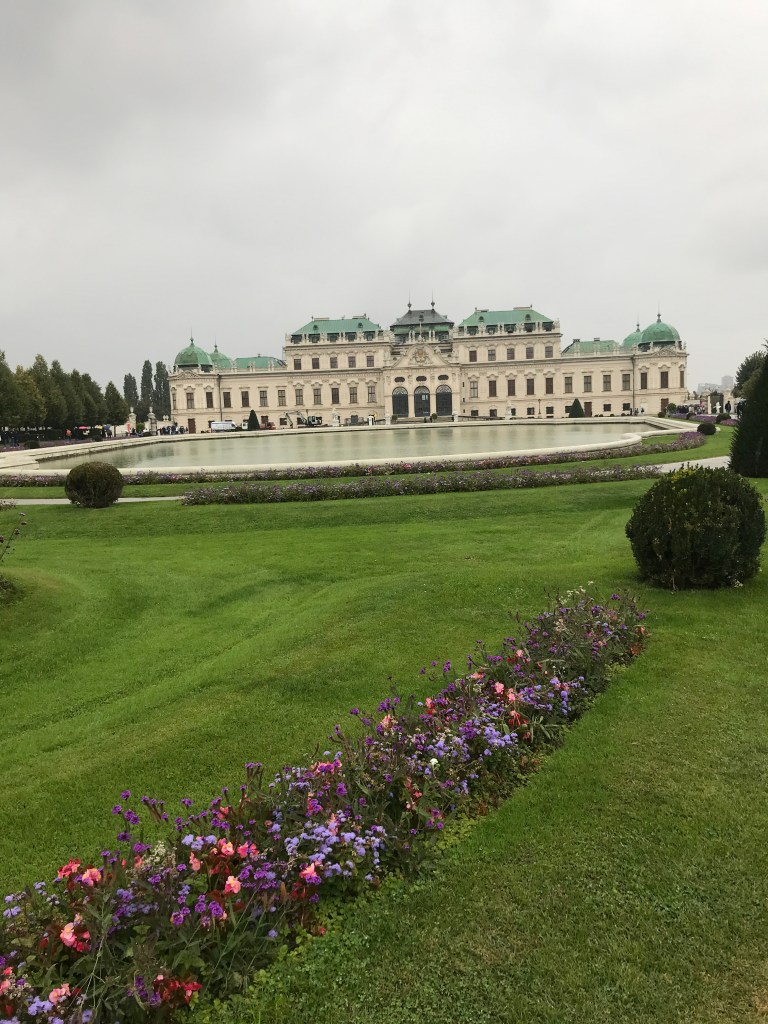
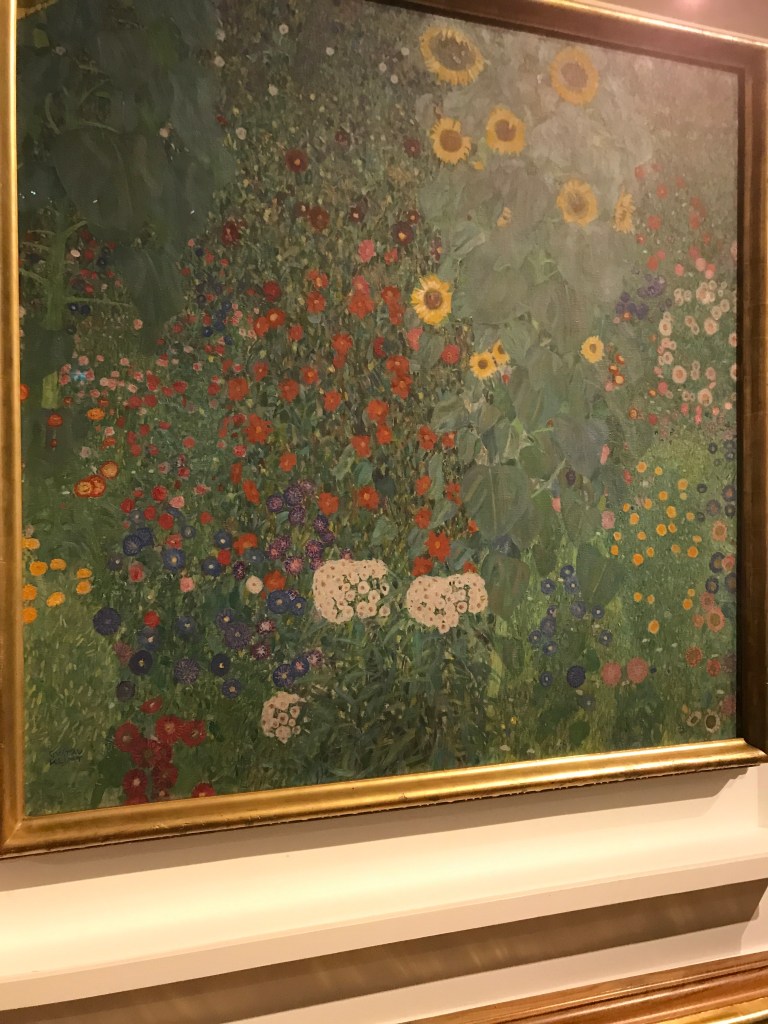
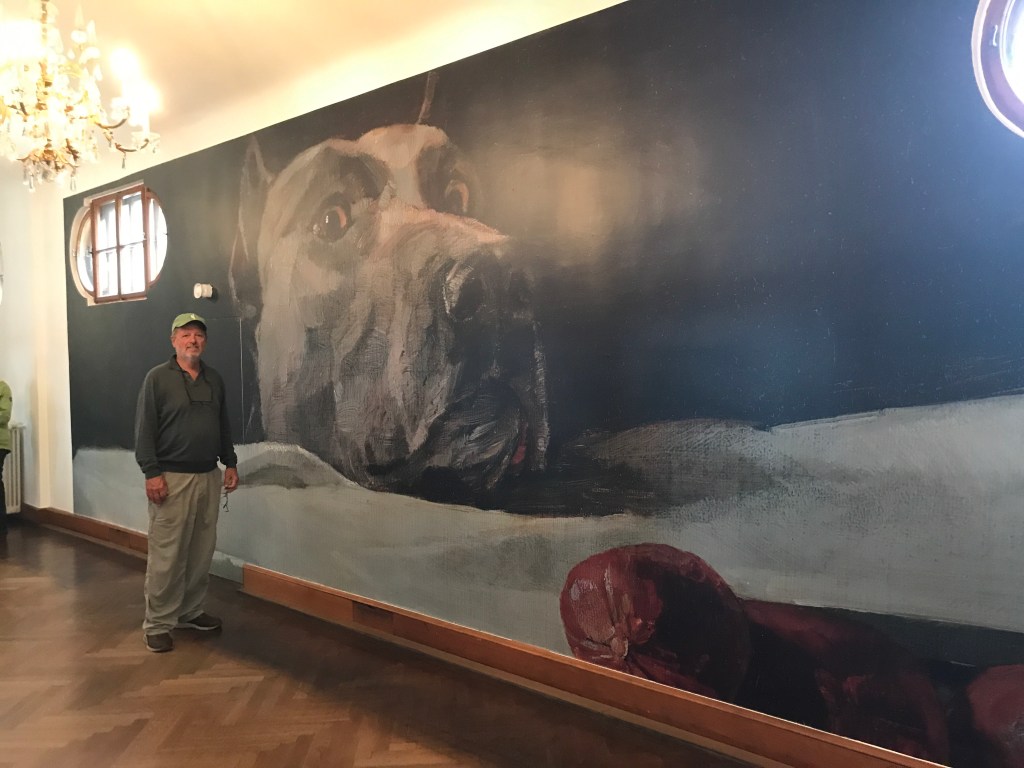
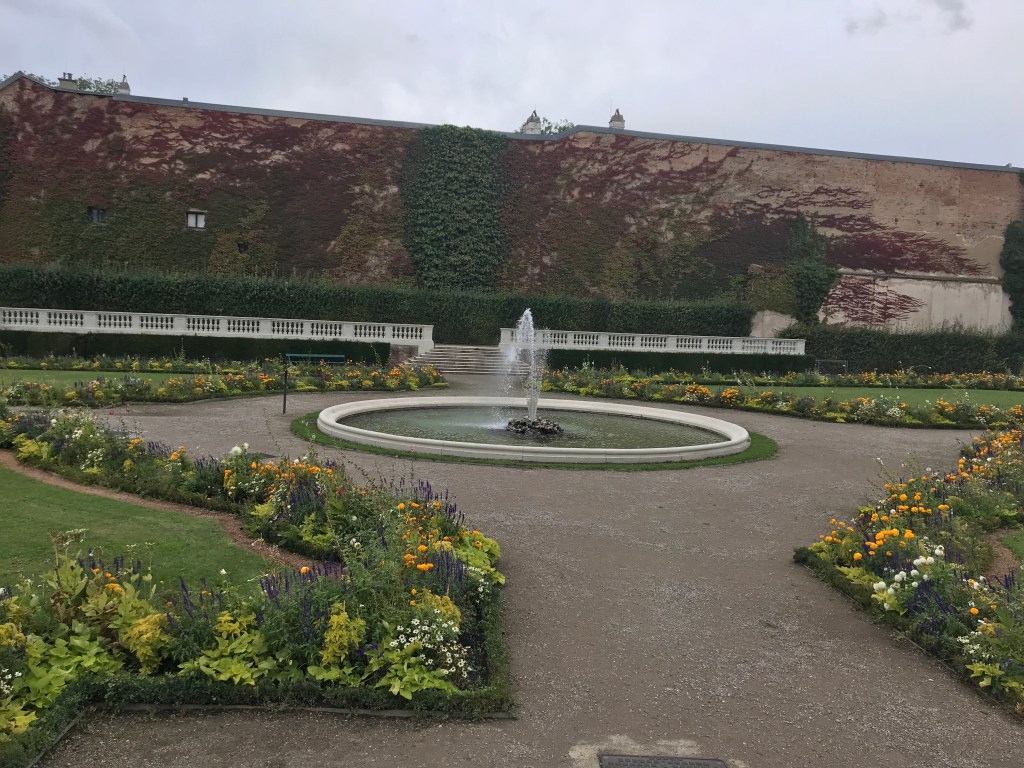
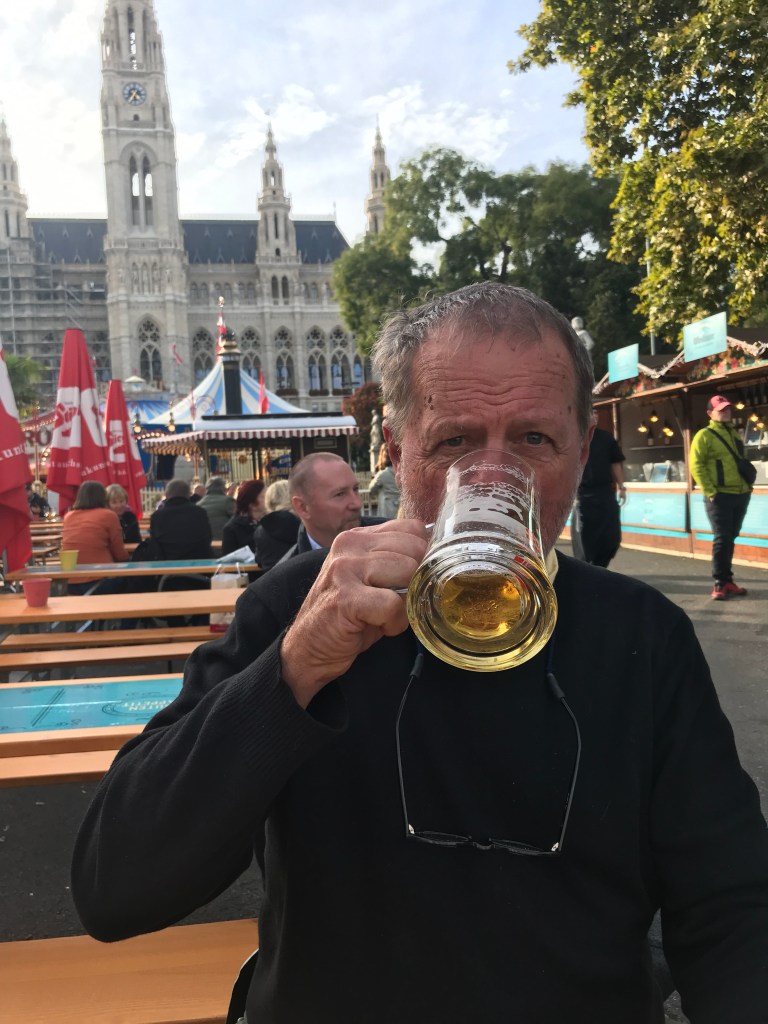
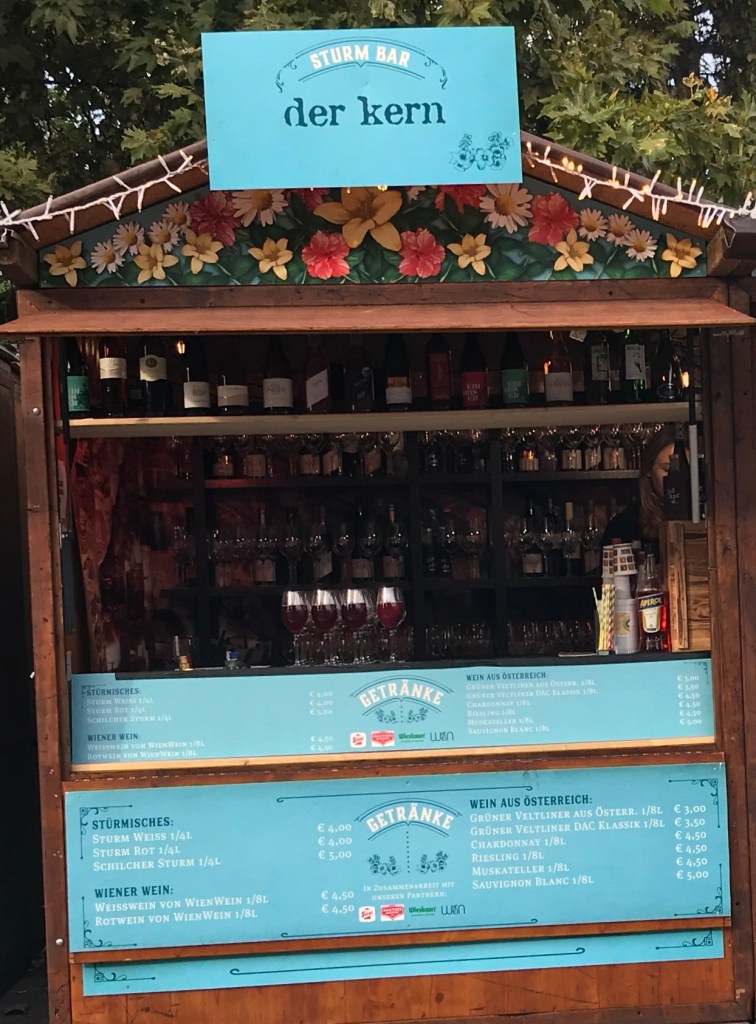
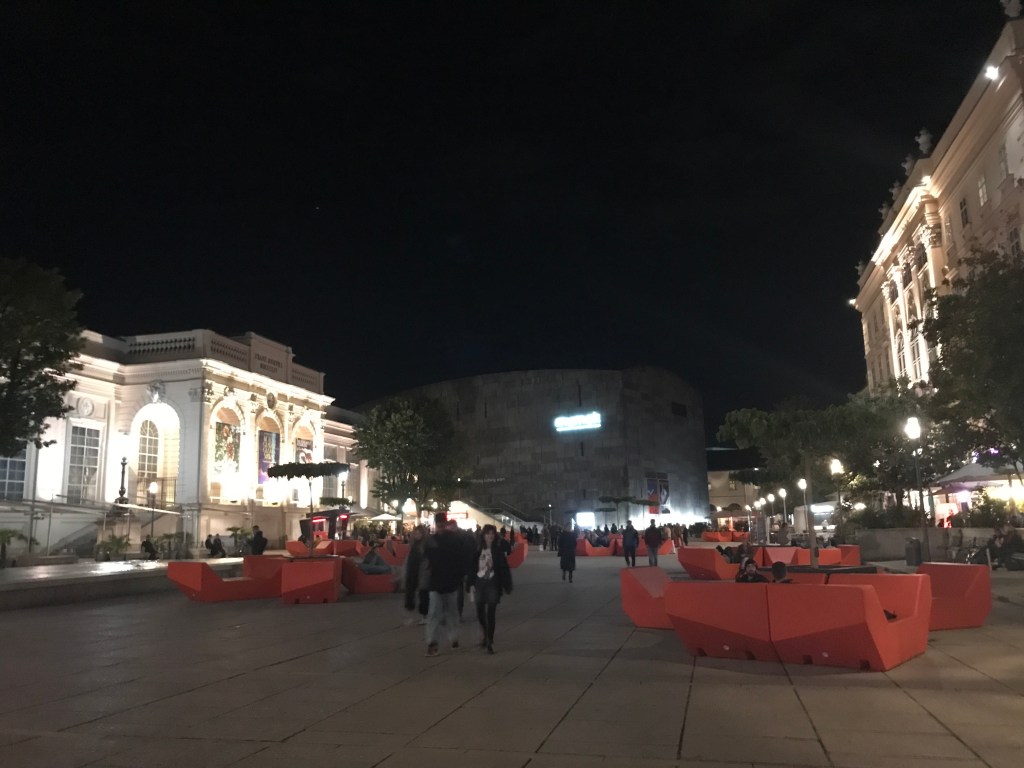
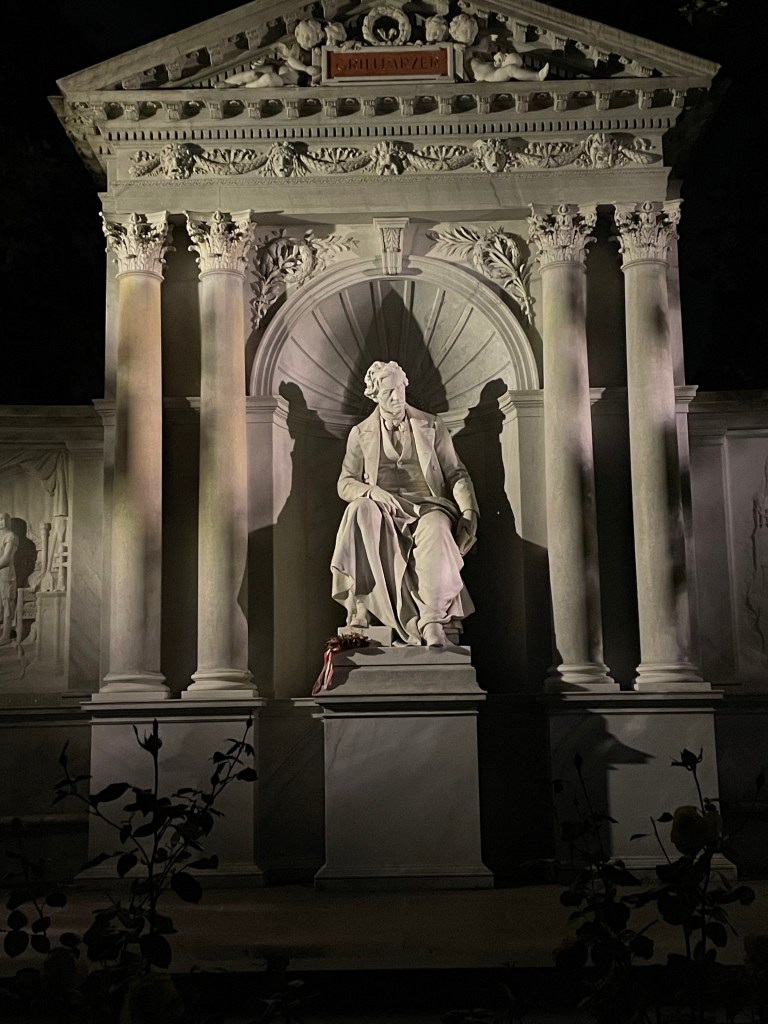
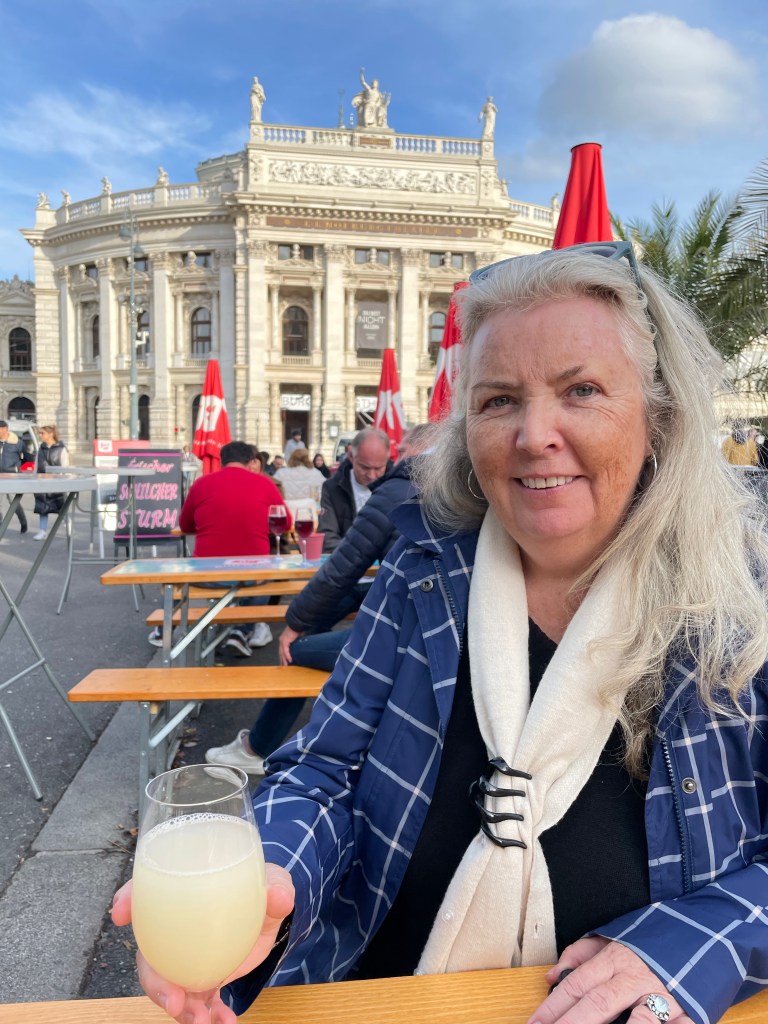
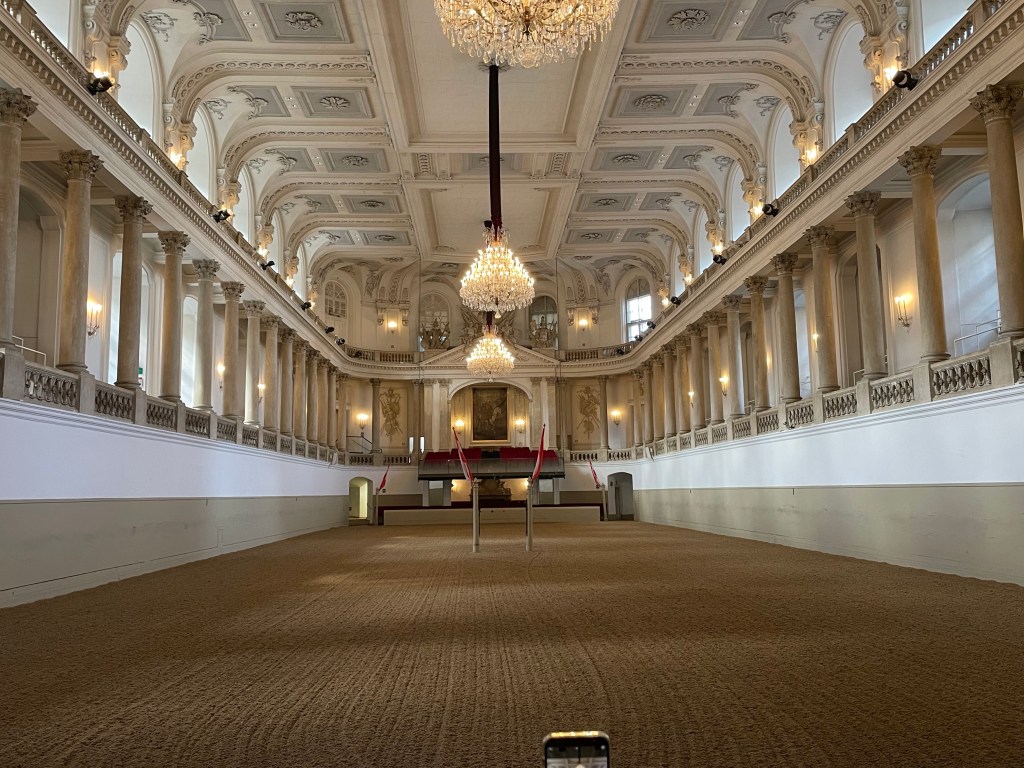
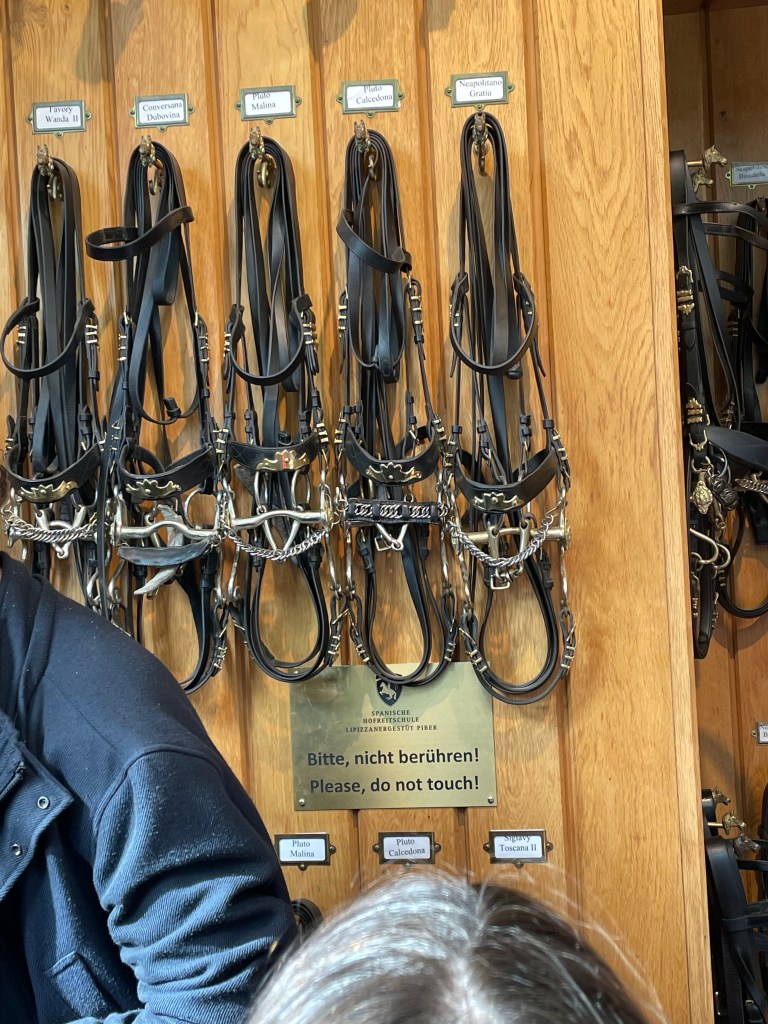
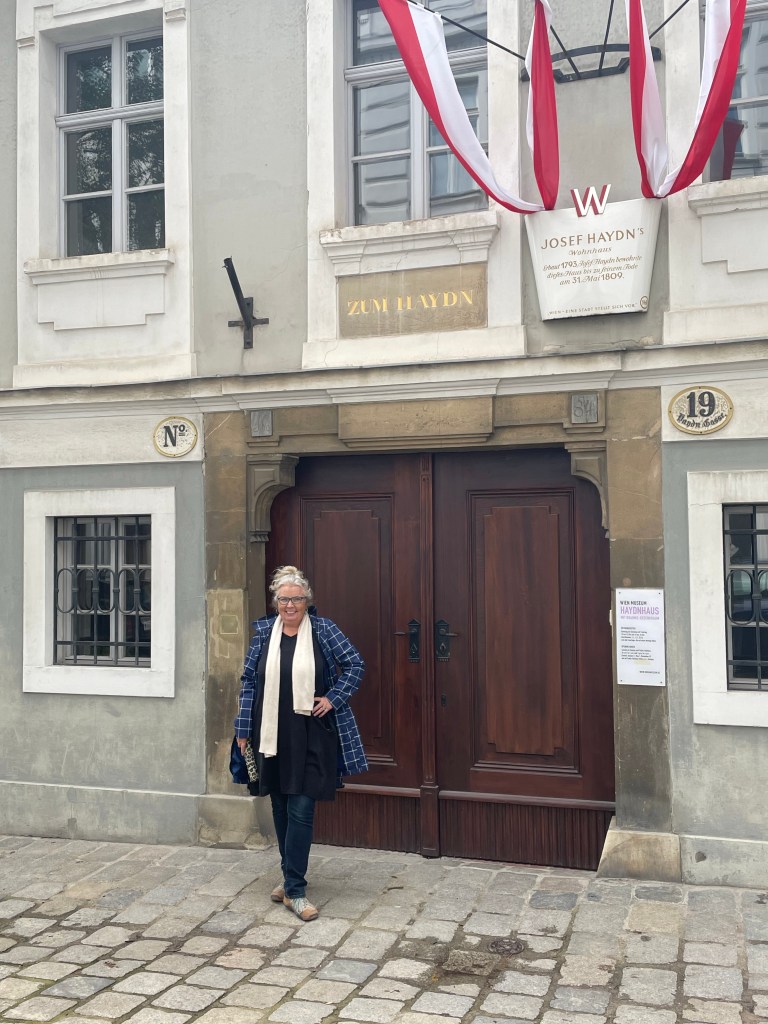
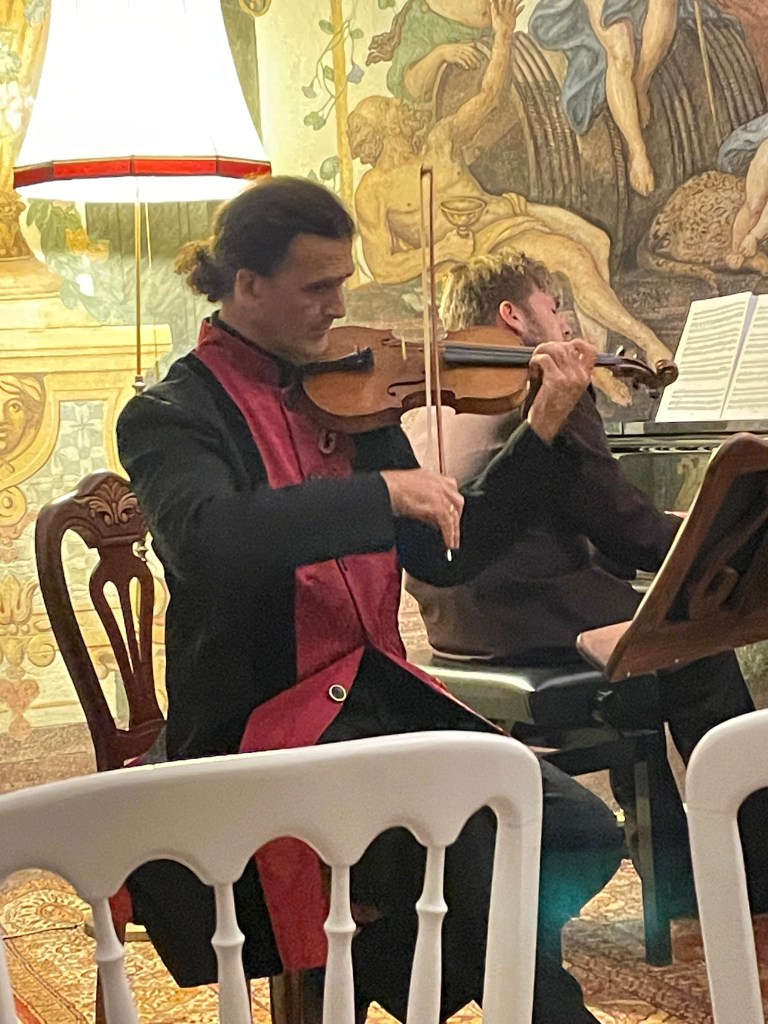
On the flip side, we were enchanted with the music programme at MozartHaus and were especially impressed with the skill of the young pianist. The cafe at the Belvedere Palace served delicious food with seemingly happy career waiters. The food and service at Kellergwolb was outstanding. Our tour guide at the Spanish Riding School was knowledgeable and patient with our questions. Dinner at the Melkerstiftskeller, on the advice of our friend Angela Malik-Stenson, was delightful. And “Sturm” is a new harvest favorite of Sarah – basically young wine (low APV) that is still fermenting, slightly bubbly, a bit cloudy, and only available for a few weeks in the fall.
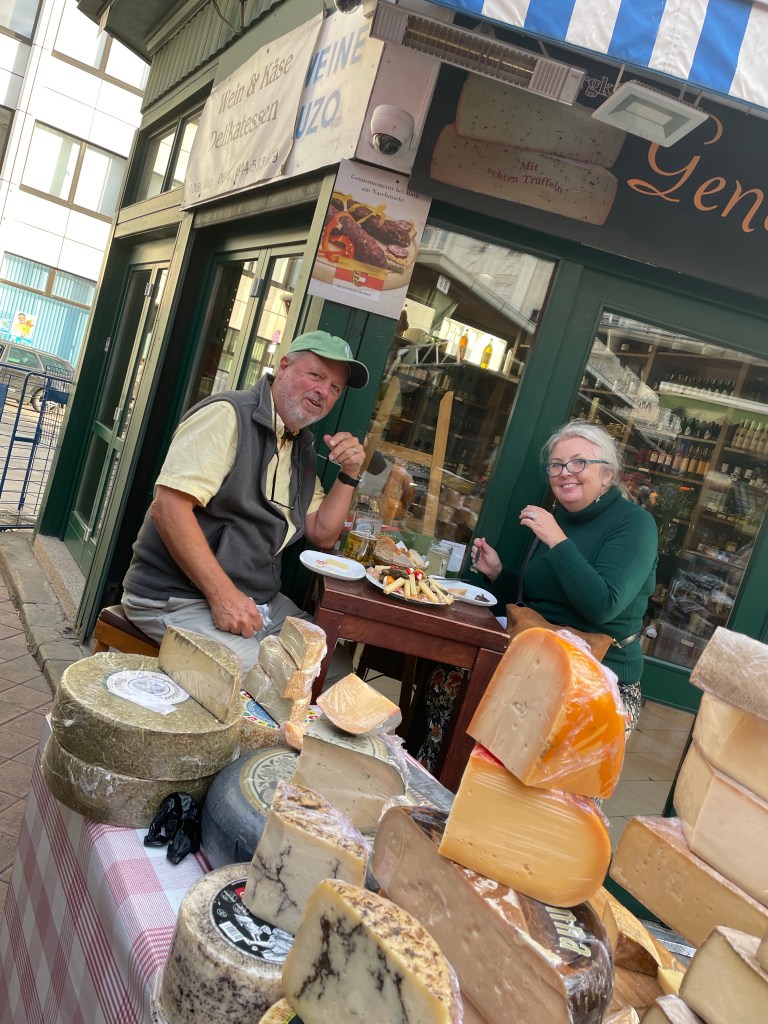
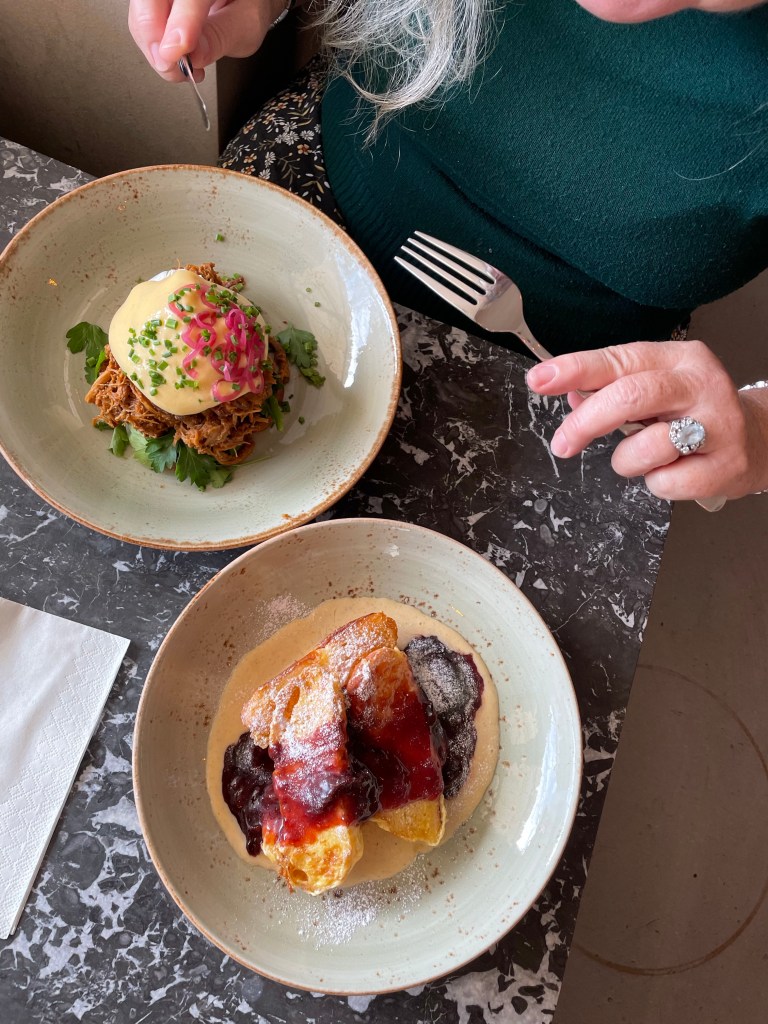
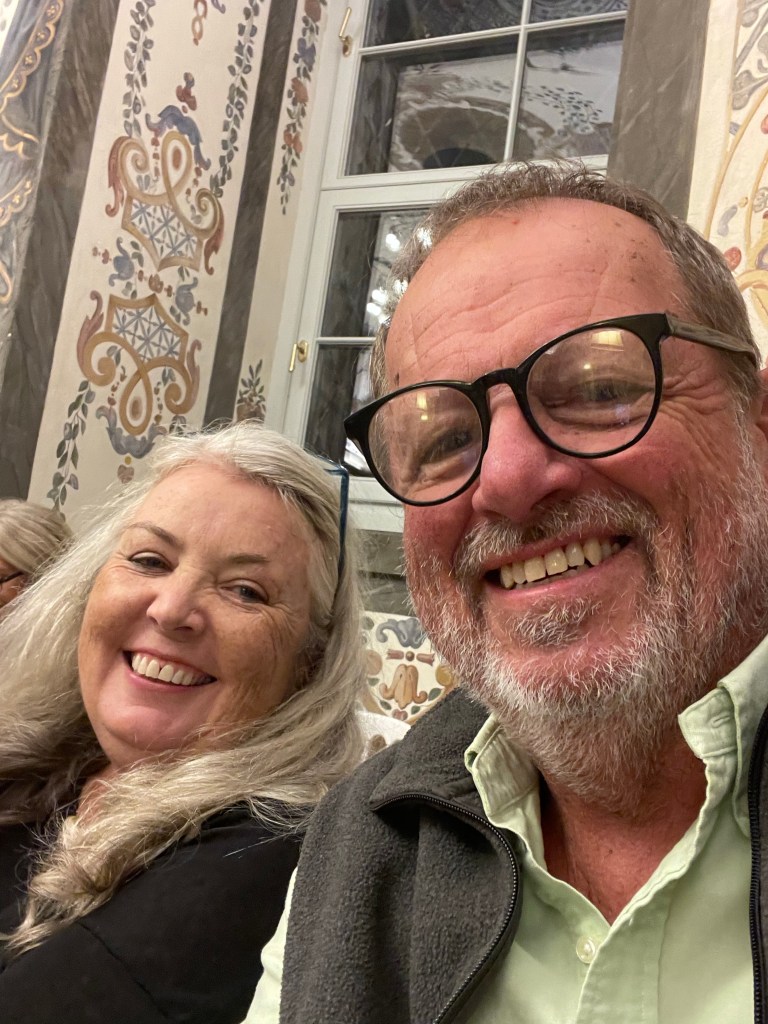
When you are retired, on Wednesdays in September you can treat yourself to extravagant breakfasts in Vienna, Austria. This café was popular with folks of all ages: university students were sharing brunch and studying; business people were meeting for coffee and important conversations; and wandering tourists like us were there to enjoy the food and the neighborhood.
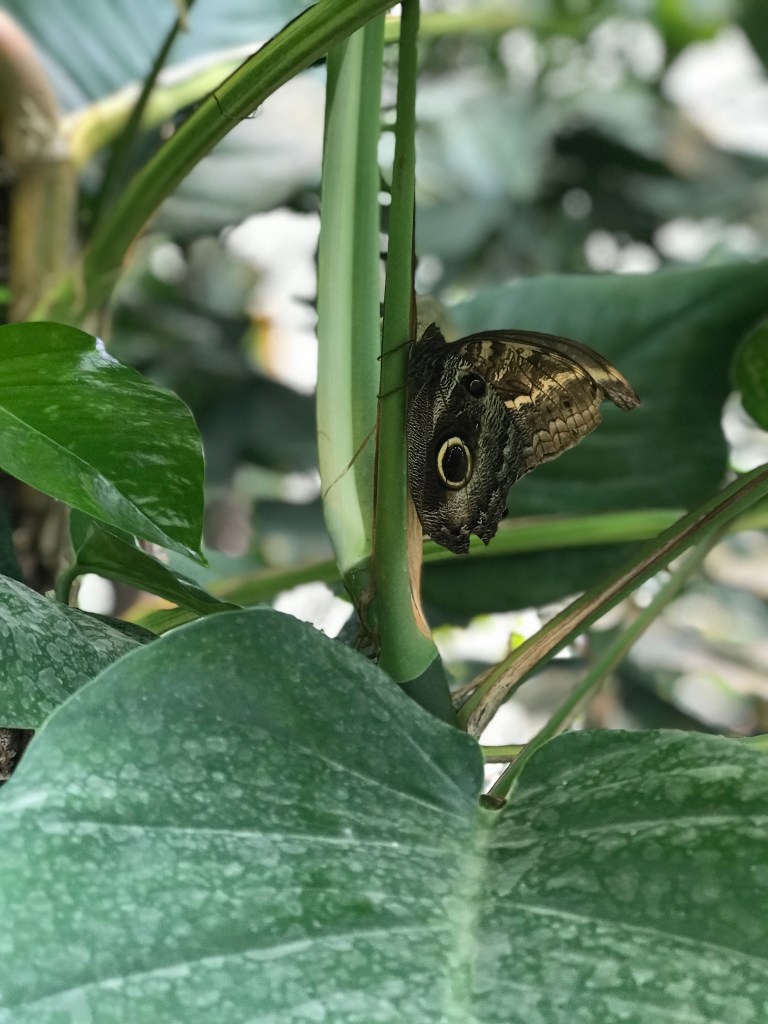
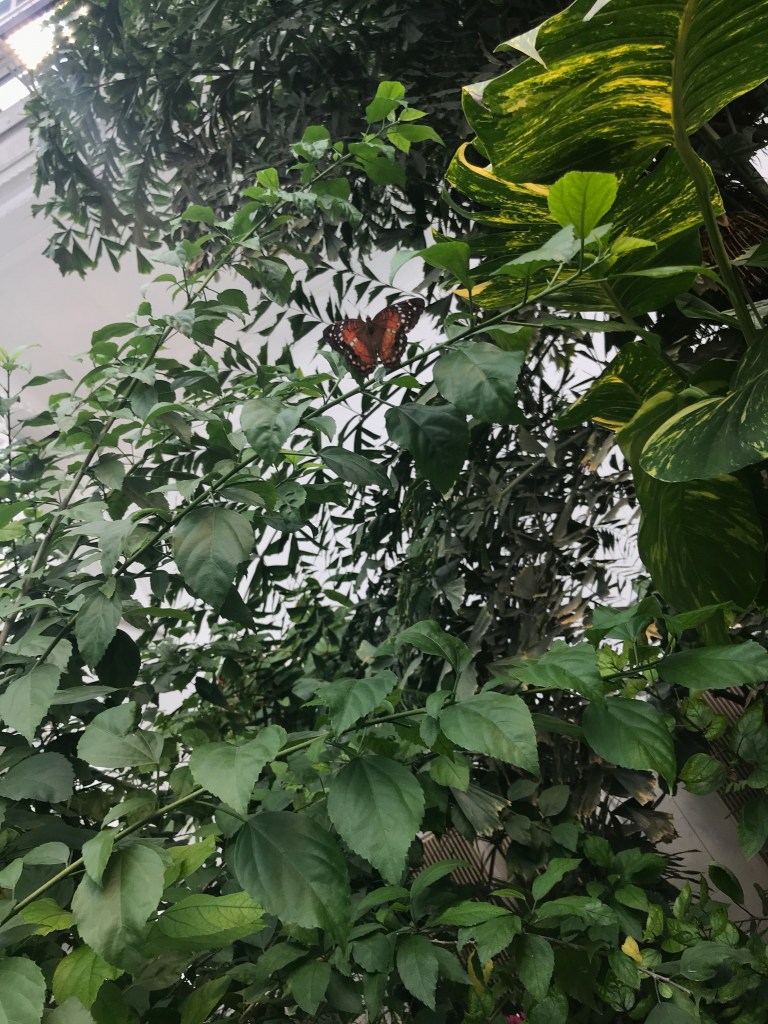
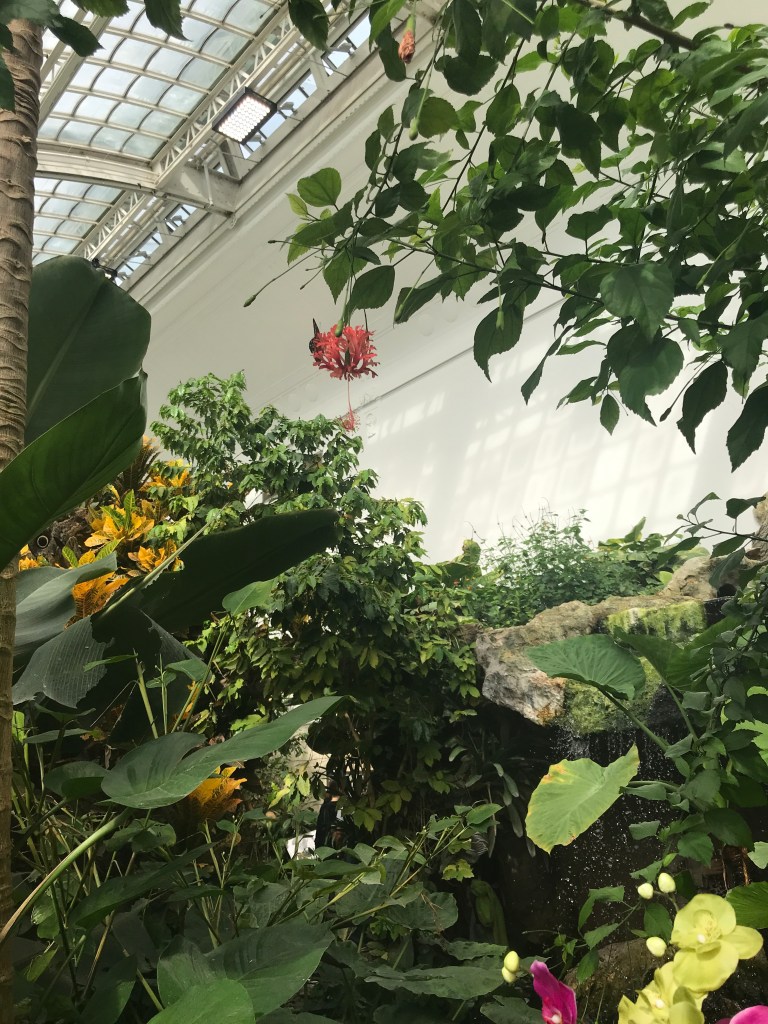
After savoring our delicious meal, Joe surprised Sarah with a tour of Schmetterlinghaus (Butterfly House), established in 1990 as a cooperative project between private and public institutions. There are 40 different species of tropical butterflies from sustainable butterfly farms in Costa Rica, Belize, Surinam, Thailand and the Philippines. The farms send pupae to Schmetterlinghaus where they hatch and fly free around visitors. None of the butterflies at Schmetterlinghaus are endangered species.
Only a few of the species breed in the conservatory, as caterpillars eat species-specific plants and the building is not large enough to accommodate all of the plants that would be needed to feed hundreds of different caterpillars. We learned the Owl butterfly generally lays her eggs on banana leaves and the Heliconius species on passion flower leaves. Our familiar Monarch caterpillar we know eats only milkweed and is one of the few species that reproduces in the conservatory. All the plants in the Butterfly House are free of pesticides and are propagated by the Österreichischen Bundesgärten (Federal Gardens of Austria).
Shortly after entering the palatial greenhouse, a tattered Owl butterfly attached itself to Joe. Visitors are encouraged to move slowly and many people are anxious to get the Insta-perfect selfie with a butterfly perched on their outstretched hand. Joe exudes calm and peace and this older butterfly knew it was safe to hang out on Joe for the afternoon. After many minutes, Joe slowly started to walk up the path to the top of the waterfall and his buddy stayed attached to him. Joe gave up trying to dislodge his new friend and continued to explore the rest of the Butterfly House.
Morphos look like Disney animations – their iridescence is incredible!
When it was finally time to leave, Joe gently moved “his” butterfly to a nectar stand where it hopefully felt safe as it was likely near the end of its short life (average 130 days).
We later learned that the male owl butterfly is known to spend its days drinking fermented juices of rotting fruits in the insect equivalent of dive bars and takes to the skies at dusk drunkenly seeking aerial combat with other males. That explains the tattered wings!
Since high school, i have been attracted to the “bohemian” fashions of the 1960s and have styled myself as an artist born in the wrong decade! i like to decorate with bold colors and an eclectic mix of elements. For our second date, i invited Joe to attend Baz Lurhmann’s San Francisco Opera production of “La Boheme.” I had a vague understanding there was a region somewhere in central Europe that used to be called Bohemia and imagined fairytale castles decorated with lots of lace, macrame, and colorful tapestries and rugs; in other words, boho chic.
Bohemian Sarah in the gardens of a castle built for the Kings of Bohemia.
My ignorance has now been exposed and as i write this, i am traveling by train through Czech Republic, thinking about the ancient Celtic Boii tribe pushed north by the conquering Roman armies. When the Roman Empire engulfed these lands thousands of years ago, they named it “Boiohaemum” by blending the name of the Celtic tribe (boii) with the proto-German word for home (haimaz) and then latinizing the new portmanteau.
Sometime in the sixth century, Slavic tribes began arriving from the east and Christian monks showed up in the ninth century. From decade to decade, century to century, borders and allegiances continued to shift as the people of the Middle Ages tried to build power over their neighbors, but the name “Bohemia” stuck to the region.
After WWI, the region of Bohemia was the geographic core of the newly formed Czechoslovakia. Tragically, Hitler fooled the world with the Munich Agreement, and Czechoslovakia was sacrificed to the Nazi regime. Following WWII, a new republic was declared but was soon absorbed by the eastern bloc and occupied by Soviet forces. It wasn’t until the Velvet Revolution in 1989, that Czechs once again strove for a pluralistic democracy.
In the nineteenth century, Parisian writers started using the word “bohemian” to describe the painters, sculptors, intellectuals, musicians, and actors living unconventional artistic lives in Europe’s major cities. It evoked a sense of wandering with no fixed address – not unlike the nomadic Celtic tribe of the Boii – and an appreciation of art over money, friendship over privilege and the camaraderie of living with like-minded outsiders. Even Mark Twain described himself as bohemian!
Ironically, these “bohemian” wares are no different than the hippie stuff sold in Provincetown back home!
There is so much to learn about the history of Central Europe and how the ripples of influence from the events and legends of Bohemia have spread across the world. Madeline Albright’s book “Prague Winter” is an excellent place to begin. I am just beginning to comprehend how complex and intricate are the stories of this region.
Thank you to Mary Marshall for recommending this book to me for this trip.
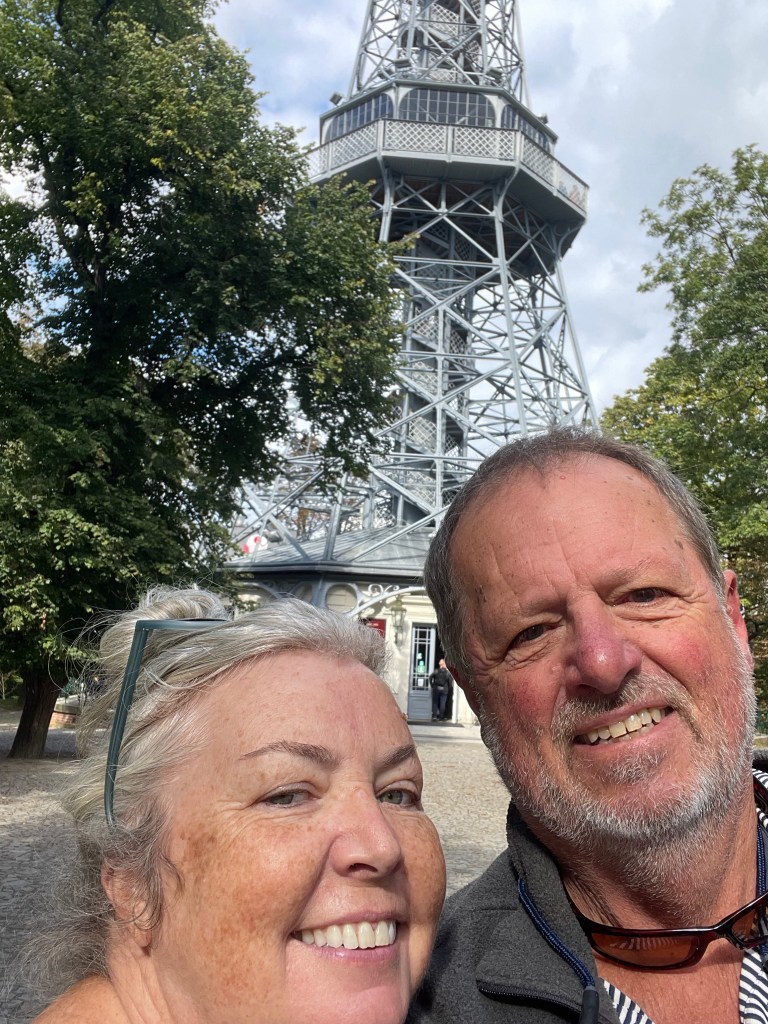
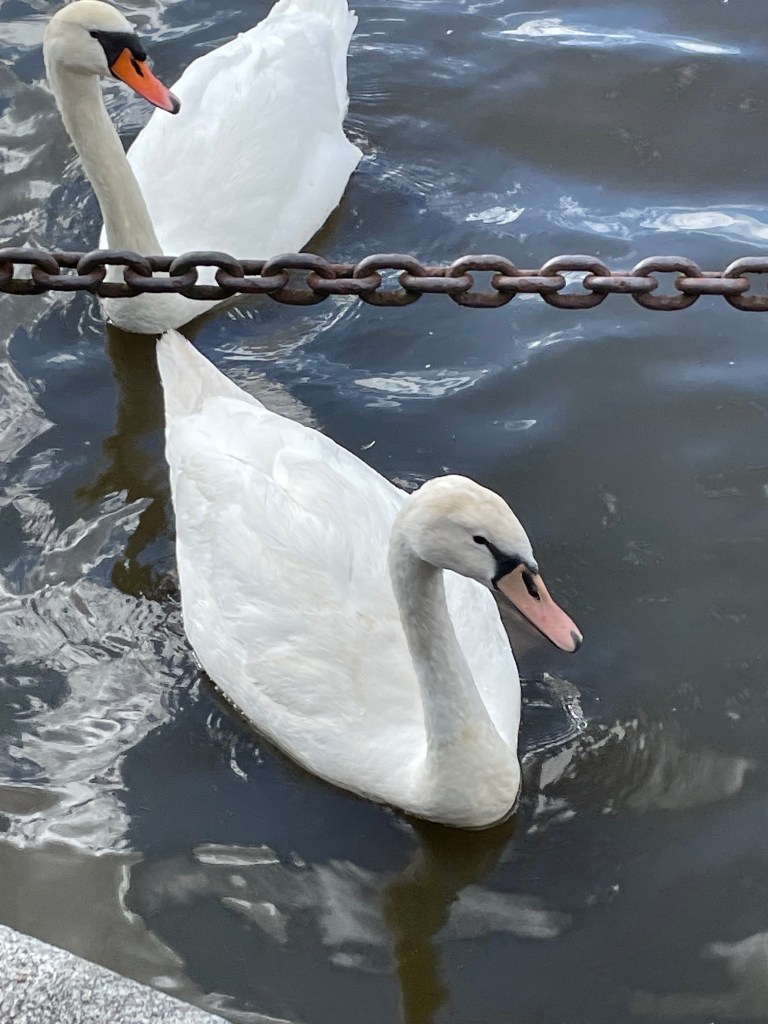
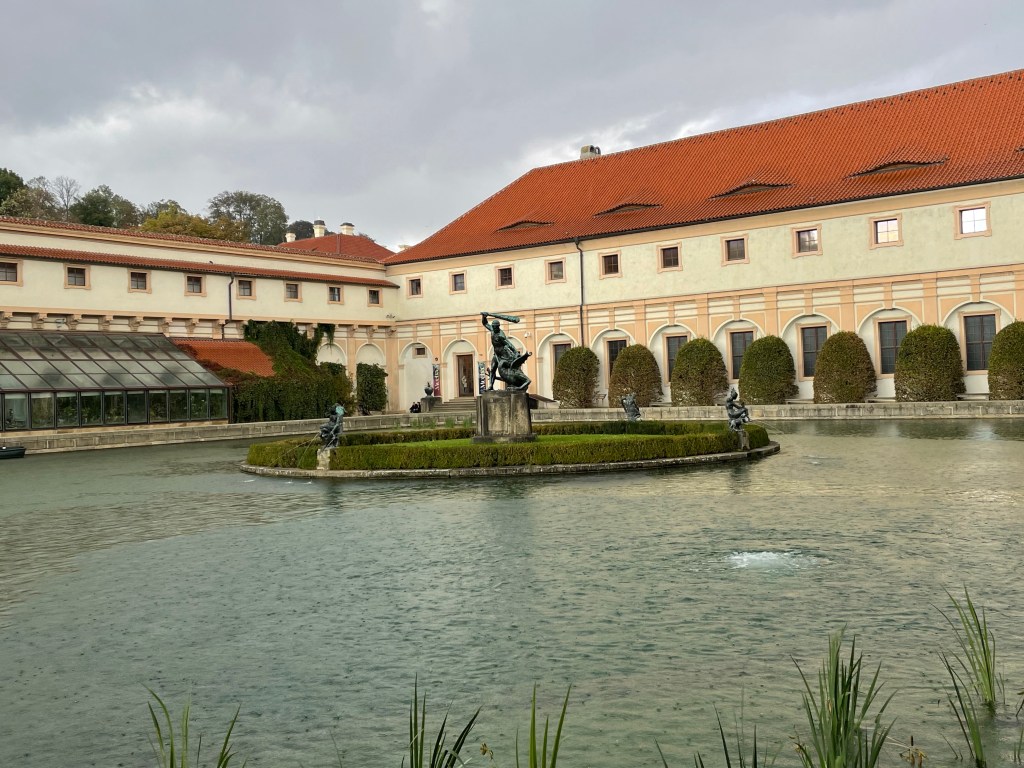
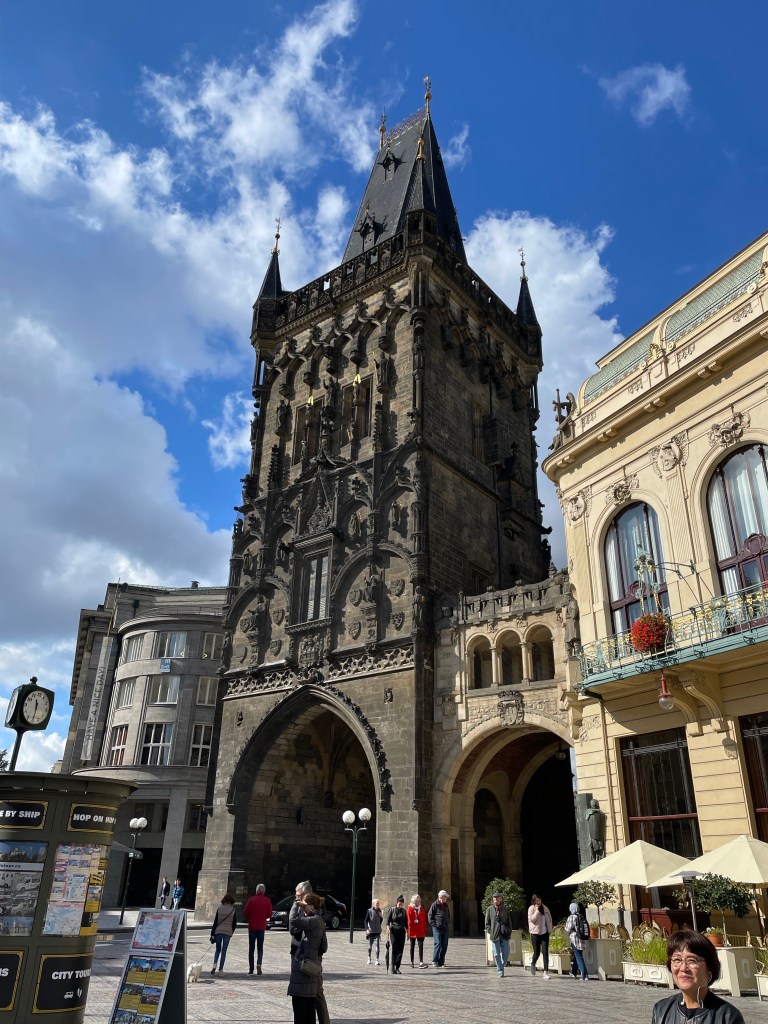
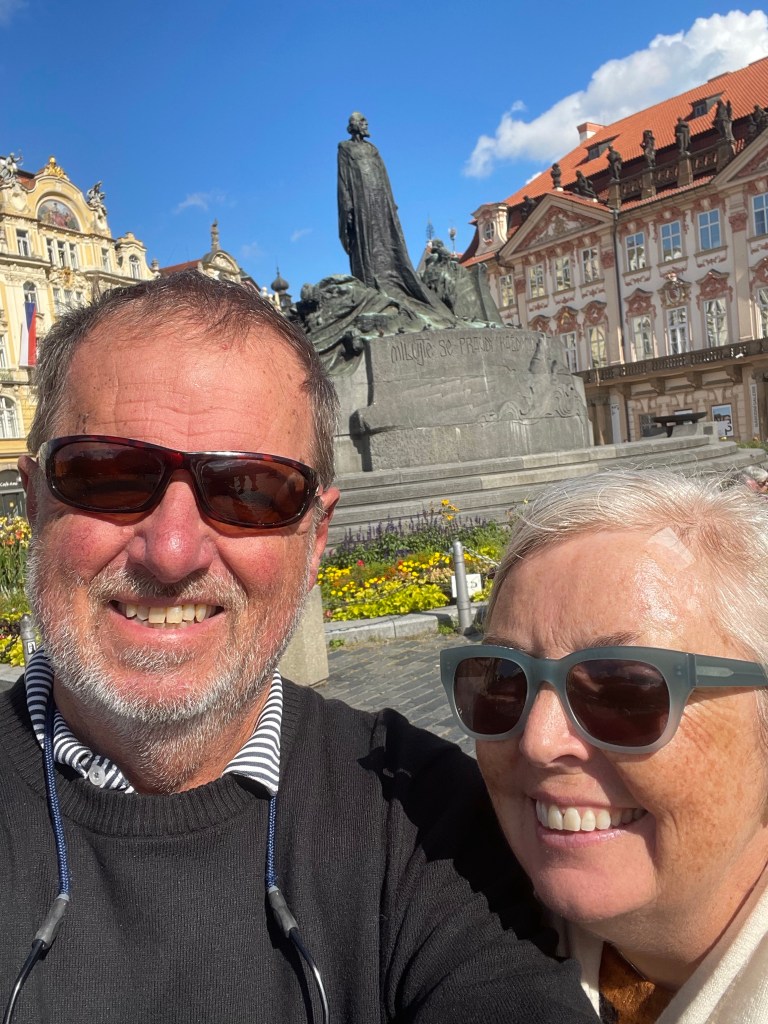
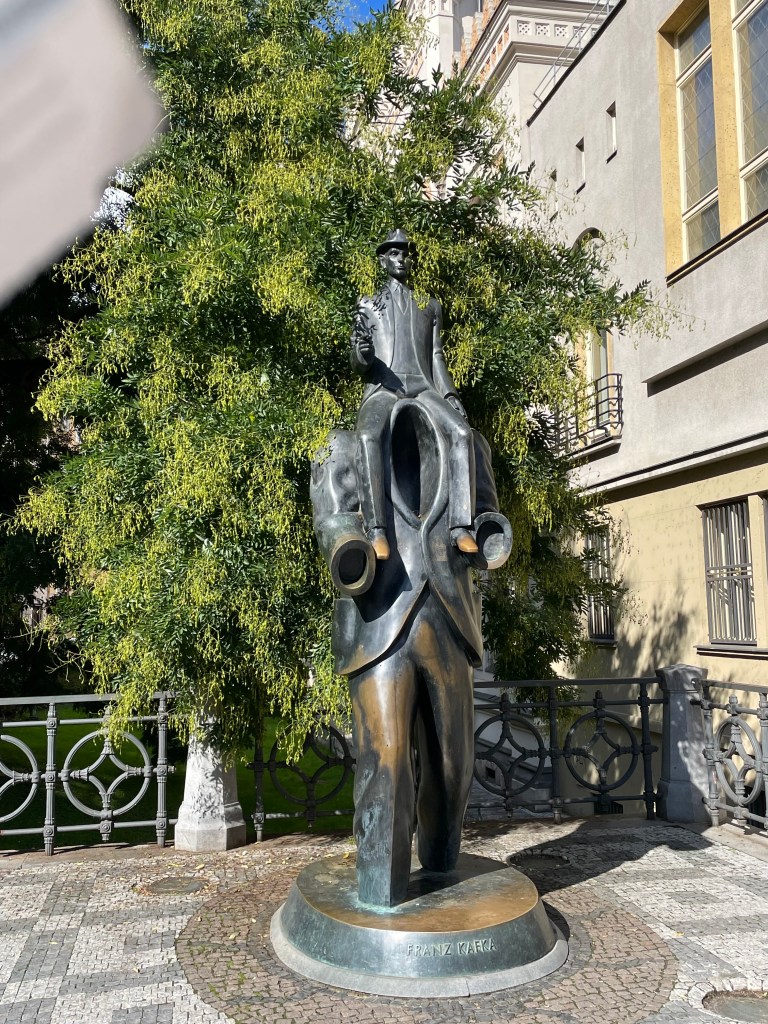
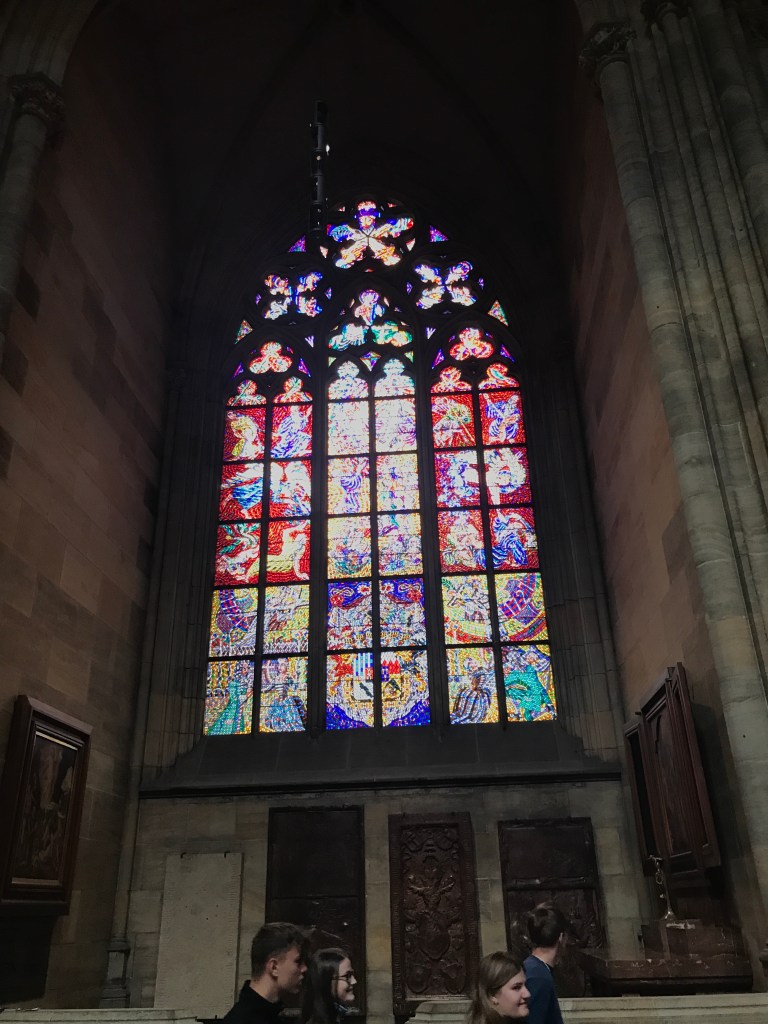
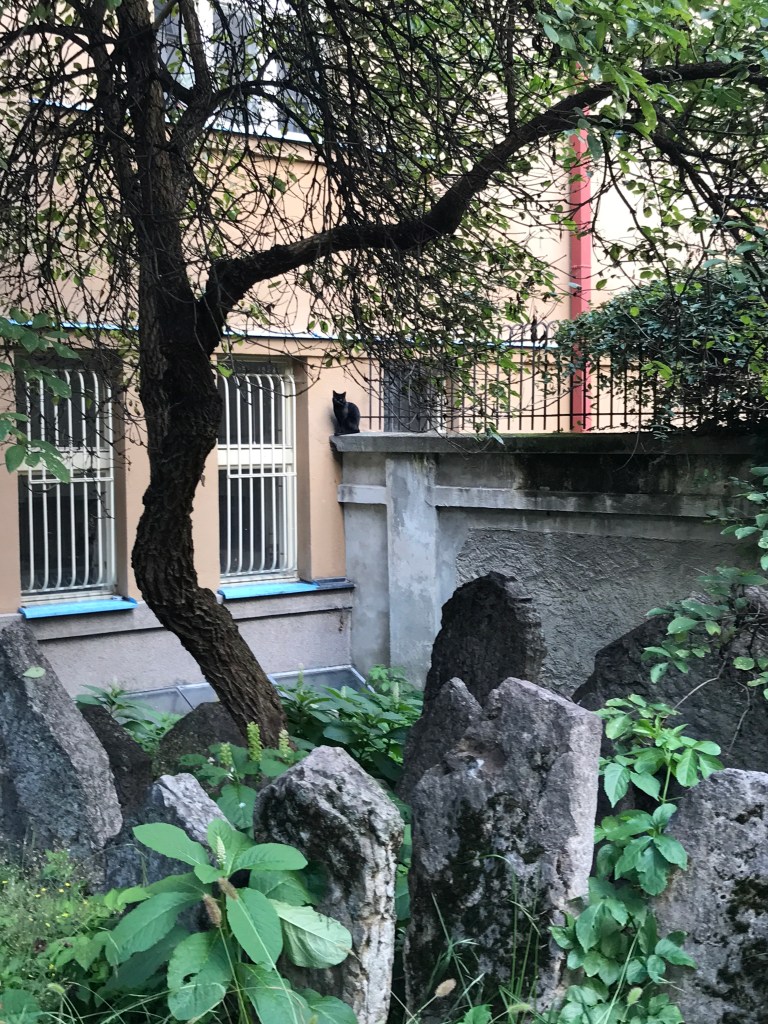
In the crypt of this church is an exhibit about the Czechoslovak resistance fighters who defied Nazi rule. We took the funicular to the top of Hill, explored the gardens, and spent the rest of the afternoon walking down the hill.Petrin TowerDozens of swans live in the river.“Dancing houses” look cooler in photos than in person. The “For Rent” sign across the window skirt didn’t help.Met this hen and her chick while waiting for the rain to stop.Gardens at Maisel SynagoguePossibly the best duck Joe has ever tasted!The woman who taught Wenceslas to be good.Joe has changed his mind about cremation and is now requesting we build him a two-tonne silver sarcophagus.The view from our Prague window into the hotel garden.Beautiful black cat found us in a cemetery on the day of the fall equinox!Daily reminder to all – be a mensch.
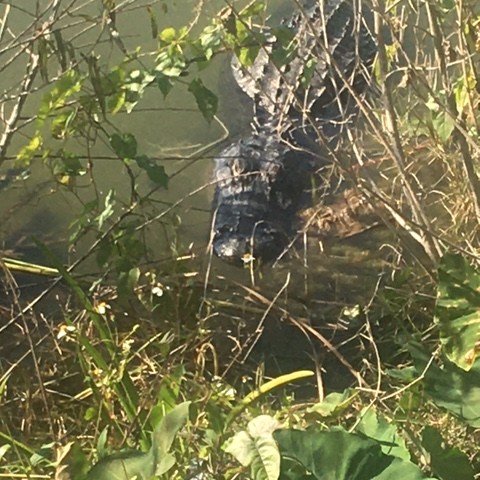
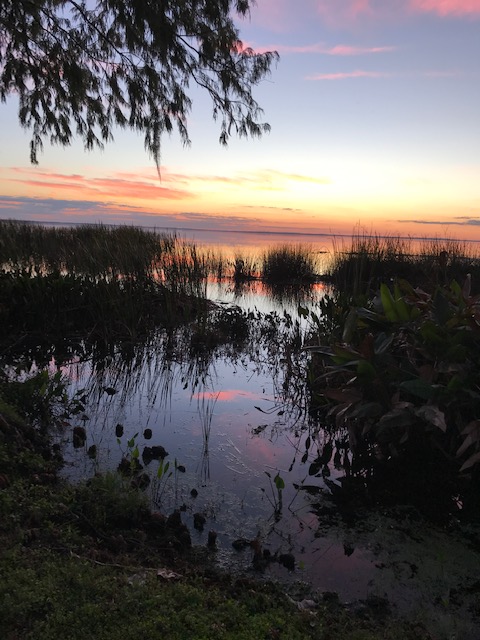
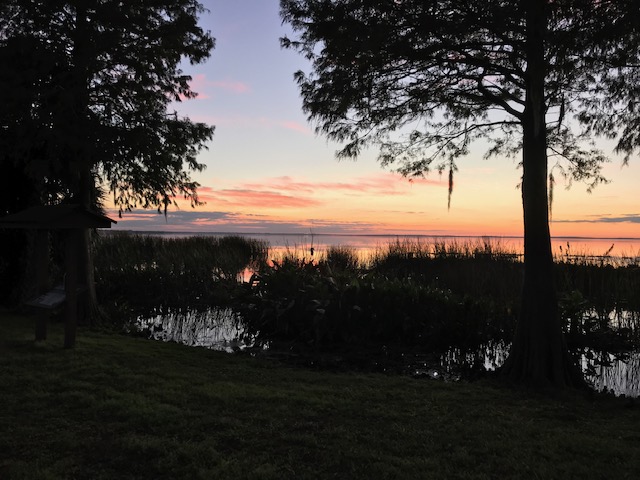
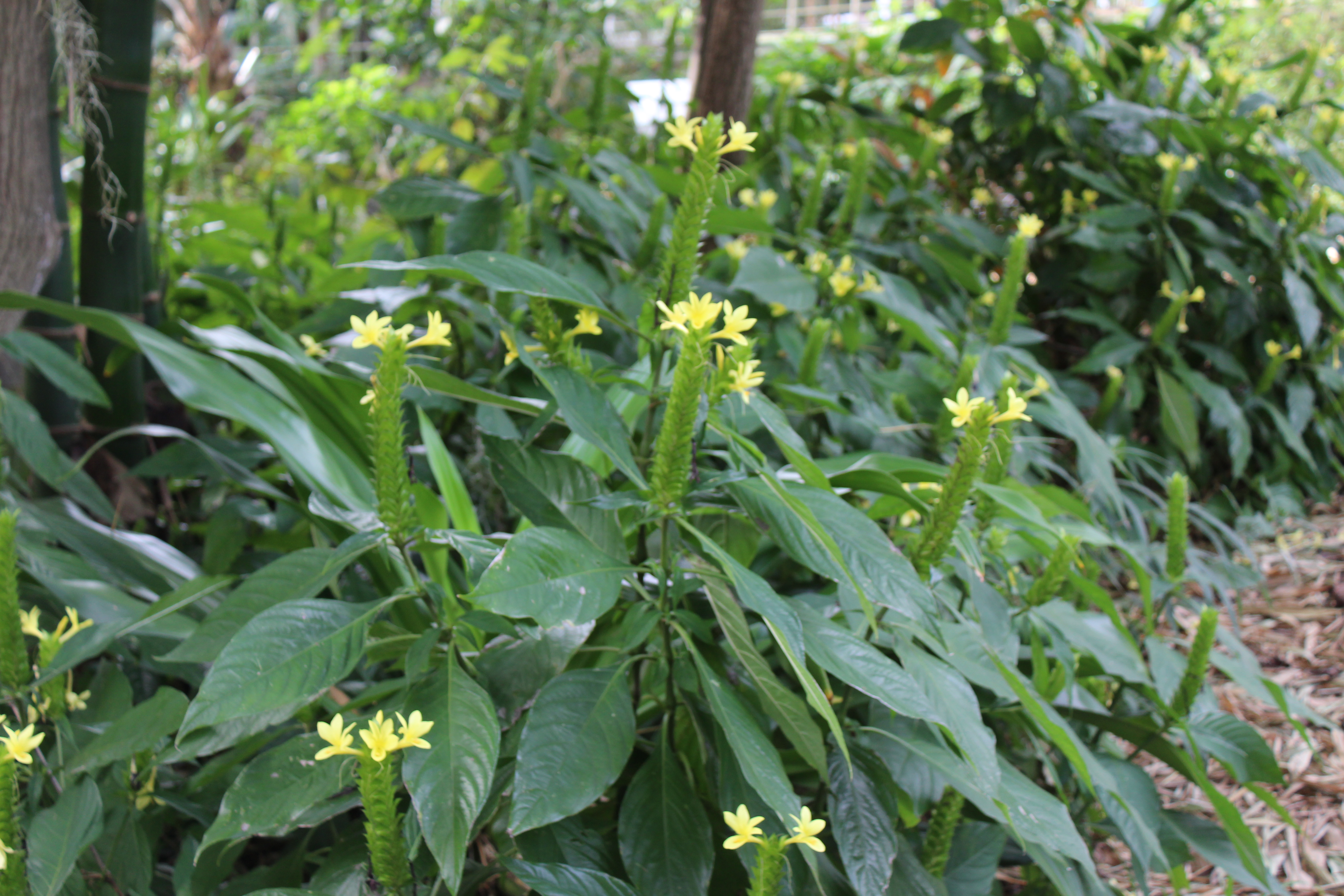
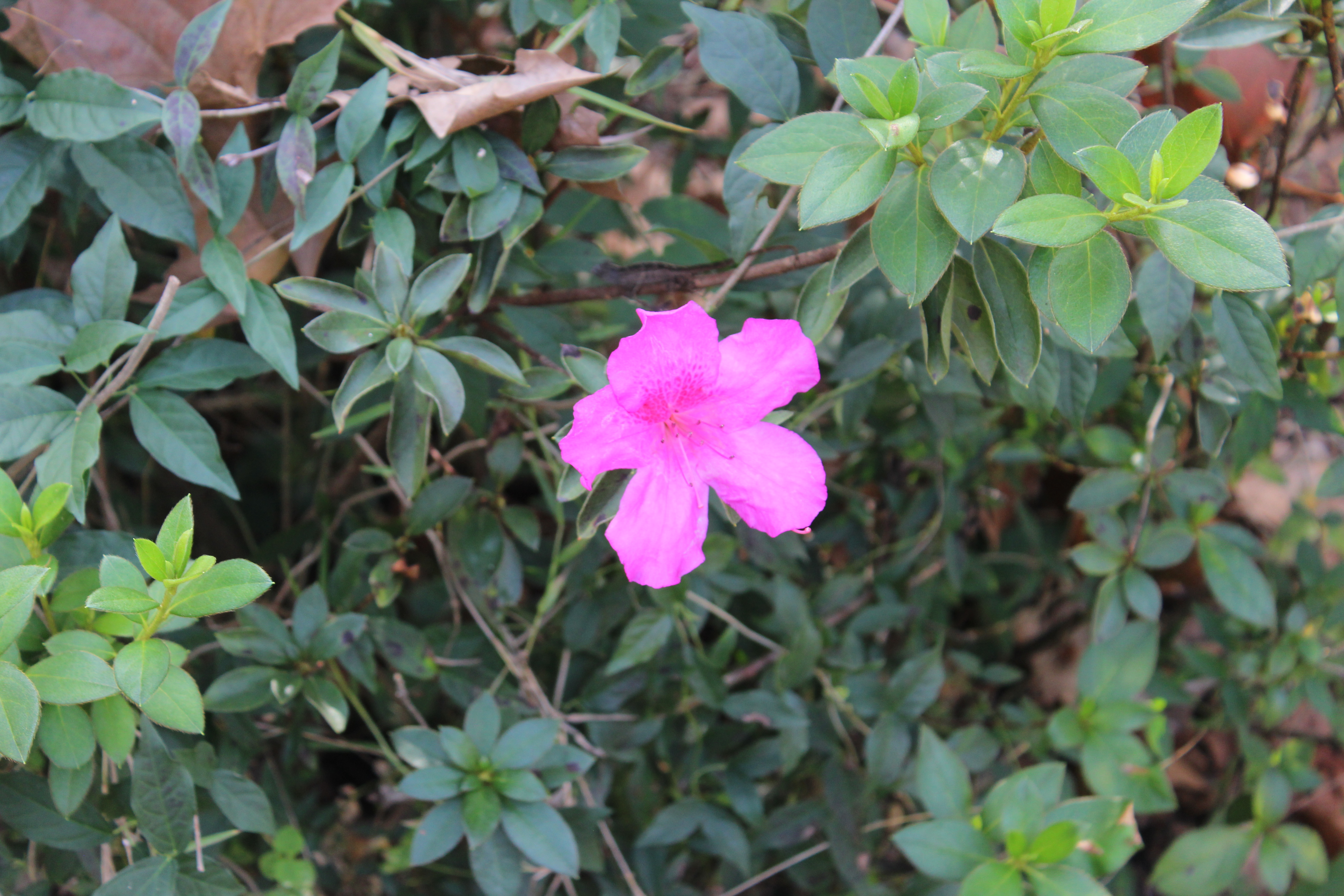
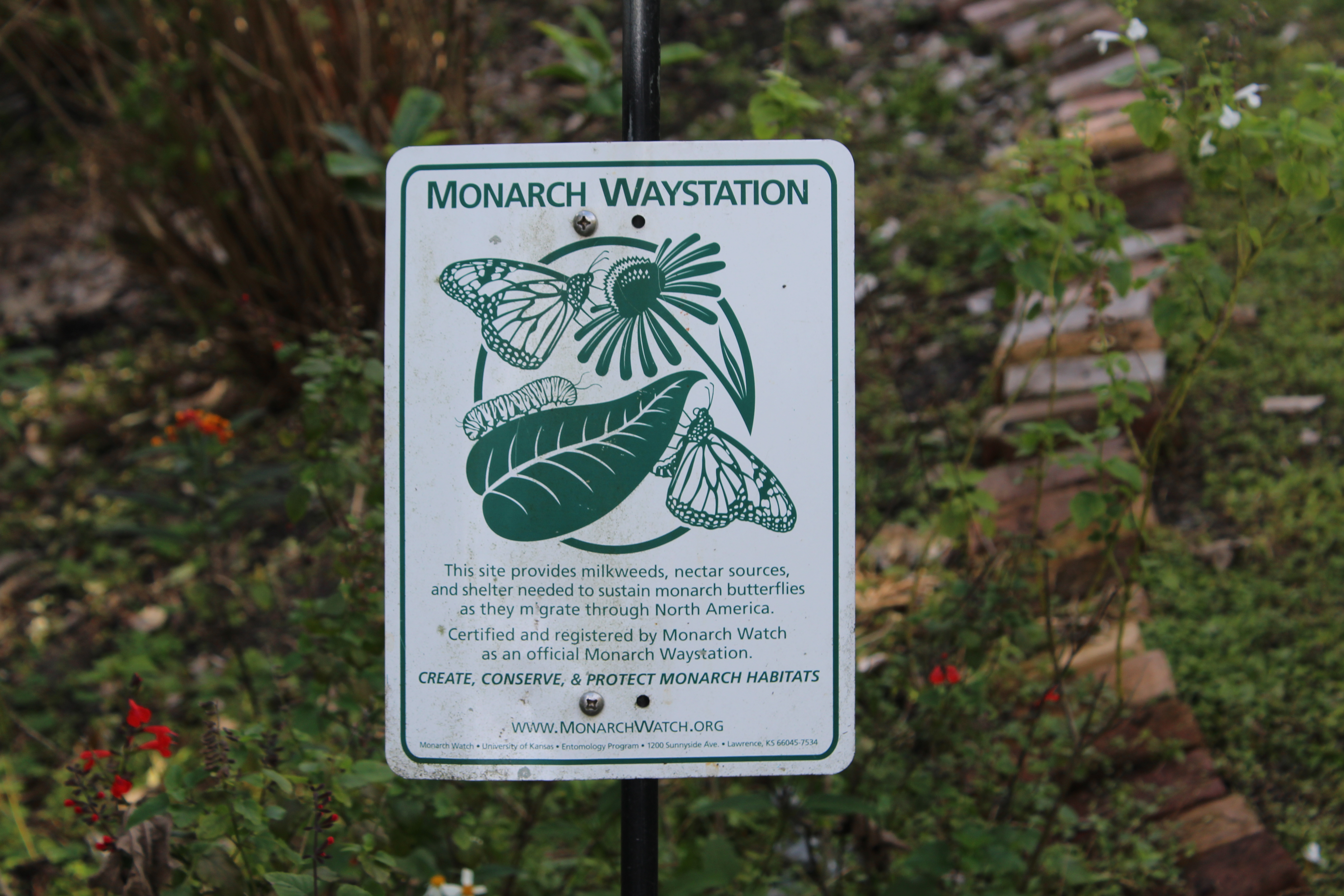
We are wrapping up our ten-day visit to this gorgeous and well-kept campground. The sunsets have been magnificent and the park’s wildlife has kept Molly entertained.
Joe stayed busy this week mounting new decals on Cornelia and organizing the basement of our rig.































































 Where in the world are the Gills?