agritourism

di Parma

We toured Parma with Michelle Valeria, an incredible guide who introduced us to the history of three major Denominazione di Origine Protetta (DOP) food products: prosciutto di Parma, Parmigiano Reggiano cheese, and traditional aceto balsamico. Additionally, we tasted Violetta di Parma candies, four kinds of pasta, two local wines, and finished with renowned gelato.

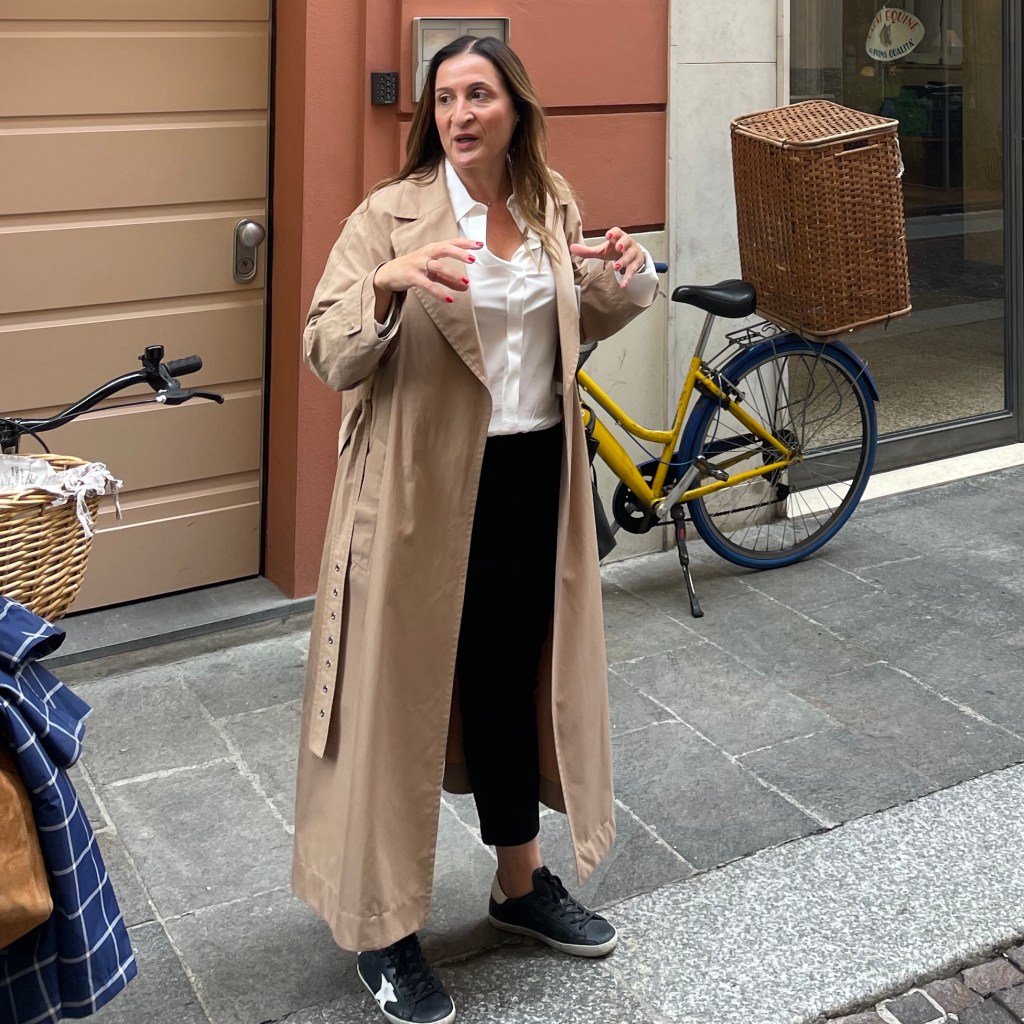
Michelle is a Parma native and has a Master’s degree in art history. She is passionate about the history, science, and artisanal processes behind the famous foods of her hometown. She trained as a cheese judge and spends time at the regional farms, getting to know the craftspeople who produce these amazing DOP products using centuries-old techniques. We were awed by her depth of knowledge and as educators, we were impressed with her ability to pace the information in an engaging way.

Check out her Airbnb experience offerings: https://abnb.me/yYRlo2641tb
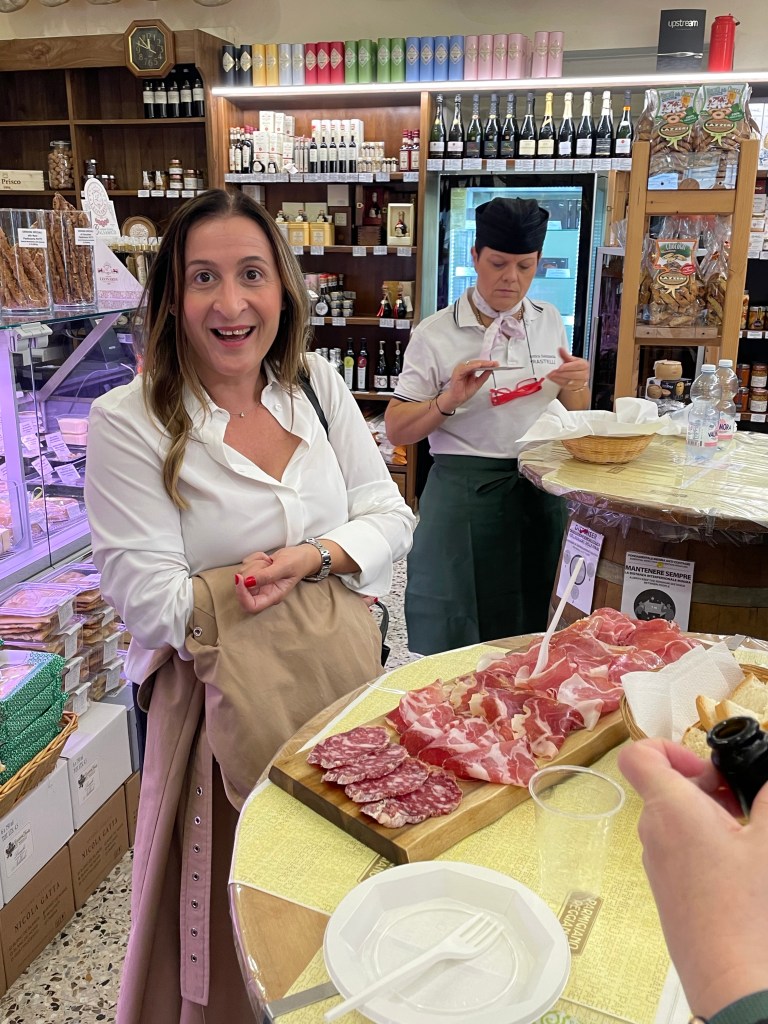
Michelle taught us about six different kinds of cured meats – from the history of the curing process to the husbandry and genetics of the pigs.
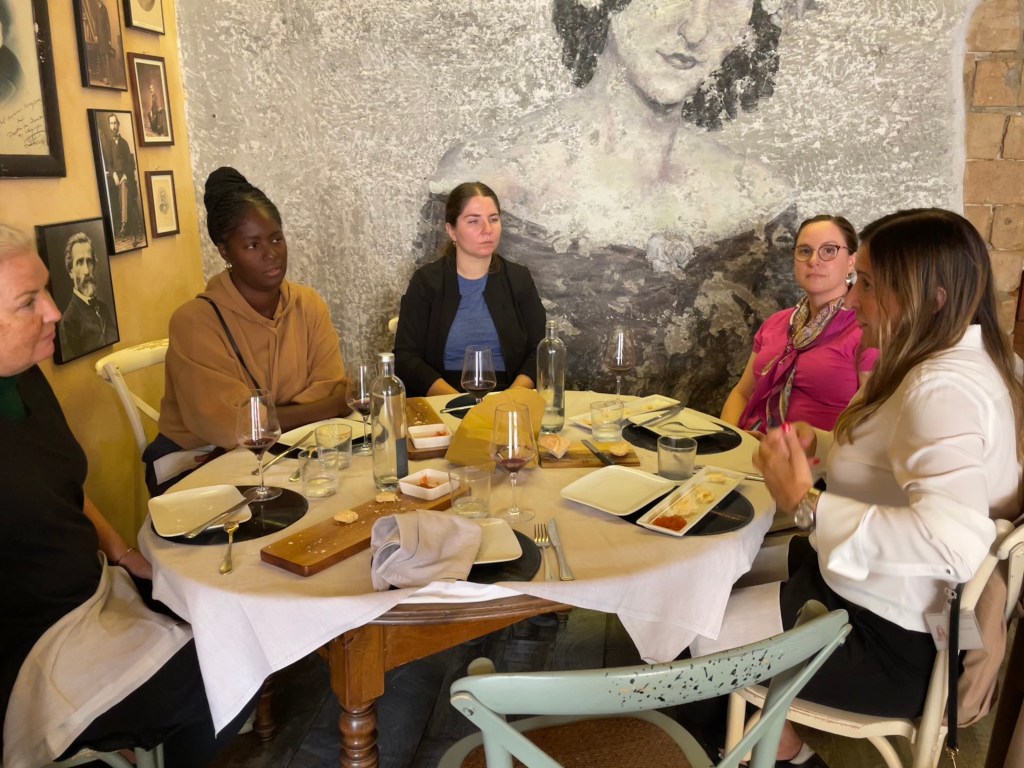
Rapt students listening to our cheese teacher. Note that the cheeseboards have been decimated by A+ students learning how to apply a sensory analysis (visual, tactile, scent, taste) to our samples.
Michelle followed up on the varied interests of our tour group and included history lessons on art, music, architecture, and perfume, in addition to the food focus. It was like a graduate seminar condensed into a half-day!

Her flow, her confidence, her ability to answer any question-she was just amazing. The range of her knowledge, whether it was art, history, music, architecture, food, is astounding. Like a good teacher, she directed her answers to each of us, checking in on our individual engagement.

Joseph J. Gill, retired Headmaster
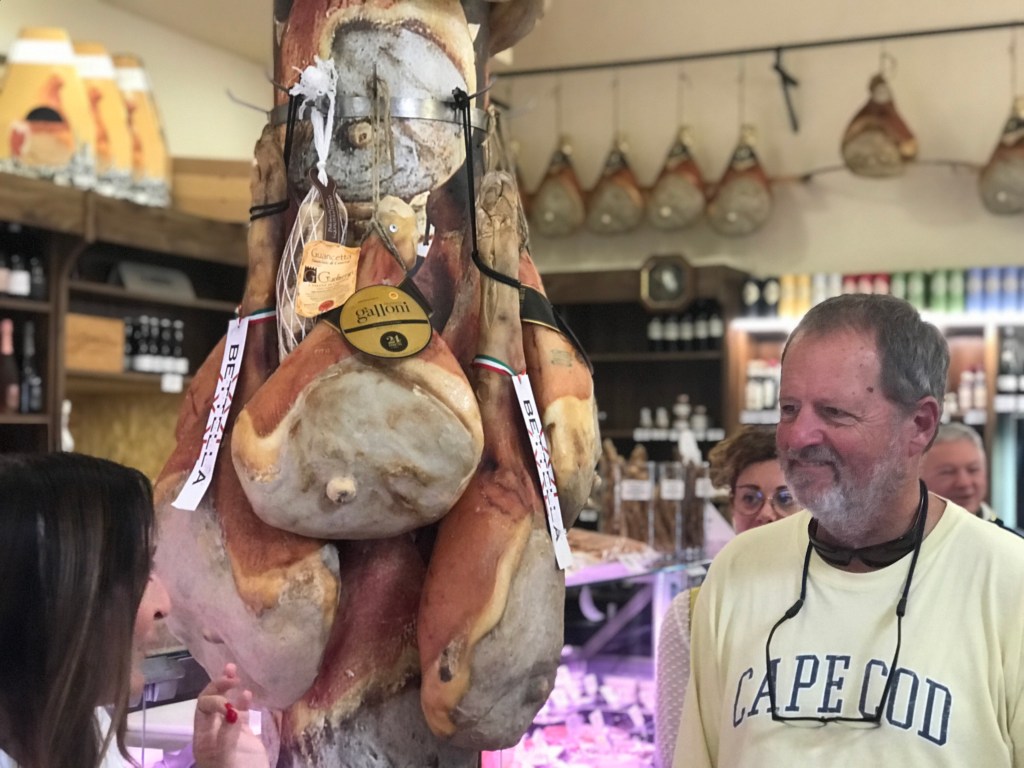
Patiently answering all of our questions!
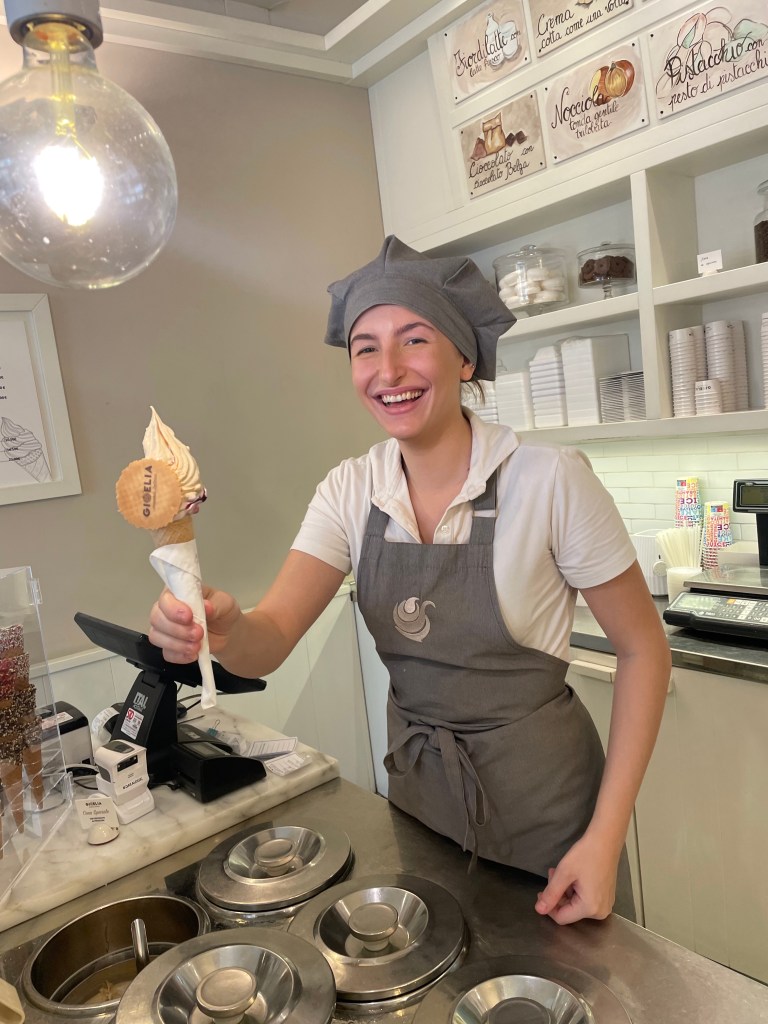
Final course!
Categories: agritourism, Parma, responsible tourism, retirement travel | Tags: , , , , , , , , | Leave a comment

The Perfect Horse

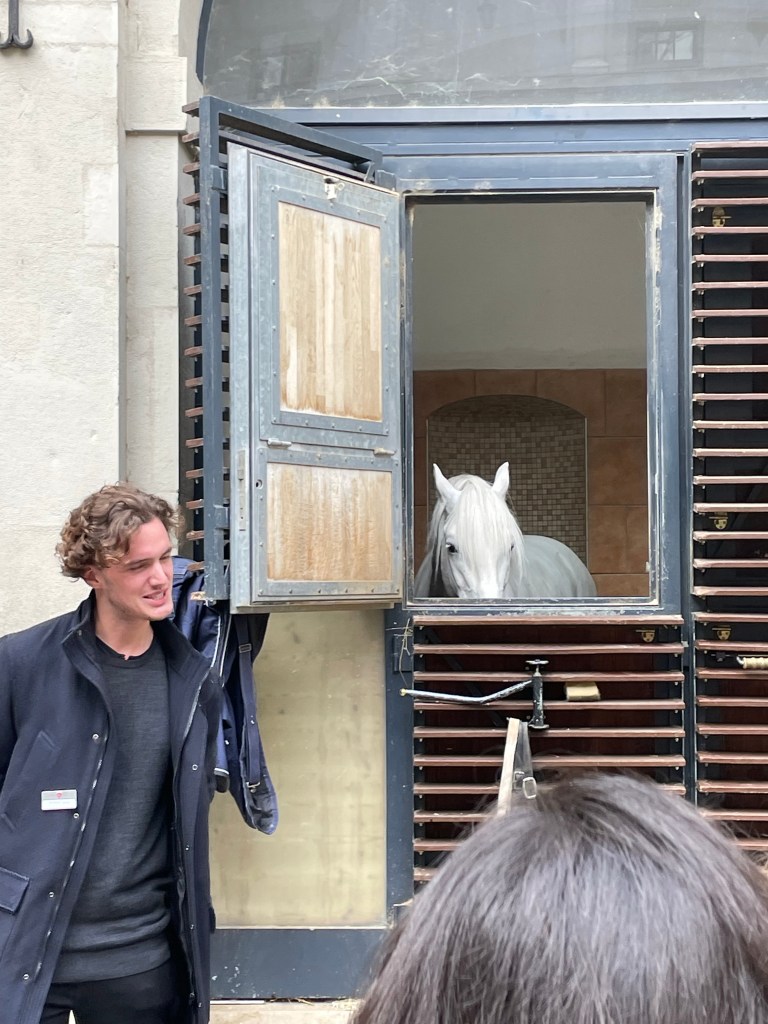
We toured the Spanish Riding School in Vienna. The guide was knowledgeable and patiently answered all of our questions. Sarah started reading Elizabeth Letts’ book and quickly became engrossed in the history of the Lipizzan (alt. Lipizzaner) during the 20th century.

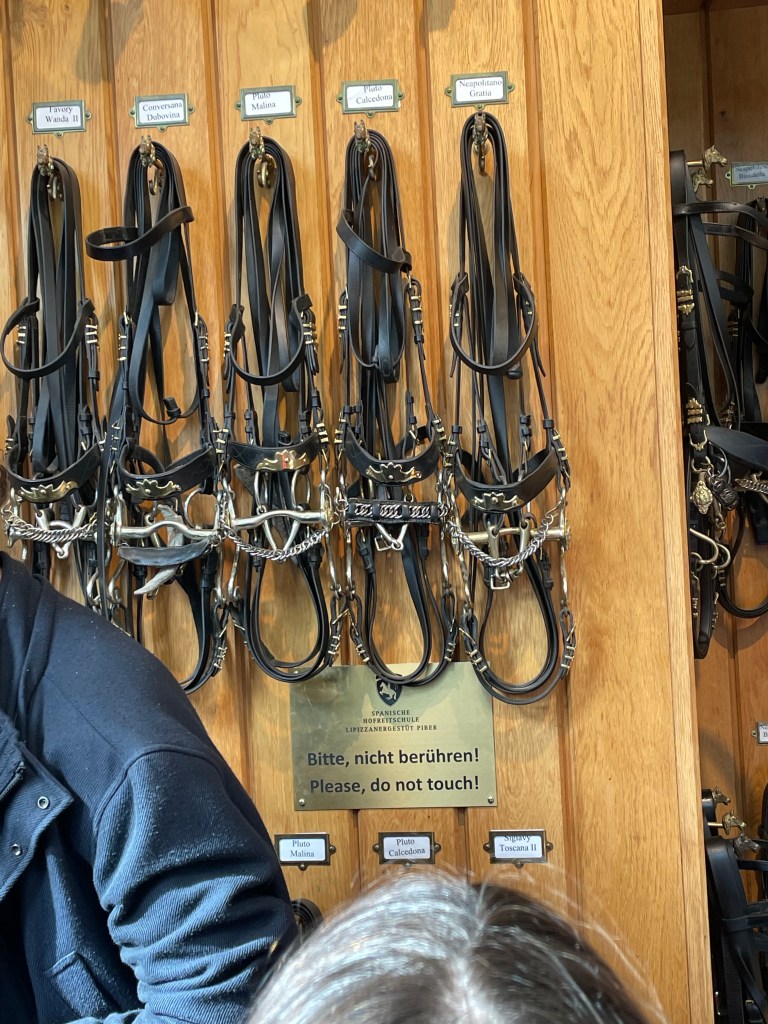
Having read Jojo Moyes’ novel, “The Horse Dancer” a few years ago, it was captivating to tour these stables. Photos were not permitted inside the stables, because previous tourists have posted irresponsible pictures on social media. These animals are under the best care, with regular rotations between training, countryside vacations, and performing.

Stallions arrive to the school from their country stable around the age of four. That’s right – the first FOUR years of their lives are spent frolicking in fields, simply being horses! They gain natural strength from living free in herds doing natural horse stuff. They make friends with other horses. They spend time as foals with their mamas.

If selected to train in Vienna, they are assigned to a rider who then spends the rest of their life devoted to the care of that specific horse. Each rider has 4-5 horses in their care. Sequential training takes 6-8 years (!) before a horse is ready to perform. And horses then retire from performance between 18-24 years of age. They live out retirement back on the farm, enjoying a pampered life.

The bond between rider and horse is exceptional. No coercion is used. The stallion must want to work with the rider. The rider is there to invite the horse to perform and to ensure the health and care of the horse.

Categories: agritourism, central europe, responsible tourism, retirement travel, Vienna | Tags: , , , , , , , , | 1 Comment

A land flowing with milk and …dates?

Medjool date palms

Historians and biblical scholars now believe that the honey referenced in the Book of Exodus refers not to bees’ honey but to the syrup prepared from dates. Turns out that the best way to preserve this highly nutritious fruit is to soak, cook, extract and reduce its syrup. As one of the oldest foods cultivated in the Mediterranean region, it makes complete sense that a reference to abundance would include good date production.

Medjool (Arabic majhūl) dates are known as the king’s fruit, once reserved only for royalty. These dates are large and sweet. Almost a century ago, California growers imported eleven medjool date palms from Morocco and nine survived, spawning the spread of date farming in the southwest United States.

Why are dates so expensive? It is a labor-intensive commercial crop, with farmers devoting most of their land to female date palms (which produce the edible fruit) and keeping just a few males or even purchasing the pollen when it is time to pollinate the female flowers. After the fruit buds form, each strand is thinned to allow better air circulation and bigger fruit. By August, the fruit bundles are bagged to protect from birds, insects, and dust. Dates are harvested by hand in the fall, sorted, graded, and sent to cold storage.

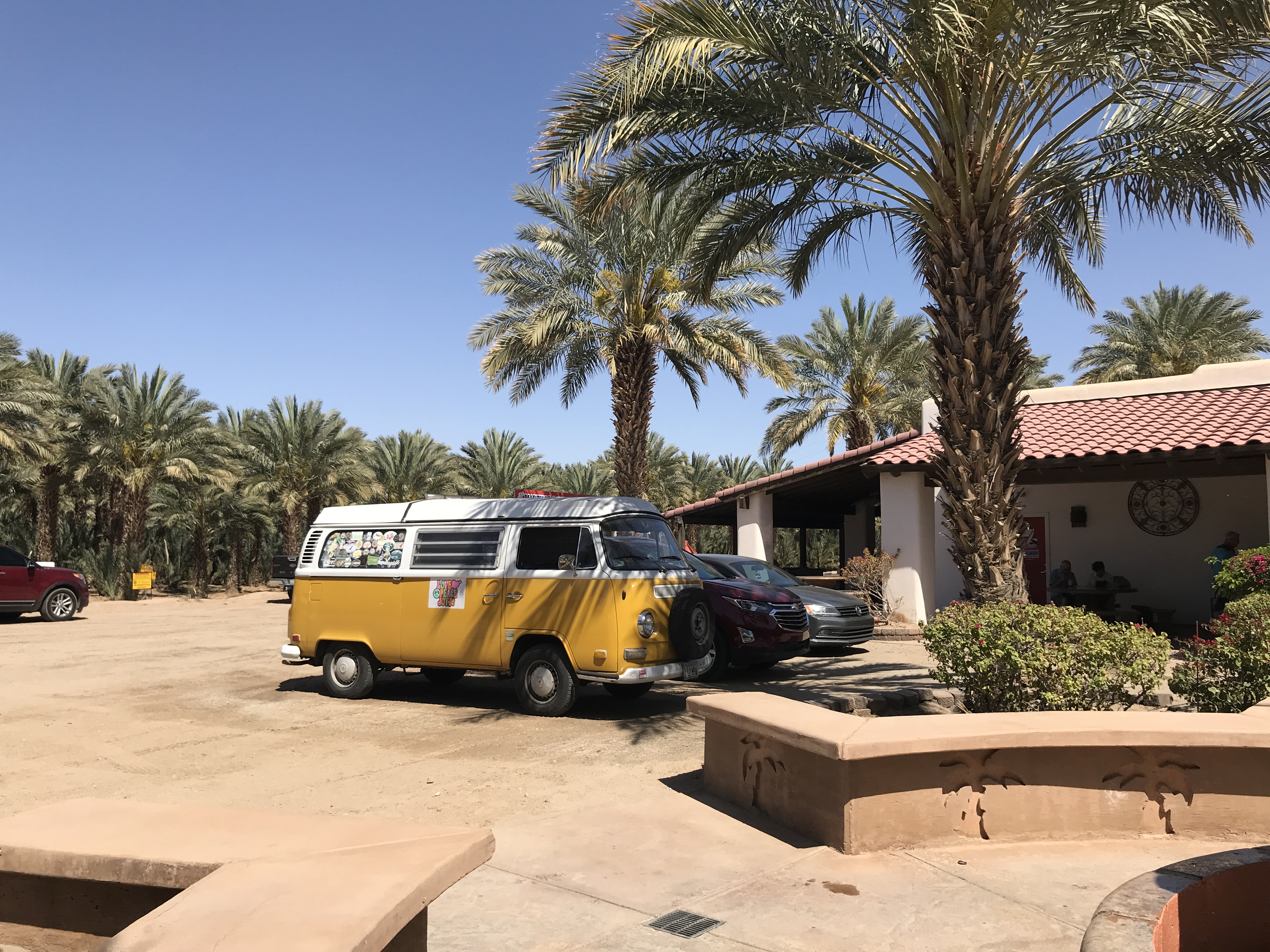
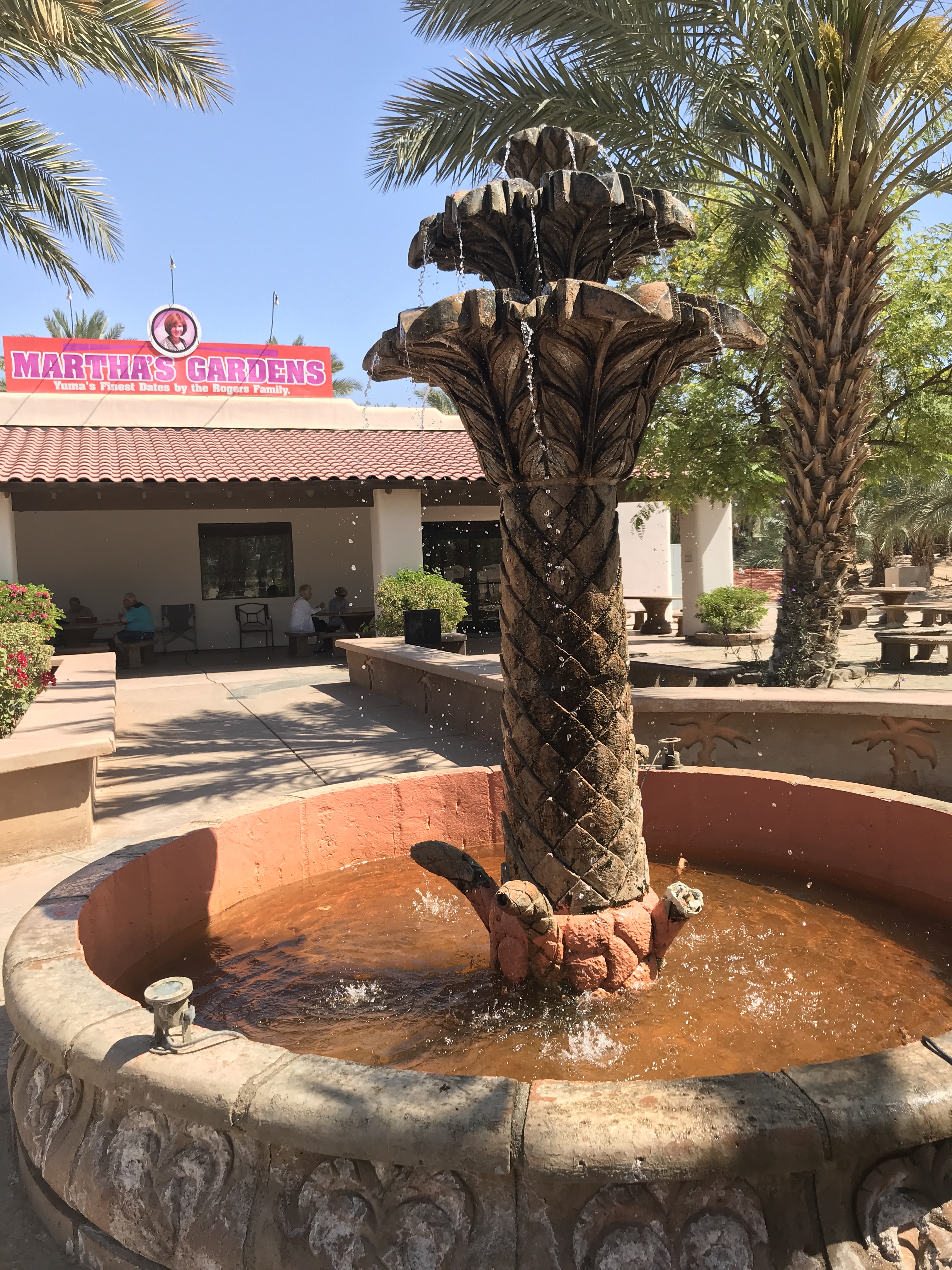
We learned all about date farming with a visit to Martha’s Gardens, here in Yuma. After sharing a delicious date shake by the courtyard fountain, we headed home taking the road less traveled.

After 1.5 miles of sketchy sandy trails, we determined the large CAT bulldozer parked on the trail was a good indicator that we were not on a sanctioned road! We carefully re-traced our tracks in the dust and made it back out to the secure pavement. Watch the video below of this adventure for Mike the van!

Off-roading with Mike!
Categories: agritourism, arizona, desert hiking, epic road trip, responsible tourism, retirement travel, snowbirds | Tags: , , , , , , , , | 2 Comments

Blog at WordPress.com.